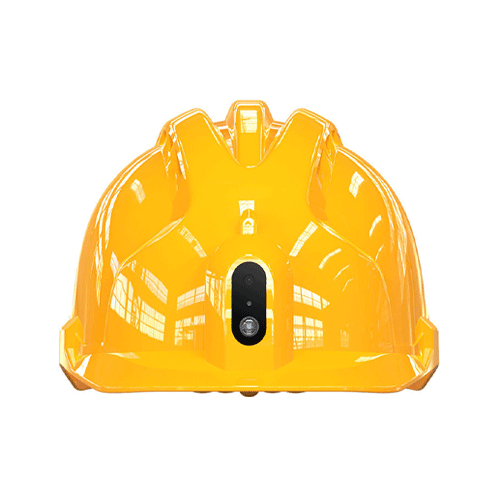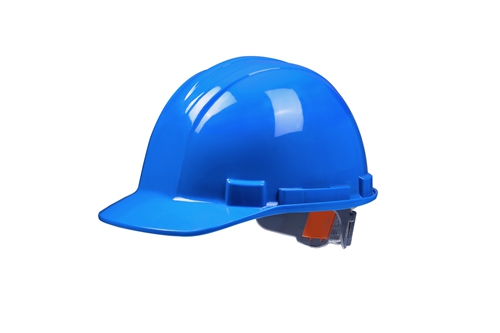
Premium industrial safety helmet Solutions for India's Infrastructure

Advanced head protection engineered for the rigorous demands of Indian manufacturing, leather goods production, and large-scale construction projects.

Premium industrial safety helmet Solutions for India's Infrastructure

Providing world-class head protection that meets Indian safety standards, designed specifically for the extreme climates and high-intensity work environments of South Asia.

The Landscape of Head Protection in India

Analyzing the current state of PPE usage across India's diverse industrial sectors.

In India, the manufacturing sector—specifically the leather and footwear industry—is undergoing a massive shift toward formalization. The adoption of the safety helmet has transitioned from a luxury to a regulatory necessity as factories upgrade their facilities to meet international export standards.

Geographical challenges, including extreme humidity and high temperatures in industrial hubs like Kanpur and Chennai, demand specialized materials. Standard helmets often cause heat stress, leading to a surge in demand for ventilated worker safety helmet designs that maintain structural integrity while allowing airflow.

Economic growth in the infrastructure sector has created a critical need for high-impact protection. From the Mumbai Metro projects to rural road expansions, the requirement for a certified construction helmet has spiked, pushing the market toward higher E-E-A-T compliant safety gear.
Evolution of Safety Standards in Indian Manufacturing

From basic hard hats to high-tech protective gear.

Market Development History

During the 1990s and early 2000s, head protection in the Indian leather and shoe manufacturing sector was rudimentary, often relying on basic plastic caps with limited impact resistance.

By 2010, the alignment with IS (Indian Standards) and ISO certifications forced a transition toward the modern safety work helmet, incorporating ABS and HDPE materials to withstand industrial accidents.

From 2020 onwards, the focus has shifted toward ergonomic design and integrated accessories, merging traditional protection with productivity-enhancing features like chin-strap stability and accessory slots.

Future Development Trends

Sustainable Bio-Polymers

Integrating eco-friendly materials in the manufacturing of helmets to align with India's green industrial initiatives.

Smart Integration

The rise of IoT-enabled helmets for real-time worker health monitoring in hazardous zones.

Climate-Adaptive Ventilation

Development of advanced cooling liners to combat India's extreme summer heatwaves.

Industry Trends & Future Outlook

Strategic directions for safety equipment in the next 5 years.

IoT-Enabled Safety
Integration of sensors for impact detection and geolocation in large Indian industrial complexes.
Lightweight Materials
Transition to high-density composites to reduce neck fatigue for workers in long shifts.
Modular Accessories
Customizable mounts for lamps and earmuffs specifically for leather tannery environments.
Enhanced UV Protection
Advanced UV-resistant polymers to prevent shell degradation under the harsh Indian sun.

Industry Outlook

Google search trends in South Asia indicate a growing interest in "industrial safety compliance" and "worker protection gear," suggesting a shift from passive to proactive safety management in the manufacturing sector.

Over the next 3-5 years, we expect the Indian market to demand more specialized gear that combines impact resistance with thermal comfort, moving away from one-size-fits-all solutions toward role-specific protection.

Localized Application Scenarios in India

Where our protective gear makes a difference in the Indian industrial landscape.

01. Leather Tannery Operations in Kanpur

Protecting workers from falling tools and structural hazards in dense tanning facility environments where chemical resistance and durability are key.

02. Footwear Manufacturing Hubs in Agra

Ensuring worker safety during the assembly and heavy machinery operation phases of footwear production with lightweight and breathable helmets.

03. Urban Infrastructure Projects in Mumbai

Deploying high-impact construction helmet models for high-rise developments and metro rail expansions.

04. Automotive Part Production in Pune

Integrating industrial-grade head protection for workers managing heavy metal stamping and assembly lines.

05. Logistics and Warehousing in Delhi-NCR

Providing essential head protection for warehouse staff operating in high-rack storage environments with heavy overhead loads.

Brand Story

Global Development Journey of Hebei Pusen Safety Equipment Co., Ltd.

Founding Vision

Established with a mission to eliminate workplace head injuries through rigorous material science and uncompromising safety standards.

Technological Breakthrough

Developed proprietary impact-absorption shells that outperform traditional HDPE, reducing G-force impact during accidents.

Global Expansion

Expanding into the South Asian market, specifically tailoring safety gear for the unique climatic conditions of India.

Industry Leadership

Becoming a trusted partner for leather and footwear manufacturing plants by solving the balance between comfort and protection.

Sustainable Future

Committing to carbon-neutral production processes and recyclable safety materials for a greener global industrial future.

Common Questions Regarding Industrial Safety in India

Expert answers to help you choose the right head protection.

Which industrial safety helmet is best for high-temperature Indian summers?

For India's heat, we recommend ventilated models with moisture-wicking sweatbands and UV-resistant shells to prevent heat exhaustion and material degradation.

Do your worker safety helmet options comply with Indian IS standards?

Yes, our products are designed to meet and exceed both international (ISO/CE) and local Indian safety specifications for industrial head protection.

How often should a construction helmet be replaced in heavy-duty projects?

Generally, helmets should be replaced every 2-5 years, or immediately after any significant impact, regardless of visible damage.

Are there specific safety work helmet requirements for leather tanneries?

Tanneries require helmets with high chemical resistance and easy-to-clean surfaces to protect against industrial spills and pollutants.

Can I customize the colors of my safety helmets for site management?

Absolutely. We offer a wide range of color-coding options to help distinguish between supervisors, engineers, and general laborers on site.

What is the most durable material for a safety helmet in India's mining and construction sectors?

ABS plastic is highly recommended for its superior impact resistance and durability in the rugged environments typical of Indian heavy industry.

Secure Your Workforce Today

Contact our specialists to find the perfect safety headgear for your industrial operations in India.

Contact Us Now

If you are interested in our products, you can choose to leave your information here, and we will be in touch with you shortly.