Product Overview
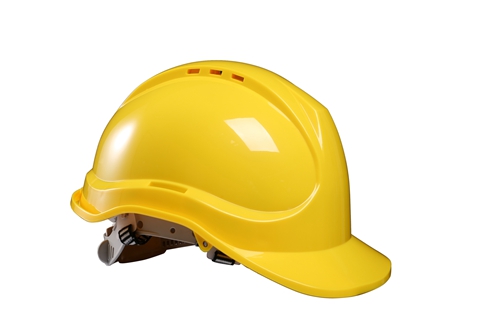
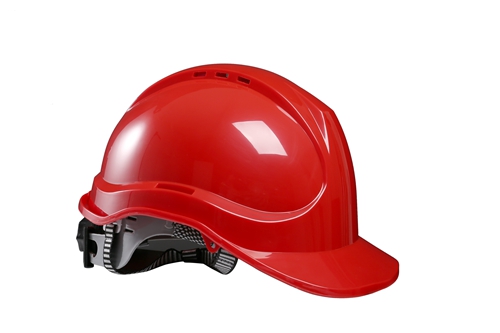
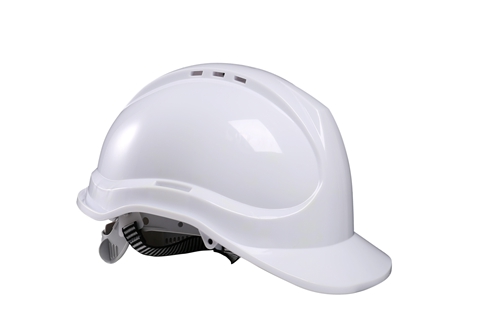
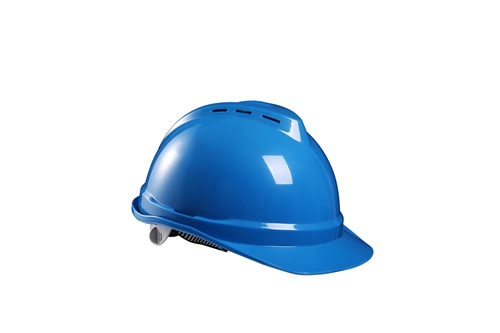
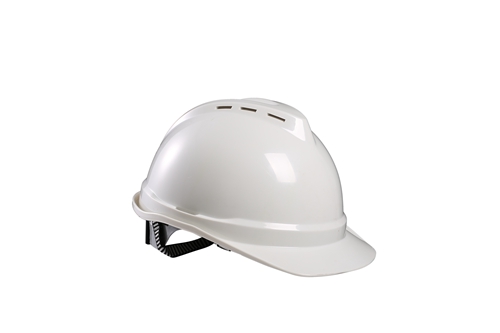
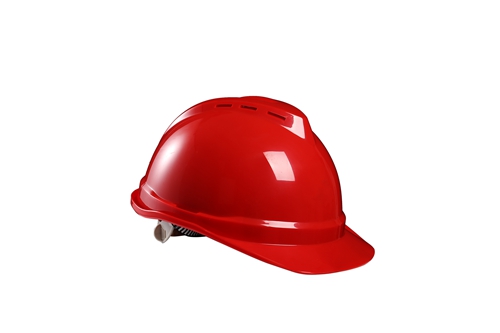
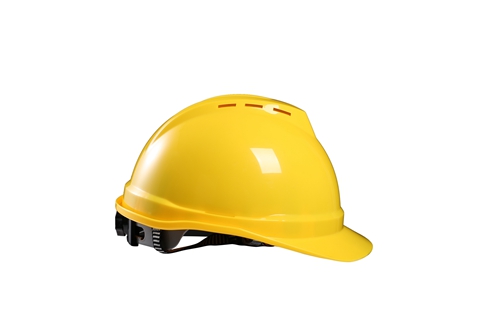
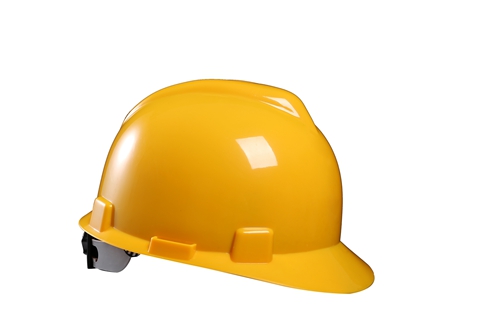
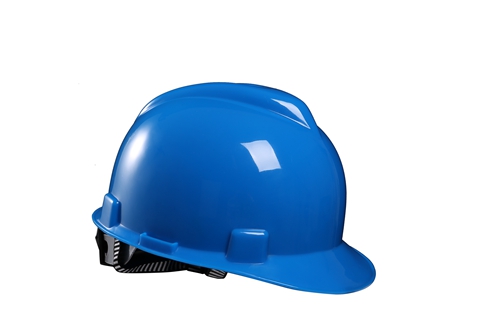
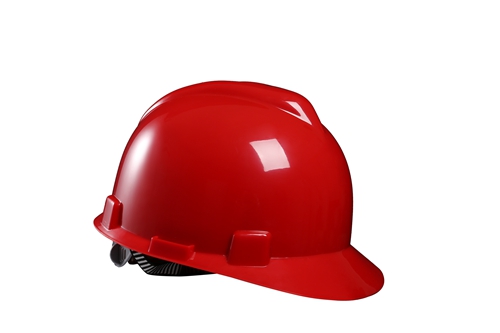
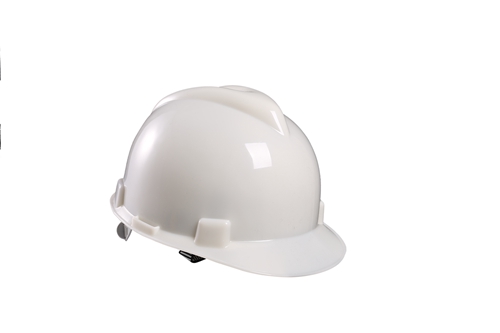
Our OEM personalized ABS safety helmets are engineered from high-grade Acrylonitrile Butadiene Styrene, a premium thermoplastic renowned for its exceptional impact resistance and structural toughness. Designed specifically for industrial environments, these helmets provide a cost-effective yet highly durable alternative to fiberglass models, utilizing precision injection molding to ensure consistent quality and significant cost savings for large-scale deployments.
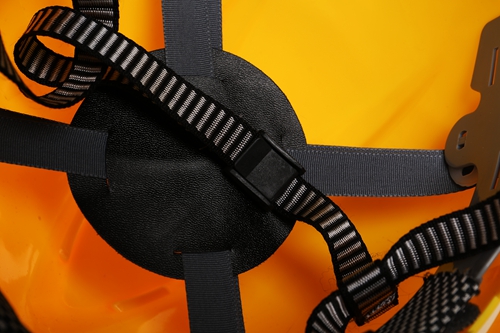
Beyond physical protection, these safety helmets are optimized for extreme conditions, maintaining integrity at low temperatures and offering superior resistance against acids, alkalis, oils, and UV radiation. With a skin-friendly polyethylene cap lining and a generous front area for customized corporate branding, they combine rigorous CE-certified safety standards with the professional aesthetic required for modern industrial sites.
Detailed Parameters
| Shell Material | Premium ABS (Acrylonitrile Butadiene Styrene) | Certification | CE Certified |
|---|---|---|---|
| Lining Material | Skin-friendly Polyethylene (PE) | Manufacturing Process | Precision Injection Molding |
| Chemical Resistance | Acids, Alkali, Alcohols, and Oils | Environmental Shield | Anti-aging and UV Resistant |
| Service Life | 30 Months (HDPE Standard) | Storage Temp | 0°C to 30°C (Ambient) |
| Customization | OEM Printing / Industrial Logo Area | Impact Policy | Single Impact Replacement (Scrap after use) |
Key Advantages
Superior Impact Resistance
High-toughness ABS material ensures maximum head protection and remains stable even in low-temperature environments.
Cost-Efficient Production
Injection molding technology reduces manufacturing costs compared to fiberglass, offering better value for bulk orders.
Chemical Durability
Highly resistant to concentrated hydrochloride, aromatic hydrocarbons, and various industrial solvents.
Brand Visibility
Features the industry's largest front area specifically designed for high-visibility corporate logos and printing.
Enhanced Comfort
Equipped with a polyethylene lining that is softer and more skin-friendly than standard polypropylene alternatives.
UV & Aging Protection
Advanced anti-aging properties prevent shell distortion and degradation under direct sunlight exposure.
Product Gallery
Management Platforms
OEM Customization
Full support for personalized printing and logo placement to align with your corporate identity.
Quality Control
Strict adherence to CE certifications and thermoplastic material purity standards.
Maintenance Guide
Recommended cleaning with warm soapy water and soft cloths to prolong shell life.
Safety Lifecycle
Rigorous "one-impact" scrap policy to ensure maximum worker safety at all times.
Logistics Care
Original packaging transport recommended to prevent distortion during shipment.
Storage Protocols
Optimized storage guidance (0°C-30°C) to avoid high-temperature shell deformation.
Investment Return Comparison
| Feature Comparison | ABS Safety Helmet | Fiberglass Helmet |
|---|---|---|
| Manufacturing Cost | Low (Injection Molded) | High (Hand-laid) |
| Production Speed | Rapid/Scalable | Slow/Manual |
| Impact Resistance | Excellent | Excellent |
| Weight/Comfort | Lightweight/PE Lining | Heavier/Rigid |
| Customization Ease | Very High (Large Area) | Moderate |
Frequently Asked Questions
The typical service life for our high-density helmets is 30 months, provided they are stored correctly and have not suffered a significant impact.
No. For safety reasons, any helmet must be regarded as scrap and replaced immediately after the first significant impact, regardless of visible damage.
We recommend using warm soapy water and a soft cloth. Avoid using solvents, abrasives, or harsh chemicals that may degrade the ABS material.
Avoid contact with glacial acetic acid, aromatic hydrocarbons, carbon tetrachloride, concentrated sulfuric/nitric acids, esters, ketones, and acetone.
Yes, our ABS helmets are manufactured with great anti-aging and ultraviolet resistance to prevent degradation during outdoor industrial use.
Helmets should be stored in a dark environment at temperatures between 0°C and 30°C, away from direct sunlight to prevent shell distortion.