
The Ultimate Guide to Arc Safety Clothing for Electrical Protection
The Ultimate Guide to Arc Safety Clothing for Electrical Protection
In the high-stakes environment of electrical work, the difference between a close call and a catastrophic injury often comes down to the quality of your personal protective equipment (PPE). arc safety clothing is specifically engineered to protect workers from the intense heat and pressure generated by an electric arc flash. Unlike standard workwear, these specialized garments are designed to inhibit ignition and limit the severity of burns. Understanding the technical nuances of arc-rated apparel is not just about compliance—it is about ensuring every technician returns home safely. In this comprehensive guide, we will explore how to choose the right protection for various risk levels.
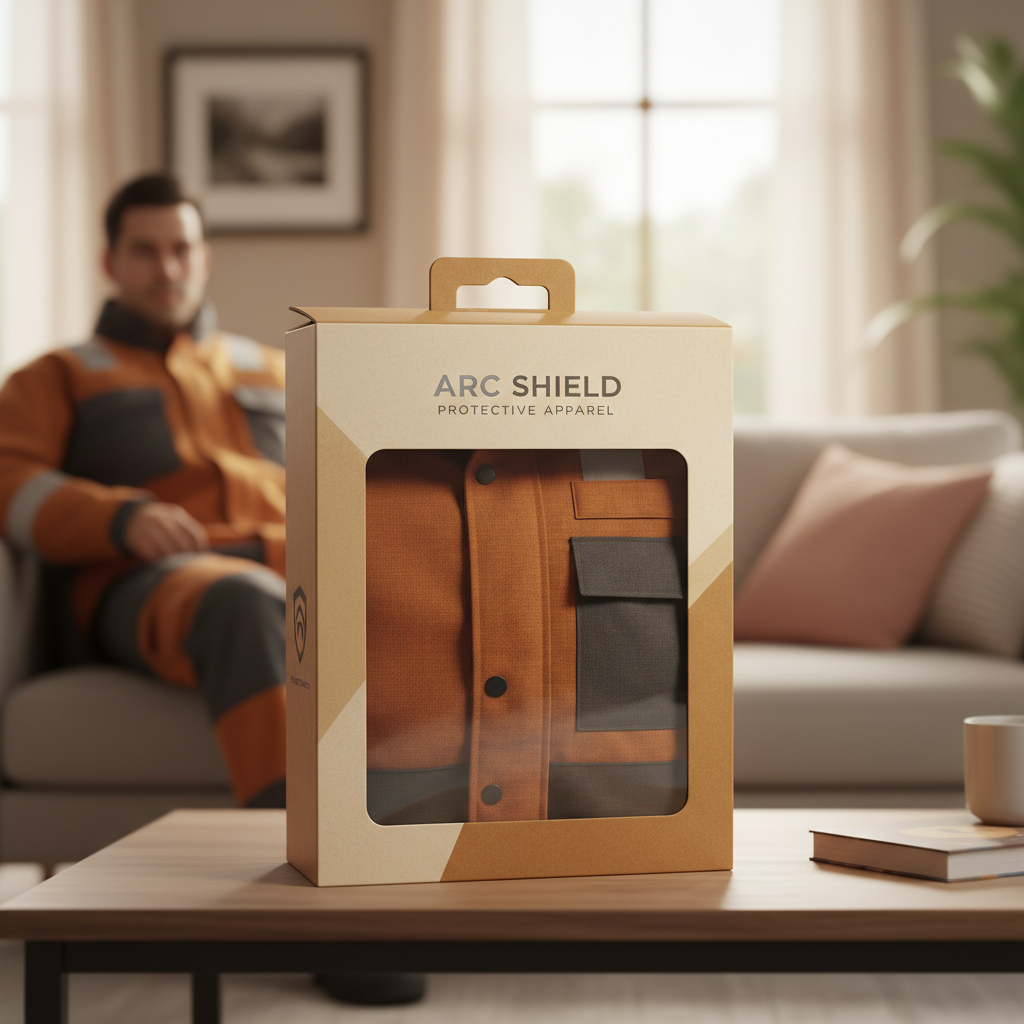
What is Arc Safety Clothing and Why is it Essential?
Arc flash is a dangerous phenomenon where electric current leaves its intended path and travels through the air from one conductor to another, or to ground. This creates a plasma explosion that can reach temperatures hotter than the surface of the sun. arc safety clothing acts as a critical thermal barrier. These garments are made from flame-resistant (FR) materials that do not melt or continue to burn once the heat source is removed. By utilizing advanced textile technology, this clothing prevents the fabric from adhering to the skin, which is a common and severe complication in traditional clothing during electrical accidents.
Safety Fact: An arc flash can cause severe second and third-degree burns even if the worker is not directly touching the energized equipment, making full-body arc-rated coverage essential.
Understanding Arc Thermal Performance Value (ATPV)
When selecting arc safety clothing, the most critical metric to understand is the ATPV (Arc Thermal Performance Value). This value represents the incident energy on a material that results in a 50% probability that a second-degree burn will occur. The higher the ATPV rating, the more heat energy the clothing can withstand. It is imperative that the ATPV of the clothing exceeds the calculated incident energy of the equipment being serviced. Failing to match the clothing rating to the specific hazard level can leave a worker dangerously under-protected.
Key Rating Considerations:
• ATPV: The industry standard for measuring thermal protection.
• Incident Energy: The amount of thermal energy per unit area at a specific distance.
• Layering: How combining different FR garments affects the overall protection level.
Comparing Arc Safety Clothing Categories
Not all electrical tasks carry the same risk. To optimize comfort and safety, arc safety clothing is generally categorized into "Arc Flash PPE Categories" (1 through 4). Category 1 is for low-risk environments, while Category 4 is for high-energy potential tasks requiring heavy-duty "bomb suits." Choosing the correct category ensures that the worker is not hindered by excessive weight and heat stress while remaining fully protected against the specific energy levels of their workspace.
Maintenance and Care for Arc Safety Clothing
The protective properties of arc safety clothing can be compromised by improper care. Certain detergents, fabric softeners, and bleach can strip the flame-resistant treatment from the fabric or leave a flammable residue on the surface. To maintain the integrity of the ATPV rating, clothing should be washed according to the manufacturer's guidelines. Additionally, workers must regularly inspect their gear for holes, tears, or contamination from oils and greases, which can act as fuel during an arc event. Replacing damaged gear immediately is non-negotiable for safety.
Technical Specifications of Premium Arc Rated Fabrics
High-quality arc safety clothing utilizes a blend of materials such as Nomex, Kevlar, or treated cotton. These fabrics are tested under rigorous laboratory conditions to ensure they meet NFPA 70E and ASTM standards. The goal is to balance breathability (to prevent heat stroke) with thermal resistance. Below is a specification table comparing typical fabric types used in professional arc-rated gear:
Conclusion: Prioritizing Life with Quality Arc Protection
Selecting the right arc safety clothing is not merely a regulatory checkbox; it is a vital investment in human life. From understanding ATPV ratings to adhering to strict maintenance schedules, every detail contributes to a safer workplace. By combining high-quality arc-rated apparel with comprehensive safety training, companies can drastically reduce the risk of fatal electrical accidents. When it comes to arc flash protection, there is no room for compromise—choose certified, high-performance gear to ensure maximum safety.
Frequently Asked Questions (FAQs)
Can I wear regular cotton clothes under my arc safety clothing?
It is strongly discouraged to wear non-FR materials, such as polyester or nylon, underneath your arc safety clothing. In the event of an arc flash, the heat can penetrate the outer layer and cause synthetic undergarments to melt directly onto the skin, leading to severe and deep burns. The safest practice is to wear only 100% cotton or other arc-rated under-layers. Always verify that your base layers do not compromise the overall safety rating of your PPE ensemble.
How often should arc flash clothing be replaced?
Arc flash clothing should be replaced immediately if it has been exposed to an actual arc event, regardless of whether visible damage is present, as the structural integrity of the fibers may have been compromised. For daily wear, replacement depends on the material. Inherent FR fabrics last longer, while treated fabrics may lose efficacy over time. A general rule is to conduct a thorough inspection every six months and replace any garments that show thinning, fraying, or significant contamination that cannot be washed out.
What is the difference between "Flame Resistant" and "Flame Retardant"?
"Flame Resistant" (FR) generally refers to materials that are inherently resistant to burning due to their chemical structure (like Nomex), meaning the protection is permanent. "Flame Retardant" usually refers to materials that have been treated with a chemical finish to resist ignition. While both are used in arc safety clothing, inherent FR is often preferred for long-term durability because it cannot be washed out or worn away, providing consistent protection throughout the garment's life.
Does arc safety clothing protect against electric shock?
No, it is important to understand that arc safety clothing is designed for thermal protection against heat and flames, not for electrical insulation. It does not prevent electric shock or electrocution. To protect against shock, workers must use other PPE, such as insulated gloves and rubber mats, and follow strict lockout/tagout (LOTO) procedures. Arc clothing is the "last line of defense" to prevent severe burns if an arc flash occurs, but it does not stop the flow of electricity through the body.
-
Industrial Protection Guide for Professional arco safety clothing
NewsApr.16,2026
-
The Ultimate Guide to Arc Safety Clothing for Electrical Protection
NewsApr.09,2026
-
Comprehensive Guide to Arc Flash Safety Clothing and Protection Measures
NewsApr.07,2026
-
American Safety Clothing Inc Your Premier Source for Workplace Safety Gear
NewsApr.04,2026
-
Comprehensive Guide to Womens Safety Clothing for Workplace Protection
NewsMar.31,2026
-
Comprehensive Guide to Selecting Optimal Waterproof Safety Clothing for Work
NewsMar.28,2026