
Comprehensive Guide to Womens Safety Clothing for Workplace Protection
Womens Safety Clothing: A Comprehensive Guide
When it comes to workplace safety, ensuring all employees have appropriate protective gear is paramount. This includes specifically addressing the needs of women, as standard safety clothing often isn’t designed with the female anatomy in mind. This article delves into the importance of womens safety clothing, the challenges women face with ill-fitting gear, and the available solutions. Properly fitted safety clothing is crucial for comfort, mobility, and – most importantly – effective protection. We’ll explore the benefits of investing in women’s specific safety apparel and resources for finding the right fit.
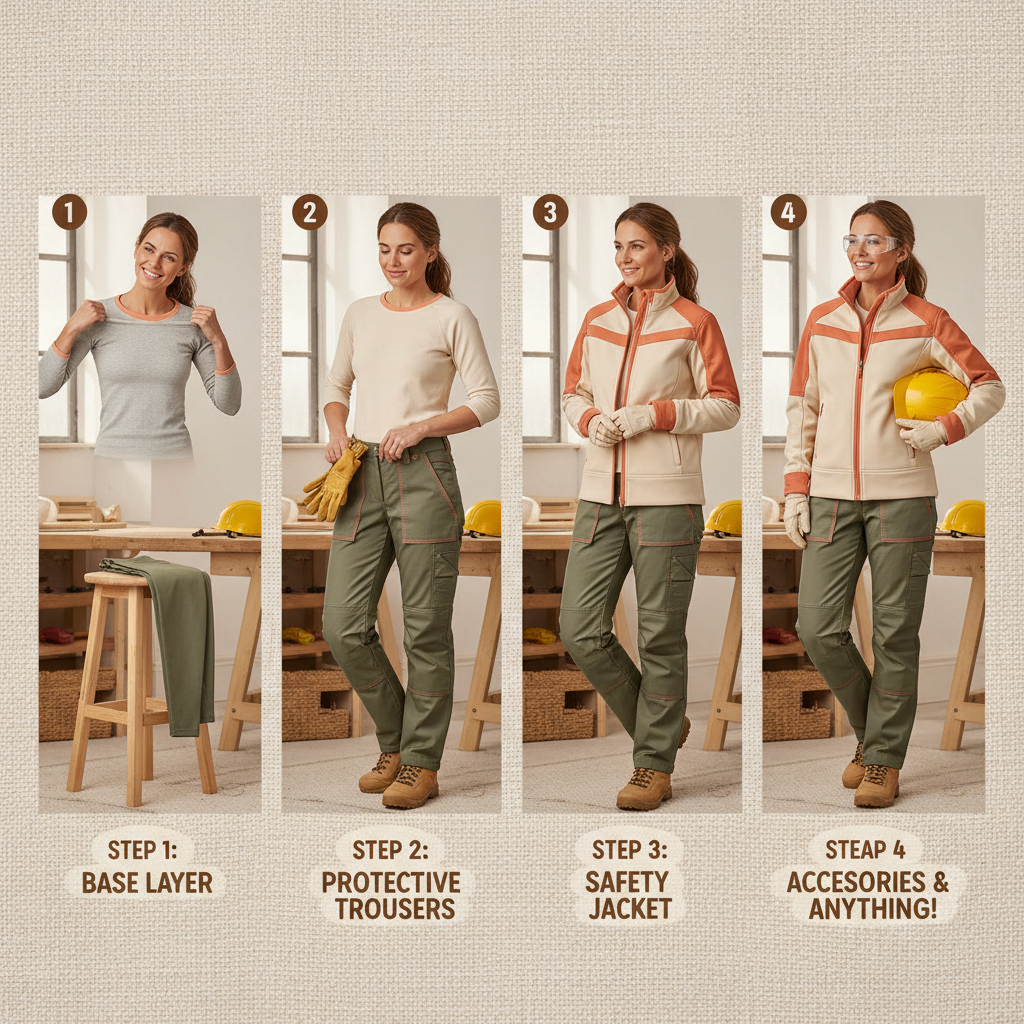
Why Womens Safety Clothing Matters
Traditional safety clothing is typically designed based on male anthropometric data. This means that when women wear standard-sized gear, it often doesn’t fit properly. Common issues include oversized jackets, ill-fitting gloves, and boots that are too large. These ill-fitting garments can compromise safety by hindering movement, increasing the risk of snagging, and reducing the effectiveness of protective features. Beyond safety, discomfort and restricted movement can lead to fatigue and decreased productivity. Investing in womens safety clothing isn’t just about compliance; it’s about respecting and valuing female employees.
Key Takeaway: Properly fitting safety clothing enhances comfort, increases productivity, and, most importantly, significantly improves worker safety.
Common Fit Issues and Their Consequences
One of the most prevalent problems is shoulder and chest fit. Standard safety vests and jackets often have shoulder seams that sit too far out on a woman’s shoulders, causing chafing and restricting arm movement. Larger waist sizes in trousers and overalls necessitate excessive tightening of belts, which can be uncomfortable and affect dexterity. Gloves that are too wide can compromise grip and dexterity, while ill-fitting boots can lead to blisters and increase the risk of slips and falls. These seemingly minor fit issues can accumulate throughout the workday, leading to discomfort, fatigue, and a decreased ability to perform tasks safely and efficiently. Addressing these issues requires a shift towards garments specifically designed to accommodate the female form.
Fit Issue Examples:
• Shoulder seams extending beyond shoulders
• Excessively large waist sizes
• Wide gloves reducing grip
• Ill-fitting boots causing blisters
Types of Womens Safety Clothing Available
The market for womens safety clothing is expanding, with an increasing range of options available. These include: safety vests and jackets with tailored cuts, trousers and overalls designed with a higher waist and narrower leg, gloves with smaller hand sizes and improved dexterity, and safety boots with narrower lasts for a more comfortable fit. High-visibility clothing specifically designed for women often features a more contoured fit, enhancing both comfort and visibility. Furthermore, many manufacturers now offer adjustable features, allowing for a more customized fit. Choosing the right type of clothing depends on the specific hazards of the work environment.
Choosing the Right Fit: Tips and Resources
When selecting womens safety clothing, prioritize fit over price. Take accurate measurements and compare them to the manufacturer’s sizing charts. Whenever possible, try on garments before purchasing. Consider features like adjustable straps and waistbands for a more customized fit. Look for manufacturers that specifically cater to the female form and offer a wider range of sizes. Consult with safety professionals or industrial hygienists for guidance on selecting the appropriate gear for specific job hazards. Regularly assess and update safety clothing as needed.
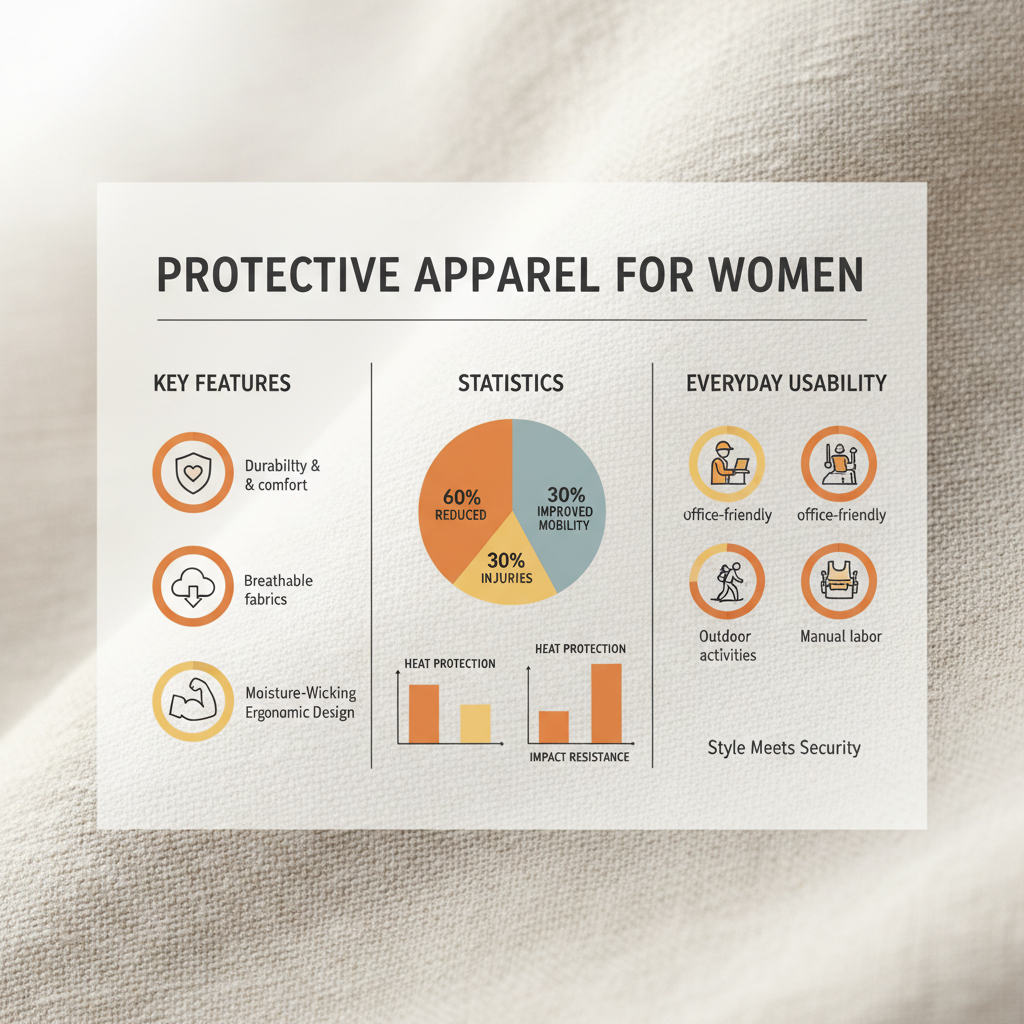
Conclusion: Empowering Women Through Proper Safety Gear
Investing in womens safety clothing is an investment in your workforce.
Providing women with comfortable, well-fitting safety clothing demonstrates a commitment to their well-being, increases productivity, and ultimately contributes to a safer work environment. Prioritizing proper fit and choosing garments designed specifically for the female form is essential for ensuring optimal protection and empowering women to perform their jobs safely and effectively.
Frequently Asked Questions (FAQs)
Where can I find reliable sizing charts for womens safety clothing?
Most reputable manufacturers of womens safety clothing provide detailed sizing charts on their websites. These charts typically include measurements for bust, waist, hips, and inseam. It’s crucial to take accurate measurements before ordering, as sizing can vary between brands. Look for charts that include conversion tables for different regions (e.g., US, UK, EU). Many online retailers also offer sizing guides or virtual fitting tools. Goodsafetyhelmet provides comprehensive sizing information for all products, ensuring customers can find the perfect fit.
What materials are best for womens safety clothing?
The best materials for womens safety clothing depend on the specific work environment. For high-visibility clothing, lightweight and breathable fabrics like polyester or nylon are common. For protection against cuts and abrasions, materials like reinforced denim or synthetic blends are ideal. Flame-resistant (FR) clothing often utilizes materials like treated cotton or Nomex. Moisture-wicking fabrics are beneficial for hot or humid conditions. It’s important to choose materials that provide the necessary level of protection while also ensuring comfort and breathability.
Are there specific certifications to look for in womens safety clothing?
Yes, several certifications ensure that safety clothing meets specific performance standards. Look for certifications like ANSI/ISEA 107 for high-visibility clothing, NFPA 2112 for flame-resistant clothing, and ASTM F2413 for safety footwear. These certifications indicate that the clothing has been tested and meets rigorous safety requirements. Ensuring that safety clothing is certified provides confidence that it will provide the intended level of protection.
How often should womens safety clothing be replaced?
The replacement frequency of safety clothing depends on several factors, including usage, wear and tear, and exposure to harsh conditions. High-visibility clothing should be replaced if the reflective material becomes damaged or faded. FR clothing should be replaced if it has been exposed to excessive heat or chemicals. Footwear should be replaced if the soles are worn or the upper is damaged. As a general guideline, safety clothing should be inspected regularly and replaced whenever it shows signs of wear or damage, or after a specified period (e.g., annually) even if no visible damage is present.
-
Industrial Protection Guide for Professional arco safety clothing
NewsApr.16,2026
-
The Ultimate Guide to Arc Safety Clothing for Electrical Protection
NewsApr.09,2026
-
Comprehensive Guide to Arc Flash Safety Clothing and Protection Measures
NewsApr.07,2026
-
American Safety Clothing Inc Your Premier Source for Workplace Safety Gear
NewsApr.04,2026
-
Comprehensive Guide to Womens Safety Clothing for Workplace Protection
NewsMar.31,2026
-
Comprehensive Guide to Selecting Optimal Waterproof Safety Clothing for Work
NewsMar.28,2026