
Comprehensive Guide to Selecting Optimal Waterproof Safety Clothing for Work
Choosing the Right Waterproof Safety Clothing: A Comprehensive Guide
Protecting yourself from the elements while maintaining workplace safety is paramount. Selecting the appropriate waterproof safety clothing is crucial, particularly in industries exposed to harsh weather conditions. This article delves into the key considerations when choosing waterproof workwear, including materials, standards, and applications. Ensuring your team is equipped with the right protective gear minimizes risks and maximizes productivity. Understanding the different options available allows you to make informed decisions for optimal safety and comfort.
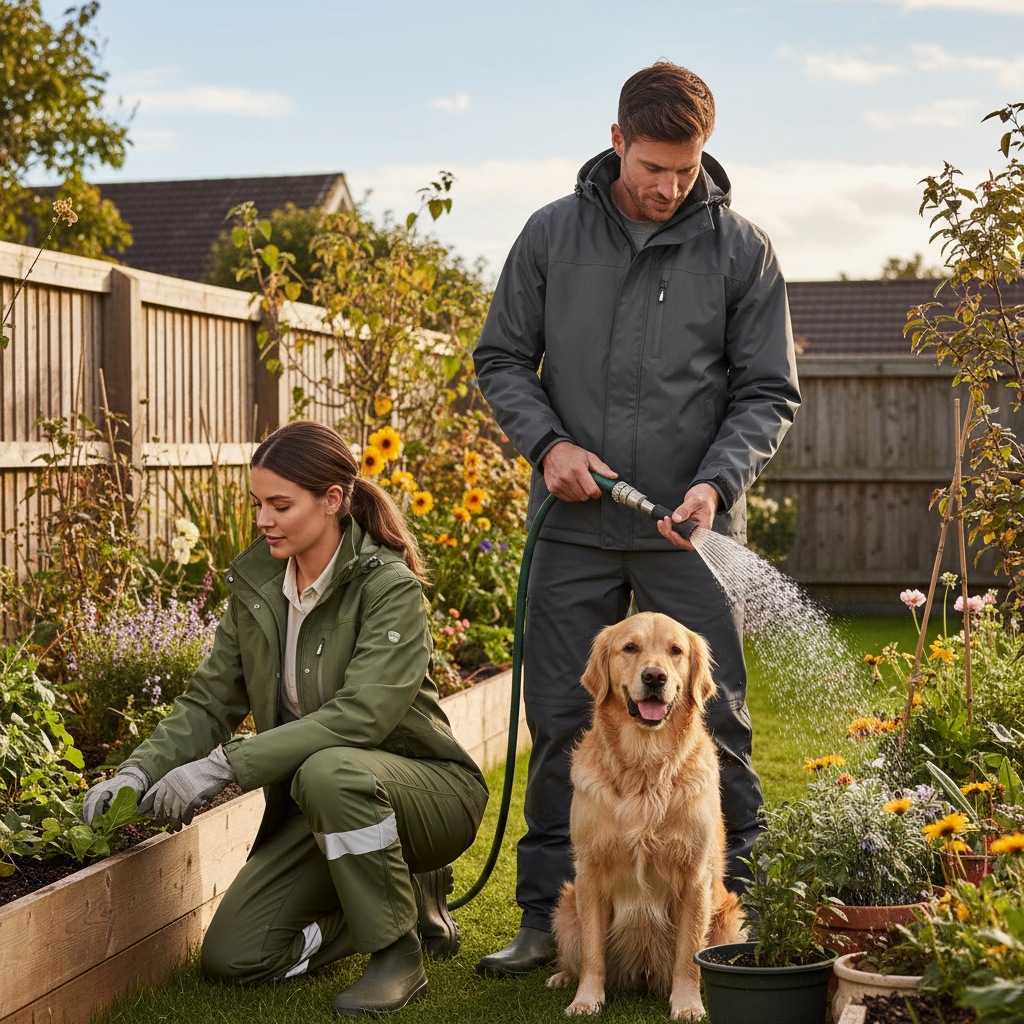
Understanding the Importance of Waterproof Safety Clothing
Waterproof safety clothing isn’t just about staying dry; it's about maintaining a safe working environment. Exposure to rain, sleet, or snow can lead to decreased dexterity, hypothermia, and increased risk of accidents. High-visibility waterproof gear is essential in low-light conditions, ensuring workers are seen by machinery and other personnel. Choosing clothing that meets relevant safety standards (like ANSI/ISEA 107 for high-visibility) is non-negotiable. Properly selected waterproof clothing provides a barrier against the elements, contributing to a safer and more productive workforce. Investing in quality gear demonstrates a commitment to employee well-being and can reduce costly incidents.
Key Takeaway: Waterproof safety clothing enhances worker safety by preventing hypothermia, improving visibility, and reducing accident risks in inclement weather.
Materials Used in Waterproof Safety Clothing
Several materials offer waterproof protection, each with its own benefits and drawbacks. PVC (Polyvinyl Chloride) is a cost-effective option, offering good water resistance but limited breathability. PU (Polyurethane) provides a lighter and more flexible alternative with better breathability. Gore-Tex and other breathable waterproof membranes offer superior performance, combining excellent water resistance with exceptional breathability. The choice of material depends on the level of protection needed, the intensity of the work, and the budget. Consider layering waterproof garments with breathable base layers for optimal comfort.
Material Comparison:
• PVC: Cost-effective, good water resistance, low breathability.
• PU: Lightweight, flexible, improved breathability.
• Gore-Tex: Superior waterproof and breathability, higher cost.
Key Considerations When Choosing Waterproof Safety Clothing
Several factors should influence your selection of waterproof safety clothing. First, consider the specific hazards of the work environment. Does the job require high-visibility features? Is chemical resistance necessary? Second, prioritize comfort and freedom of movement. Ill-fitting clothing can hinder performance and increase fatigue. Third, ensure the clothing meets relevant safety standards, such as ANSI/ISEA 107 for high-visibility garments. Finally, look for durable materials and construction that can withstand frequent use and washing. Investing in high-quality, well-fitted, and compliant clothing is a wise investment in worker safety and productivity.
Waterproof Safety Clothing Applications by Industry
The need for waterproof safety clothing varies significantly across industries. Construction workers require durable, high-visibility waterproof jackets and pants to protect against rain and potential hazards. Emergency responders need waterproof gear that allows for freedom of movement and provides reliable protection in extreme conditions. Agricultural workers need waterproof clothing that is also breathable and comfortable for long hours in the field. Marine workers require specialized waterproof clothing that is resistant to salt water and abrasion. Understanding the specific demands of each industry is critical for selecting the appropriate gear.
Proper Care and Maintenance of Waterproof Safety Clothing
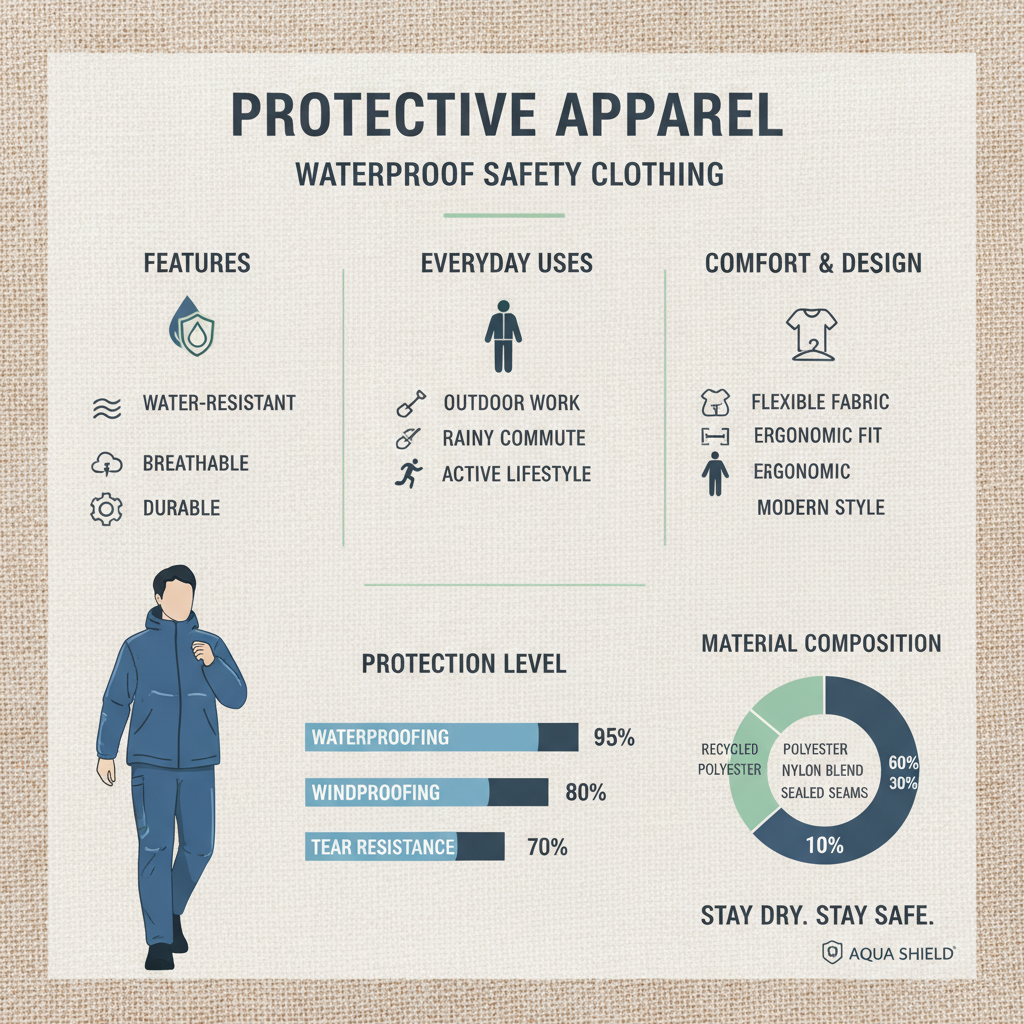
To maximize the lifespan and effectiveness of your waterproof safety clothing, proper care and maintenance are essential. Always follow the manufacturer's washing instructions. Avoid using harsh detergents or bleach, as these can damage the waterproof membrane. Regularly inspect the clothing for tears, punctures, or damage to the waterproof coating. Repair any damage promptly. Store clothing in a dry, well-ventilated area. With proper care, your waterproof safety clothing will provide reliable protection for years to come.
Conclusion: Investing in Quality Waterproof Safety Clothing
Investing in high-quality waterproof safety clothing is a crucial step in protecting your workforce and ensuring a safe and productive work environment. By considering the factors discussed in this article – materials, standards, applications, and maintenance – you can make informed decisions that prioritize worker well-being. Don't compromise on safety – choose the right waterproof gear for the job.
Frequently Asked Questions (FAQs)
What is the difference between waterproof and water-resistant clothing?
Waterproof clothing is designed to be completely impermeable to water, even under pressure. Water-resistant clothing, on the other hand, can repel water to some extent, but may allow some water to penetrate during heavy rainfall or prolonged exposure. Waterproof materials often utilize membranes like Gore-Tex, while water-resistant materials may rely on coatings or tighter weaves. The choice depends on the level of protection required for the specific work environment.
How often should waterproof safety clothing be replaced?
The replacement frequency depends on usage and wear. Generally, waterproof clothing should be inspected regularly for damage to the waterproof coating or membrane. If the water resistance diminishes significantly, or if there are visible signs of wear and tear, the clothing should be replaced. Typically, garments need replacing every 1-3 years with regular use.
What safety standards should I look for in waterproof clothing?
Look for clothing that meets relevant safety standards for your industry. For high-visibility applications, ANSI/ISEA 107 is the most important standard. Other standards may relate to chemical resistance, flame resistance, or arc flash protection. Ensuring compliance with these standards is crucial for worker safety and legal compliance.
How do I clean waterproof safety clothing without damaging it?
Always follow the manufacturer’s instructions. Generally, use a mild detergent and avoid using fabric softeners or bleach. Wash the clothing in a washing machine on a gentle cycle, and tumble dry on low heat. Avoid ironing, as this can damage the waterproof coating. Regularly re-applying a waterproof treatment can help maintain the garment’s water resistance.
-
Industrial Protection Guide for Professional arco safety clothing
NewsApr.16,2026
-
The Ultimate Guide to Arc Safety Clothing for Electrical Protection
NewsApr.09,2026
-
Comprehensive Guide to Arc Flash Safety Clothing and Protection Measures
NewsApr.07,2026
-
American Safety Clothing Inc Your Premier Source for Workplace Safety Gear
NewsApr.04,2026
-
Comprehensive Guide to Womens Safety Clothing for Workplace Protection
NewsMar.31,2026
-
Comprehensive Guide to Selecting Optimal Waterproof Safety Clothing for Work
NewsMar.28,2026