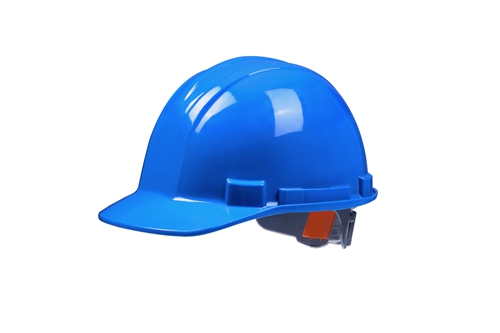
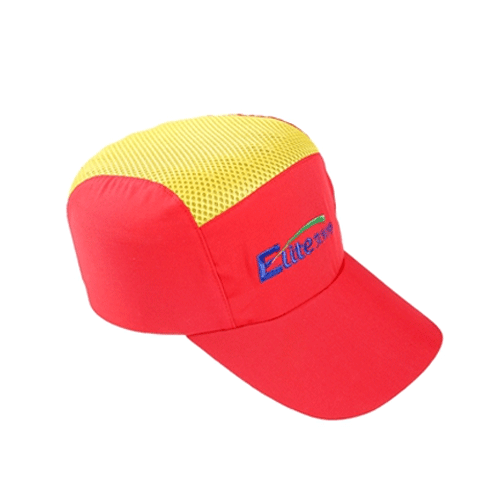
Premium industrial safety helmet Solutions for Egypt's Infrastructure

Advanced head protection engineered for the extreme climatic conditions and rigorous industrial standards of the Egyptian manufacturing and construction sectors.

Premium industrial safety helmet Solutions for Egypt's Infrastructure

Delivering high-impact resistance and ergonomic comfort to ensure maximum safety for workers across Egypt's diverse industrial landscapes, from Cairo's factories to the New Administrative Capital's construction sites.

Safety Protection Status in Egypt's Manufacturing Sector

Analyzing the intersection of environmental challenges and safety compliance in North Africa.

Egypt's manufacturing landscape, particularly in leather, footwear, and safety equipment production, faces a unique duality. While the government aggressively pushes for industrialization, the extreme heat and high UV index of the region put immense pressure on the materials used in a safety helmet, leading to premature degradation of standard plastics.

In the construction and heavy footwear manufacturing plants, the adoption of a high-quality construction helmet is increasingly mandatory. However, many local sites still struggle with balancing strict safety protocols with worker comfort in temperatures exceeding 40°C, necessitating gear with superior ventilation and sweat-wicking liners.

Furthermore, the Egyptian market is shifting from low-cost, non-certified imports to standardized equipment. There is a growing demand for a worker safety helmet that meets both European (EN) and American (ANSI) standards to support the export-oriented growth of the local leather and safety goods industry.
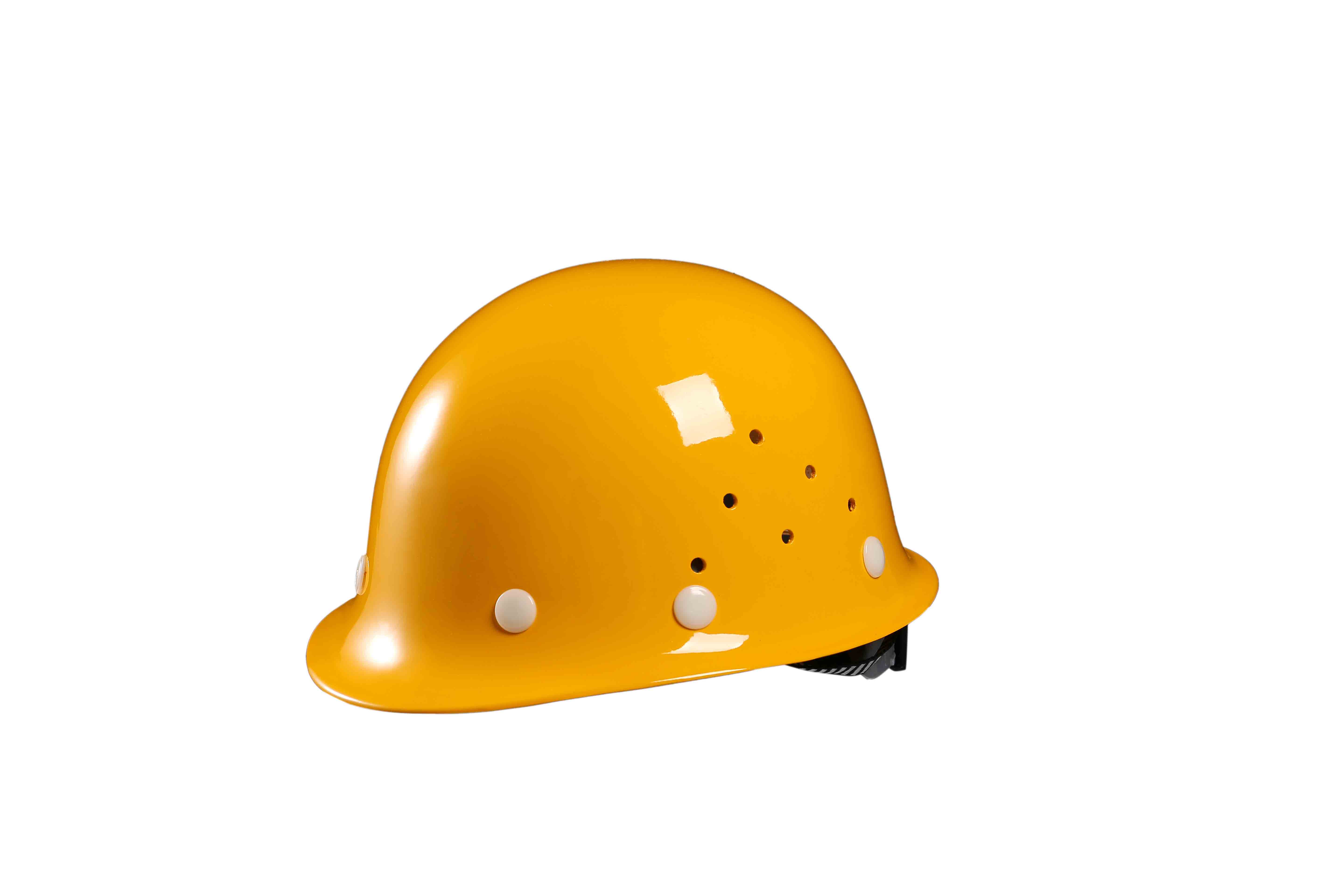
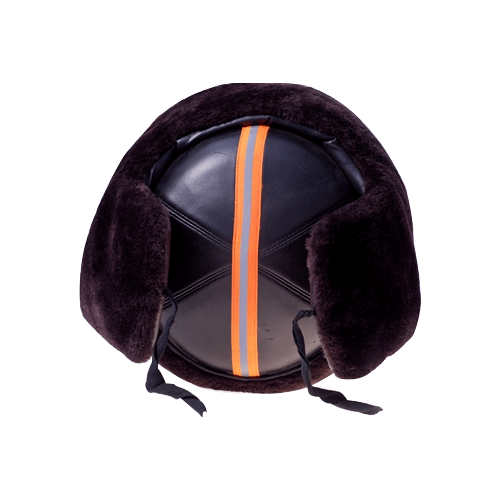
Evolution of Head Protection in Egypt

From basic shells to high-tech impact mitigation systems.

Market Development History

In the early 2000s, the Egyptian industrial sector relied primarily on basic HDPE shells. These early versions of the safety work helmet provided basic impact protection but lacked ergonomic suspension systems, often causing discomfort during long shifts in hot workshops.

Between 2010 and 2020, the focus shifted toward material science. The introduction of ABS plastics and reinforced polymers allowed for lighter yet stronger helmets. This era saw the integration of chin straps and adjustable ratchets, significantly improving the stability of the gear during complex construction maneuvers.

From 2021 to the present, Egypt has entered the era of specialized protection. The integration of antimicrobial liners and UV-resistant coatings has become standard, ensuring that safety equipment remains durable under the harsh Saharan sun while maintaining hygienic standards for the workforce.

Future Development Trends

Smart Integration & IoT

We expect a surge in "Smart Helmets" featuring integrated sensors for heat-stress monitoring and GPS tracking, crucial for large-scale infrastructure projects in Egypt.

Sustainable Bio-Polymers

Aligning with global green initiatives, the next 3-5 years will see a transition toward biodegradable or recycled polymers in helmet shell production to reduce industrial waste.

Enhanced Thermal Management

Future designs will incorporate advanced phase-change materials (PCM) to actively cool the wearer's head, directly addressing the thermal challenges of the Egyptian climate.

Industry Trends and Future Outlook

Strategic forecasts for the safety protection equipment market in Egypt.

Climate-Adaptive Materials
Development of UV-stabilized resins specifically for Egypt's high-solar radiation environment.
Standardization Shift
Transition from generic headgear to certified ANSI/EN rated industrial protection.
Ergonomic Customization
Focus on adjustable suspension systems to accommodate diverse workforce demographics.
Integrated Safety Ecosystems
Combining head protection with specialized leather safety footwear for full-body industrial safety.

Industry Outlook

Google search trends in Egypt indicate a rising volume for "industrial safety standards" and "certified PPE," suggesting that the market is moving away from price-centric purchasing toward value- and safety-centric procurement. This shift is driven by the expansion of the Suez Canal Economic Zone and other mega-projects.

In the next few years, the convergence of safety equipment manufacturing with smart technology will create a new niche. We predict that Egyptian firms will increasingly demand helmets that provide not only passive protection but also active health monitoring to prevent heatstroke in outdoor industrial environments.

Localized Application Scenarios in Egypt

Real-world deployments of our safety solutions across Egyptian industries.

01. Leather Tannery Operations in Cairo

In the chemical-heavy environment of leather tanning, we provide specialized helmets with chemical-resistant coatings to protect workers from corrosive splashes while maintaining airflow in humid conditions.

02. New Administrative Capital Construction

For high-rise developments, our high-impact construction helmets with reinforced chin straps ensure that workers remain protected even during sudden falls or high-wind gusts at altitude.

03. Heavy Footwear Manufacturing Plants

In the automated assembly lines of shoe factories, our lightweight worker safety helmets protect against machinery overhead without hindering the agility needed for fast-paced production.

04. Suez Canal Logistics Hubs

For port workers facing salt-air corrosion and intense sunlight, we deploy UV-stabilized industrial helmets that resist degradation from maritime saline environments.

05. Mining and Quarrying in the Eastern Desert

In extreme dust and heat, our helmets featuring integrated dust-filtration accessories and maximum ventilation are essential for the survival and safety of mining crews.

Brand Story

Global Development History of Hebei Pu Nuo Sen Safety Equipment Co., Ltd.

Foundation of Excellence

Established with a vision to eliminate workplace fatalities, we began by mastering the core polymers required for high-impact head protection.

Technological Breakthrough

We pioneered the integration of ergonomic suspension systems that reduced neck fatigue, a critical pain point in the safety equipment industry.

Global Certification Era

By achieving ANSI and EN certifications, we expanded our reach to the Middle East and Africa, ensuring our gear met the world's toughest safety laws.

Market Specialization

We developed dedicated product lines for the leather and footwear manufacturing sectors, solving the specific needs of specialized industrial workers.

Future-Proofing Safety

Today, we focus on sustainable materials and smart-sensing technology to lead the next generation of global industrial safety.

Egyptian Industrial Safety FAQs

Expert answers to common queries regarding head protection in the local market.

How do I choose the best industrial safety helmet for high-temperature environments in Egypt?

Look for helmets with high-density ventilation slots and UV-resistant ABS materials. Ensure the suspension system uses sweat-wicking fabrics to prevent heat exhaustion during summer peaks.

What certifications should a construction helmet have for Egyptian mega-projects?

For major infrastructure projects, it is recommended to use helmets that carry both EN 397 (European) and ANSI Z89.1 (American) certifications to ensure global safety compliance.

How often should a worker safety helmet be replaced in a leather factory?

In environments with chemical exposure, we recommend inspecting helmets monthly and replacing them every 2-3 years, or immediately after any significant impact.

Can a safety work helmet be modified for additional accessories?

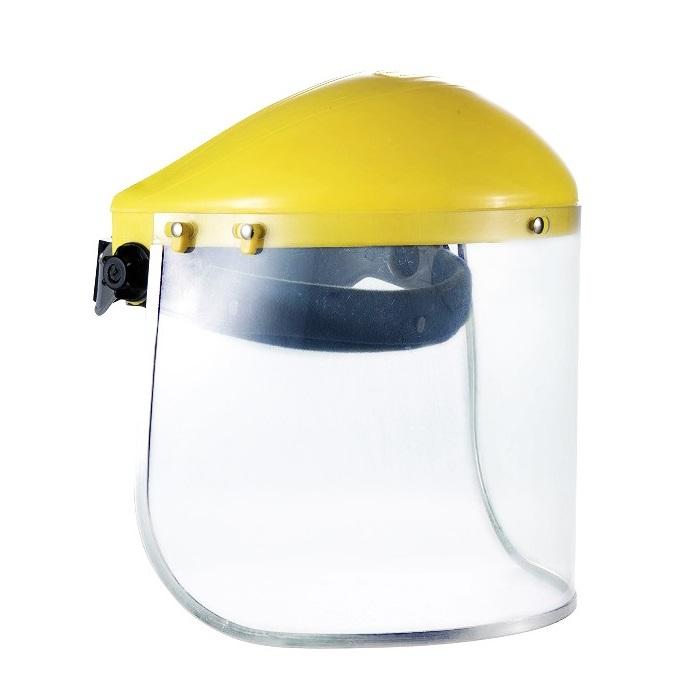
Yes, our professional range includes universal accessory slots for ear muffs, face shields, and lamp attachments, which are essential for diverse industrial tasks.

Does the color of the safety helmet signify different roles in Egyptian sites?

Generally, yes. White is for engineers/supervisors, yellow for general workers, and blue or red for specialized technicians or safety officers, though this may vary by company.

What is the most durable material for helmets used in Egypt's mining sector?

Reinforced ABS is highly recommended due to its superior impact resistance and ability to withstand the abrasive dust and extreme temperature fluctuations of the Eastern Desert.

Get Expert Safety Consultation

Ready to upgrade your industrial safety standards? Contact our specialists to find the perfect head protection tailored for the specific needs of Egypt.

Contact Us Now

If you are interested in our products, you can choose to leave your information here, and we will be in touch with you shortly.