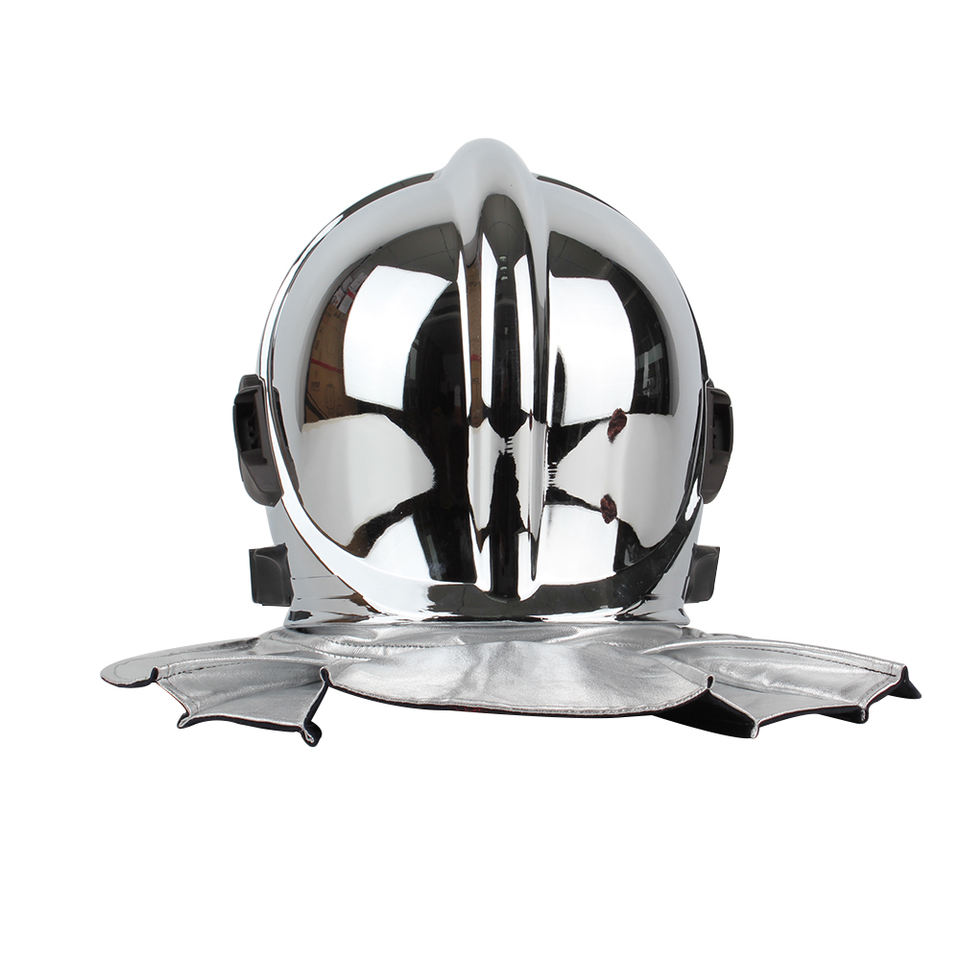
Advanced industrial safety helmet Solutions for Ecuador's Manufacturing Sector

Engineered for maximum protection in the demanding leather, footwear, and safety equipment manufacturing environments of Ecuador.

Advanced industrial safety helmet Solutions for Ecuador's Manufacturing Sector

Providing high-impact protection specifically designed for the technical requirements of the safety gear and footwear production industry in South America.

Current Safety Landscape in Ecuador's Industrial Sector

Analyzing the intersection of climate and manufacturing safety standards.

In Ecuador, the manufacturing of leather and safety footwear faces unique challenges due to high humidity and varying altitudes. The demand for a reliable safety helmet is driven by the integration of heavy machinery used in tanning and molding processes, where overhead hazards are prevalent.

Local factories are currently transitioning from basic protective gear to specialized worker safety helmet options that offer better ventilation. This is critical for workers in the coastal regions like Guayaquil, where heat stress can compromise safety if the equipment is too heavy or non-breathable.

Furthermore, the rise of safety protective equipment manufacturing within Ecuador has created a feedback loop, where domestic producers are now demanding higher international standards (ANSI/EN) for their own safety work helmet implementations to compete in the global export market.
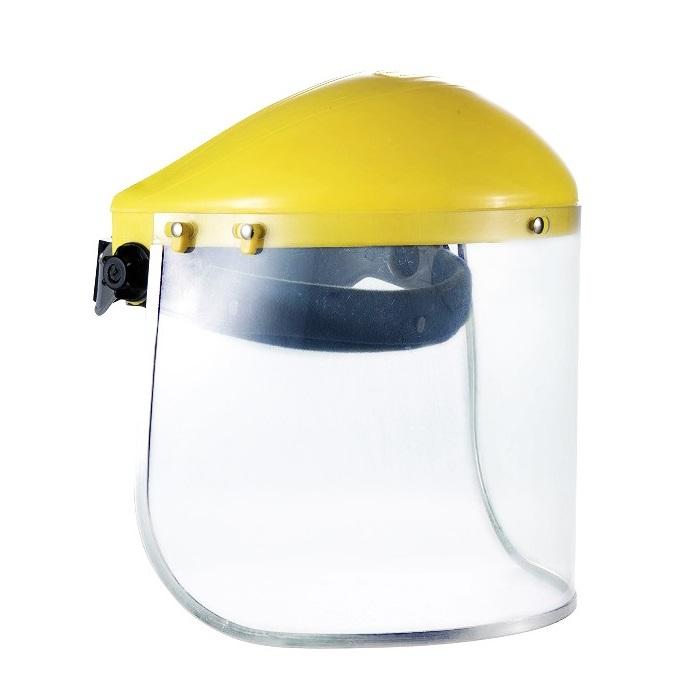
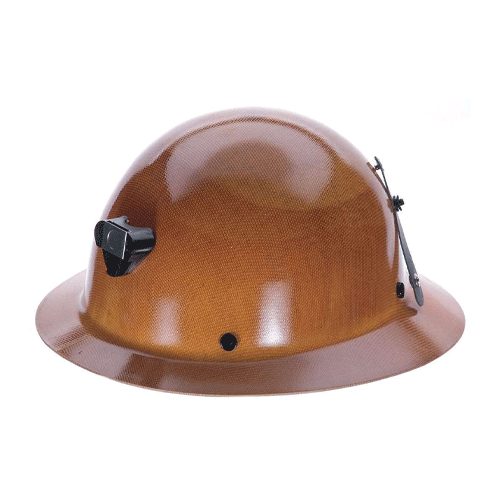
Evolution of Head Protection in Ecuadorian Manufacturing

From traditional leather caps to high-performance composite polymers.

Market Development History

Prior to 2010, head protection in the leather and footwear industry was often rudimentary, relying on basic plastic shells with minimal suspension systems that offered limited shock absorption.

Between 2010 and 2020, there was a significant shift toward the adoption of the construction helmet standards within factory settings. This era saw the introduction of HDPE (High-Density Polyethylene) materials that better withstood the chemical exposures common in leather tanning.

From 2020 to the present, the focus has shifted toward ergonomics and hybrid materials. The industry now prioritizes lightweight, antimicrobial liners to combat the fungal risks associated with humid manufacturing environments in the Andes and coastal plains.

Future Development Trends

Smart Integration

Incorporating IoT sensors into helmets to monitor heat stroke and impact alerts for workers in secluded factory zones.

Sustainable Polymers

Transitioning to bio-based plastics to align with Ecuador's growing green manufacturing initiatives in the textile and leather sectors.

Customized Ergonomics

Moving toward 3D-scanned head shapes to reduce pressure points during long shifts in high-precision safety gear production.

Industry Trends and Future Outlook for Head Protection

Strategic forecasting for the safety equipment market in South America.

Advanced Thermal Regulation
Development of active cooling systems to maintain worker productivity in Ecuador's tropical climates.
Impact-Adaptive Materials
Utilizing non-Newtonian fluids in liners to provide soft comfort and instant hardening upon impact.
Chemical Resistance Upgrade
New coatings to prevent polymer degradation from tanning acids used in leather processing.
Circular Economy Focus
Implementation of helmet recycling programs to reduce industrial plastic waste in Ecuador.

Industry Outlook

Based on Google search trends in the Andean region, there is a surging interest in "industrial safety standards" and "ergonomic PPE." We anticipate that the next 3-5 years will see a 25% increase in the demand for specialized safety gear that integrates seamlessly with other PPE like safety goggles and ear protection.

As Ecuador strengthens its position as a regional hub for high-quality leather and safety footwear, the internal demand for premium head protection will evolve from a regulatory requirement to a competitive advantage in worker retention and occupational health.

Localized Application Scenarios in Ecuador

Real-world deployment of safety headgear in specific Ecuadorian industrial contexts.

1. Leather Tanning Facilities in Ambato

Deployment of chemical-resistant shells to protect workers from accidental splashes and overhead piping leaks in the high-density tanning clusters of Ambato.

2. Industrial Footwear Assembly Lines in Quito

Use of lightweight, ventilated helmets for workers operating heavy hydraulic presses, ensuring protection without overheating in the thin mountain air.

3. Safety Equipment Testing Labs

Utilization of high-impact certified helmets during the stress-testing of new footwear safety prototypes to ensure a comprehensive safety environment.

4. Warehouse Logistics in Guayaquil Port

Implementation of high-visibility helmets for personnel managing the export of manufactured leather goods, preventing collisions in high-traffic loading zones.

5. Raw Material Processing Plants

Application of ruggedized headgear for workers handling heavy hides and raw materials where mechanical impact risks are constant.

Brand Story

Global Development Journey of Hebei Pusonsen Safety Equipment Co., Ltd.

Foundational Excellence

Established with a mission to eliminate industrial head injuries, focusing on the core science of impact absorption and polymer durability.

Technical Diversification

Expanding from basic shells to specialized gear for the leather and footwear manufacturing sectors, solving the pain point of chemical degradation.

Global Certification Era

Achieving worldwide safety certifications to ensure that every helmet produced meets the most stringent international safety laws.

Market Expansion to South America

Customizing product lines for the Ecuadorian market, focusing on tropical climate adaptation and local industrial needs.

Future-Proofing Safety

Investing in R&D for smart PPE, ensuring the safety of millions of workers through the integration of technology and material science.

Comprehensive Safety Gear Portfolio for Ecuador

A curated selection of head protection tailored for the footwear and leather manufacturing industry.

Common Questions Regarding Industrial Safety in Ecuador

Expert answers to the most frequent queries from local manufacturing managers.

Which industrial safety helmet is best for high-humidity leather factories?

We recommend helmets with advanced ventilation slots and moisture-wicking sweatbands to prevent skin irritation and maintain comfort in humid environments.

Do your worker safety helmet options comply with Ecuadorian safety regulations?

Yes, our products are manufactured to meet or exceed international ANSI and EN standards, which are widely accepted by safety inspectors in Ecuador.

How often should a safety work helmet be replaced in a chemical environment?

In leather tanning facilities where acids are present, we suggest a visual inspection every month and replacement every 2-3 years, or immediately after any significant impact.

Can a construction helmet be used in shoe manufacturing plants?

Yes, construction-grade helmets provide excellent top-impact protection, which is ideal for workers operating near overhead conveyors or machinery.

What is the best way to clean a safety helmet used in leather processing?

Use a mild soap and water solution. Avoid harsh chemical solvents that could degrade the polycarbonate or HDPE shell of the helmet.

Are there lightweight options for workers in Quito's high-altitude factories?

Absolutely. We offer specialized lightweight composite models that reduce neck strain and fatigue for workers in high-altitude industrial zones.

Secure Your Workforce Today

Partner with the leader in industrial head protection. We provide tailored safety solutions for all manufacturing needs across Ecuador.

Contact Us Now

If you are interested in our products, you can choose to leave your information here, and we will be in touch with you shortly.