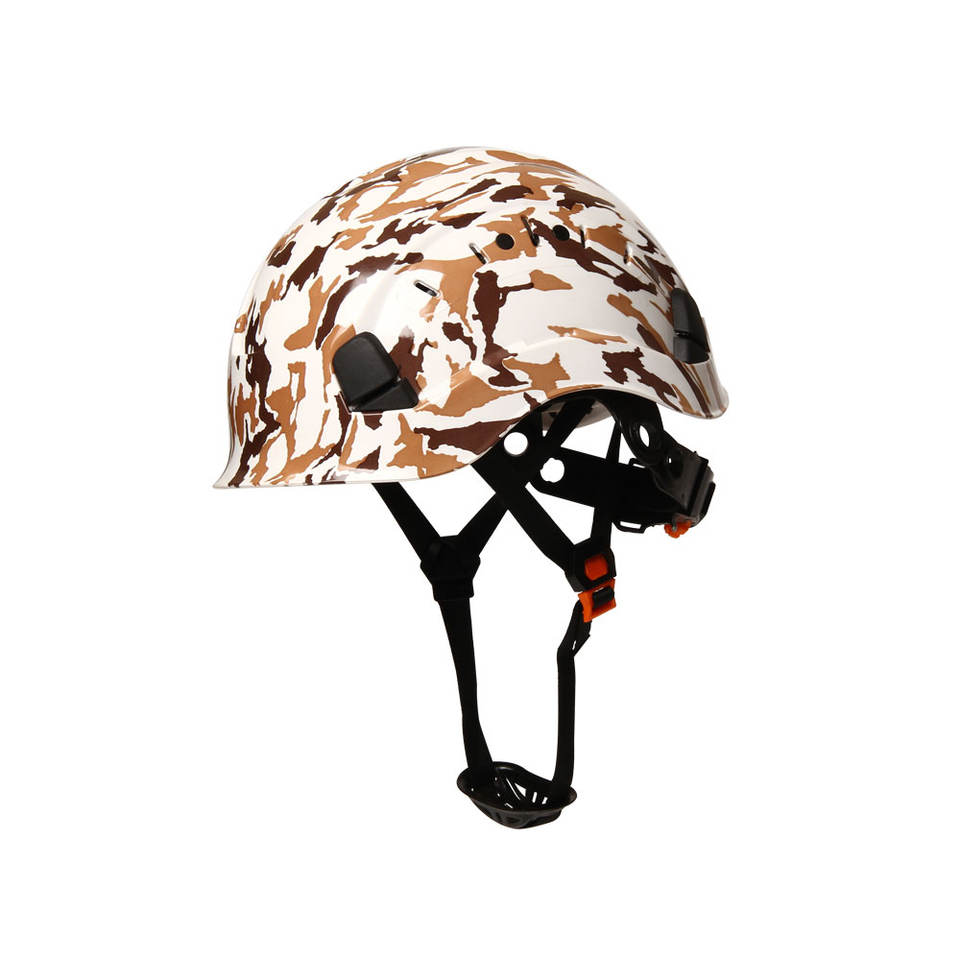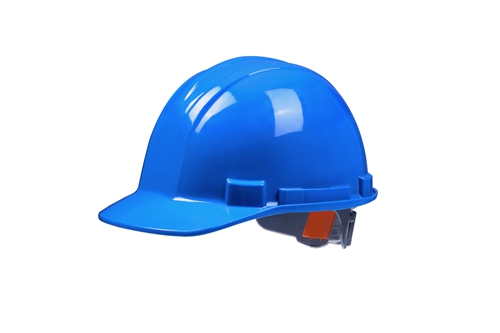

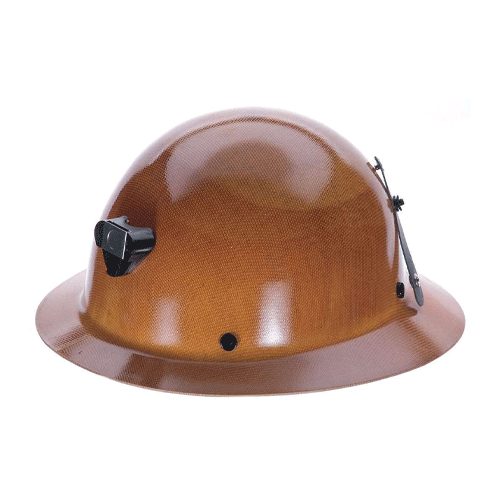
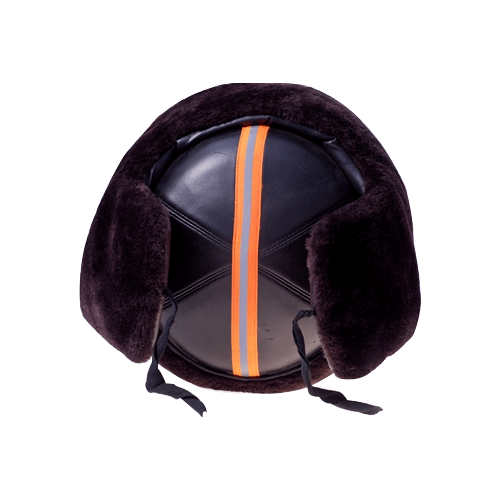
In Venezuela, the manufacturing sector—particularly leather and footwear production—operates under challenging economic conditions and high humidity. The demand for a reliable worker safety helmet is driven by the need to protect personnel from overhead hazards in aging industrial facilities where infrastructure maintenance is inconsistent.
The tropical climate of Venezuela necessitates gear that manages heat stress. Traditional heavy plastics are being replaced by ventilated materials that prevent heat stroke while maintaining structural integrity against mechanical impacts common in the assembly of safety footwear and protective gear.
Current market trends show a shift toward international certification standards. Local factories are increasingly seeking a safety work helmet that complies with both ANSI and EN standards to ensure export-grade safety compliance for their global supply chain partners.