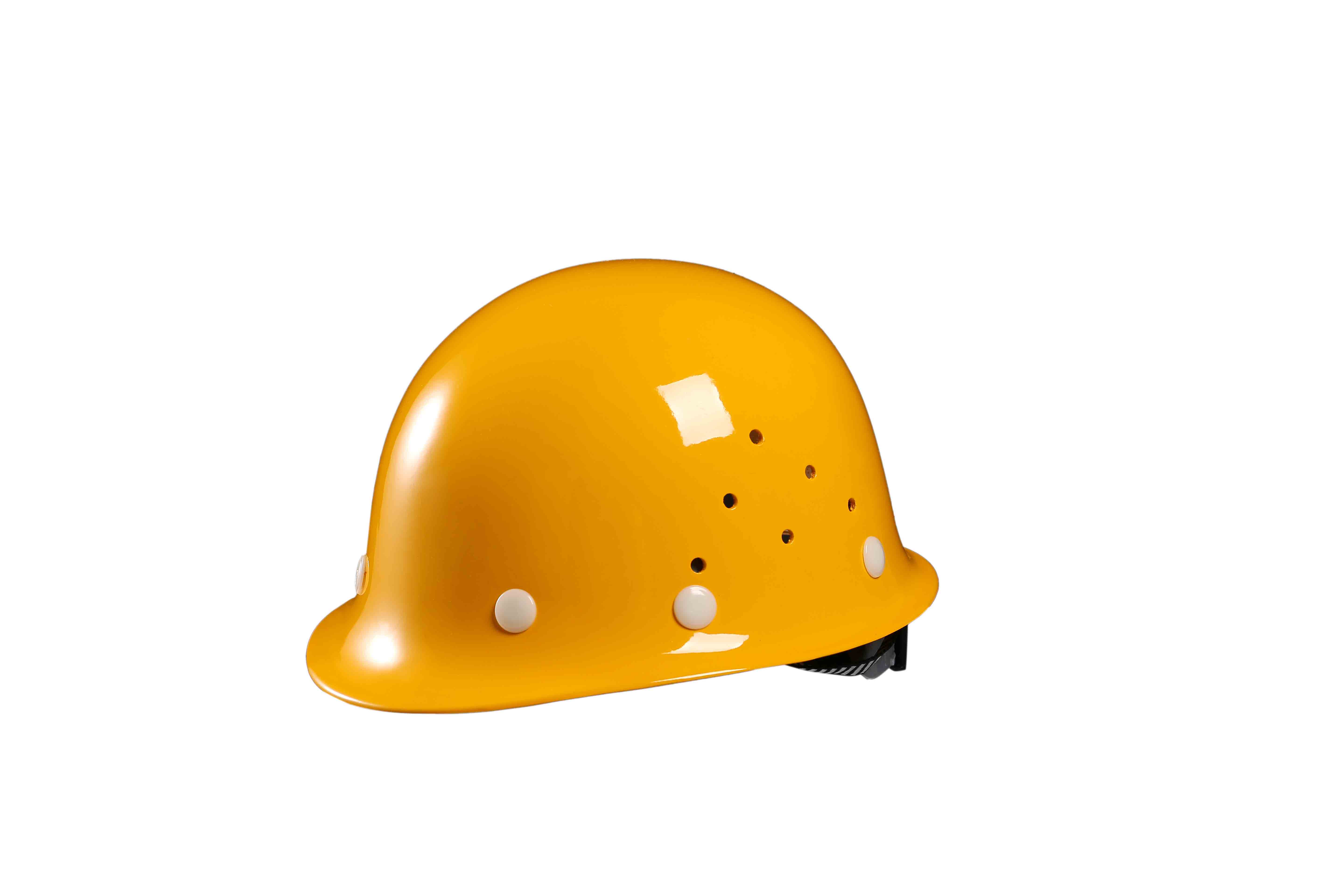
Premium industrial safety helmet Solutions for Chile's Mining and Manufacturing Sectors

Advanced head protection engineered for the rigorous demands of South American industrial environments, ensuring maximum worker safety and regulatory compliance.

Premium industrial safety helmet Solutions for Chile's Mining and Manufacturing Sectors

Providing world-class protective gear specifically designed for the leather, footwear, and heavy industrial manufacturing landscapes across Chile, combining durability with ergonomic design.

Current State of Industrial Safety in Chile

Analyzing the intersection of safety gear and Chile's unique industrial topography.

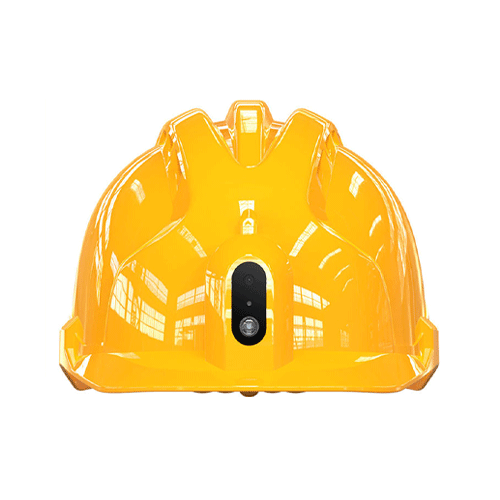
In Chile, the manufacturing of safety equipment must account for extreme geographical diversity. From the arid Atacama desert to the humid southern regions, a safety helmet must resist UV degradation and extreme temperature fluctuations while maintaining structural integrity during high-impact events.

The leather and footwear manufacturing sector in Chile has seen a shift toward integrated safety standards. Modern facilities now demand a worker safety helmet that not only protects against falling objects but also integrates seamlessly with other PPE, such as ear protection and face shields used in chemical tanning processes.

Current economic trends show an increased reliance on strict international certifications (ANSI/EN). Chilean firms are moving away from generic gear toward specialized safety work helmet options that offer better ventilation for high-humidity factory floors, reducing worker fatigue and increasing long-term productivity.
Evolution of Head Protection in Chilean Manufacturing

From traditional hard shells to smart protective systems.

Market Development History

Prior to the 1990s, the Chilean market relied heavily on basic plastic shells with minimal suspension systems. These early versions offered basic impact resistance but lacked the ergonomic comfort required for 12-hour shifts in footwear and leather factories.

Between 2000 and 2015, the industry transitioned to high-density polyethylene (HDPE) and ABS materials. This era saw the widespread adoption of the construction helmet as a benchmark for all industrial sites, introducing adjustable chin straps and better shock-absorption liners.

From 2016 to the present, the focus has shifted toward "Total Comfort" and "Specialized Function." We now see the integration of antimicrobial liners and lightweight composites that reduce neck strain, specifically tailored for the precision-heavy work in safety shoe manufacturing.

Future Development Trends

Integration of IoT Sensors

We predict a surge in helmets featuring impact sensors and heat-stress monitors to alert supervisors of potential worker collapses in deep-mining or high-heat factory settings.

Sustainable Bio-Composites

Driven by Chile's green energy goals, the next generation of helmets will utilize recycled polymers and bio-based resins to reduce the carbon footprint of PPE production.

Adaptive Ventilation Systems

Future designs will likely incorporate active airflow technology that adjusts based on the ambient temperature of the workshop, maintaining a constant microclimate for the wearer.

Future Trends and Strategic Outlook

Navigating the next frontier of industrial safety technology.

Smart Safety Integration
Implementation of real-time tracking and health monitoring within the helmet structure to prevent workplace accidents.
Material Optimization
Utilizing carbon-fiber reinforced polymers to reduce weight by 30% without compromising impact protection.
Ergonomic Customization
Developing modular internal suspension systems that can be adjusted for different head shapes to minimize pressure points.
Eco-Friendly Lifecycle
Implementing a circular economy model where old helmets are collected and recycled into industrial floor mats.

Industry Outlook

Based on Google search trends in the Southern Cone, there is a significant increase in queries for "lightweight industrial safety" and "breathable work helmets." This indicates a market shift where workers are no longer satisfied with mere protection, but demand comfort as a productivity driver.

Over the next 3-5 years, Chile will likely lead the region in adopting "Connected PPE." As the manufacturing of safety footwear becomes more automated, the accompanying head protection will evolve into a hub for communication and safety alerts, bridging the gap between human workers and automated machinery.

Localized Application Scenarios in Chile

Real-world deployment of safety headgear across diverse Chilean industrial sites.

1. Copper Mining Support Facilities

In the high-altitude mining hubs of Antofagasta, workers utilize high-impact helmets with specialized chin straps to prevent gear loss during steep incline operations and extreme wind conditions.

2. Industrial Leather Tanning Plants

Facilities in Central Chile employ chemical-resistant headgear that prevents corrosive splashes from reaching the scalp, integrated with ventilation to manage heat in tanning vats.

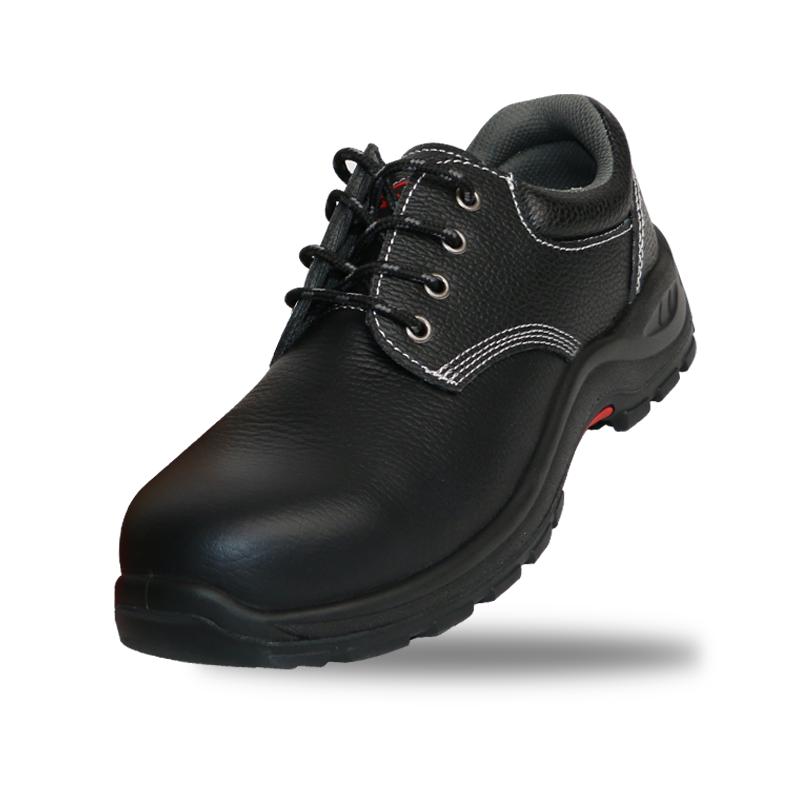
3. Safety Footwear Production Lines

Workers assembling reinforced toe-caps and safety soles use lightweight helmets that allow for high visibility and precision movement without obstructing the line of sight.

4. Logistics and Warehousing Centers

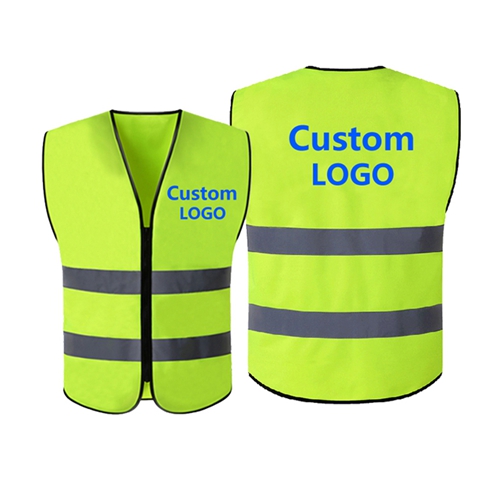
In the ports of Valparaíso, high-visibility helmets are mandatory to ensure worker safety amidst heavy forklift traffic and container loading operations.

5. Urban Infrastructure Projects

Across Santiago's expansion, the use of ventilated construction-grade helmets ensures that workers remain protected from falling debris while coping with urban heat islands.

Brand Story

Global Development Journey of Hebei Punosen Safety Equipment Co., Ltd.

Foundation and Vision

Started with a commitment to eliminate workplace fatalities, Punosen focused on the fundamental science of impact absorption for heavy industry.

Technical Breakthroughs

We pioneered the use of advanced thermoplastic alloys, significantly reducing helmet weight while increasing the energy-dispersion rate during impacts.

Global Certification

Expanding beyond domestic borders, we achieved full compliance with CE, ANSI, and ISO standards, enabling our entry into the demanding South American market.

Chilean Market Adaptation

We developed a specific product line for Chile, addressing the dual needs of mining durability and manufacturing ergonomics.

Sustainable Future

Today, Punosen leads the industry in eco-friendly PPE, ensuring that the protection of the worker does not come at the cost of the planet.

Common Questions on Safety Gear in Chile

Expert answers to the most frequent industrial safety queries.

Which industrial safety helmet certification is required for Chilean mining?

Most Chilean mining operations require helmets that meet ANSI Z89.1 or EN 397 standards, ensuring high impact resistance and electrical insulation.

How often should a worker safety helmet be replaced in manufacturing?

Generally, helmets should be replaced every 2-5 years, or immediately after any significant impact, regardless of visible damage.

Can a construction helmet be used in leather tanning factories?

Yes, provided the shell is made of chemical-resistant materials. However, specialized ventilation is recommended for high-humidity tanning environments.

What is the best safety work helmet for high-temperature workshops?

Look for models with advanced airflow vents and moisture-wicking internal suspension systems to reduce heat stress.

Do safety helmets in Chile need specific color coding for roles?

While not a legal requirement, many Chilean firms use white for supervisors, yellow for general workers, and red for safety officers.

How does UV exposure in the Atacama region affect safety gear?

Extreme UV can embrittle plastic. We use UV-stabilized polymers in our Chilean range to prevent premature degradation and cracking.

Secure Your Workforce Today

Get professional consultation on the best head protection standards for your operations in Chile.

Contact Us Now

If you are interested in our products, you can choose to leave your information here, and we will be in touch with you shortly.