OEM ABS Safety Helmet Material Selection Guide for Industrial Buyers
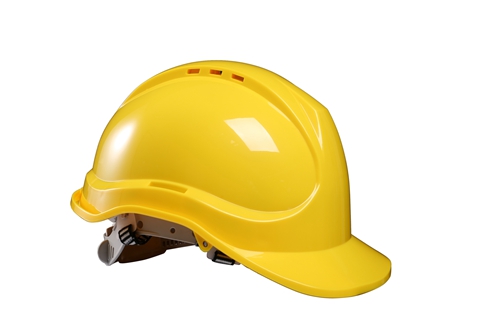
Safety managers and procurement officers evaluate industrial head protection by reviewing specific polymer characteristics rather than relying on promotional summaries. Selecting appropriate shell materials ensures helmets withstand high-impact hazards in manufacturing and construction environments.
This technical evaluation guides procurement decisions by examining polymer performance, structural integrity, and OEM customization requirements. Rigorous material assessment directly supports long-term operational safety and regulatory compliance.
ABS Polymer Fundamentals for High-Pressure Injection Molded Safety Shells
Polymer Synthesis and Molecular Composition
Acrylonitrile butadiene styrene operates as an amorphous thermoplastic terpolymer derived from three distinct monomer constituents. The polymerization process integrates styrene, acrylonitrile, and butadiene into a unified macromolecular network without forming crystalline domains.
Styrene constitutes the primary continuous phase, influencing the surface finish and dimensional stability of the injection molded safety shell. Acrylonitrile incorporates polar nitrile groups that interact with adjacent polymer chains, while butadiene forms an elastomeric rubber phase dispersed throughout the matrix to absorb blunt force energy under load.
Molded Shell Formation and Structural Foundation
High-pressure injection molding transforms the terpolymer pellets into protective safety shells by melting the resin at elevated temperatures and forcing the melt into precision steel molds. Rapid cooling solidifies the amorphous matrix, locking in the mechanical strength required for industrial headgear.
The resulting structural foundation depends entirely on uniform molecular distribution during the compounding stage. Variations in thermal profiles during molding directly alter the mechanical response of the shell when subjected to localized mechanical stress.
Monomer Ratio Distribution
Balancing the three constituent monomers dictates the final physical properties of the protective shell. Excess styrene increases brittleness, whereas excessive butadiene reduces tensile strength and dimensional stability under load.
Processing Parameters
Injection pressure, melt temperature, and mold cooling rates must be precisely controlled to prevent internal voids and uneven molecular orientation. These processing variables determine whether the molded component meets structural performance expectations across varied manufacturing environments.
Comparing ABS, HDPE, and Polycarbonate in Industrial Protection
Polymer Tiering and Mechanical Performance Baselines
Acrylonitrile butadiene styrene functions as an intermediate thermoplastic standard, bridging low-cost utility polymers and engineering resins for general manufacturing shells.
Rigidity and impact resistance determine how well a safety shell absorbs localized blows on active job sites. When balanced against raw material expenditure, this specific polymer profile meets the structural demands of general manufacturing without incurring the steep costs associated with premium engineering resins.
Comparative Analysis of Protective Shell Materials
The table below summarizes key qualitative differences among polymers utilized in industrial protective headgear, illustrating how material selection influences site deployment factors.
| Material | Price Tier | Moisture Suitability |
|---|---|---|
| Acrylonitrile butadiene styrene | Mid-to-high tier | Suitable for standard humid environments |
| High-density polyethylene | Economy tier | High resistance to moisture absorption |
| Polycarbonate | Premium tier | Stable under wet and corrosive conditions |
High-density polyethylene offers lower unit costs and excellent chemical resistance, but lacks the surface stiffness and load distribution characteristics required for heavy-duty overhead protection. Polycarbonate delivers superior impact absorption and thermal stability, yet its elevated price tier limits widespread adoption in bulk procurement scenarios where economy of scale is paramount.
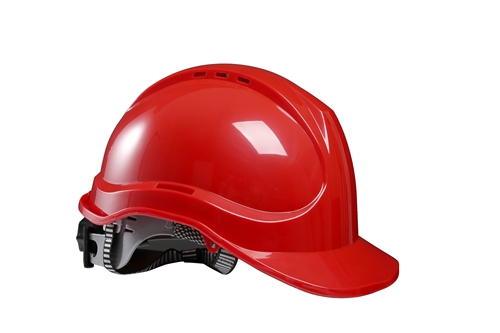
Environmental Exposure and Weight Trade-Offs
Site operating conditions dictate whether an amorphous shell maintains structural integrity over extended service intervals. Ultraviolet radiation exposure and persistent temperature fluctuations influence the degradation rate of untreated outer surfaces, making material stabilization a critical factor for outdoor construction crews.
Operational weight directly affects wearer fatigue during extended shifts, balancing mass reduction against structural thickness. Heavier shells often provide localized impact damping, but excessive weight increases neck strain during active physical labor across manufacturing facilities.
Structural Integrity and Mechanical Properties of ABS Helmets
Mechanical Performance under Operating Stress
Structural integrity depends heavily on how the amorphous thermoplastic matrix distributes external loads across the curved profile during site deployment. Safety managers evaluate whether the molded crown maintains energy absorption capacity after sustaining sudden impacts in heavy manufacturing plants.
Operating temperatures fluctuate across outdoor construction zones, altering the effective rigidity of protective headgear. Cold environments increase brittleness, whereas elevated ambient heat softens the polymer structure, shifting the balance between rigidity and energy absorption.
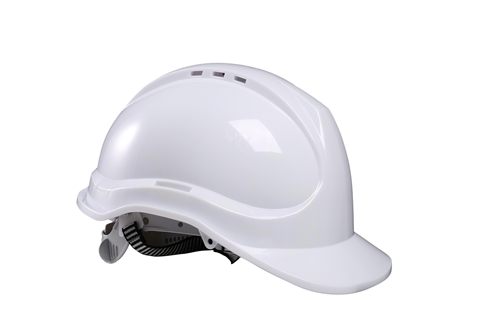
Balancing Rigidity and Operational Weight
Heavy-duty protective gear requires sufficient wall thickness to prevent localized puncture without imposing excessive fatigue on the wearer's neck muscles during extended shifts. Procurement officers analyze shell mass alongside impact mitigation thresholds to determine appropriate wear-time limits.
Excessive rigidity often reduces impact flexibility, making it essential to weigh stiffness against overall mass. The exact mass threshold depends on shell thickness, injection pressure parameters, and specific site safety mandates.
OEM Personalization Methods for Industrial Protective Headgear
Pad Printing and Multi-Color Screen Techniques
Applying corporate logos and visual branding to industrial protective headgear demands precise ink transfer methods that match the geometric contours of the molded shell. Pad printing utilizes a silicone transfer pad to lift ink from an etched printing plate and deposit it onto curved surfaces without distorting fine typographic details or sponsor emblems. Multi-color screen printing operates through mechanical alignment frames that press distinct pigment layers sequentially across broader crown sections for vibrant multi-tone designs. These mechanical decoration techniques allow brand owners to customize bulk shipments while maintaining clean edge definitions on complex safety helmet geometries.
Surface pretreatment determines whether applied inks bond permanently or flake off during routine site handling and weathering tests. Raw polymer surfaces exhibit low surface energy that repels standard solvent-based inks unless subjected to flame treatment, corona discharge, or specialized primer applications prior to printing. Establishing proper dyne levels on the shell exterior ensures molecular wetting occurs before the pigment cures under thermal or ultraviolet lamps. Skipping this crucial preparation step leads to premature delamination when helmets face harsh outdoor conditions or mechanical friction on active construction sites.
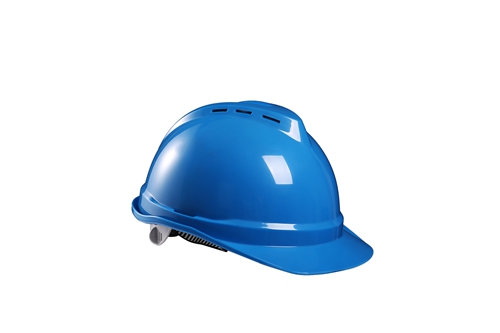
Preserving Molecular Integrity During Customization
Thermal and chemical exposure during the printing and curing stages must remain strictly controlled to prevent embrittlement or structural degradation of the underlying polymer matrix. Excessive heat from drying tunnels or aggressive solvent-carrier formulas can induce localized stress cracking that compromises the impact absorption capacity of the helmet. Maintaining strict temperature thresholds during ink curing safeguards the mechanical resilience required for heavy-duty industrial applications.
- Surface activation parameters depend directly on the specific resin grade and intended ink formulation.
- Curing temperatures must stay below the softening point of the thermoplastic terpolymer structure.
- Adhesion testing protocols verify bond strength through cross-hatch tape methods before bulk dispatch.
Procurement teams managing branded headgear orders must evaluate whether supplier decoration workshops maintain strict process controls for chemical compatibility. Unverified ink thinners or aggressive cleaning solvents can attack the amorphous chains of the polymer, turning an aesthetic customization into a structural liability. Ensuring that personalization processes protect the baseline integrity of the safety shell is essential for maintaining dependable field protection across demanding manufacturing environments.
CE Certification Status and European Market Distribution
Commercial distribution across member states within the European Economic Area obligates importers and distributors to verify that safety gear meets statutory market entry requirements.
CE certification is available for this product.
Purchasing agents reviewing import dossiers must request the required documentation files directly prior to confirming bulk consignments. Clearance documents are determined through direct consultation between buyer and supplier.
Import workflows must separate compliance documentation from operational testing results. Document packets provided by manufacturers outline conformity parameters for the polymer shell without requiring external standard references.
Import Documentation Verification
Importers manage compliance by aligning paperwork schedules with shipping lead times.
- Acquire compliance files prior to vessel departure.
- Verify that documentation matches ordered batch quantities.
- Archival storage of files satisfies internal audit requirements for brand owners.
Customs Clearance Protocols
Border authorities inspect technical dossiers based on destination market regulations and port congestion variables.
| Entry Channel | Required Verification Step | Primary Variable |
|---|---|---|
| Maritime Port | File review by local customs | Destination port queue length |
| Land Freight Hub | Border transit inspection | Regional transport schedules |
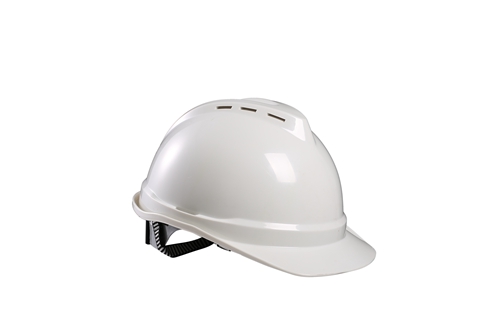
Decision Framework for Procuring Custom ABS Safety Helmets
Synthesizing polymer performance factors allows procurement officers to map mechanical requirements directly against operating site demands without relying on generalized promotional claims. Evaluating material behavior under specific environmental stressors ensures that bulk purchase orders match the intended mechanical endurance of industrial headgear.
Matching site conditions with material capabilities depends on whether the work environment involves sustained impact risks or chemical exposure hazards. Bulk procurement decisions rely on correlating the specific grade characteristics with verified product documentation.
Site Evaluation and Material Matching
| Operating Site Condition | Material Selection Factor | Procurement Action |
|---|---|---|
| General construction environments | Rigidity and impact resistance trade-offs define the operational envelope | Verify volume tiers based on destination port requirements |
| Moist or damp work sites | Moisture resistance and dimensional stability | Confirm documentation availability directly through supplier channels |
Finalizing custom headgear requirements involves establishing structured evaluation steps for OEM personalization and regional distribution compliance. Customization parameters and regulatory verification depend on direct consultation between the purchasing entity and the supplier.
Frequently Asked Questions
Acrylonitrile butadiene styrene functions as an amorphous thermoplastic terpolymer synthesized from styrene, acrylonitrile, and butadiene. This molecular composition provides a balanced mid-to-high-tier polymer standard for industrial protective helmets, combining structural rigidity and impact resistance for general construction and manufacturing environments. The elastomer phase absorbs blunt force energy, while the continuous phase maintains dimensional stability under variable load conditions.
Compared to alternative polymers, acrylonitrile butadiene styrene delivers a balanced mid-to-high-tier standard that bridges the gap between basic thermoplastics and high-cost engineering plastics. High-density polyethylene typically offers lower rigidity but strong chemical resistance, whereas polycarbonate provides higher impact resistance at a higher unit cost. Procurement officers select acrylonitrile butadiene styrene when balancing impact performance against material weight and cost constraints in general manufacturing and construction sites.
Shell rigidity directly influences blunt force distribution, but excessive rigidity can increase brittleness if monomer ratios are improperly balanced during the compounding stage. Operational weight affects wearer fatigue during extended shifts on site. Choosing acrylonitrile butadiene styrene helps maintain a controlled balance between structural protection and daily wearing comfort, provided operating temperatures remain within standard industrial thresholds determined by the specific polymer grade and wall thickness.
Pad printing and multi-color screen printing require specific surface treatments to ensure proper ink adhesion without degrading the underlying molecular network of the safety shell. Chemical priming or flame treatment removes surface tension barriers on the molded plastic, allowing corporate branding inks to bond securely. Procurement teams must verify that the chosen pre-treatment method does not weaken the impact performance of the shell during high-pressure injection molding post-processing.
Regulatory compliance for distribution within the European Economic Area is supported by the availability of CE certification for this product. Documentation is available directly from the supplier upon request. Specific clearance paperwork and documentation requirements for import depend directly on the destination market regulations and the agreed-upon shipping terms between the buyer and supplier.
Conclusion
Procurement Coordination Pathways
Finalizing custom industrial safety headgear requires direct liaison with suppliers to verify available compliance documentation and specific production parameters.
Customization timelines and batch pricing depend directly on the chosen surface treatment method, order volume, and destination port logistics.
Regulatory and Customization Verification
CE certification is available for this product, and corresponding files can be requested through direct communication channels. Meanwhile, pad printing or multi-color screen printing parameters vary based on order size and specific branding artwork.
Evaluating these variable operational factors early in the procurement cycle prevents delivery bottlenecks during full-scale manufacturing runs.