0%

Table of Contents

You know, I’ve been running around construction sites all year, dealing with dust, concrete, and a whole lot of headaches. The biggest buzz lately? It’s all about lightweight, high-strength materials for worker safety helmet. Everyone’s chasing that sweet spot – something that won’t weigh down the guys all day, but can still actually protect them. It sounds simple, but…trust me, it’s not.

To be honest, I've seen so many designs that look fantastic on paper, but fall apart the second you put them in a real-world situation. Like, a fancy-looking brim that curls up after a week in the sun. Have you noticed that? It’s always the little things, right? And then people complain about comfort, visibility, or… well, just everything.

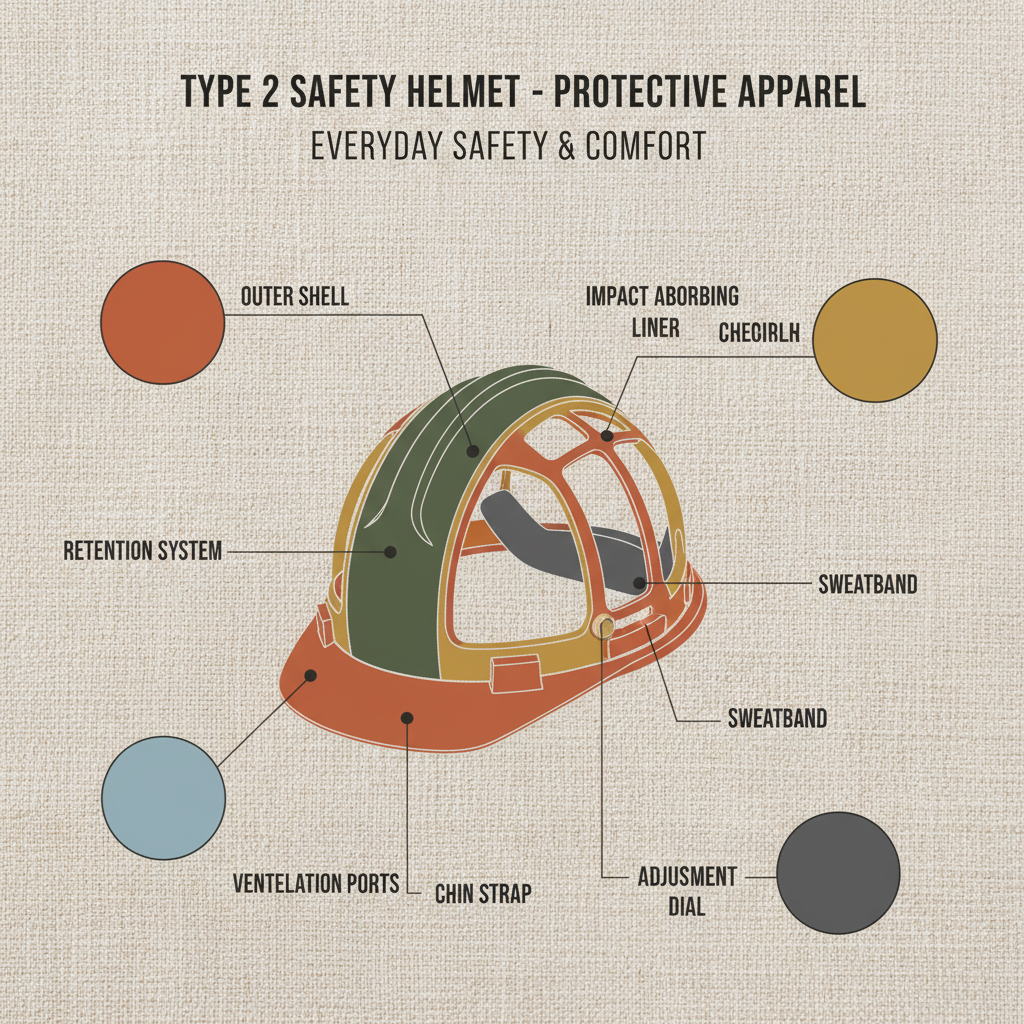
We primarily work with a high-density polyethylene (HDPE) shell. Feels kinda waxy to the touch, smells a little like plastic, but it's tough. Really tough. We also use expanded polystyrene (EPS) for the inner liner – you know, the stuff that cushions your head. It’s… kinda crumbly. You gotta be careful with it during assembly. And the straps? Usually nylon webbing, gotta make sure the buckles are good quality, I encountered a batch at a factory in Ningbo last time where the plastic just snapped under pressure. Scary stuff.
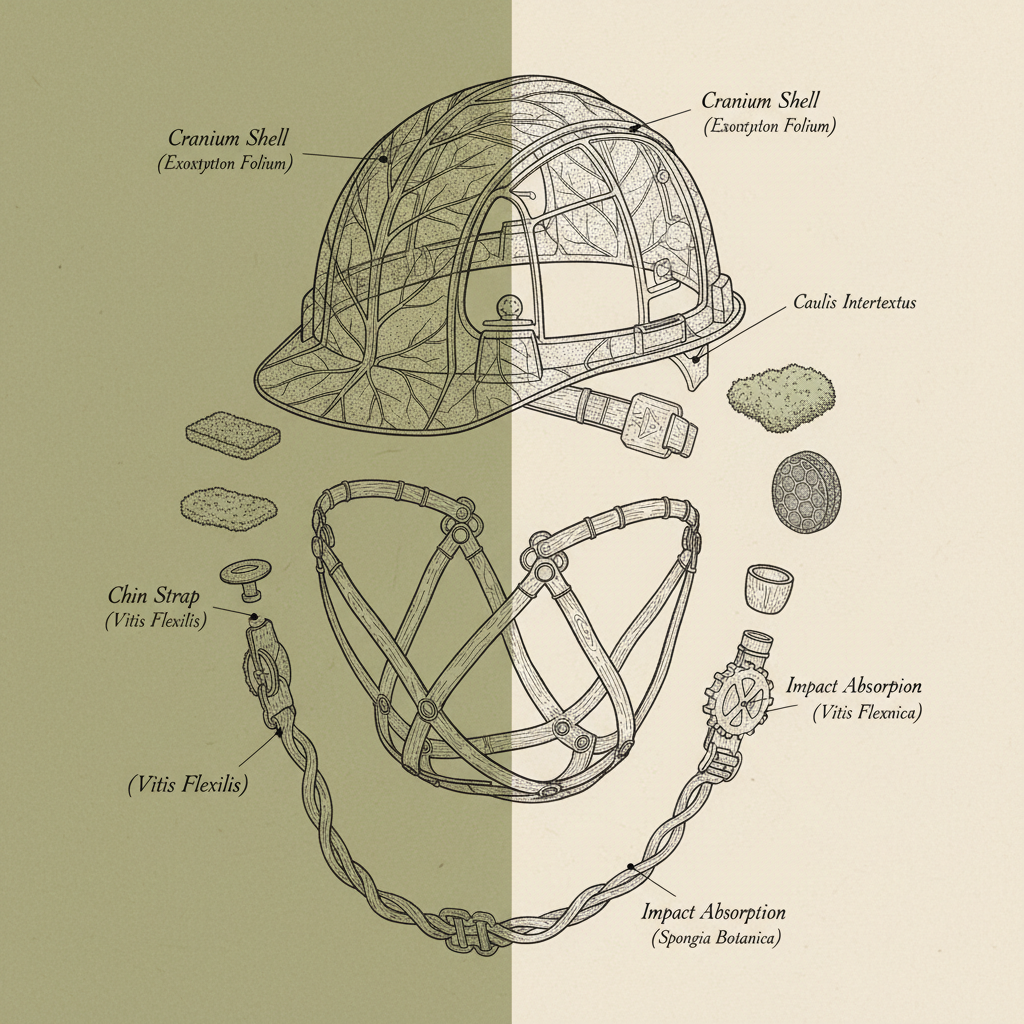
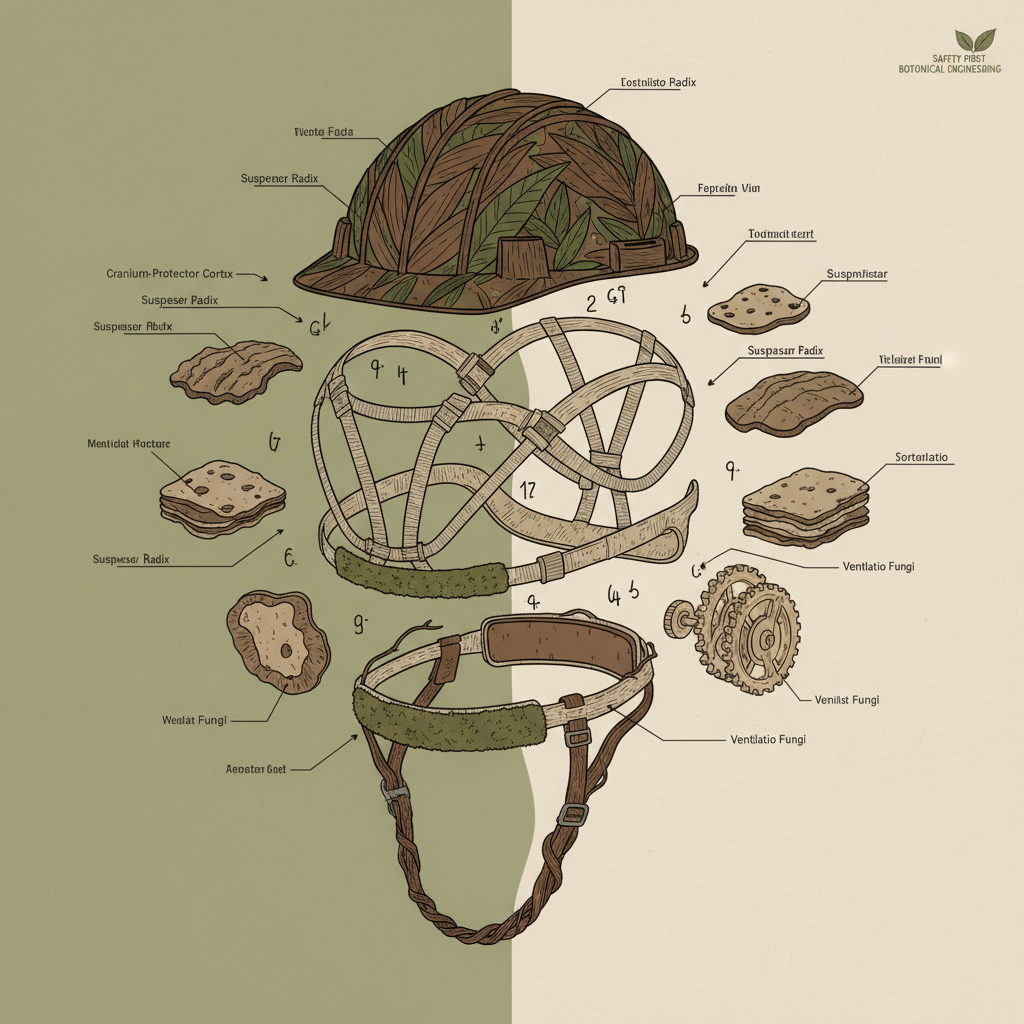
Advancements in Worker Safety Helmet Design and Material Science

Industry Trends & Design Pitfalls

Advancements in Worker Safety Helmet Design and Material Science

Strangely enough, integrated tech is becoming huge. We’re talking built-in lights, communication systems, even sensors. But honestly, adding more gadgets just adds more points of failure. I’ve seen guys completely disable the comms because the battery life was terrible. And don't even get me started on the weight. Anyway, I think keeping it simple is often the best approach.

One of the biggest pitfalls? Focusing too much on aesthetics and not enough on functionality. A helmet might look sleek, but if it doesn't fit properly, it's useless. And fitting… that's a whole other can of worms. You’ve got different head shapes, different hair lengths, different hat sizes…it's a nightmare.

Materials & Handling

Beyond HDPE and EPS, we’re also experimenting with carbon fiber reinforced polymers for higher-end models. It’s lightweight and incredibly strong, but expensive. And the dust from cutting it? Nasty stuff. Requires serious ventilation and proper protective gear. We also use different coatings for UV protection and abrasion resistance. Some feel kinda rubbery, some are more like a hard shell.

The key is knowing how the materials react in different conditions. Heat, cold, humidity… they all affect performance. I've seen EPS liners compress significantly in extreme heat, reducing the helmet’s effectiveness. We’ve started using a higher-density EPS for those applications, but it adds weight. It's a constant trade-off.

And handling… well, you gotta treat them with respect. Dropping a helmet, even a short distance, can compromise its structural integrity. We have strict quality control procedures to catch any damage before they reach the workers.

Testing: Beyond the Lab

Lab tests are important, sure. Impact testing, penetration resistance, flammability… the standard stuff. But that’s not the whole story. You need to see how these worker safety helmet perform in real conditions.

We work with construction crews to get feedback on durability, comfort, and visibility. We’ve even had guys deliberately try to break them – not encouraged, obviously, but it happens. We’ve put them through simulated weather conditions: rain, snow, intense sunlight.

One of the best tests? Just letting the workers use them for a week and then asking them what they think. You’ll get brutally honest feedback. And that’s gold.

Real-World Usage

This is where things get interesting. You design a helmet for a specific purpose, but users always find new ways to use (or misuse) it. I once saw a guy using his helmet as a makeshift bucket to carry water. Not exactly what we intended!

What I’ve noticed is that comfort is king. If a helmet isn’t comfortable, guys will find ways to modify it, which often compromises its safety. They’ll add padding, adjust the straps, even cut holes for ventilation. We try to address these needs in the design phase, but it’s a constant battle.

Worker Safety Helmet Performance Metrics


Advantages & Disadvantages

The biggest advantage of a good worker safety helmet? Peace of mind. Knowing that you’re doing everything you can to protect your workers. And a good helmet will protect them. But here's the thing, it's not foolproof. Nothing is.

The downside? Well, cost is always a factor. High-quality materials and rigorous testing add up. And some guys just don't like wearing them. They say they're uncomfortable, they restrict their vision, they get in the way. Getting them to comply with safety regulations can be a constant battle.

Customization Options

We offer a range of customization options. Colors, logos, reflective tape, different visor attachments… you name it. One of the more unusual requests we got recently was from a mining company that wanted to integrate a proximity sensor into the helmet to warn workers when they were getting too close to heavy machinery.

Last month, that small boss in Shenzhen who makes smart home devices insisted on changing the interface to , and the result was a complete disaster. He said it was "future-proof," but it turned out the charging cables were too fragile for the job site. He ended up going back to micro-USB. Sometimes, sticking with what works is the smartest move.

A Customer Story

We had a client, a solar panel installer, who was complaining about glare. His guys were working on rooftops all day, and the sun was killing them. He asked if we could develop a helmet with a polarized visor. Took some time, some trial and error, but we came up with a solution that dramatically reduced glare and improved visibility. He was over the moon.

He ended up ordering helmets for his entire crew. Said it boosted their productivity and reduced eye strain. Those kinds of stories… that’s what makes it all worthwhile. It’s not just about selling a product; it’s about making a difference in people’s lives.

It's the small victories, you know?

Summary of worker safety helmet key attributes.

Material Weight (grams) Impact Rating Comfort Level (1-10)
HDPE 350 EN397 7
Carbon Fiber 280 EN397 8
ABS Plastic 400 ANSI Z89.1 6
Polycarbonate 320 EN397 7
HDPE w/ Visor 380 EN397 6
Carbon Fiber w/ Tech 310 EN397 9

FAQS

What is the lifespan of a worker safety helmet?

Most manufacturers recommend replacing a worker safety helmet every 3-5 years, even if it shows no visible signs of damage. This is because the materials degrade over time due to UV exposure and general wear and tear. It’s a good idea to have a regular inspection and replacement program in place to ensure workers are always protected.

How important is proper fit with a worker safety helmet?

Proper fit is crucial. A helmet that’s too loose won’t provide adequate protection in an impact, and one that’s too tight can be uncomfortable and distracting. We recommend measuring the head circumference and adjusting the helmet’s suspension system to ensure a snug, secure fit. There’s usually a chin strap to further secure it.

Can a worker safety helmet be cleaned and maintained?

Yes, absolutely! Regular cleaning is important. Use mild soap and water to remove dirt, sweat, and debris. Avoid using harsh chemicals or solvents, as these can damage the helmet’s materials. Store the helmet in a cool, dry place away from direct sunlight. And inspect it regularly for any signs of damage.

What safety standards do worker safety helmets need to meet?

Worker safety helmets must meet specific safety standards, depending on the region and application. Common standards include EN397 (Europe), ANSI Z89.1 (USA), and AS/NZS 1801 (Australia/New Zealand). These standards specify requirements for impact resistance, penetration resistance, and other important safety features. Always look for the certification mark on the helmet.

What about adding accessories to a worker safety helmet?

Accessories like face shields, ear muffs, and headlamps can enhance the protection and usability of a worker safety helmet. However, it’s important to make sure that any accessories are compatible with the helmet and don’t compromise its safety rating. Always follow the manufacturer’s instructions for attaching and using accessories.

Are expensive worker safety helmets always better?

Not necessarily. Price doesn't always equate to quality or suitability. A more expensive helmet might have additional features, like advanced materials or integrated technology, but a simpler, less expensive helmet can still provide excellent protection if it meets the relevant safety standards and fits properly. It really depends on the specific needs of the job.

Conclusion

Ultimately, whether it’s the materials, the testing, the customization, or the real-world feedback, it all boils down to one thing: protecting the people who wear these things. A worker safety helmet isn’t just a piece of equipment; it’s a lifeline. And it needs to be reliable, comfortable, and, above all, safe.

We'll keep pushing for better materials, better designs, and better testing methods. But ultimately, whether this thing works or not, the worker will know the moment he tightens the screw. That’s the real test, and that’s what keeps us going.

Caleb Thornton

Caleb Thornton

Caleb Thornton is a Product Development Associate at Hebei PuNuosen Safety Equipment Co., Ltd., focusing on researching and integrating sustainable materials into our PPE offerings. Driven by a commitment to environmental responsibility, Caleb actively investigates biodegradable alternatives and eco-friendly manufacturing processes. He works closely with the factory to ensure strict
Previous Optimizing Worker Safety with Modern Ventilate Helmet Design and Performance
Next Essential Insights into Modern Hard Hats and Worker Safety