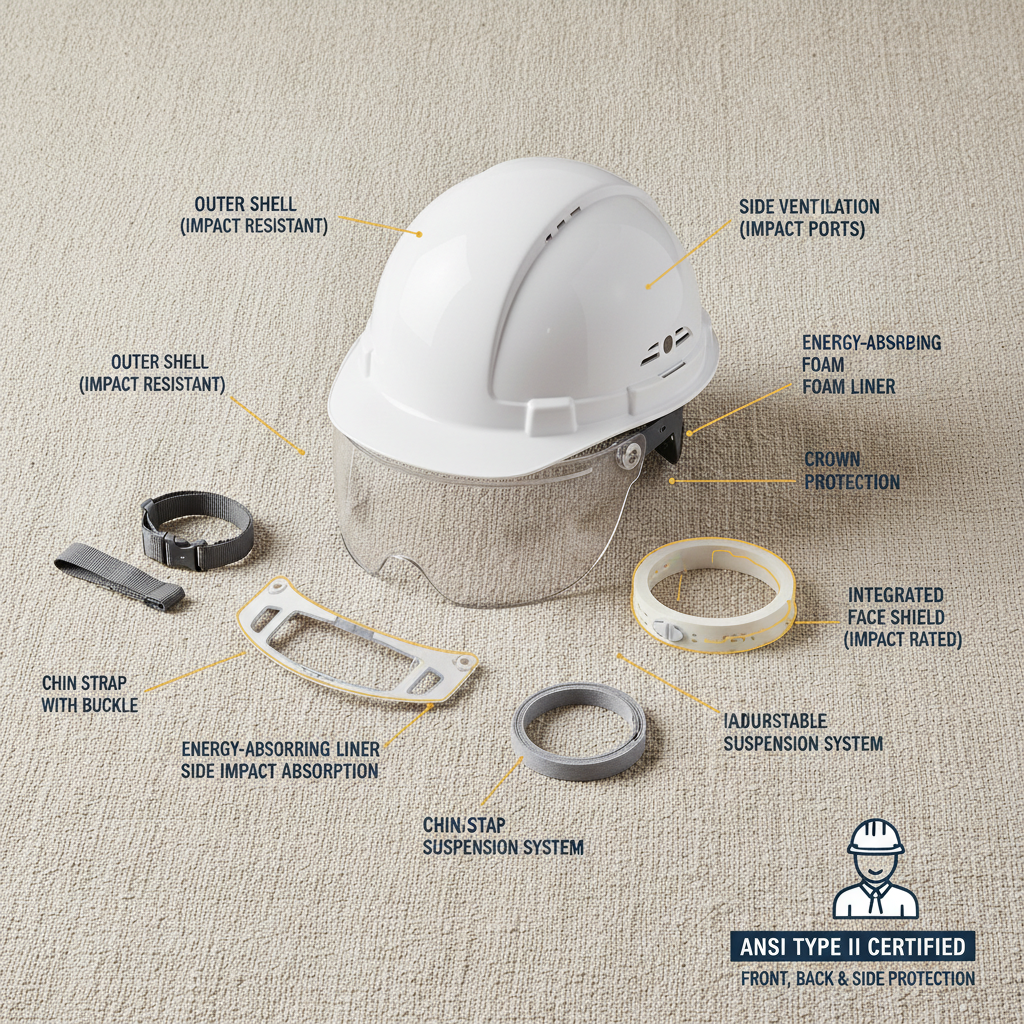
The importance of head protection in various industries and emergency situations cannot be overstated. The type 2 safety helmet stands as a crucial component of personal protective equipment (PPE), designed to mitigate the risk of head injuries. Globally, workplace accidents and disaster scenarios necessitate robust head protection solutions, impacting worker safety, rescue operations, and overall public health. Understanding the nuances of these helmets – their construction, capabilities, and limitations – is paramount for ensuring effective protection.
The demand for reliable head protection is driven by stringent safety regulations across numerous sectors, including construction, manufacturing, mining, and emergency response. Statistics from organizations like the International Labour Organization (ILO) and the Occupational Safety and Health Administration (OSHA) highlight the significant number of head injuries sustained annually, emphasizing the need for preventative measures. A well-designed type 2 safety helmet isn’t merely a compliance requirement; it’s a vital safeguard against life-altering consequences.
The increasing frequency of natural disasters and industrial incidents worldwide further elevates the importance of readily available and effective head protection. From post-earthquake rescue efforts to mitigating risks in hazardous work environments, a dependable type 2 safety helmet can be the difference between life and death, or a temporary injury and a permanent disability.
Defining the Type 2 Safety Helmet
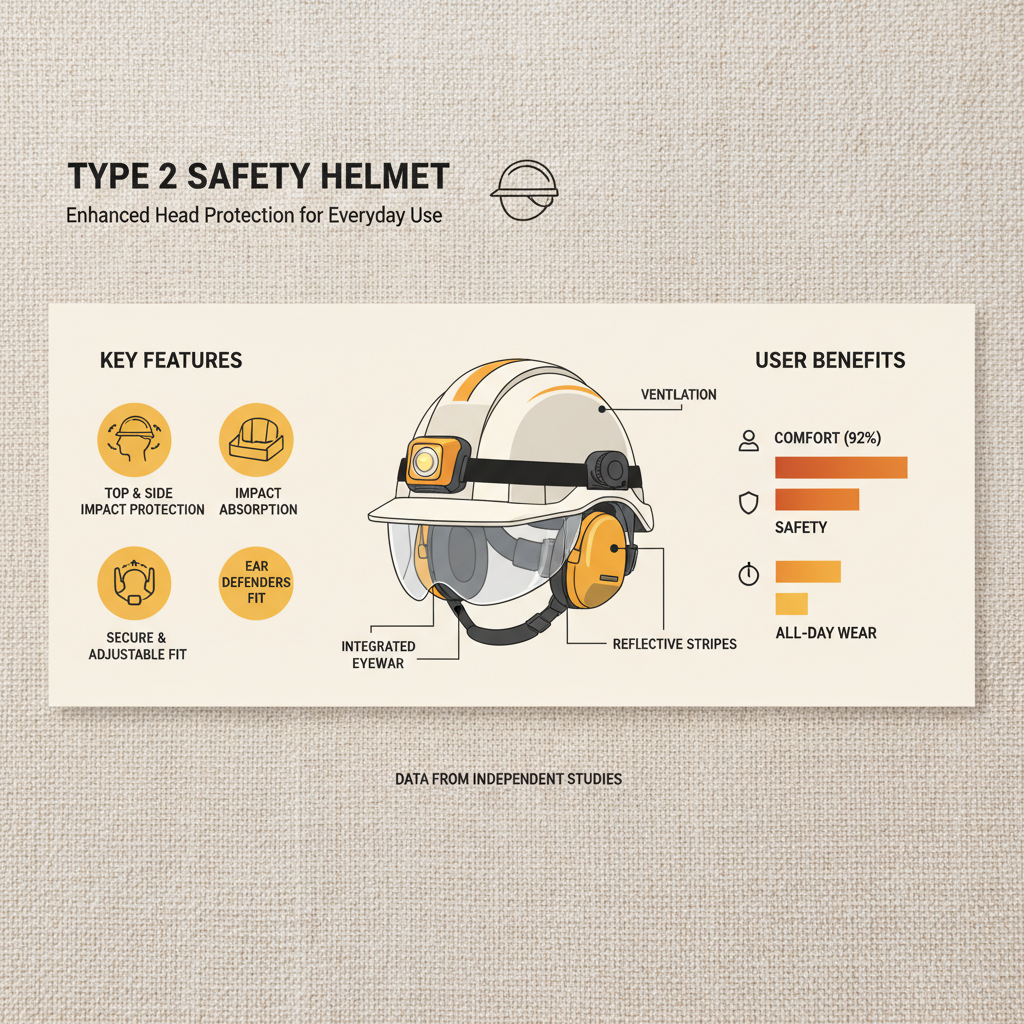
A type 2 safety helmet is specifically engineered to provide protection against both impacts from above and lateral impacts, making it a more versatile option compared to Type I helmets which only protect against top impacts. This increased level of protection is essential in environments where the risk of side impacts is significant, such as in forestry work or certain construction tasks.
This design is critical in modern industries and humanitarian efforts. Type 2 helmets are not just about compliance with safety standards; they represent a commitment to protecting individuals in potentially hazardous situations, whether it’s a construction worker on a building site, a firefighter responding to an emergency, or a rescue worker navigating a disaster zone.
Global Relevance and Industry Standards
The global need for effective head protection is underscored by the prevalence of workplace injuries and the increasing focus on worker safety standards internationally. Organizations like the International Organization for Standardization (ISO) and national bodies like ANSI (American National Standards Institute) establish stringent criteria for helmet performance, ensuring a baseline level of protection across different regions. Type 2 safety helmet manufacturing and usage are heavily influenced by these standards.
Different countries and industries may have varying regulations regarding helmet requirements, but the core principle remains the same: minimizing the risk of head injuries. The enforcement of these standards is crucial, and it often involves regular inspections, training programs, and the implementation of robust safety protocols within organizations. This standardization facilitates international trade and ensures consistent protection levels for workers worldwide.
The push for improved safety standards is driven not only by regulatory bodies but also by a growing awareness among workers and employers about the importance of PPE. Companies are increasingly recognizing that investing in high-quality safety equipment, including type 2 safety helmets, can lead to reduced accident rates, lower insurance costs, and increased employee morale.
Key Characteristics of Type 2 Helmets
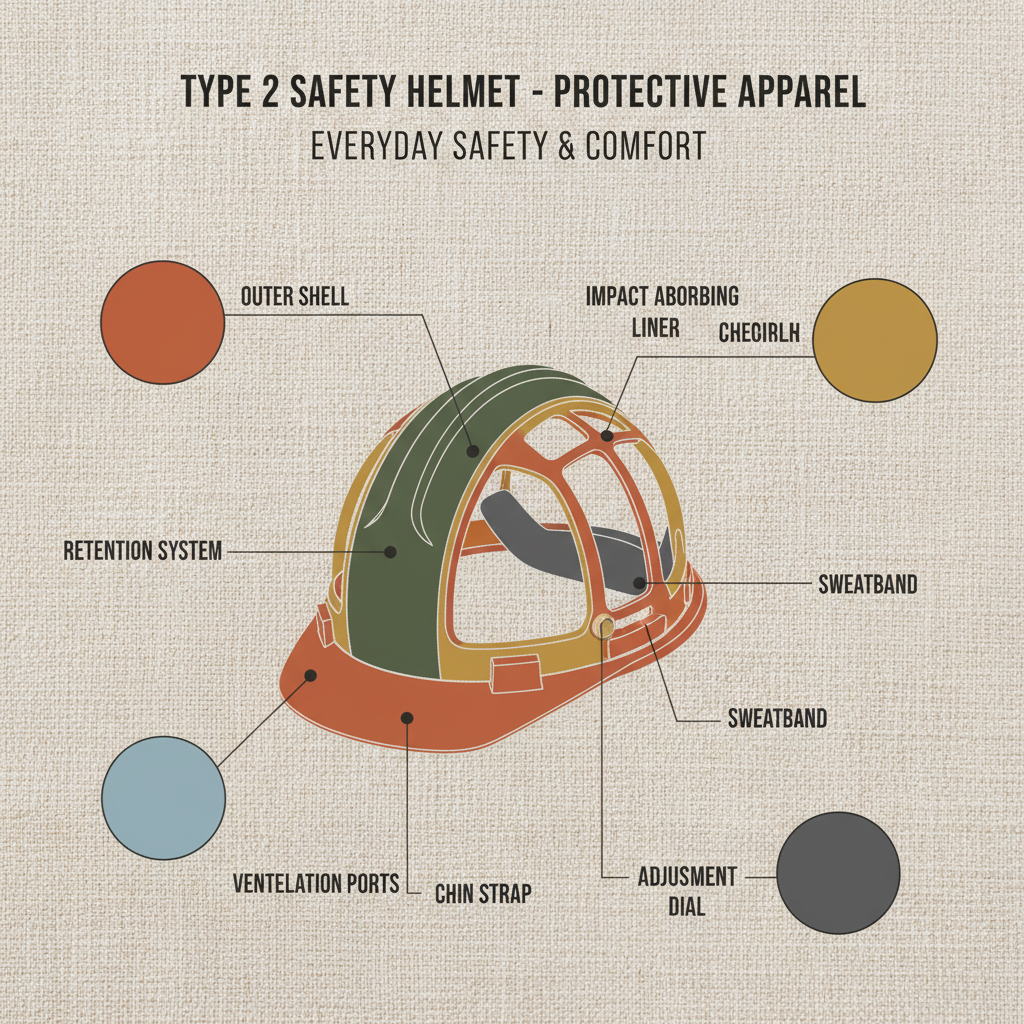
The defining feature of a type 2 safety helmet is its ability to withstand both vertical and lateral impacts. This is achieved through a combination of robust shell materials (typically high-density polyethylene or polycarbonate), an energy-absorbing suspension system, and a secure chin strap. The shell distributes the force of an impact, while the suspension system cushions the head, reducing the risk of concussion or skull fracture.
Beyond impact resistance, important characteristics include the helmet's adjustability, ensuring a comfortable and secure fit for a wide range of head sizes. Ventilation features are also critical, particularly in hot environments, to prevent overheating and maintain user comfort. Furthermore, the helmet should be lightweight to minimize fatigue during prolonged use.
Type 2 helmets are often designed with accessories in mind, such as face shields, ear muffs, and headlamps, which can further enhance protection and functionality in specific work environments. The compatibility of these accessories is an important consideration when selecting a helmet.
Durability and Impact Resistance
The durability of a type 2 safety helmet is paramount, and is typically assessed through rigorous testing procedures. These tests simulate real-world impact scenarios, evaluating the helmet's ability to withstand both high-velocity and low-velocity impacts. Manufacturers must adhere to strict standards to ensure their products meet the required safety levels.
Impact resistance isn’t just about the initial impact; it also encompasses the helmet's ability to maintain its structural integrity after multiple impacts. While a helmet may perform well in a single impact test, repeated impacts can compromise its protective capabilities. Therefore, it's crucial to inspect helmets regularly for signs of damage and replace them as needed.
Type 2 Safety Helmet Material Performance
Applications Across Industries
The versatility of the type 2 safety helmet makes it indispensable across a wide range of industries. Construction workers rely on these helmets to protect against falling debris and lateral impacts from swinging objects. Forestry workers benefit from the enhanced protection against branch strikes and other environmental hazards.
Furthermore, the type 2 safety helmet is crucial in emergency response scenarios, providing protection for firefighters, rescue personnel, and law enforcement officers. These professionals often face unpredictable and dangerous situations, making reliable head protection a top priority. Industrial settings such as manufacturing plants and mining operations also heavily utilize Type 2 helmets to safeguard employees from workplace hazards.
Advantages of Utilizing Type 2 Helmets
Employing a type 2 safety helmet offers a significant advantage over Type I helmets in environments with a high risk of lateral impacts. This enhanced protection translates directly into a reduced likelihood of head injuries, leading to lower healthcare costs, reduced lost workdays, and improved employee morale.
Beyond the direct safety benefits, Type 2 helmets can also contribute to a stronger safety culture within an organization. Demonstrating a commitment to providing the best possible protection for employees fosters trust and encourages a proactive approach to safety management.
The long-term value of investing in quality Type 2 helmets extends beyond immediate safety gains. By minimizing the risk of workplace injuries, companies can protect their reputation, avoid potential legal liabilities, and maintain a productive workforce.
Future Innovations and Emerging Trends
The future of type 2 safety helmet technology is focused on integrating advanced materials and smart technologies to enhance protection and functionality. Research is underway to develop helmets incorporating lightweight, high-strength materials like graphene and carbon nanotubes, offering superior impact resistance without adding significant weight.
Smart helmets equipped with sensors, communication systems, and augmented reality displays are also on the horizon. These innovations could provide real-time hazard detection, improve situational awareness, and facilitate communication between workers. The integration of digital technologies is poised to revolutionize head protection in the coming years.
Sustainability is another growing trend, with manufacturers exploring the use of recycled materials and eco-friendly manufacturing processes to reduce the environmental impact of helmet production. The demand for more sustainable and ethically sourced PPE is likely to continue increasing as companies prioritize their environmental and social responsibility.
Challenges and Potential Solutions
Despite the advancements in type 2 safety helmet technology, several challenges remain. Ensuring proper fit and comfort is crucial for maximizing effectiveness, yet finding helmets that accommodate a diverse range of head sizes and shapes can be difficult. Furthermore, maintaining helmet hygiene and preventing damage over time require ongoing attention.
To address these challenges, manufacturers are developing more adjustable helmet designs and incorporating antimicrobial materials to inhibit bacterial growth. Regular training programs can educate workers on proper helmet fitment, inspection, and maintenance procedures. Implementing a robust helmet replacement program is also essential to ensure that damaged helmets are promptly removed from service.
Another challenge is the cost of advanced helmet technologies, which can be prohibitive for some organizations. However, the long-term benefits of improved safety and reduced injury rates often outweigh the initial investment. Exploring alternative funding models and government incentives can help make these technologies more accessible.
Type 2 Safety Helmet: Key Attributes and Performance Indicators
| Material Composition |
Impact Resistance Score |
Comfort & Adjustability |
Ventilation Effectiveness |
| High-Density Polyethylene (HDPE) |
7/10 |
Good |
Moderate |
| Polycarbonate |
8/10 |
Very Good |
Good |
| Acrylonitrile Butadiene Styrene (ABS) |
6/10 |
Fair |
Moderate |
| Composite Materials (Fiberglass/Carbon Fiber) |
9/10 |
Excellent |
Very Good |
| Reinforced Polycarbonate |
8.5/10 |
Very Good |
Good |
| Advanced Thermoplastics |
9.5/10 |
Excellent |
Excellent |
FAQS
The main difference lies in the impact protection. Type I helmets protect only against impacts to the top of the head, whereas Type II helmets provide protection against both top and side (lateral) impacts. This makes Type II helmets more versatile for environments with a higher risk of side impacts, offering a broader range of safety coverage. Selecting the correct type depends on the specific hazards of the workplace.
A type 2 safety helmet should be replaced after any significant impact, even if no visible damage is apparent. Manufacturers typically recommend replacing helmets every 5 years, even without incidents, due to material degradation from UV exposure and normal wear and tear. Always follow the manufacturer’s guidelines for replacement intervals.
Type 2 safety helmets generally need to meet standards set by organizations like ANSI (American National Standards Institute) in the US, and EN 397 in Europe. These standards specify requirements for impact resistance, penetration resistance, and retention system strength. Helmets that meet these standards will have a certification marking, confirming they have been tested and approved.
Proper adjustment is critical for effective protection. First, ensure the suspension system is correctly positioned on your head. Then, tighten the headband and chin strap to achieve a snug, but comfortable fit. The helmet should not move excessively when you shake your head. Regular checks during use are essential to maintain a secure fit.
Yes, but only if the accessories are specifically designed and certified for use with your type 2 safety helmet model. Adding non-approved accessories can compromise the helmet’s integrity and reduce its protective capabilities. Ensure any attachments are securely fastened and do not interfere with the helmet’s functionality.
Type 2 safety helmets are commonly manufactured using materials such as High-Density Polyethylene (HDPE), Polycarbonate, ABS (Acrylonitrile Butadiene Styrene), and composite materials like fiberglass or carbon fiber. Each material offers a different balance of impact resistance, weight, and cost. Advanced thermoplastics are also increasingly used for their superior performance.
Conclusion
In conclusion, the type 2 safety helmet represents a vital component of workplace safety and emergency response protocols globally. Its ability to protect against both top and side impacts makes it a superior choice for a wide range of applications, from construction and forestry to firefighting and disaster relief. Understanding its key characteristics, adhering to industry standards, and prioritizing proper fit and maintenance are paramount to maximizing its protective benefits.
Looking ahead, continued innovation in materials science and smart technologies promises to further enhance the performance and functionality of Type 2 helmets. Embracing these advancements, coupled with a proactive safety culture, will be crucial in reducing head injuries and safeguarding the well-being of workers and responders worldwide. For more information and a comprehensive selection of type 2 safety helmets, visit our website: www.goodsafetyhelmet.com