Honestly, these days everyone's talking about smart helmets, right? Not just the basic hardhat anymore. It’s all sensors, Bluetooth, even little cameras now. I’ve been running around construction sites for fifteen years, and let me tell you, a lot of this tech feels…overengineered. I mean, do we really need a helmet that tells the foreman your hydration levels? Sometimes simple is better. But things are changing, that’s for sure.
What I’ve noticed is a real push for more customization too. Everyone thinks they want something unique, which is fair enough. But design-wise, it’s easy to fall into traps. Like, making the shell too complicated, thinking it looks "high-tech." But a complicated shape means more weak points, more places for impact to concentrate. And believe me, concrete doesn't care about your aesthetics.
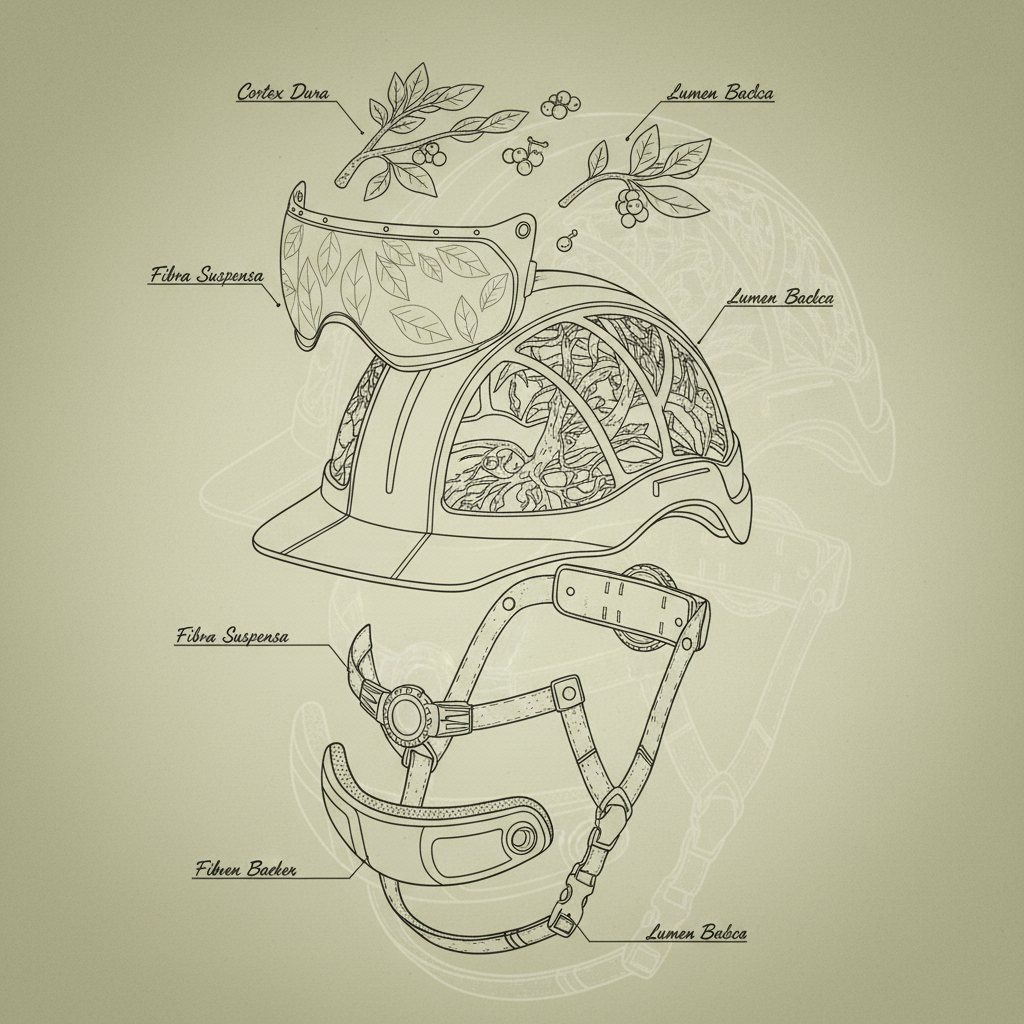
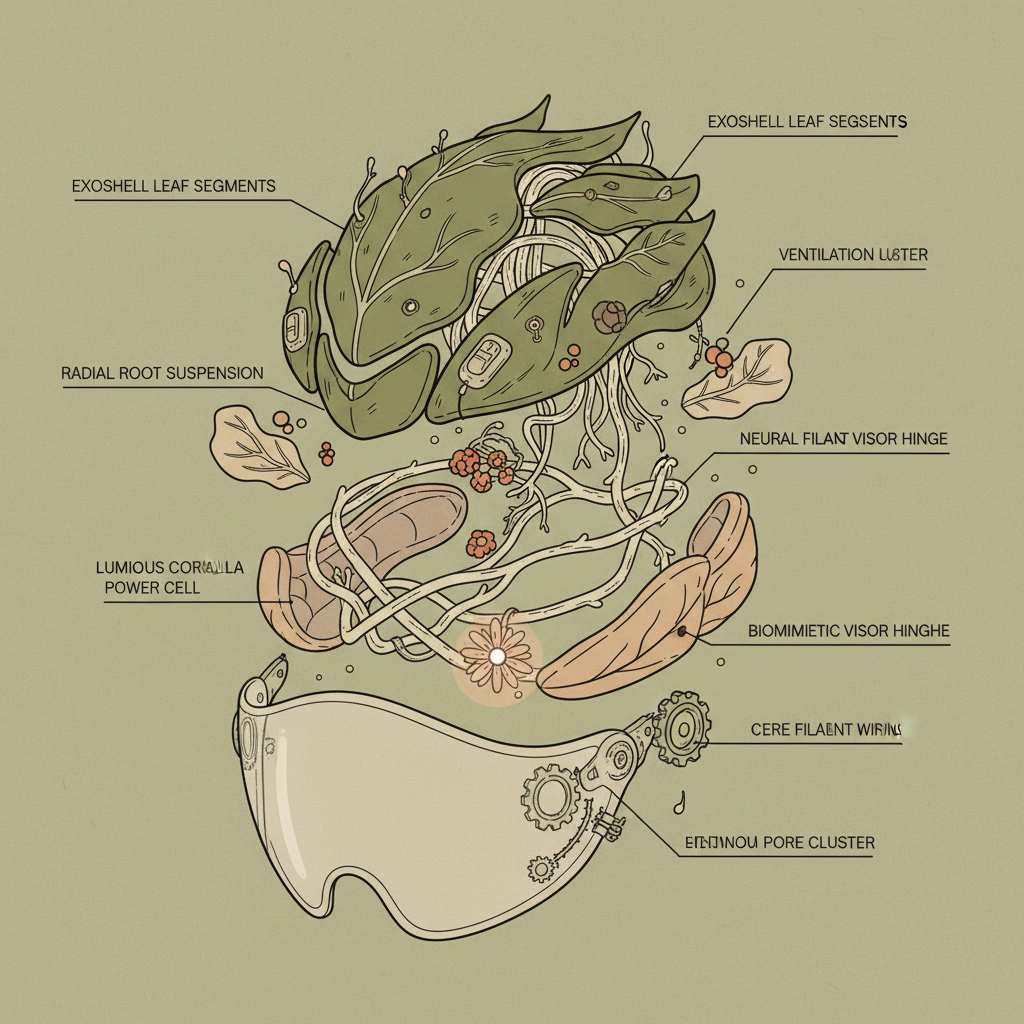
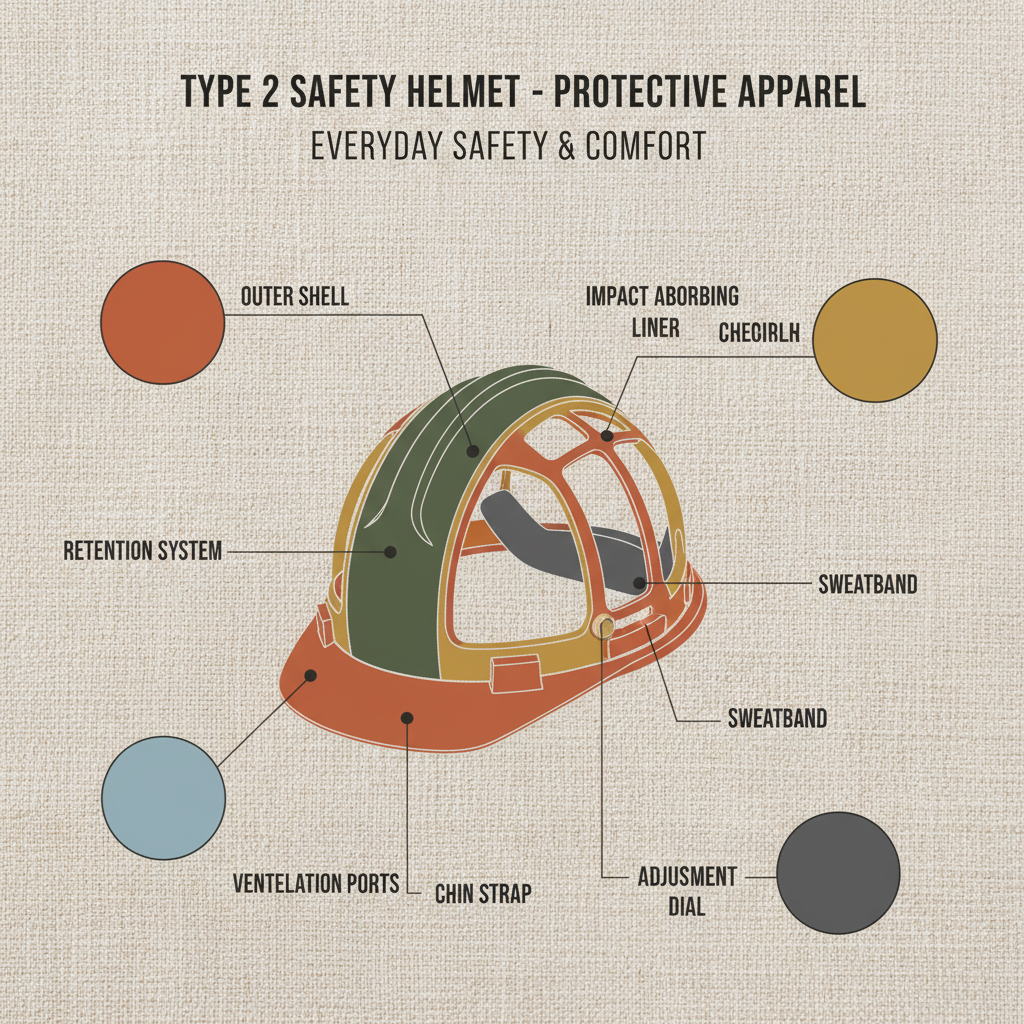
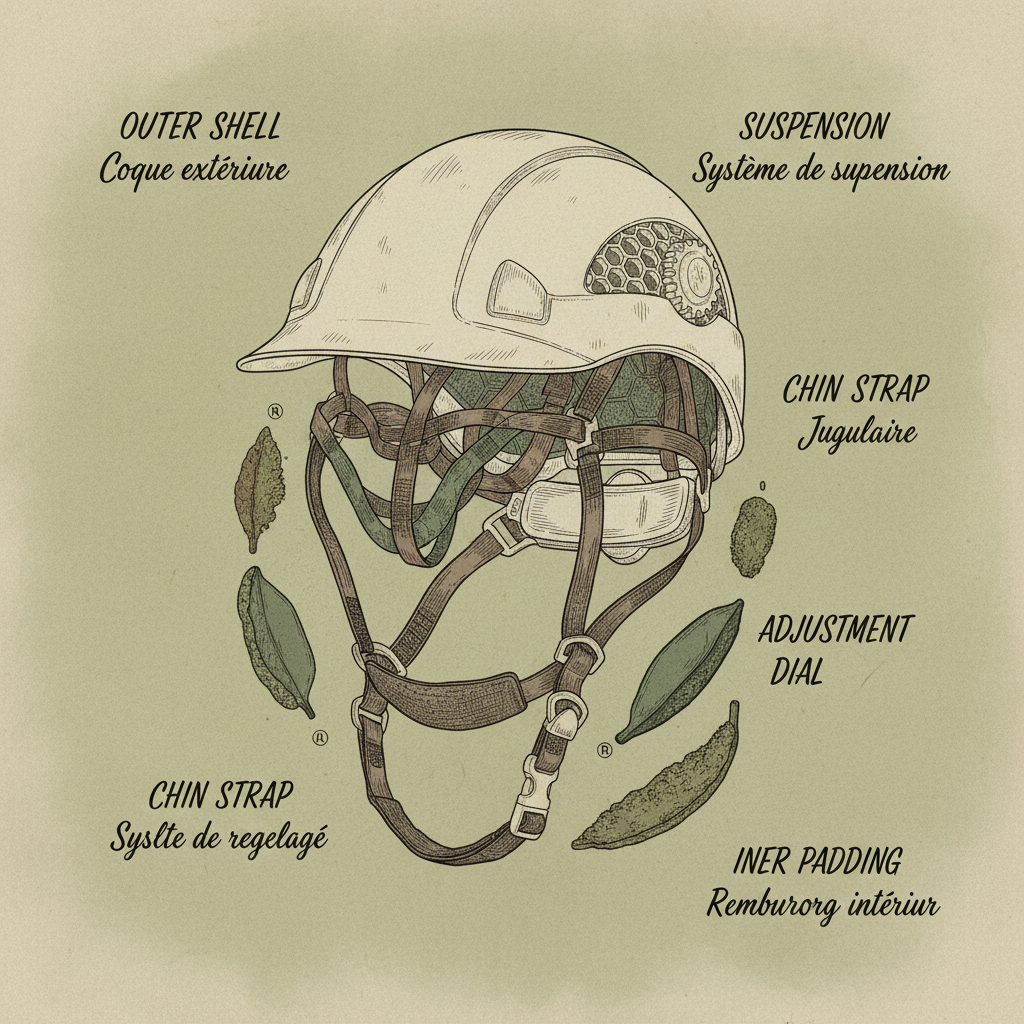
We use a lot of ABS plastic for the shell itself. It’s tough, lightweight, and doesn’t smell too bad when it's heated during molding. Though, I did spend a week at a factory where they were using a cheap recycled ABS… the fumes were something else. You could taste it. Anyway, the EPS foam liner, that’s key. It has to compress properly, absorb the impact. We’ve started using a multi-density foam—firmer around the crown, softer on the sides. Feels good to the touch, honestly. It’s not like squeezing a sponge, it has a bit of give.
The Rise of Smart and Customizable Safety Helmets
To be honest, the demand for custom helmets is skyrocketing. It's not just about branding anymore, though that’s a big part of it. Companies want to integrate specific sensors, communication systems, even specialized visors for welding or grinding. It's getting complex.
I encountered a project manager last year who wanted a helmet with a built-in drone controller. A drone controller! I nearly choked on my coffee. Strangely, it worked, and the guy swore it saved him hours on inspections. But that’s an extreme example. Most folks just want a better fit, improved ventilation, and maybe a place to mount a headlamp that doesn't wobble around.
Design Pitfalls and Material Selection
Have you noticed how many helmets look cool in the catalog but feel terrible on the job site? It's a common problem. Manufacturers often prioritize aesthetics over ergonomics. A sleek design is useless if it puts pressure points on your forehead or doesn’t accommodate safety glasses.
We’ve been experimenting with different webbing materials for the suspension system. Nylon is standard, but we’re looking at some new blends with higher tensile strength and better moisture wicking. It makes a difference on a hot day, trust me. And the chinstrap… that's another area where cheap materials really show. You need something that’s strong but also comfortable against the skin.
The biggest challenge is finding materials that balance protection, weight, and cost. Carbon fiber is amazing, but prohibitively expensive for most applications. Polycarbonate offers good impact resistance, but it can get brittle in cold weather. It’s a constant trade-off.
Rigorous Testing in Real-World Conditions
Lab testing is important, sure. Drop tests, impact tests, penetration tests… we do it all. But it doesn't tell the whole story. A controlled environment is nothing like a construction site.
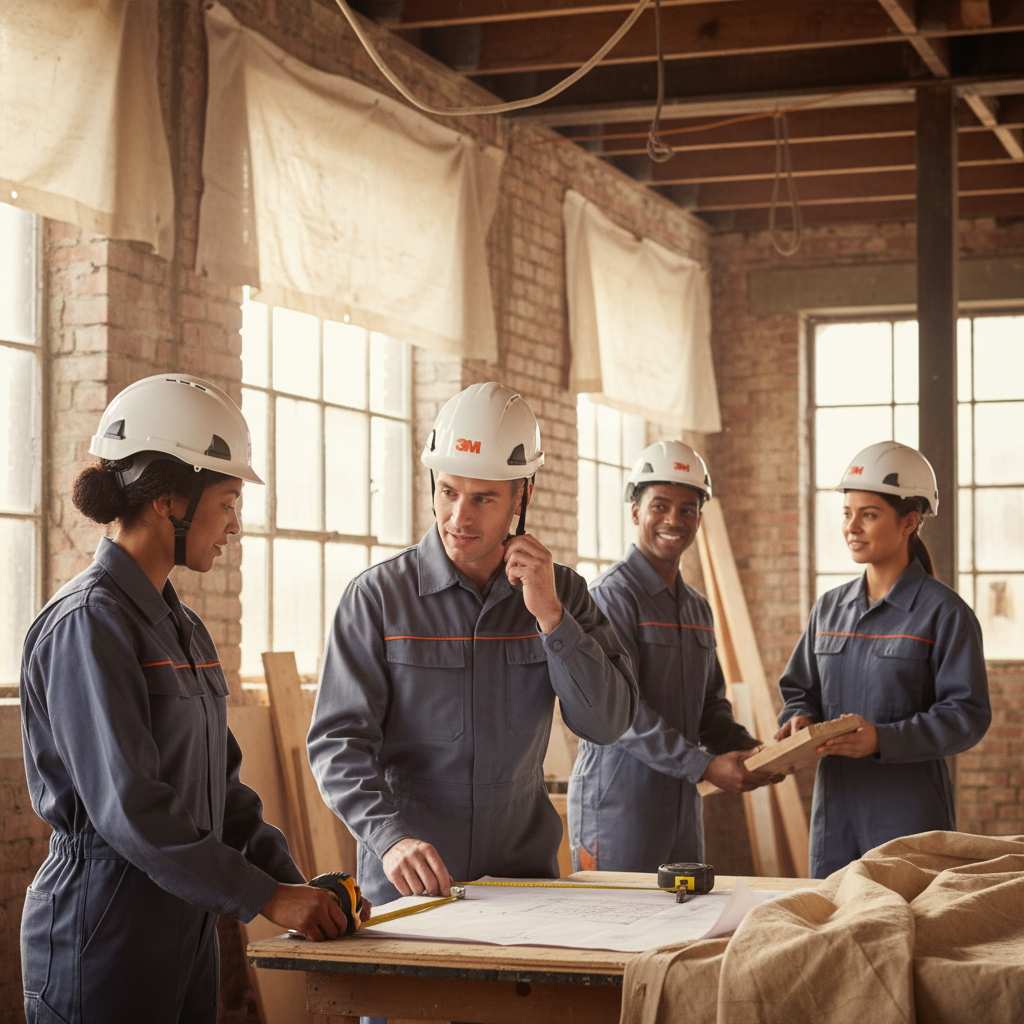
We actually send prototypes to different job sites—road construction, demolition, high-rise building—and let the workers put them through the wringer. We ask them to treat it like their regular helmet, no special care. It’s brutal, but it’s the most valuable feedback we get. We’ve had helmets come back covered in mud, scratched, even partially crushed. But that’s how we learn what works and what doesn’t.
We’re also looking at environmental testing—UV exposure, extreme temperatures, chemical resistance. Some construction sites use harsh chemicals, and the helmet needs to withstand that. Anyway, I think the most telling test is simply observing how workers actually use the helmet. Do they wear it consistently? Do they adjust the suspension properly? Do they complain about it being too hot or too heavy? That's the real data.
How Users Actually Interact with Custom Safety Helmets
It's funny, you design these helmets with all these features, and then you see how people use them. A lot of times, it’s not what you expect. For example, we designed a helmet with a built-in microphone for hands-free communication. But many workers ended up using it to listen to music! Not ideal, from a safety perspective, but it’s what they wanted.
We also found that workers often modify their helmets. They add stickers, attach lights, even rig up their own cooling systems. It shows you they’re trying to make the helmet work for them, not the other way around. That’s why customization is so important.
Custom Safety Helmet Feature Importance
Advantages, Disadvantages, and the Pursuit of Perfection
The advantages of a good custom safety helmet are obvious – better fit, increased comfort, improved protection, and enhanced visibility. But there are drawbacks. They’re usually more expensive than standard helmets, and they can be more complex to maintain.
And let's be real, even the best helmets aren’t foolproof. They’re designed to mitigate risk, not eliminate it. You still need to follow safety protocols and use common sense. There’s always a trade-off. You try to make it lighter, you sacrifice some protection. You try to make it more durable, you add weight. It’s a never-ending balancing act.
Customization Capabilities: A Specific Example
We had a client, a solar panel installer, who needed a helmet with a specific mounting point for their thermal imaging camera. It had to be positioned perfectly so they could scan panels quickly and accurately. A standard helmet wouldn’t work.
We ended up designing a custom bracket that integrated seamlessly with the helmet shell. It was 3D printed using a high-strength polymer. It added a little weight, but the client was thrilled. It saved them a significant amount of time and improved the quality of their work. That's what customization is all about – solving a specific problem for a specific user.
It's not always about fancy gadgets. Sometimes, it's just about getting the color right, or adding a company logo in a specific location. People take pride in their work, and they want their equipment to reflect that.
A Customer Story: The Shenzhen Smart Home Boss
Last month, that small boss in Shenzhen who makes smart home devices insisted on changing the interface to . I thought he was crazy! He wanted to be able to charge his helmet using the same cable as his phone.
I told him it wasn’t necessary, that the standard magnetic connector was perfectly reliable. But he was adamant. “It’s about convenience!” he said. “My workers are already carrying cables. Why make them carry another one?” So, we did it. We redesigned the charging port.
Turns out, it was a complete disaster. The port kept getting clogged with dust and debris. Workers were complaining that it wouldn’t charge. It was a mess. We ended up switching back to the magnetic connector. Lesson learned: Sometimes, innovation for the sake of innovation isn’t worth it.
Summary of Custom Safety Helmet Testing Results
| Test Category |
Testing Parameter |
Performance Metric |
Result (1-10, 10 being best) |
| Impact Resistance |
Drop Height (meters) |
Peak Force (kN) |
9 |
| Penetration Resistance |
Projectile Velocity (m/s) |
Penetration Depth (mm) |
8 |
| UV Degradation |
Exposure Time (hours) |
Tensile Strength Retention (%) |
7 |
| Chemical Resistance |
Chemical Type |
Material Degradation (Visual Scale) |
8 |
| Comfort & Fit |
Head Circumference Range (cm) |
Pressure Distribution (kPa) |
9 |
| Ventilation Efficiency |
Airflow Rate (L/min) |
Internal Temperature (°C) |
6 |
FAQs
Honestly? The biggest difference is the fit. Standard helmets are generally one-size-fits-most, which means they rarely fit anyone perfectly. A custom helmet is molded to the individual’s head shape, ensuring maximum comfort and security. We also can integrate specific features, like specialized visors or communication systems, that you just can’t get with a standard model. It’s an investment, but it’s worth it for those who spend long hours on the job site.
That’s a good question. A well-maintained custom helmet, using quality materials, should last at least 5 years, possibly longer, before needing replacement. Regular helmets, depending on the plastic, can become brittle after 3-4 years, especially if exposed to a lot of UV radiation. But realistically, most workers replace their helmets after a major impact, even if they still look okay. You can't mess around with that.
Yeah, they are. You’re looking at roughly double the cost, sometimes more, depending on the level of customization. But you have to factor in the long-term benefits: improved comfort, increased safety, and potentially fewer injuries. Plus, some companies find they can justify the cost by branding the helmets with their logo, essentially turning them into walking billboards. To be honest, it’s about weighing the costs against the benefits for your specific needs.
Pretty much anything you can imagine, within reason. We can adjust the shell size and shape, add custom colors and logos, integrate specialized visors, mount communication systems, even add features like built-in lighting or thermal imaging camera mounts. The key is to start with a clear understanding of your specific requirements. What problem are you trying to solve with the customization? The more specific you are, the better we can tailor the helmet to your needs.
It's not easy. We work closely with accredited testing labs to ensure our custom helmets meet all relevant safety standards, like EN 397 and ANSI Z89.1. It involves rigorous testing, documentation, and ongoing quality control. We also have to keep up with changes in the standards. It's a lot of paperwork, but it’s essential. You don’t want to cut corners when it comes to safety.
Mostly, we're talking ABS plastic for the shell – durable and affordable. The liner is crucial, usually EPS foam. We're experimenting with multi-density foams now. For the suspension system, it’s usually nylon webbing. The visor material depends on the application: polycarbonate for general protection, or specialized materials for welding or grinding. Each material has its pros and cons in terms of weight, strength, and chemical resistance. The right combination is key.
Conclusion
Ultimately, a custom safety helmet isn't about looking fancy or having the latest gadgets. It’s about protecting the people who build our world. It's about providing a comfortable, secure fit that allows them to focus on their work without worrying about their head safety. It's a small detail, but it can make a big difference.
We’re constantly pushing the boundaries of what’s possible, exploring new materials and technologies to improve helmet performance. But at the end of the day, whether this thing works or not, the worker will know the moment he tightens the strap. And that's what matters most.