Working clothing, encompassing garments designed for specific job functions, plays a critical role in global industries. From construction and manufacturing to healthcare and emergency services, these specialized clothes are not merely attire, but essential tools safeguarding worker wellbeing and productivity. The demand for high-quality working clothing is inextricably linked to global economic growth, industrial expansion, and the increasingly stringent regulations surrounding workplace safety. The global workwear market is projected to reach significant heights in the coming years, driven by factors like increased safety consciousness and the growing number of workers in various industries.
The evolution of working clothing reflects advancements in material science and ergonomic design. Initially focused on basic protection, modern working clothing incorporates features like high-visibility materials, flame resistance, chemical resistance, and specialized insulation. This ongoing innovation directly addresses challenges related to hazardous work environments and contributes to a reduction in workplace accidents. Furthermore, the growing awareness of sustainability has led to the development of eco-friendly working clothing options, using recycled materials and ethical manufacturing processes.
Understanding the nuances of working clothing – from material selection to compliance standards – is paramount for businesses, safety professionals, and workers themselves. Its correct application translates directly into enhanced worker safety, improved efficiency, and reduced operational costs. Investing in appropriate working clothing is therefore not merely an expense, but a strategic investment in a productive and secure workforce.
The Global Significance of working clothing
The necessity of working clothing extends far beyond basic attire. According to the International Labour Organization (ILO), over 2.72 billion people are employed globally, many of whom work in industries requiring specialized protective clothing. The United Nations Sustainable Development Goals (SDGs), specifically SDG 8 (Decent Work and Economic Growth), emphasize safe and secure working environments, a goal directly supported by the use of effective working clothing. Globally, industries such as construction, mining, oil and gas, healthcare, and manufacturing contribute substantially to economic output, and each requires unique forms of protective garments.
A significant challenge lies in ensuring accessibility to affordable, high-quality working clothing, particularly in developing nations where workplace safety standards may be less stringent. Non-compliance with safety regulations can lead to increased accident rates, reduced productivity, and significant economic losses. Furthermore, the environmental impact of the working clothing industry – from material production to disposal – is becoming an increasingly critical concern, driving demand for sustainable solutions.
Defining Working Clothing: Beyond Basic Garments
Working clothing, often referred to as workwear or protective clothing, is specifically designed to protect workers from hazards encountered in their respective occupations. This encompasses a broad range of garments, including coveralls, vests, jackets, pants, shirts, gloves, footwear, and head protection, each tailored to mitigate specific risks. Unlike everyday clothing, working clothing is engineered with features like enhanced durability, visibility, flame resistance, chemical resistance, and ergonomic design.
In modern industry, working clothing is intrinsically linked to risk assessment and hazard control. It's a crucial component of a comprehensive workplace safety program, designed to minimize the likelihood of injuries and illnesses. From the intricacies of microchip fabrication requiring electrostatic discharge (ESD) protection to the intense heat exposure faced by firefighters, working clothing provides a vital barrier between workers and potentially dangerous environments.
Beyond industrial applications, working clothing also plays a critical role in humanitarian efforts. Emergency responders, disaster relief teams, and aid workers rely on specialized working clothing to operate safely and effectively in challenging and often hazardous conditions, ensuring the delivery of essential services and support to those in need.
Key Components of Effective working clothing
Effective working clothing isn’t solely about providing a physical barrier; it's a system designed for optimal performance and safety. A fundamental element is material selection. Different fabrics offer varying levels of protection against specific hazards – cotton for comfort, polyester for durability, Nomex for flame resistance, and specialized coatings for chemical resistance. Proper material selection directly correlates to the level of protection offered.
Ergonomic design is also crucial. Working clothing should allow for a full range of motion without restricting movement or causing discomfort. Poorly designed garments can lead to fatigue, reduced productivity, and even musculoskeletal injuries. Features like articulated knees, adjustable cuffs, and strategically placed pockets contribute to improved comfort and functionality.
Compliance with industry standards and regulations is another essential component. Organizations like ANSI (American National Standards Institute) and ISO (International Organization for Standardization) set stringent requirements for the performance and safety of working clothing. Ensuring garments meet these standards provides assurance of their effectiveness and adherence to best practices. working clothing is vital for worker safety.
Core Aspects Driving Quality in working clothing
The quality of working clothing hinges on several core aspects, directly impacting its protective capabilities and longevity. Durability is paramount; garments must withstand the rigors of daily wear and tear, repeated washing, and exposure to harsh environmental conditions. This is influenced by factors such as fabric weight, seam construction, and reinforcement in high-stress areas.
Visibility, particularly in low-light conditions or high-traffic areas, is another critical factor. High-visibility materials, such as fluorescent colors and retroreflective tape, significantly enhance worker safety by increasing their visibility to others. Compliance with standards like ANSI/ISEA 107 is essential for ensuring adequate visibility.
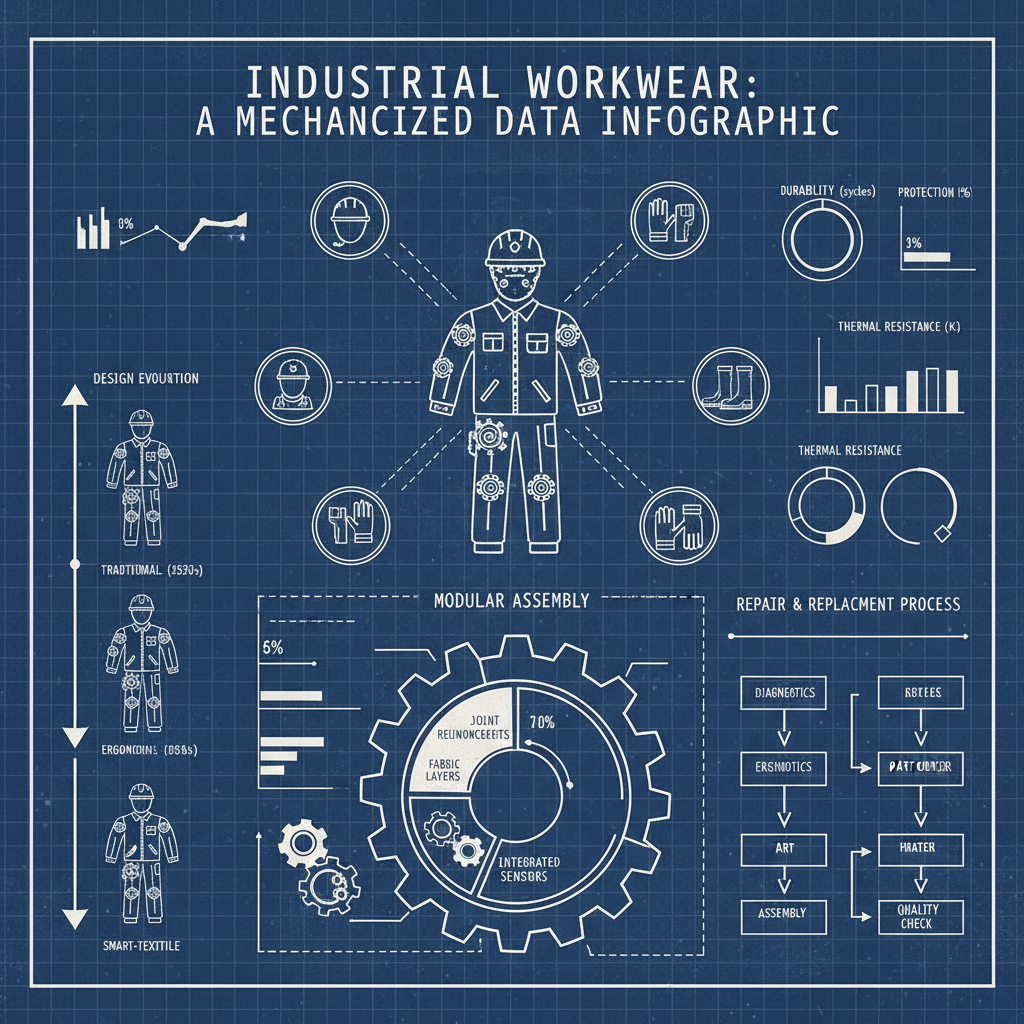
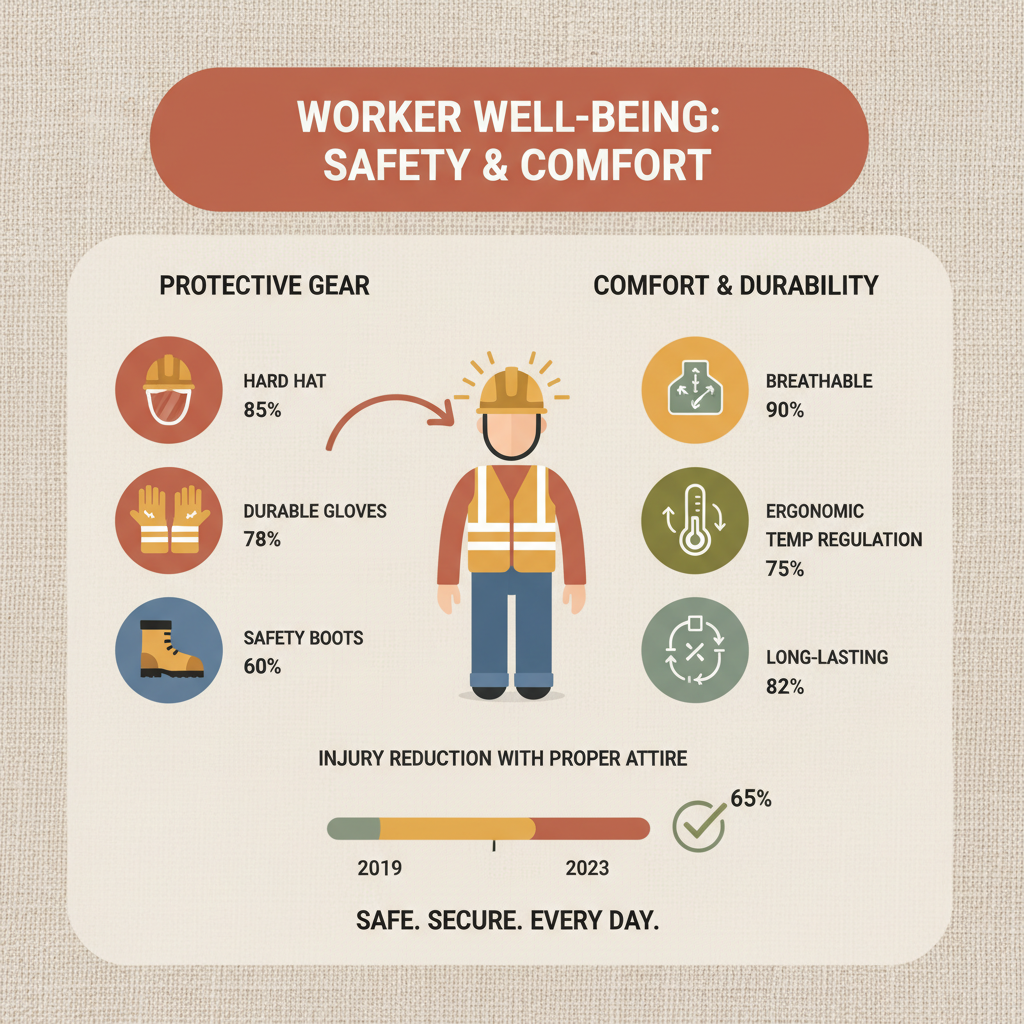
working clothing Performance Metrics
Global Applications and Diverse Use Cases of working clothing
The applications of working clothing are incredibly diverse, spanning countless industries and environments. In construction, heavy-duty coveralls, safety boots, and hard hats are essential for protecting workers from falling debris, sharp objects, and other hazards. In the healthcare sector, gowns, gloves, and masks are critical for preventing the spread of infection and ensuring patient safety.
In remote industrial zones, such as oil rigs or mining operations, specialized working clothing is vital for protecting workers from extreme temperatures, hazardous chemicals, and potential explosions. Similarly, in post-disaster relief operations, durable and protective working clothing enables emergency responders to safely navigate dangerous environments and provide aid to those in need. The versatility of working clothing ensures a safer working experience.
Advantages and the Long-Term Value of working clothing
Investing in high-quality working clothing offers tangible benefits beyond immediate safety. Reduced accident rates translate into lower insurance premiums, reduced downtime, and improved productivity. Sustainable working clothing options contribute to a positive brand image and demonstrate a commitment to environmental responsibility.
The long-term value extends to fostering a culture of safety within an organization. When workers feel protected and valued, morale increases, employee retention improves, and overall performance is enhanced. Furthermore, compliance with safety regulations avoids costly fines and legal liabilities, strengthening an organization’s reputation and ensuring long-term sustainability.
Future Trends and Innovations in working clothing
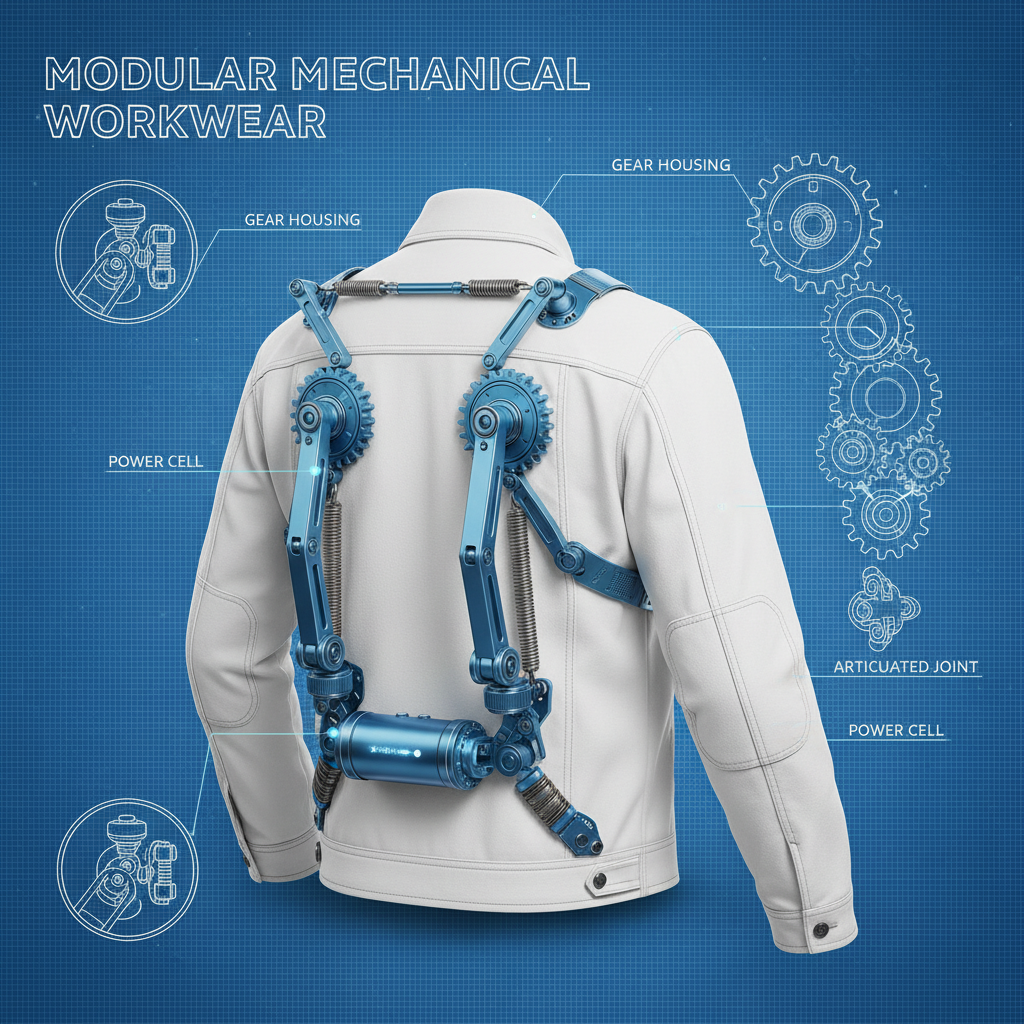
The future of working clothing is poised for significant innovation, driven by advancements in material science, wearable technology, and sustainable manufacturing practices. Smart working clothing, embedded with sensors and connected to data analytics platforms, will provide real-time monitoring of worker health, safety, and performance. This data can be used to proactively identify potential hazards, optimize workflows, and improve overall safety protocols.
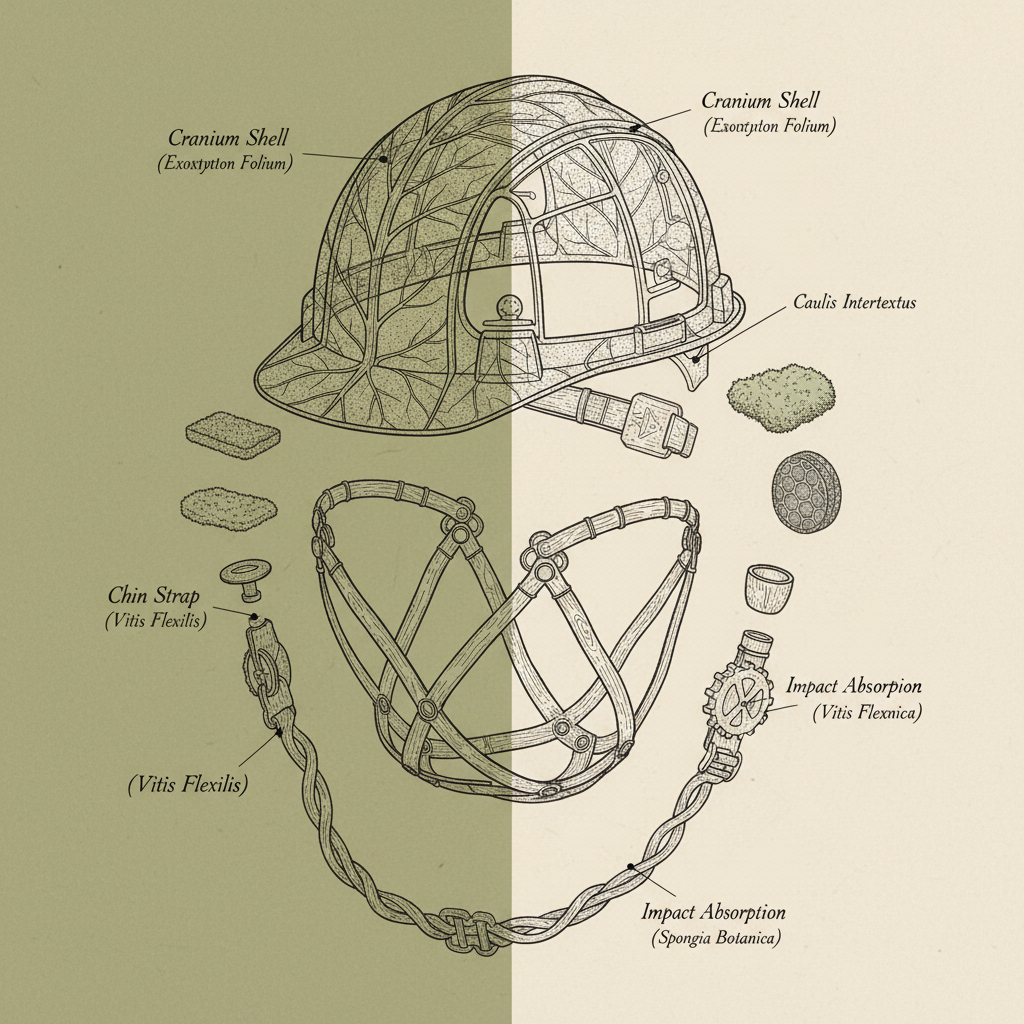
Biomimicry, the practice of emulating nature’s designs, is also influencing the development of new working clothing materials. For example, researchers are exploring fabrics inspired by the scales of fish to create highly water-resistant and durable garments. The integration of green energy sources, such as solar panels woven into fabrics, could power sensors and communication devices, further enhancing the functionality of working clothing.
Furthermore, advancements in 3D printing and automated manufacturing processes are enabling the creation of customized working clothing tailored to individual worker needs and specific job requirements. This level of personalization ensures optimal comfort, fit, and protection, maximizing worker safety and efficiency.
Future Trends and Innovations in working clothing
The future of working clothing is poised for significant innovation, driven by advancements in material science, wearable technology, and sustainable manufacturing practices. Smart working clothing, embedded with sensors and connected to data analytics platforms, will provide real-time monitoring of worker health, safety, and performance. This data can be used to proactively identify potential hazards, optimize workflows, and improve overall safety protocols.
Biomimicry, the practice of emulating nature’s designs, is also influencing the development of new working clothing materials. For example, researchers are exploring fabrics inspired by the scales of fish to create highly water-resistant and durable garments. The integration of green energy sources, such as solar panels woven into fabrics, could power sensors and communication devices, further enhancing the functionality of working clothing.
Furthermore, advancements in 3D printing and automated manufacturing processes are enabling the creation of customized working clothing tailored to individual worker needs and specific job requirements. This level of personalization ensures optimal comfort, fit, and protection, maximizing worker safety and efficiency.
A Summary of Key Challenges & Solutions in working clothing
| Challenge |
Impact Area |
Potential Solution |
Implementation Cost (1-10) |
| High initial cost of sustainable materials |
Financial |
Government subsidies and tax incentives |
6 |
| Lack of standardized sizing |
Ergonomics |
Implementation of 3D body scanning and personalized tailoring |
8 |
| Limited integration of wearable technology |
Technological |
Investment in R&D and collaboration between textile manufacturers and tech companies |
7 |
| Supply chain transparency issues |
Ethical Sourcing |
Blockchain technology for tracking material origins and ethical manufacturing practices |
5 |
| Difficulty in cleaning and maintaining specialized garments |
Operational |
Development of self-cleaning or easy-to-clean fabrics and optimized washing protocols |
4 |
| Inadequate worker training on proper usage and maintenance |
Human Factor |
Comprehensive training programs and accessible user manuals |
3 |
FAQS
The lifespan of working clothing varies significantly based on usage, materials, and maintenance. However, high-quality garments constructed from durable fabrics like reinforced polyester or Nomex can typically last between 2-5 years with regular use and proper care. Regular inspection for wear and tear, adherence to washing instructions, and timely repairs are crucial for maximizing longevity. Investing in higher-quality materials upfront often translates to a longer lifespan and reduced replacement costs over time.
Ensuring a proper fit is vital for both comfort and safety. Incorrectly sized working clothing can restrict movement, cause discomfort, and even compromise protection. It’s recommended to conduct thorough measurements of each worker, following the manufacturer’s sizing guidelines. Consider offering a range of sizes and conducting fit trials to ensure optimal comfort and functionality. Some companies are now utilizing 3D body scanning technology for precise measurements and personalized fitting.
Several certifications ensure working clothing meets specific safety standards. ANSI/ISEA 107 is crucial for high-visibility garments, while NFPA 2112 certifies flame-resistant clothing. Other relevant certifications include EN ISO 20471 (European standard for high-visibility clothing) and ASTM F1506 (standard for flame-resistant fabrics). Always verify that the working clothing you purchase has been independently tested and certified by a recognized testing laboratory.
Replacement frequency depends on the garment's condition and the level of hazard exposure. Regularly inspect working clothing for signs of wear and tear, such as rips, tears, fading, or compromised protective properties. Garments exposed to hazardous chemicals or extreme temperatures should be replaced more frequently. A documented inspection and replacement schedule, based on risk assessment, is recommended to maintain optimal safety levels.
Proper washing practices are essential for preserving the protective qualities of working clothing. Always follow the manufacturer's washing instructions, paying close attention to temperature, detergent type, and drying methods. Avoid using harsh chemicals or bleach, as they can degrade the fabric and compromise its protective properties. Regularly inspect garments after washing for any signs of damage or wear.
Yes, the availability of sustainable working clothing is increasing. Options include garments made from recycled materials, organic cotton, or innovative bio-based fabrics. Some manufacturers are also implementing closed-loop manufacturing systems to minimize waste and reduce environmental impact. Choosing sustainable working clothing demonstrates a commitment to environmental responsibility and can enhance a company's reputation.
Conclusion
In conclusion, working clothing is far more than mere attire; it’s a critical investment in worker safety, productivity, and long-term organizational success. From its foundational role in mitigating workplace hazards to its evolving integration with innovative technologies and sustainable practices, the industry continues to adapt to the ever-changing demands of the modern workforce. Understanding the core components, global applications, and future trends surrounding working clothing is essential for businesses and safety professionals alike.
Looking ahead, prioritizing worker wellbeing through the strategic selection and implementation of high-quality working clothing will not only reduce accidents and improve morale but also foster a culture of safety and sustainability. We encourage you to explore further resources and consult with industry experts to ensure your working clothing program is optimized for your specific needs and challenges. Visit our website for more information: www.goodsafetyhelmet.com.