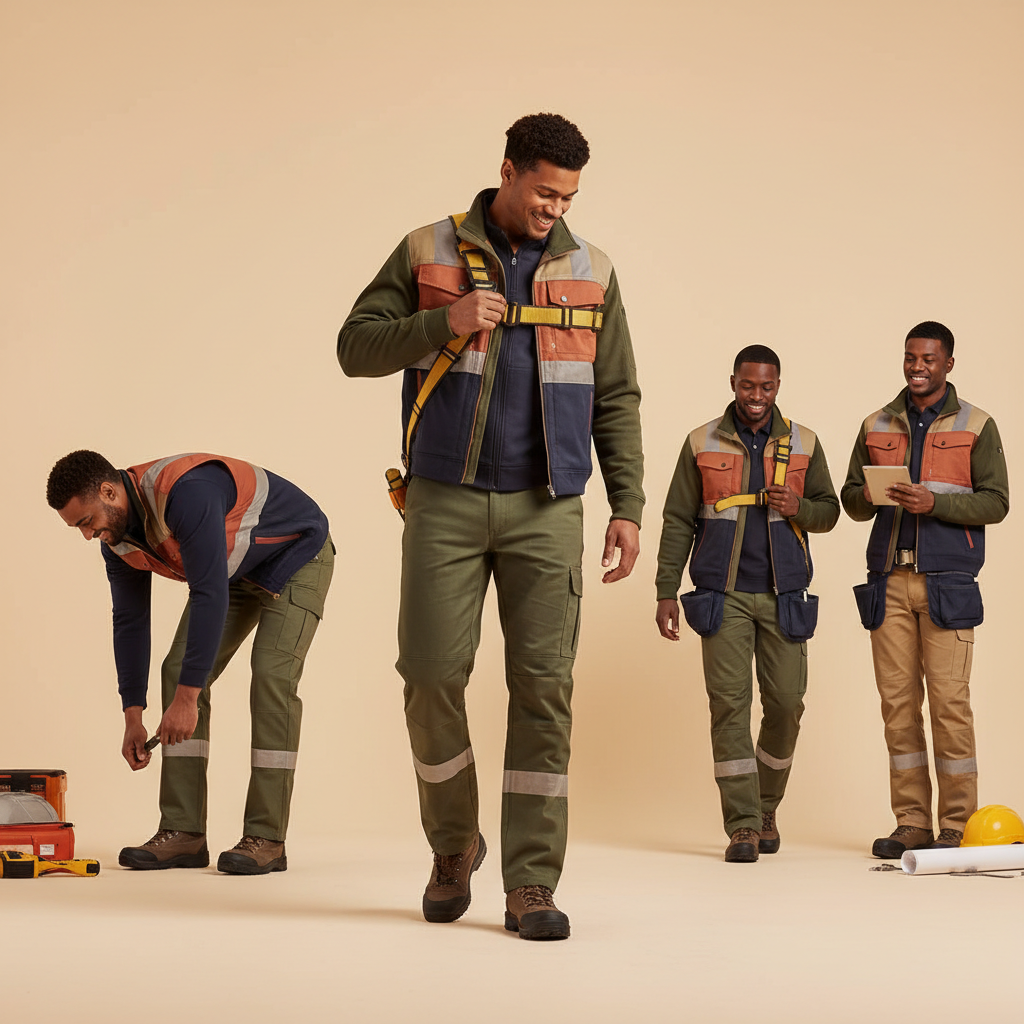
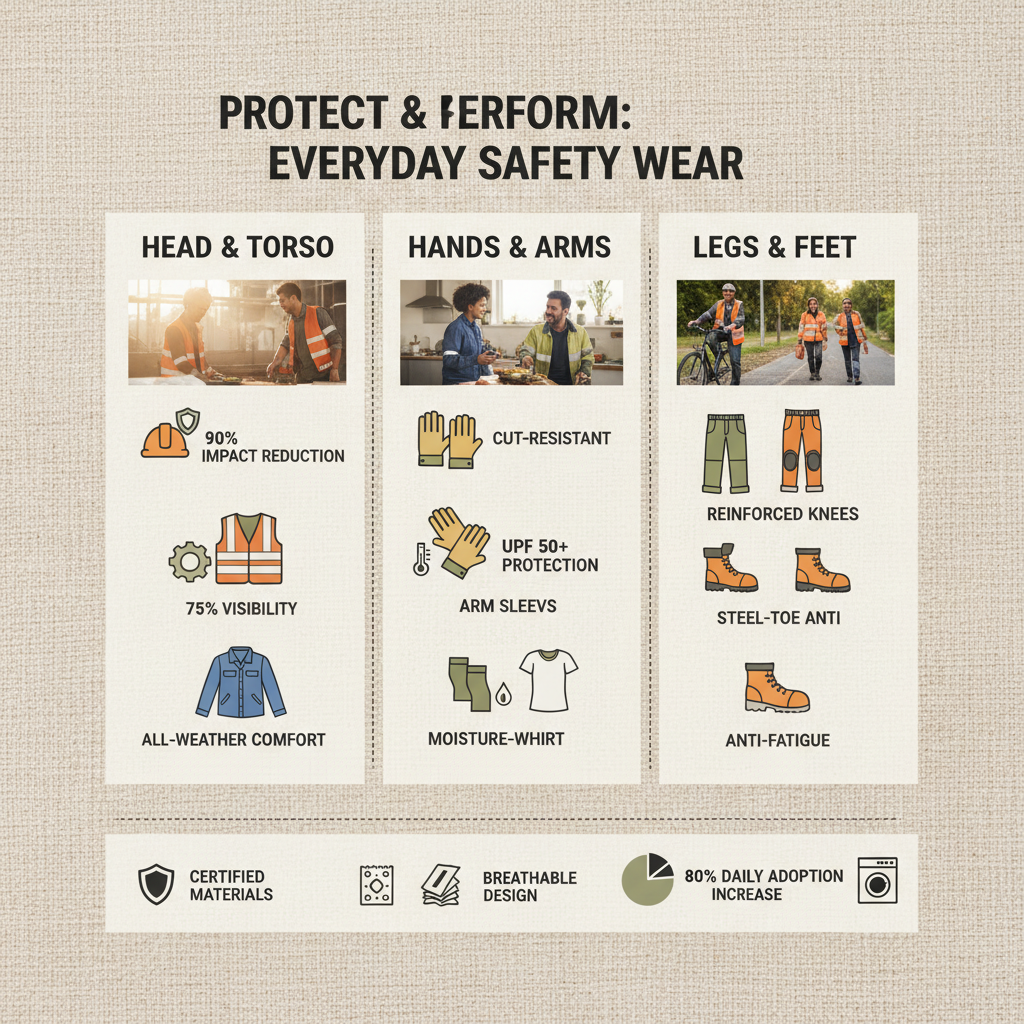
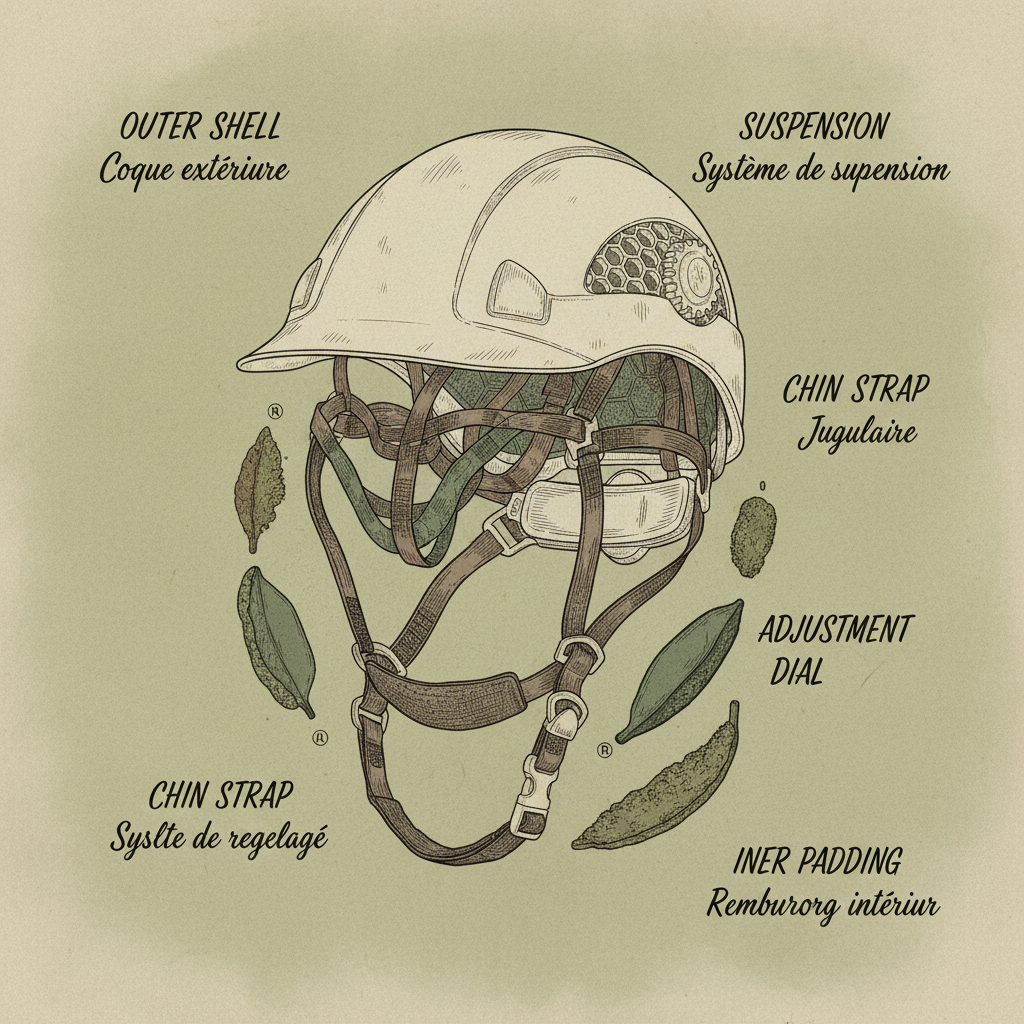
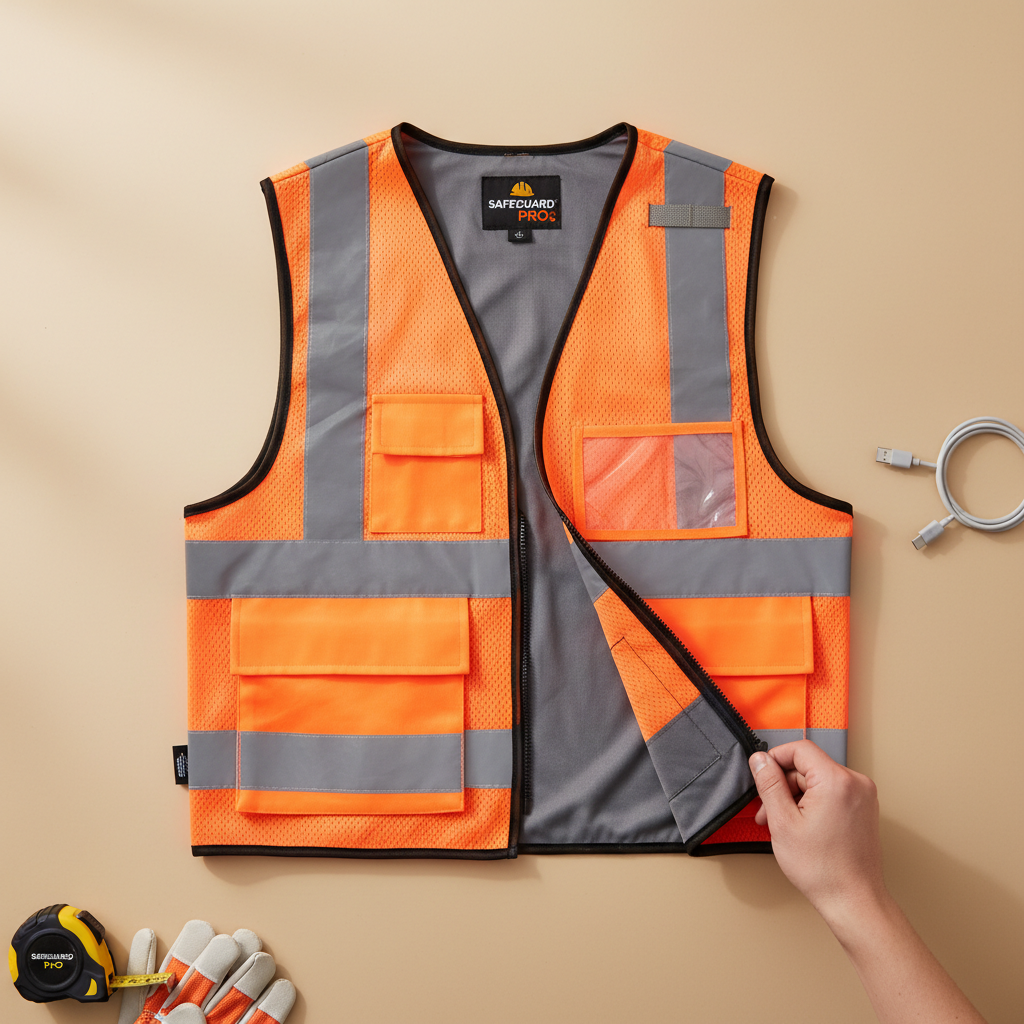
Safety clothing, encompassing everything from high-visibility vests to specialized protective suits, is a cornerstone of workplace safety and disaster response globally. Its significance stems from its ability to minimize risk, prevent injuries, and ultimately save lives across a multitude of industries and situations. Understanding the nuances of safety clothing – its standards, materials, and applications – is paramount for employers, employees, and emergency responders alike.
The global market for safety clothing is substantial and growing, driven by increasing safety regulations, heightened awareness of workplace hazards, and a rise in industrial activity, particularly in emerging economies. Organizations like the International Organization for Standardization (ISO) and the United Nations Environment Programme (UNEP) play a key role in setting standards and promoting responsible manufacturing practices. Data from the World Bank indicates a direct correlation between improved workplace safety and increased economic productivity, highlighting the vital contribution of effective safety clothing.
The demand for robust and reliable safety clothing isn't limited to traditional industries like construction and manufacturing. It extends to sectors like healthcare, transportation, and increasingly, to public safety and emergency services. A key challenge lies in adapting safety clothing to meet the evolving needs of a dynamic global landscape, incorporating technological advancements and ensuring affordability for all who require it.
The Importance of Safety Clothing
The critical role of safety clothing cannot be overstated. It's the first line of defense against a wide range of workplace hazards, from physical injuries caused by impacts, cuts, and abrasions, to chemical exposures and extreme temperatures. Proper safety clothing significantly reduces the severity of incidents and contributes to a safer, more productive work environment.
Investing in high-quality safety clothing demonstrates a commitment to employee well-being and fosters a culture of safety. This, in turn, improves morale, reduces absenteeism, and minimizes costly workers' compensation claims. Beyond the financial benefits, prioritizing safety clothing reflects a responsible and ethical approach to business operations.
Defining Safety Clothing
Safety clothing refers to garments and accessories specifically designed to protect individuals from workplace hazards. This includes items like high-visibility vests, protective helmets, safety glasses, gloves, coveralls, and specialized suits for handling hazardous materials. The defining characteristic is the incorporation of materials, designs, and features that mitigate risk and ensure worker safety.
The evolution of safety clothing is intertwined with the development of modern industry. As industrial processes became more complex and hazardous, the need for protective gear became increasingly apparent. Today, safety clothing is essential not just in traditional manufacturing and construction, but also in sectors like healthcare, agriculture, and emergency services.
Safety clothing isn't merely about compliance with regulations; it's about providing a fundamental level of protection and dignity to workers. Appropriately fitted and maintained safety clothing empowers individuals to perform their jobs safely and confidently, knowing they are adequately protected from potential harm.
Core Components of Effective Safety Clothing
Durability is a key component, ensuring the clothing withstands the rigors of the work environment and maintains its protective qualities over time. Materials like reinforced fabrics, abrasion-resistant coatings, and robust stitching are crucial.
Comfort is another vital aspect. If safety clothing is uncomfortable, workers are less likely to wear it consistently. Breathable fabrics, ergonomic designs, and adjustable features enhance wearer comfort and compliance.
Visibility is paramount in many work environments, particularly those with moving vehicles or low-light conditions. High-visibility clothing, incorporating fluorescent colors and reflective materials, ensures workers are easily seen, minimizing the risk of accidents.
Protection against specific hazards is essential. This includes chemical resistance, flame retardancy, electrical insulation, and impact protection, tailored to the specific risks of the job.
Compliance with relevant standards and regulations is non-negotiable. Safety clothing must meet established benchmarks for performance and safety, ensuring it provides the intended level of protection. Regular inspection and maintenance are also vital components to ensure continued effectiveness.
Key Factors Influencing Safety Clothing Performance
The selection of appropriate materials significantly impacts the performance of safety clothing. Factors like tensile strength, tear resistance, and chemical compatibility must be carefully considered based on the intended application.
Proper fit is crucial for both comfort and protection. Clothing that is too loose or too tight can compromise its effectiveness and increase the risk of injury. A range of sizes and adjustable features are essential to accommodate diverse body types.
Comparative Performance of safety clothing Materials
Global Applications and Use Cases of safety clothing
In construction, safety clothing is indispensable, protecting workers from falling objects, impacts, and exposure to harsh weather conditions. High-visibility vests, hard hats, and safety boots are standard requirements on most construction sites.
Within the healthcare sector, safety clothing plays a critical role in preventing the spread of infectious diseases. Personal protective equipment (PPE), including gowns, gloves, and masks, safeguards healthcare workers and patients alike.
Advantages and Long-Term Value of Safety Clothing
The most immediate advantage of safety clothing is a reduction in workplace injuries and illnesses, leading to lower healthcare costs and reduced downtime. This translates to increased productivity and profitability for businesses.
Beyond the economic benefits, safety clothing fosters a culture of safety, boosting employee morale and demonstrating a commitment to worker well-being. This can enhance a company's reputation and attract top talent. The long-term value extends to establishing trust with stakeholders, including customers, investors, and the community.
Future Trends and Innovations in Safety Clothing
Smart safety clothing, incorporating sensors and wearable technology, is emerging as a significant trend. These garments can monitor vital signs, detect hazards, and provide real-time feedback to workers, enhancing situational awareness and preventing accidents.
Sustainable materials and manufacturing processes are gaining prominence. The development of eco-friendly fabrics and reducing waste in production are becoming increasingly important considerations. Circular economy principles, focused on reuse and recycling, are also shaping the future of safety clothing.
Nanotechnology is being explored to create materials with enhanced protective properties, such as self-cleaning fabrics and improved chemical resistance. These innovations promise to revolutionize the performance and durability of safety clothing.
Challenges and Solutions
One significant challenge is ensuring a proper fit for all workers, particularly those with non-standard body shapes. Offering a wider range of sizes and customizable options is crucial.
Cost can be a barrier to adoption, especially for small businesses. Exploring cost-effective materials and bulk purchasing options can help mitigate this issue. The long-term cost savings from reduced injuries often outweigh the initial investment.
Maintaining and cleaning safety clothing effectively is essential for its continued performance. Providing clear instructions and training on proper care can extend the lifespan of garments and ensure they remain protective.
Summary of Challenges and Solutions Related to Safety Clothing
| Challenge |
Impact on Safety |
Potential Solution |
Implementation Cost (1-10) |
| Poor Fit |
Reduced Protection, Discomfort |
Expanded Size Ranges, Customization |
6 |
| High Cost |
Limited Adoption, Especially in SMEs |
Bulk Purchasing, Sustainable Materials |
4 |
| Insufficient Maintenance |
Decreased Effectiveness, Shorter Lifespan |
Training Programs, Clear Instructions |
2 |
| Lack of Awareness |
Non-Compliance, Increased Risk |
Educational Campaigns, Safety Audits |
3 |
| Material Degradation |
Compromised Protection Over Time |
Advanced Materials, Regular Inspection |
7 |
| Inadequate Standards |
Insufficient Protection Against Specific Hazards |
Stricter Regulations, Independent Testing |
5 |
FAQS
The lifespan of safety clothing varies greatly depending on the material, frequency of use, and care instructions. High-visibility vests might last a year with regular washing, while more durable items like flame-resistant coveralls could last several years with proper maintenance. Regular inspection for wear and tear is crucial, as damaged clothing compromises protection. Following manufacturer guidelines for cleaning and storage extends lifespan.
Selecting appropriate safety clothing requires a thorough hazard assessment of the work environment. Consider the potential risks – impacts, cuts, chemical exposures, extreme temperatures, visibility challenges – and choose garments designed to mitigate those specific hazards. Ensure compliance with relevant industry standards and regulations, and prioritize comfortable and properly fitting clothing to encourage consistent use. Consulting with a safety professional can be invaluable.
Several standards and certifications govern safety clothing, including ANSI/ISEA in the United States and EN standards in Europe. These standards specify performance requirements for various hazards, such as high visibility, flame resistance, and chemical protection. Look for clothing that bears the appropriate certification label to ensure it meets established safety benchmarks. Understanding these standards is essential for making informed purchasing decisions.
Safety clothing should be replaced when it shows signs of wear and tear, such as rips, tears, faded colors (especially in high-visibility clothing), or damage to protective coatings. Regular inspections are key. Additionally, clothing exposed to hazardous materials should be replaced immediately if contamination is suspected. Following the manufacturer’s recommendations for lifespan and replacement is also important.
Proper cleaning and maintenance are crucial for maintaining the effectiveness of safety clothing. Always follow the manufacturer’s instructions, as different materials require different care. Generally, avoid harsh detergents and excessive heat. Regular cleaning removes dirt, contaminants, and reduces wear and tear. Storing clothing properly – away from direct sunlight and extreme temperatures – also extends its lifespan.
Offering a wide range of sizes, including extended sizes, is the first step. Consider garments with adjustable features, such as adjustable straps and waistbands. Conducting proper measurements and providing fitting assistance can also help ensure a comfortable and secure fit. Prioritize breathable materials and ergonomic designs to minimize discomfort and promote consistent wear.
Conclusion
Safety clothing remains a critical component of workplace safety and disaster preparedness. Its evolution, driven by technological advancements and a growing emphasis on worker well-being, continues to enhance its effectiveness and versatility. From durable materials and comfortable designs to smart technologies and sustainable practices, safety clothing is continually adapting to meet the challenges of a dynamic world.
Investing in high-quality safety clothing isn’t just a matter of compliance; it’s a demonstration of a commitment to the safety, health, and dignity of workers. By prioritizing proper selection, maintenance, and training, organizations can minimize risks, reduce costs, and create a more secure and productive work environment. For the latest in safety clothing solutions, visit our website: www.goodsafetyhelmet.com