The construction safety vest is a crucial component of personal protective equipment (PPE) in numerous industries, most notably construction. Globally, workplace safety is a paramount concern, with organizations like the International Labour Organization (ILO) advocating for improved safety standards to reduce work-related injuries and fatalities. Construction, by its very nature, presents inherent risks, and a high-visibility construction safety vest is often the first line of defense against accidental collisions with machinery or vehicles. Understanding the nuances of these vests – their materials, standards, and effective use – is vital for creating safer work environments.
The demand for effective construction safety vests is driven by increasing awareness of worker safety regulations and the rising costs associated with workplace accidents. According to the U.S. Bureau of Labor Statistics, construction consistently ranks among the industries with the highest rates of fatal and non-fatal injuries. This underscores the necessity for robust PPE programs and the diligent use of safety equipment like the construction safety vest. Furthermore, globalization and the expansion of infrastructure projects in developing nations are boosting the need for readily available and reliable safety gear.
Investing in high-quality construction safety vests is not just a matter of compliance; it’s a proactive step towards fostering a culture of safety, boosting employee morale, and reducing financial burdens associated with incidents. Proper training on vest usage and maintenance is also essential for maximizing their effectiveness, resulting in fewer incidents and a more productive workforce.
Introduction to Construction Safety Vests
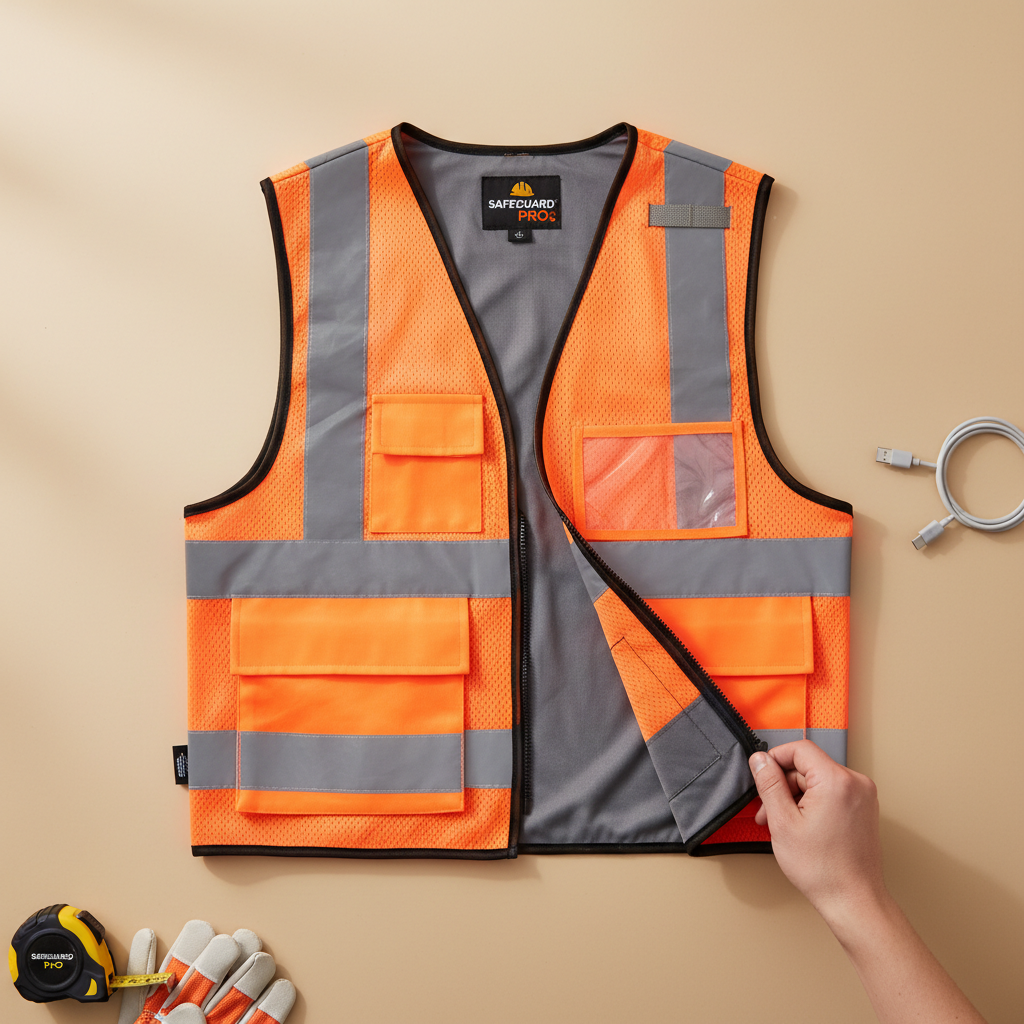
Construction safety vests are more than just garments; they’re a visual declaration of a commitment to worker wellbeing. Designed to enhance visibility, these vests minimize the risk of accidents involving moving vehicles and equipment on construction sites. The core principle behind their effectiveness is retroreflective material, which bounces light back to its source, making the wearer easily visible in both daylight and low-light conditions.
The evolution of the construction safety vest has been driven by technological advancements in materials science and a deeper understanding of human factors. From early, basic designs, vests now incorporate features such as breathable fabrics, adjustable straps for a secure fit, and segmented reflective tape for greater freedom of movement. Choosing the right construction safety vest for specific job requirements is critical for ensuring adequate protection.
Defining the Construction Safety Vest
A construction safety vest, at its most basic, is a high-visibility garment worn to increase the wearer’s visibility to others. While often referred to simply as “safety vests,” they are formally categorized as high-visibility clothing, adhering to specific standards set by organizations like ANSI (American National Standards Institute) and ISO (International Organization for Standardization). These standards define requirements for color, reflective area, and garment construction.
The primary purpose of a construction safety vest is to alert drivers, equipment operators, and other workers to the presence of a person, reducing the likelihood of collisions. This is especially important in dynamic environments like construction sites where heavy machinery is constantly in motion. Different classes of vests exist, designated by the amount of reflective material they contain, catering to varying levels of risk.
In modern industry, construction safety vests are increasingly viewed as integral components of a comprehensive safety program. They’re not merely a requirement for regulatory compliance but a tangible symbol of an organization’s dedication to protecting its workforce. They extend beyond construction, finding use in roadside assistance, emergency response, and many other sectors.
Key Factors Influencing Vest Performance
Several key factors contribute to the effectiveness and overall performance of a construction safety vest. Firstly, Durability is paramount. A vest must withstand the rigors of a construction site – abrasion, tearing, and exposure to the elements. The material used (typically polyester or a polyester blend) directly impacts its longevity. Secondly, Visibility relies heavily on the quality and quantity of retroreflective material. Higher grades of reflective tape provide greater brightness and wider viewing angles.
Comfort is often overlooked but significantly impacts worker compliance. An uncomfortable vest is less likely to be worn consistently. Features like breathable fabrics, adjustable straps, and appropriate sizing are crucial. Fourthly, Compliance with Standards (ANSI/ISEA 107 in the US, EN ISO 20471 in Europe) ensures that the vest meets minimum performance requirements for visibility and durability. Finally, Color plays a role; fluorescent orange and yellow are the most common and effective colors for high visibility.
Vest Class is a critical consideration, determining the amount of reflective material required. Class 2 vests offer adequate visibility for most work environments, while Class 3 provides the highest level of protection, suitable for high-risk situations where greater visibility is essential. Selecting the appropriate vest class based on jobsite conditions is crucial for maximizing safety.
Global Applications and Diverse Use Cases
Construction safety vests are ubiquitous in construction, but their applications extend far beyond this single industry. They are essential for roadside workers, traffic controllers, emergency responders, airport personnel, and railway workers. In post-disaster relief operations, these vests are critical for identifying responders and ensuring their safety amidst chaotic conditions.
The use of construction safety vests is prevalent across various regions. In North America, ANSI/ISEA 107 standards are widely adopted. Europe adheres to EN ISO 20471 standards. Developing countries are increasingly recognizing the importance of these vests as they invest in infrastructure and prioritize worker safety. Many organizations, including government agencies and private companies, mandate their use on job sites.
In remote industrial zones, like oil and gas fields or mining operations, high-visibility vests are crucial for maintaining situational awareness in challenging environments. Similarly, in bustling urban construction sites, these vests help differentiate workers from pedestrians and traffic, reducing the risk of accidents. The consistent use of construction safety vests across these diverse scenarios emphasizes their universal importance.
Construction Safety Vest Application Rates by Sector
Advantages and Long-Term Value Proposition
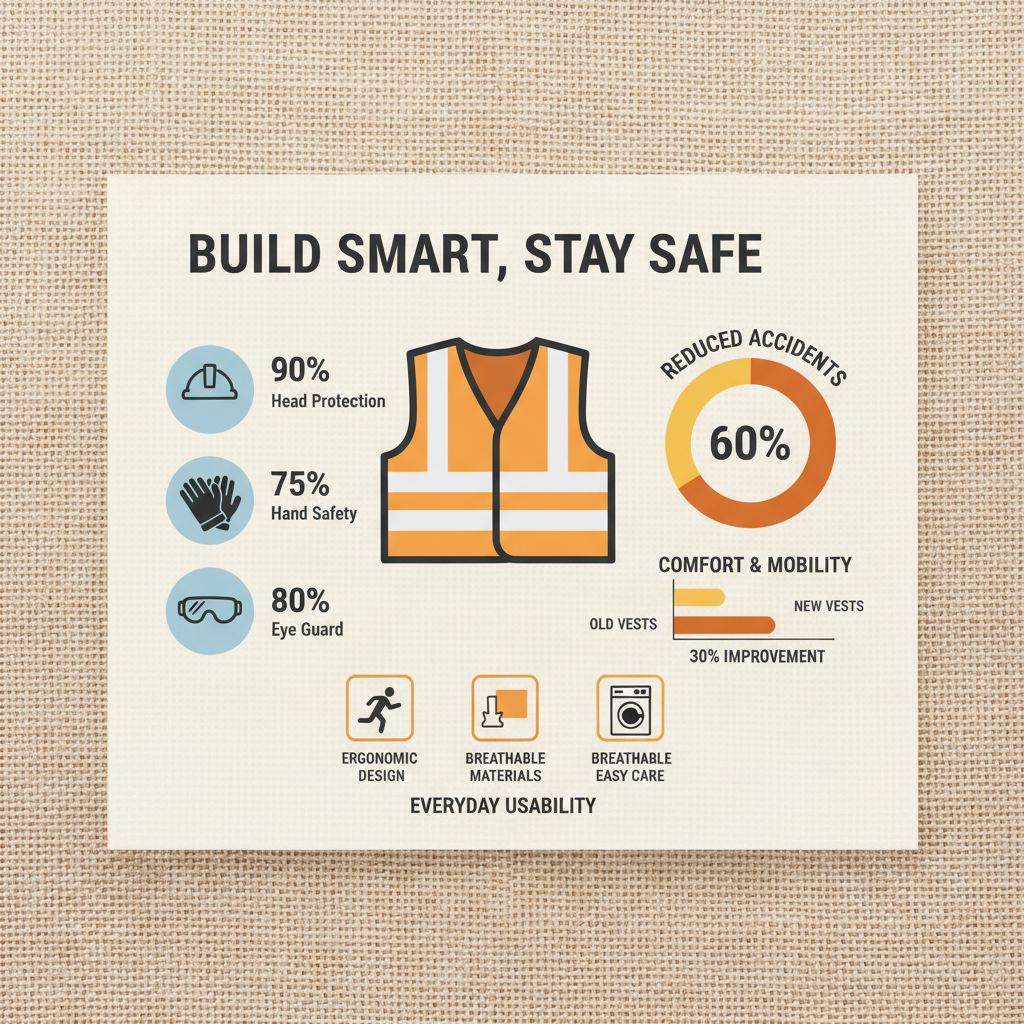
The tangible benefits of using construction safety vests are numerous. Reduced accident rates translate to lower insurance premiums and decreased workers’ compensation claims, leading to significant cost savings for organizations. Beyond the financial advantages, these vests foster a safer work environment, which boosts employee morale and productivity.
The long-term value extends to brand reputation and corporate social responsibility. Demonstrating a commitment to worker safety enhances a company’s image and builds trust with stakeholders. From an emotional perspective, a construction safety vest represents a tangible investment in the wellbeing of employees, fostering a sense of value and security.
Future Trends and Innovative Developments
The future of construction safety vests is likely to be shaped by advancements in materials science and technology. Smart vests incorporating sensors to monitor worker health and environmental conditions are under development. These vests could detect fatigue, monitor vital signs, and alert supervisors to potential hazards.
Integration with digital platforms is also on the horizon. Vests equipped with RFID or Bluetooth technology could enable real-time tracking of workers on job sites, enhancing safety and improving logistical efficiency. Sustainability is another growing trend, with manufacturers exploring the use of recycled and biodegradable materials in vest construction.
Challenges and Potential Solutions
Despite their effectiveness, challenges remain in maximizing the impact of construction safety vests. Worker compliance is a persistent issue; some workers may be reluctant to wear vests due to discomfort or perceived inconvenience. Addressing this requires promoting a strong safety culture, providing comfortable and well-fitting vests, and reinforcing the importance of wearing them consistently.
Another challenge is ensuring the proper maintenance and replacement of vests. Reflective material degrades over time, reducing its effectiveness. Regular inspections and timely replacements are essential. Implementing a vest management program can help track usage, identify worn-out vests, and ensure that workers have access to functional PPE.
Finally, keeping up with evolving safety standards and regulations requires continuous education and training. Organizations must stay informed about the latest requirements and ensure that their safety programs are up-to-date.
Summary of Challenges and Solutions for Construction Safety Vests
| Challenge |
Impact on Safety |
Proposed Solution |
Implementation Cost (1-10) |
| Low Worker Compliance |
Increased Risk of Accidents |
Safety Culture Training & Comfortable Vests |
5 |
| Degraded Reflective Material |
Reduced Visibility in Low Light |
Regular Inspection & Replacement Program |
6 |
| Poor Vest Fit |
Restricted Movement & Discomfort |
Offer Multiple Sizes & Adjustable Straps |
3 |
| Lack of Training on Proper Use |
Incorrect Vest Application |
Comprehensive Training Sessions |
4 |
| Outdated Safety Standards |
Non-Compliance with Regulations |
Continuous Monitoring of Industry Standards |
7 |
| Inadequate Vest Visibility in Specific Conditions |
Reduced Effectiveness in Inclement Weather |
Use Vests with Enhanced Reflectivity and Weather Resistance |
8 |
FAQS
ANSI Class 2 vests provide adequate visibility for general work environments where traffic is typically less than 50 mph. Class 3 vests, however, offer significantly higher visibility with more reflective material, making them essential for high-risk situations like working on roadways with faster-moving traffic or in low-light conditions. The selection depends on the specific hazards present on the jobsite, and Class 3 vests are recommended when greater visibility is required to protect workers from potential accidents.
Construction safety vests should be replaced regularly, even if they appear undamaged. The reflective material degrades over time due to exposure to UV rays, washing, and abrasion. A good rule of thumb is to replace vests annually, or more frequently if they are used in harsh conditions. Regular inspections for cracks, fading, or detachment of reflective tape are also crucial. Adhering to a replacement schedule ensures workers always have access to fully functional, high-visibility PPE.
Most construction safety vests are made from 100% polyester or a polyester blend, known for its durability, breathability, and resistance to shrinking and stretching. The reflective material is usually made from prismatic or glass bead retroreflective sheeting. Higher-quality vests may use more durable and comfortable fabrics, like knitted polyester, and incorporate features like moisture-wicking technology to enhance worker comfort and performance. The choice of material affects both the vest’s lifespan and overall comfort.
Yes, most construction safety vests are washable, but it's crucial to follow the manufacturer's instructions carefully. Generally, machine washing on a gentle cycle with mild detergent and cold water is recommended. Avoid using bleach or fabric softeners, as these can damage the reflective material. Vests should be hung to dry, never tumble dried, as high heat can also compromise the reflectivity. Proper washing helps maintain the vest’s visibility and prolong its lifespan.
Vest fit is critically important for both comfort and safety. A vest that is too loose may flap in the wind or interfere with movement, while a vest that is too tight can restrict movement and cause discomfort. Look for vests with adjustable straps to ensure a snug, but comfortable fit. The vest should cover the torso adequately and allow for a full range of motion without riding up or shifting during work. Properly fitted vests contribute significantly to worker compliance and safety.
The primary ANSI/ISEA standard for high-visibility safety apparel is ANSI/ISEA 107. This standard specifies the requirements for color, reflective material area, and garment construction for different classes of vests (Class 1, 2, and 3). It also outlines testing methods to ensure that vests meet the required performance levels. Compliance with ANSI/ISEA 107 ensures that the vest provides adequate visibility and protection in various work environments. Staying updated with the latest revisions of this standard is crucial.
Conclusion
In conclusion, the construction safety vest stands as a fundamental pillar of workplace safety, evolving from a basic garment to a technologically advanced piece of PPE. Its ability to enhance visibility, reduce accident rates, and foster a culture of safety makes it an indispensable asset across diverse industries. Investing in quality vests, ensuring proper fit and maintenance, and staying abreast of evolving standards are essential steps towards protecting workers and creating safer work environments.
Looking ahead, the integration of smart technologies and sustainable materials promises to further enhance the functionality and environmental impact of construction safety vests. By embracing innovation and prioritizing worker wellbeing, we can continue to improve safety standards and minimize risks on job sites worldwide. For all your construction safety needs, including high-quality construction safety vests, visit our website: construction safety vest.