The ppe safety vest is a critical component of workplace safety across a multitude of industries, from construction and manufacturing to emergency response and healthcare. Its importance stems from its ability to significantly reduce the risk of injuries and fatalities by providing high-visibility protection. Globally, the need for effective ppe safety vests is increasing, driven by stricter safety regulations, growing awareness of worker rights, and the sheer scale of industrial activity. Understanding the various types, standards, and proper usage of these vests is paramount for employers and employees alike.
The demand for ppe safety vests isn't confined to developed nations. Emerging economies experiencing rapid industrialization face pressing challenges in ensuring worker safety. Statistics from the International Labour Organization (ILO) demonstrate a consistently high number of workplace accidents, many of which could be prevented with adequate personal protective equipment. The implementation of robust safety protocols, including the provision and mandatory use of ppe safety vests, is a crucial step towards fostering a safer and more productive work environment worldwide.
Investing in quality ppe safety vests isn't merely a matter of compliance; it's an investment in a company’s most valuable asset – its people. Beyond the moral imperative of protecting workers, providing effective safety gear can reduce lost workdays, lower insurance costs, and enhance a company’s reputation as a responsible employer. The benefits extend beyond immediate financial gains, contributing to improved employee morale and long-term sustainability.
Introduction to ppe safety vest
The ppe safety vest is a foundational element in any comprehensive workplace safety program. It’s more than just a garment; it's a critical safeguard against hazards such as low visibility, moving machinery, and potential impacts. Understanding its role and ensuring its proper use is vital for minimizing risk and protecting employees. The ppe safety vest facilitates a safer work environment for all.
Beyond immediate protection, the widespread adoption of ppe safety vests signifies a commitment to worker well-being. This proactive approach not only reduces accidents but also fosters a culture of safety within organizations. By prioritizing visibility and hazard awareness, companies demonstrate a genuine concern for their employees’ health and productivity, ultimately leading to a more positive and efficient workplace.
Defining the ppe safety vest
A ppe safety vest is a high-visibility garment designed to make workers easily visible, particularly in low-light conditions or environments with moving vehicles and equipment. These vests are typically constructed from fluorescent materials – often a combination of yellow or orange – and are often enhanced with retroreflective tape. The reflective tape bounces light back to its source, significantly increasing visibility at night or during periods of reduced illumination.
The core purpose of a ppe safety vest is to alert others to the presence of the wearer, thereby reducing the risk of collisions or accidental contact. They are considered a crucial component of personal protective equipment (PPE) in numerous industries, acting as a first line of defense against preventable accidents.
The connection to modern industry and humanitarian needs is strong. From construction sites and road work zones to emergency responders and disaster relief teams, ppe safety vests are integral to protecting individuals in high-risk situations. They play a vital role in both preventing injuries and facilitating efficient operations in challenging environments.
Key Characteristics of Effective ppe safety vest
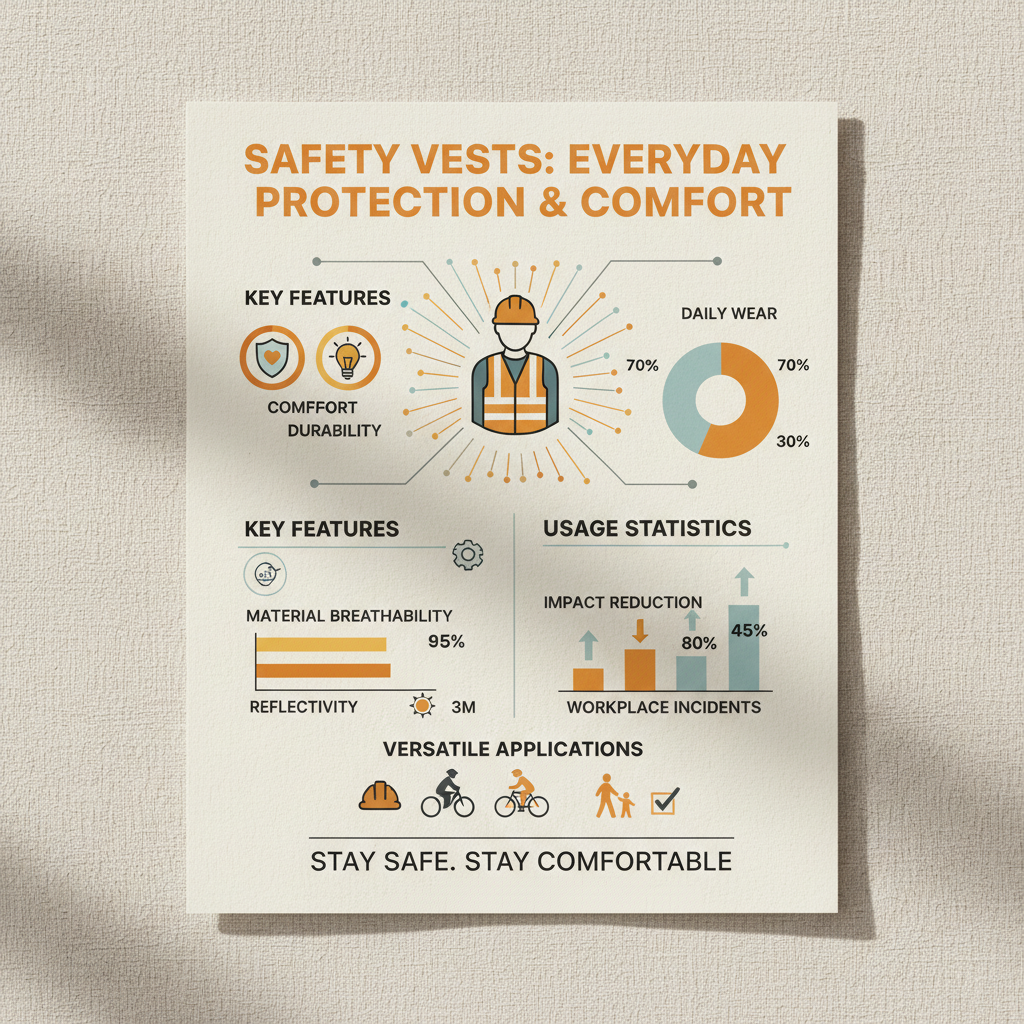
Durability is paramount when selecting a ppe safety vest. The vest must be able to withstand the rigors of the work environment, including abrasion, tearing, and repeated washing. Higher-quality vests are constructed from robust materials designed for longevity, offering a better return on investment.
Visibility is, of course, the most important feature. This is determined by the type and amount of reflective tape used, as well as the brightness of the fluorescent material. Vests must meet relevant safety standards (such as ANSI/ISEA 107) to ensure they provide adequate visibility under various conditions.
Comfort is often overlooked, but it’s critical for encouraging consistent use. A well-designed ppe safety vest will be lightweight, breathable, and allow for a full range of motion. Features like adjustable straps and mesh panels can significantly enhance comfort, particularly during long work shifts.
Practical Applications of ppe safety vest
In the construction industry, ppe safety vests are essential for workers operating near heavy machinery, managing traffic flow, or working in areas with limited visibility. They provide a critical layer of protection against accidental collisions and ensure that workers are easily identified on busy construction sites.
Emergency responders, including firefighters, police officers, and paramedics, rely heavily on ppe safety vests to maintain visibility while working on roadways or at emergency scenes. This is especially crucial during nighttime operations or in inclement weather, where visibility is significantly reduced.
ppe safety vest Application Ratings by Industry
Global Impact and Industries Utilizing ppe safety vest
The utilization of ppe safety vests extends far beyond national borders. In post-disaster relief operations, for example, these vests are crucial for identifying aid workers and ensuring their safety amidst chaotic and hazardous conditions. International organizations like the Red Cross and Doctors Without Borders routinely deploy teams equipped with high-visibility vests.
In remote industrial zones, such as mining operations in Australia or oil and gas facilities in the Middle East, ppe safety vests are mandated for all personnel working in proximity to moving equipment or hazardous materials. These regions often have stringent safety regulations and prioritize worker protection.
Advantages of High-Quality ppe safety vest
A key advantage of investing in high-quality ppe safety vests is their increased durability. Vests made from robust materials withstand repeated use and washing, reducing the need for frequent replacements and lowering overall costs. This also contributes to sustainability by minimizing waste.
Beyond cost savings, high-quality vests often offer superior comfort and breathability, encouraging consistent use. This directly translates to improved worker safety, as compliant employees are less likely to remove or modify their protective gear. A comfortable worker is a safer worker.
Future Trends and Innovations in ppe safety vest
Emerging technologies are driving innovation in ppe safety vest design. Smart vests incorporating integrated sensors and communication systems are being developed, allowing for real-time monitoring of worker location, vital signs, and environmental hazards. These vests can enhance safety by providing early warnings of potential dangers.
Sustainable materials are also gaining traction. Manufacturers are exploring the use of recycled fabrics and bio-based materials to reduce the environmental impact of ppe safety vests. This aligns with growing demands for environmentally responsible products and practices across all industries.
Furthermore, advancements in reflective materials are leading to vests with increased visibility and performance, even in challenging lighting conditions. These innovations promise to further enhance worker safety and reduce the risk of accidents.
Challenges and Solutions
One common challenge is ensuring consistent compliance with ppe safety vest requirements. Workers may sometimes resist wearing vests due to discomfort or inconvenience. Addressing this requires a comprehensive training program that emphasizes the importance of safety and the benefits of wearing a vest.
Another challenge is the need for proper sizing and fit. A poorly fitting vest may not provide adequate protection or comfort. Employers should offer a range of sizes and provide guidance on selecting the correct fit. Regular inspections can also identify and address fit issues.
Finally, maintaining the cleanliness and reflectivity of ppe safety vests is crucial. Vests should be washed regularly according to the manufacturer's instructions to preserve their visibility. Damaged or worn-out vests should be replaced promptly to ensure continued protection.
Analysis of ppe safety vest Quality and Compliance
| Material Quality |
Reflectivity Performance |
Compliance with Standards |
Comfort & Fit |
| Polyester (Budget) |
Rating: 5/10 |
Basic ANSI Compliance |
Limited Breathability |
| Woven Polyester (Mid-Range) |
Rating: 7/10 |
ANSI/ISEA 107 Compliant |
Moderate Comfort |
| Breathable Mesh (Premium) |
Rating: 9/10 |
Enhanced ANSI Compliance |
Excellent Breathability |
| Recycled Polyester (Eco-Friendly) |
Rating: 6/10 |
Standard ANSI Compliance |
Good Comfort |
| High-Visibility Nylon (Durable) |
Rating: 8/10 |
ANSI/ISEA 107 & 110 Compliant |
Durable and Comfortable |
| Smart Vest w/ Sensors |
Rating: 10/10 |
Highest Safety Standards |
Adjustable and High-Tech |
FAQS
ANSI Class 2 vests are designed for workers who need moderate visibility, typically in environments with slower traffic speeds. Class 3 vests provide the highest level of visibility and are required for workers in high-risk environments with faster traffic speeds or complex work zones. The key difference lies in the amount of reflective material used; Class 3 vests have significantly more. Choosing the correct class is crucial for ensuring adequate protection.
The lifespan of a ppe safety vest depends on usage and washing frequency. Generally, vests should be replaced if the reflective material becomes damaged, faded, or detached. After numerous washes (typically around 25-50), the reflective properties may degrade, reducing visibility. Regularly inspect vests for wear and tear and replace them as needed to maintain safety standards.
Yes, most ppe safety vests can be machine washed, but it's important to follow the manufacturer's instructions. Generally, a gentle cycle with mild detergent is recommended. Avoid using bleach or fabric softener, as these can damage the reflective material. Air drying is preferred over tumble drying, as high heat can also degrade the vest's performance.
Look for vests that meet ANSI/ISEA 107 standards. This standard specifies the requirements for high-visibility safety apparel, ensuring that the vest provides adequate visibility and performance. Compliance with ANSI/ISEA 107 indicates that the vest has been tested and certified to meet rigorous safety standards, offering peace of mind and reliable protection.
Yes, there are specialized ppe safety vests tailored to different industries. For example, vests for marine environments often feature water-resistant materials, while vests for welding may incorporate flame-resistant fabrics. Choosing a vest specifically designed for your industry ensures that it provides the appropriate level of protection and meets the unique hazards of your work environment.
The fit of a ppe safety vest is extremely important. A vest that is too loose can shift during movement, reducing visibility and potentially creating a hazard. A vest that is too tight can restrict movement and be uncomfortable. Ensure the vest fits snugly but allows for a full range of motion, and that adjustable straps are used to achieve a secure and comfortable fit.
Conclusion
In conclusion, the ppe safety vest is a fundamental component of workplace safety, providing critical visibility and protection in a wide range of industries. From ensuring compliance with safety standards to fostering a culture of safety, the benefits of investing in high-quality ppe safety vests are substantial. Understanding the key characteristics, proper usage, and emerging trends in vest technology is essential for minimizing risk and protecting workers.
Looking ahead, continued innovation in materials, design, and technology will further enhance the effectiveness and comfort of ppe safety vests. By embracing these advancements and prioritizing worker safety, organizations can create safer, more productive, and more sustainable work environments. Visit our website at ppe safety vest to explore our full range of safety solutions.