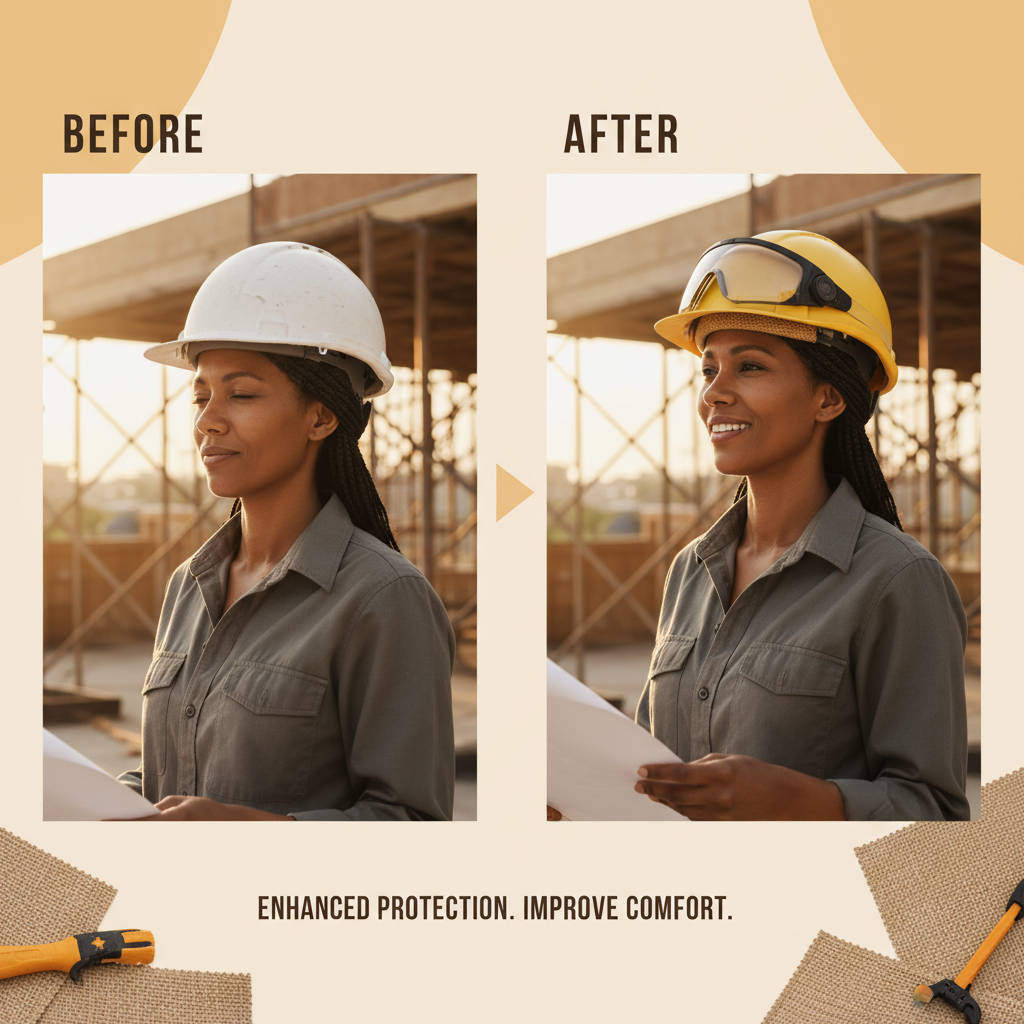
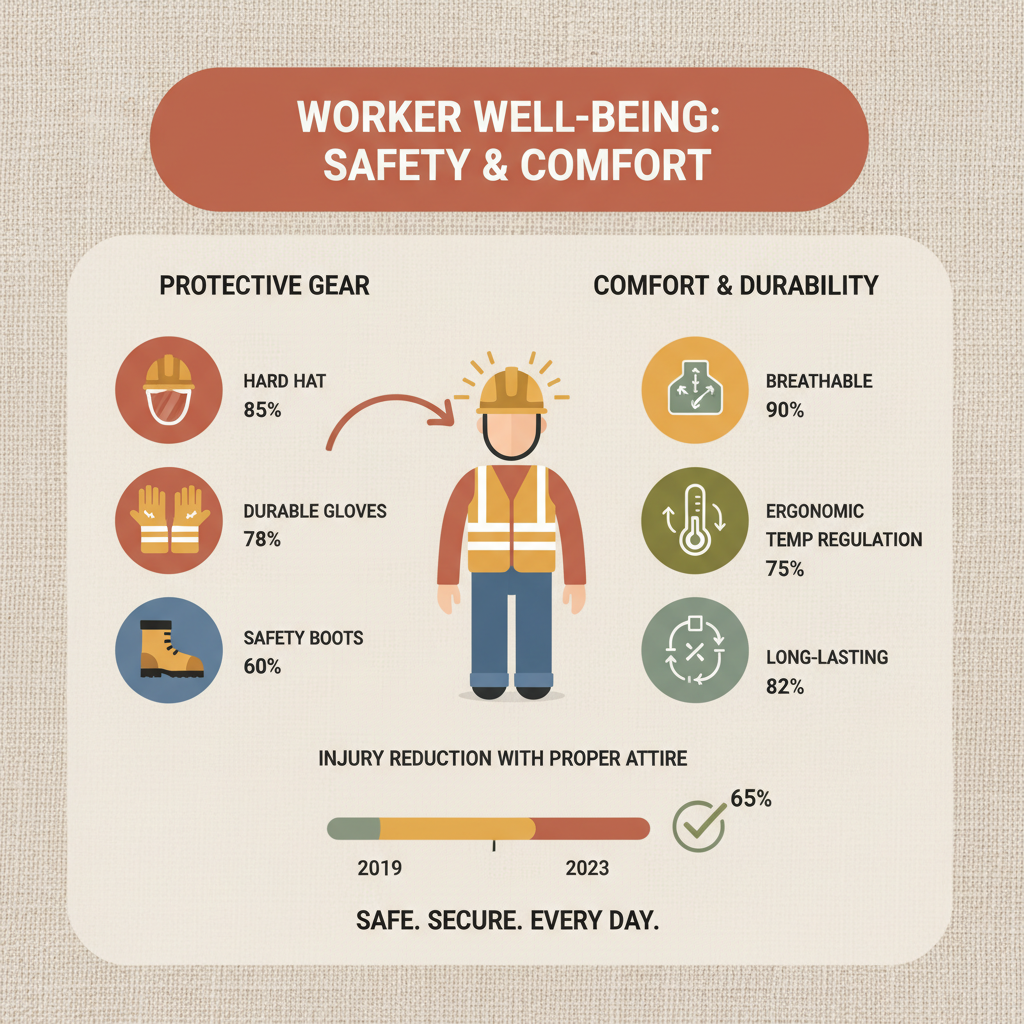
The ubiquitous yellow safety vest is more than just a garment; it's a critical component of workplace safety across countless industries globally. From construction sites and road maintenance crews to airport personnel and emergency responders, the visibility provided by a high-visibility yellow safety vest dramatically reduces the risk of accidents, particularly in low-light conditions or areas with heavy machinery. Its prevalence underscores a universal commitment to protecting workers and maintaining safe operational environments.
The global demand for yellow safety vests is driven by stringent safety regulations implemented by governing bodies like OSHA (Occupational Safety and Health Administration) in the US, and similar organizations worldwide. According to the International Labour Organization (ILO), approximately 2.78 million workers die each year from occupational accidents and work-related diseases. While a yellow safety vest won’t eliminate all workplace hazards, it serves as a fundamental layer of protection, contributing significantly to accident prevention and improved worker well-being. The ISO 20471 standard dictates the performance requirements for high-visibility clothing, ensuring a baseline level of safety.
Increasingly, the adoption of yellow safety vests isn't solely a regulatory requirement, but a demonstration of a company's commitment to a safety-first culture. This focus on worker safety boosts morale, increases productivity, and reduces costs associated with accidents and downtime. The evolution of the yellow safety vest, incorporating features like reflective striping and breathable fabrics, showcases ongoing innovation in the pursuit of enhanced protection and comfort.
The Importance of Yellow Safety Vests
The importance of a high-quality yellow safety vest cannot be overstated. Its core function – enhancing visibility – is paramount in preventing accidents involving workers in hazardous environments. The bright yellow color, combined with strategically placed reflective material, ensures that individuals are easily seen by drivers, equipment operators, and other personnel, even in challenging conditions such as darkness, rain, or fog. yellow safety vest saves lives.
Beyond the immediate safety benefits, wearing a yellow safety vest contributes to a culture of safety within an organization. It signals a commitment to worker well-being and reinforces the importance of adhering to safety protocols. This, in turn, can lead to increased employee morale and a more productive work environment.
Global Context and Regulations
Globally, the use of high-visibility clothing, including yellow safety vests, is governed by a complex web of regulations and standards. In Europe, the EN ISO 20471 standard sets out the requirements for visibility levels, ensuring a consistent level of protection across different countries. Similar standards exist in North America (ANSI/ISEA 107) and Australia/New Zealand (AS/NZS 4602.1). These regulations dictate the amount of reflective material, the color requirements, and the testing procedures that a yellow safety vest must meet to be certified for use.
The enforcement of these regulations varies significantly by country and industry. However, the trend is towards stricter safety standards and increased penalties for non-compliance. This is driven by growing awareness of the costs associated with workplace accidents, both in terms of human suffering and economic losses. The increased prevalence of a yellow safety vest is a testament to this evolution.
Beyond national regulations, international organizations like the ILO play a role in promoting workplace safety and encouraging the adoption of best practices. The ILO's conventions and recommendations serve as a framework for governments and employers to improve safety standards and protect workers' rights.
Defining the Yellow Safety Vest
A yellow safety vest, fundamentally, is a garment designed to enhance the wearer's visibility, particularly in low-light or high-risk environments. It typically consists of a brightly colored (often fluorescent yellow) fabric, usually polyester, with strategically placed reflective strips. These strips are made of retroreflective material, which bounces light back towards its source, making the wearer highly visible to approaching vehicles or personnel.
The modern yellow safety vest is a direct response to the growing industrialization of the 20th century and the increased risks associated with working in and around moving machinery and vehicles. Initially, simple high-visibility materials were used, but advancements in fabric technology and reflective materials have led to the development of increasingly effective and comfortable vests. The use of yellow safety vest is critical in many industries.
Today, yellow safety vests are not just limited to industrial settings. They are also commonly used by emergency responders, road construction workers, cyclists, and even school children, highlighting their versatility and broad applicability in ensuring safety across a wide range of activities.
Key Factors for Effective Yellow Safety Vests
Several key factors contribute to the effectiveness of a yellow safety vest. Durability is crucial, as vests are often subjected to harsh conditions and frequent washing. The quality of the fabric and the stitching directly impacts the vest's lifespan and its ability to maintain its visibility.
Another critical factor is the reflective material used. Different grades of reflective material offer varying levels of reflectivity. High-performance reflective tape provides superior visibility, especially at night or in low-light conditions.
Yellow Safety Vest Performance Comparison
Applications Across Industries and Regions
The applications of yellow safety vests are incredibly diverse, spanning nearly every industry where workers are exposed to potential hazards. Construction is perhaps the most visible sector, with workers routinely required to wear vests on job sites. Road maintenance and traffic control personnel also heavily rely on these vests for protection.
Beyond these core industries, yellow safety vests are essential in warehousing and logistics, airport ground crews, emergency services (police, fire, ambulance), and even agricultural settings. In post-disaster relief operations, providing yellow safety vests to responders and volunteers is crucial for ensuring their safety in chaotic and dangerous environments.
The Advantages of Using Yellow Safety Vests
The most tangible benefit of using yellow safety vests is, undoubtedly, the reduction in workplace accidents and injuries. By enhancing visibility, these vests significantly decrease the risk of collisions between workers and vehicles or equipment. This translates into fewer lost-time injuries, reduced healthcare costs, and improved worker morale.
Beyond the safety aspects, yellow safety vests can also contribute to improved productivity. When workers feel safe and protected, they are more likely to focus on their tasks and perform at their best. Furthermore, compliance with safety regulations can avoid costly fines and legal liabilities. A quality yellow safety vest is a sound investment.
From a broader perspective, the use of yellow safety vests demonstrates a commitment to corporate social responsibility, enhancing a company's reputation and attracting both employees and customers who value safety and ethical practices.
Future Trends in Yellow Safety Vest Technology
The future of yellow safety vest technology is focused on enhancing both safety and comfort. We're seeing the integration of smart technologies, such as embedded sensors that can detect falls or monitor worker fatigue, providing real-time alerts to supervisors. These “smart vests” represent a significant step forward in proactive safety management.
Material science is also playing a crucial role. Researchers are developing new fabrics that are lighter, more breathable, and offer improved durability and reflectivity. The development of sustainable materials, made from recycled plastics or bio-based sources, is also gaining traction, aligning with the growing demand for environmentally friendly products.
Furthermore, advancements in digital printing techniques are enabling customized vests with logos, company branding, and even individual worker identification, further enhancing safety and accountability.
Summary of Future Trends in Yellow Safety Vest Technology
| Trend Category |
Technology Focus |
Expected Impact |
Implementation Timeline |
| Smart Vests |
Embedded Sensors (Fall Detection, Fatigue Monitoring) |
Real-time Safety Alerts, Proactive Risk Management |
2-5 Years |
| Advanced Materials |
Lightweight, Breathable, Durable Fabrics |
Increased Worker Comfort, Extended Vest Lifespan |
1-3 Years |
| Sustainable Materials |
Recycled Plastics, Bio-Based Fabrics |
Reduced Environmental Impact, Improved Brand Image |
3-5 Years |
| Digital Printing |
Customizable Logos, Branding, Worker IDs |
Enhanced Safety Identification, Improved Brand Visibility |
Currently Available |
| Enhanced Reflectivity |
Next-generation retroreflective materials |
Superior visibility in low-light conditions |
1-2 Years |
| Integrated Communication |
Bluetooth connectivity for worker communication |
Improved coordination and safety awareness |
5+ Years |
FAQS
The lifespan of a yellow safety vest depends on several factors, including the quality of the materials, the frequency of use, and the washing conditions. Generally, a well-maintained vest made from durable polyester fabric can last for 1-3 years with regular use. However, the reflective material may degrade over time, reducing its effectiveness. Regular inspection for fading or damage is crucial.
Proper washing is essential to maintain the visibility of a yellow safety vest. Always follow the manufacturer's instructions. Generally, it's recommended to wash vests in cold water with a mild detergent. Avoid using bleach or fabric softeners, as these can damage the reflective material. Tumble dry on low heat or hang to dry. Frequent washing can shorten the vest's lifespan, so wash only when necessary.
ANSI/ISEA 107 defines three classes of high-visibility garments: Class 1, Class 2, and Class 3. Class 1 provides the minimum level of visibility and is suitable for low-risk environments. Class 2 offers enhanced visibility and is commonly used in work zones and around moving vehicles. Class 3 provides the highest level of visibility and is required for high-risk environments, such as highway construction and emergency response.
No, not all yellow safety vests are equal. The amount and quality of reflective material used significantly impact the vest’s reflectivity. Vests with more reflective material and higher-grade reflective tape offer superior visibility, especially in low-light conditions. Look for vests that meet or exceed ANSI/ISEA 107 standards for reflectivity.
A yellow safety vest primarily enhances visibility, reducing the risk of being struck by vehicles or equipment. However, it does not protect against all workplace hazards. It’s crucial to use the vest in conjunction with other personal protective equipment (PPE) as required by the job task and workplace safety regulations, such as hard hats, safety glasses, and appropriate footwear.
Several signs indicate that a yellow safety vest needs to be replaced. These include fading of the fluorescent color, cracks or peeling of the reflective material, tears or holes in the fabric, and general wear and tear that compromises the vest’s integrity. Regularly inspect your vest for these signs and replace it promptly if any are present.
Conclusion
In conclusion, the yellow safety vest remains a cornerstone of workplace safety, providing a simple yet effective means of enhancing visibility and reducing the risk of accidents. Its global prevalence underscores its universal importance in protecting workers across a vast range of industries. From adhering to stringent regulatory standards to embracing innovative materials and technologies, the evolution of the yellow safety vest continues to prioritize worker well-being and promote a culture of safety.
Looking ahead, continued advancements in smart technology and sustainable materials promise to further enhance the performance and environmental friendliness of yellow safety vests. Prioritizing regular inspection, proper maintenance, and adherence to safety guidelines will ensure that this essential piece of PPE continues to save lives and protect workers for years to come. For high-quality yellow safety vest solutions, visit our website today.