Construction safety helmets are indispensable pieces of personal protective equipment (PPE) in the global construction industry, and increasingly vital in other sectors like mining, forestry, and even emergency response. They represent a fundamental line of defense against head injuries, a leading cause of workplace fatalities and long-term disabilities. Understanding the intricacies of construction safety helmet design, standards, and proper usage is paramount to fostering safer work environments worldwide.
The relevance of construction safety helmets extends beyond immediate worker protection. Adherence to safety standards, including helmet use, directly impacts project costs through reduced insurance premiums and minimized downtime due to accidents. Furthermore, a strong safety culture, signaled by the consistent use of appropriate PPE like helmets, enhances a company's reputation and demonstrates a commitment to employee well-being. The UN Sustainable Development Goals (SDGs), particularly Goal 8 (Decent Work and Economic Growth), are inherently linked to workplace safety practices.
Statistics from organizations like the Occupational Safety and Health Administration (OSHA) and the European Agency for Safety and Health at Work consistently highlight the significant reduction in head injury severity when properly fitted and used construction safety helmets are worn. This simple yet effective piece of equipment addresses a critical safety challenge and contributes to a more productive and responsible workforce.
Introduction to Construction Safety Helmets
The cornerstone of any robust safety program on a construction site is the provision and mandatory use of construction safety helmets. These helmets are engineered to protect workers from a variety of head hazards, including falling objects, impacts from stationary structures, and electrical shock. Their presence signals a commitment to worker safety and minimizes the risk of severe, life-altering injuries.
Beyond direct physical protection, the consistent implementation of construction safety helmet protocols fosters a safety-conscious culture. This proactive approach encourages workers to prioritize safety in all aspects of their work, reducing the overall incident rate and promoting a more secure and productive work environment. Effective programs emphasize proper fitting, inspection, and replacement of helmets, maximizing their protective capabilities.
Defining Construction Safety Helmets
A construction safety helmet, often referred to simply as a hard hat, is a type of helmet specifically designed to protect the head from impact, penetration, and electrical hazards. They are typically constructed from a rigid outer shell and an internal suspension system that absorbs and distributes impact forces. These helmets are essential for anyone working in an environment where there is a risk of head injury.
The connection to modern industry is undeniable. As construction projects become increasingly complex and utilize larger, heavier materials, the risk of head injuries escalates. Construction safety helmets provide a vital safeguard against these hazards, enabling workers to perform their tasks with greater confidence and reducing the potential for costly and devastating accidents.
In the context of humanitarian needs, construction safety helmets also play a critical role in disaster relief and infrastructure reconstruction efforts. Providing appropriate PPE to aid workers and local communities involved in rebuilding damaged structures is crucial for ensuring their safety and well-being.
Key Factors of Effective Construction Safety Helmets
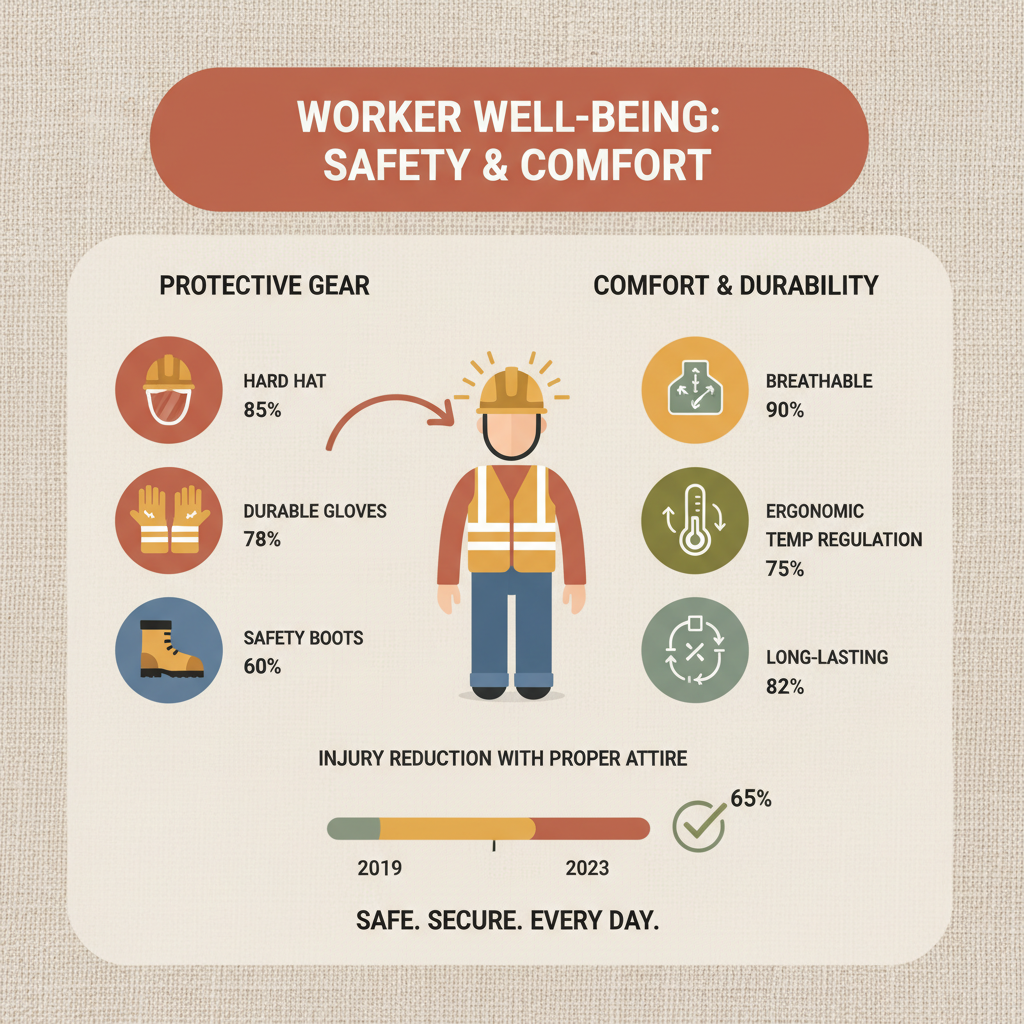
Durability: Construction safety helmets must be able to withstand repeated impacts and harsh environmental conditions. High-quality helmets are manufactured from robust materials, such as high-density polyethylene (HDPE) or advanced composites, that maintain their protective integrity over time. The helmet’s shell must resist cracking, deformation, and penetration.
Impact Absorption: The internal suspension system is critical for dissipating impact forces. This system typically consists of a harness and a crown band designed to absorb energy and reduce the amount of force transmitted to the head. Proper adjustment of the suspension system is essential for optimal performance.
Electrical Insulation: Many construction sites involve exposure to electrical hazards. Class E helmets are specifically designed to provide protection from electrical shock by incorporating non-conductive materials. The ability to withstand high-voltage exposure is a crucial feature for workers in these environments.
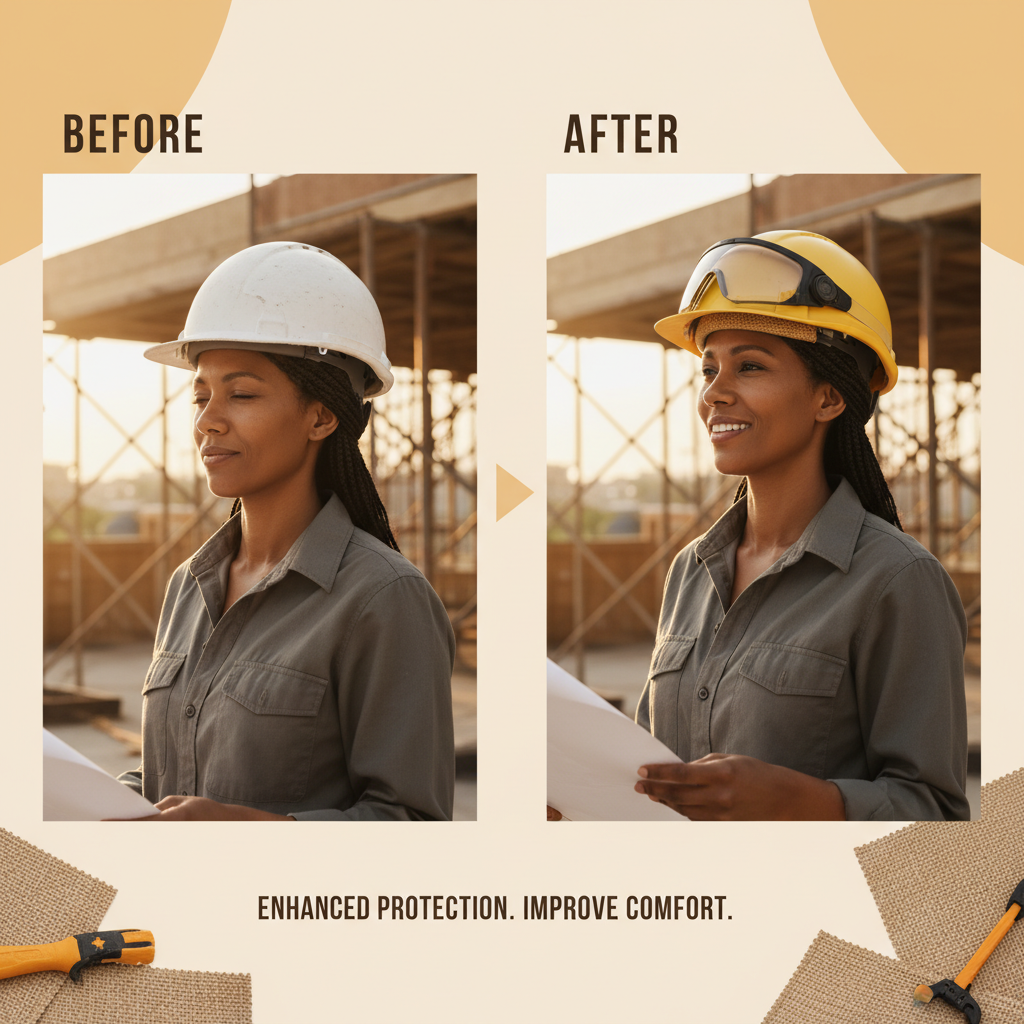
Comfort & Fit: A comfortable and properly fitted helmet is more likely to be worn consistently. Adjustable suspension systems, adequate ventilation, and lightweight materials contribute to enhanced comfort and user acceptance. Proper fit ensures the helmet remains securely in place during movement.
Visibility: High-visibility colors, such as white, yellow, and orange, are commonly used to improve worker visibility, particularly in low-light conditions or congested work areas. Reflective tape can further enhance visibility, increasing safety awareness.
Compliance & Standards: Construction safety helmets must meet relevant industry standards, such as those established by ANSI (American National Standards Institute) or EN (European Norms). Compliance with these standards ensures the helmet has been rigorously tested and meets specific performance criteria.
Global Applications and Use Cases
Construction safety helmets are universally applied in construction projects across the globe, from large-scale infrastructure developments to smaller residential builds. In regions with rapidly expanding urban centers, such as Asia and Africa, helmet use is increasingly mandated to protect the growing construction workforce. They are not limited to construction though.
The mining industry relies heavily on construction safety helmets to protect miners from falling rock and debris in underground and surface operations. Similarly, forestry workers utilize helmets to safeguard against falling branches and other hazards encountered during tree felling and logging activities. In remote industrial zones, such as oil and gas facilities, helmets are essential for protecting workers from potential impacts and electrical hazards.
In post-disaster relief operations, construction safety helmets are crucial for protecting rescue workers and volunteers involved in clearing debris and rebuilding infrastructure. Organizations like the Red Cross and FEMA routinely equip their teams with appropriate PPE, including helmets, to ensure their safety during these critical missions.
Construction Safety Helmet Performance Metrics
Advantages and Long-Term Value
The primary advantage of using construction safety helmets is, undeniably, the reduction in head injury risk. This translates to lower healthcare costs, reduced workers' compensation claims, and minimized disruption to projects. Investing in high-quality helmets and promoting their consistent use is a financially sound decision.
Beyond cost savings, construction safety helmets contribute to enhanced worker morale and productivity. When employees feel safe and protected, they are more likely to focus on their tasks and perform at their best. This creates a positive feedback loop, fostering a culture of safety and continuous improvement. The inherent dignity of protecting workers also adds significant long-term value.
Future Trends and Innovations
Integration of smart technologies is a key emerging trend. Helmets equipped with sensors can detect impacts, monitor worker fatigue, and provide real-time alerts to supervisors. These “smart helmets” offer a proactive approach to safety management.
The development of lighter, more durable materials, such as advanced composites and nanomaterials, is also driving innovation. These materials enhance impact absorption while reducing the overall weight of the helmet, improving comfort and usability. Sustainability is becoming increasingly important, with manufacturers exploring the use of recycled materials and eco-friendly manufacturing processes.
Challenges and Solutions
A significant challenge is ensuring consistent helmet usage. Workers may be reluctant to wear helmets due to discomfort, inconvenience, or a perceived lack of risk. Comprehensive training programs that emphasize the importance of helmet use and address common concerns are essential.
Another challenge is maintaining helmet integrity. Regular inspection and proper storage are crucial for identifying damage and ensuring the helmet continues to provide adequate protection. Implementing a robust helmet replacement program and providing readily accessible replacement helmets can address this issue.
Finally, counterfeit helmets pose a serious threat. These substandard products often lack the necessary protective features and can provide a false sense of security. Sourcing helmets from reputable manufacturers and verifying compliance with industry standards are crucial for mitigating this risk.
Summary of Construction Safety Helmet Challenges and Solutions
| Challenge |
Impact Severity |
Implementation Difficulty |
Proposed Solution |
| Low Helmet Usage Rates |
High |
Medium |
Mandatory training programs & Positive Reinforcement |
| Helmet Damage/Wear & Tear |
Medium |
Low |
Regular Inspection Schedules & Replacement Policies |
| Counterfeit Helmets |
High |
High |
Verified Supplier Network & Product Authentication |
| Poor Helmet Fit |
Medium |
Low |
Adjustable Suspension Systems & Proper Fitting Guidance |
| Lack of Awareness Regarding Standards |
Medium |
Medium |
Education on ANSI/EN Standards & Certification Marks |
| Environmental Conditions Impacting Helmet Life |
Low |
Low |
UV-Resistant Materials & Proper Storage Protocols |
FAQS
Construction safety helmets should be replaced every five years, even if they show no visible signs of damage. UV exposure and general wear and tear can degrade the helmet's materials over time, reducing its protective capabilities. Additionally, helmets should be replaced immediately after any significant impact, even if no visible damage is apparent. Always refer to the manufacturer’s recommendations for specific replacement guidelines.
Type I helmets are designed to protect against impacts to the top of the head, while Type II helmets offer protection from both top and side impacts. Type II helmets are generally recommended for applications where there is a higher risk of lateral impacts, such as working near moving equipment or in areas with overhead obstructions. Ensure the helmet selected meets the specific hazards of your worksite.
A proper fit is crucial for helmet effectiveness. Begin by measuring your head circumference using a flexible measuring tape. Adjust the suspension system inside the helmet to achieve a snug but comfortable fit. The helmet should sit level on your head and not rock forward or backward. Ensure the chinstrap is securely fastened. Regularly check the fit, especially after making adjustments.
Modifying a construction safety helmet is generally not recommended, as it can compromise its structural integrity and reduce its protective capabilities. Manufacturers design helmets to meet specific safety standards, and any alterations can invalidate those certifications. If you require accessories, choose those specifically approved by the helmet manufacturer.
Helmet color codes can vary depending on the worksite and company policy. Generally, white helmets are often used for site managers and supervisors, while blue helmets are for general labor. Red helmets may indicate specialized roles or training. It’s vital to understand and adhere to the specific color coding system established at your workplace for clear role identification and safety management.
Yes, numerous regulations govern the use of construction safety helmets. In the United States, OSHA requires employers to provide appropriate PPE, including helmets, and ensure their proper use. European regulations are governed by EN standards. Compliance with these regulations is essential for protecting worker safety and avoiding potential legal liabilities. Always check and adhere to local and national safety standards.
Conclusion
Construction safety helmets are an indispensable element of workplace safety, offering critical protection against head injuries. Their consistent and correct use, coupled with adherence to industry standards, significantly reduces the risk of accidents and promotes a culture of safety. Investing in quality helmets and comprehensive training programs is a financially sound and ethically responsible decision.
Looking ahead, ongoing innovation in materials, design, and smart technologies will further enhance the protective capabilities and usability of construction safety helmets. Continued focus on raising awareness, enforcing regulations, and promoting a safety-first mindset is vital for ensuring the well-being of workers in the construction industry and beyond. Visit our website to learn more: construction safety helmet.