The global demand for robust personal protective equipment (PPE) is ever-increasing, driven by stricter safety regulations, expanding industrial sectors, and a heightened awareness of workplace hazards. Within this landscape, the 4 point safety helmet stands as a critical component of worker safety, offering enhanced head protection in diverse environments. Understanding the nuances of these helmets—their design, functionality, and applications—is paramount for industries aiming to minimize risks and prioritize employee wellbeing. The consistent evolution of materials and design in 4 point safety helmet technology directly impacts injury reduction and operational efficiency.
The importance of a reliable 4 point safety helmet extends beyond mere compliance; it’s a cornerstone of responsible industrial practice. Globally, workplace injuries result in significant economic losses due to lost productivity, medical expenses, and compensation claims. Organizations like the International Labour Organization (ILO) actively promote safety standards to reduce these costs and improve worker conditions. The selection and proper use of a 4 point safety helmet, therefore, represent a proactive investment in a healthier and more productive workforce.
Modern manufacturing, construction, and resource extraction industries are particularly reliant on effective head protection. As workplaces become increasingly complex and hazardous, the demand for advanced safety equipment, including specialized 4 point safety helmets tailored to specific risks, continues to grow. The benefits of implementing comprehensive safety protocols, centered around quality PPE like the 4 point safety helmet, are well-documented and directly contribute to a safer and more sustainable work environment.
The Significance of 4 Point Safety Helmet
A 4 point safety helmet isn’t merely a piece of protective gear; it’s a critical safeguard against potential head injuries in a multitude of work environments. Its significance lies in its ability to distribute impact forces across a wider area of the head, minimizing the risk of skull fractures, concussions, and other severe trauma. Industries ranging from construction and manufacturing to forestry and mining rely on these helmets to protect their workforce.
The increasing emphasis on worker safety regulations and corporate social responsibility has further underscored the importance of high-quality 4 point safety helmets. Companies that prioritize employee wellbeing often experience improved morale, reduced absenteeism, and increased productivity. Choosing the right 4 point safety helmet, therefore, is a strategic decision that benefits both the worker and the organization.
Understanding 4 Point Safety Helmet: A Detailed Definition
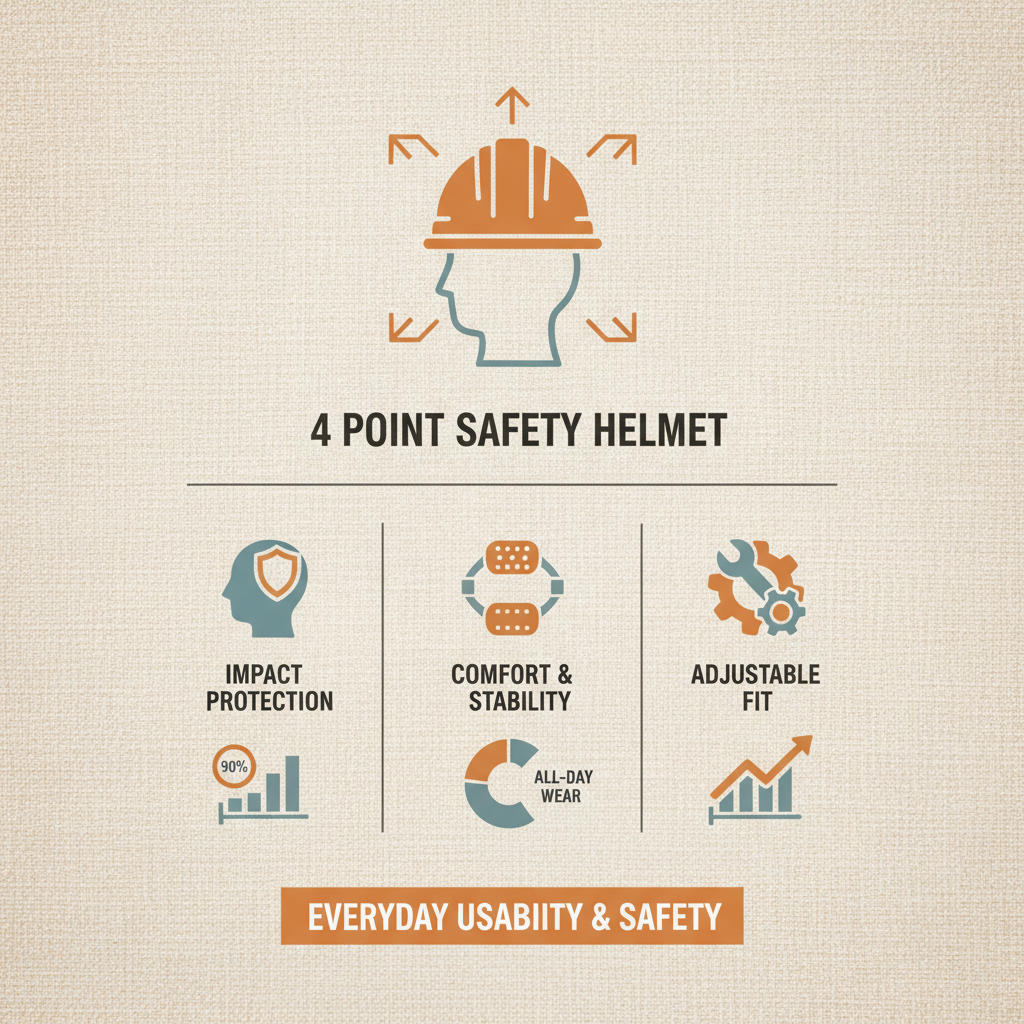
A 4 point safety helmet, at its core, is a type of head protection designed to shield the wearer from falling objects, impacts, and electrical hazards. The “4 point” designation refers to the internal suspension system comprised of four distinct points of contact with the wearer’s head. This system is engineered to absorb and dissipate impact energy, reducing the force transmitted to the skull. Unlike basic hard hats, 4 point helmets typically offer a more secure and comfortable fit, enhancing both protection and usability.
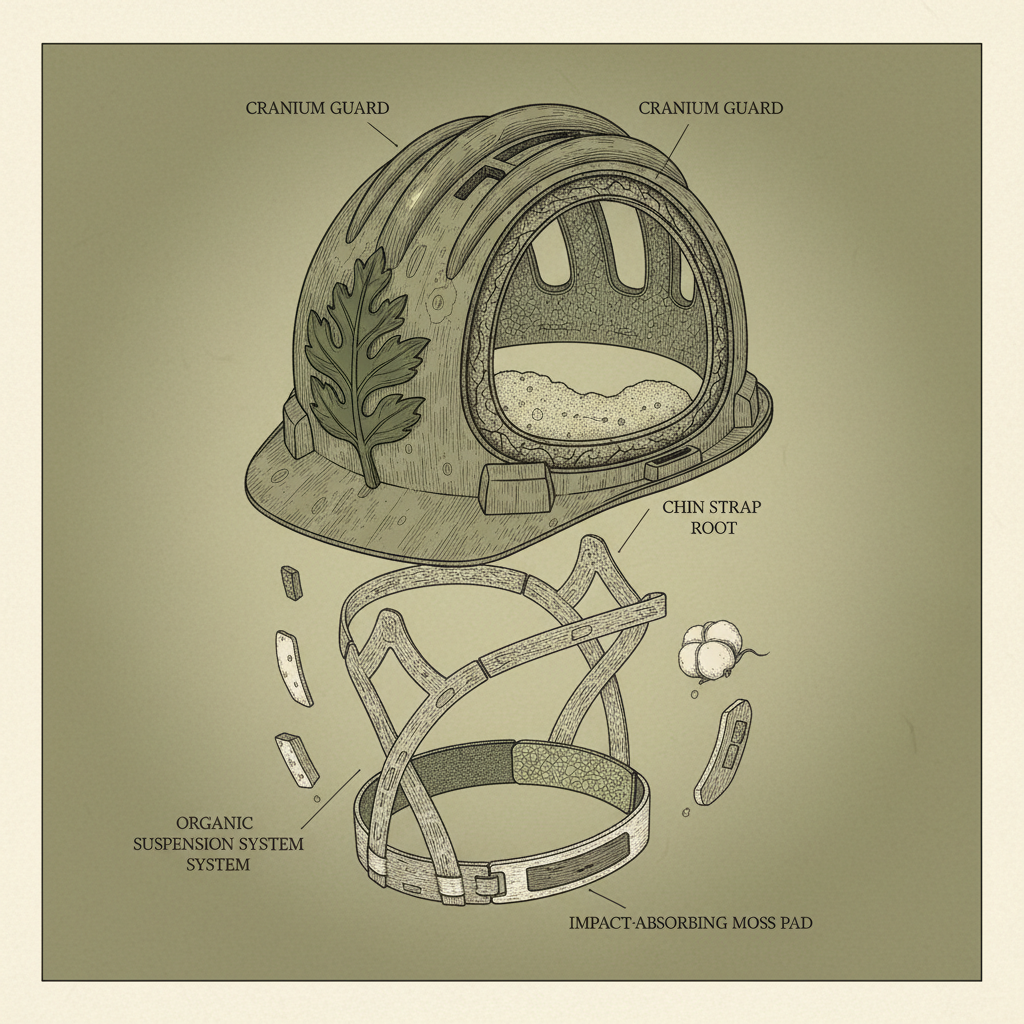
The design of a modern 4 point safety helmet often incorporates a robust outer shell, usually made from high-density polyethylene (HDPE) or advanced composites, and a shock-absorbing inner liner, commonly constructed from expanded polystyrene (EPS). Many models also include features such as adjustable headbands, chin straps, and ventilation systems to improve comfort and ensure a secure fit during demanding tasks.
This type of helmet plays a critical role in maintaining safety standards in environments where head injuries are a significant risk. They are essential in sectors demanding superior protection due to the higher potential for severe impacts, going beyond the basic requirements of standard head protection.
Core Components of Superior 4 Point Safety Helmet Design
The effectiveness of a 4 point safety helmet relies on a combination of carefully engineered components. Firstly, the shell material plays a vital role in resisting penetration and distributing impact force. Secondly, the internal suspension system, with its four crucial points, provides a buffer between the head and the shell, absorbing shock and minimizing the risk of trauma. Proper ventilation is also essential for maintaining comfort and preventing overheating during prolonged use.
Another critical aspect is the chin strap, which ensures the helmet remains securely fastened during movement and impact. The adjustability of the headband is equally important, allowing for a customized fit that maximizes comfort and stability. Finally, the overall design should prioritize ease of use, allowing workers to quickly and easily don and doff the helmet without compromising safety.
Beyond the basic components, modern 4 point safety helmets often incorporate features such as integrated face shields, hearing protection mounts, and attachment points for headlamps. These additions further enhance the helmet’s functionality and provide comprehensive protection against a wider range of workplace hazards. Material selection, such as the use of advanced polymers, also contributes significantly to the helmet’s overall performance and durability.
Global Applications and Diverse Use Cases for 4 Point Safety Helmet
The applications of a 4 point safety helmet are incredibly diverse, spanning a wide range of industries and geographical locations. In the construction sector, these helmets are indispensable for protecting workers from falling debris and impact hazards on building sites across the globe. Similarly, in the manufacturing industry, they are crucial for safeguarding employees in environments where there's a risk of head injuries from machinery or dropped objects.
Mining operations, both surface and underground, present particularly challenging conditions, and 4 point safety helmets are essential for protecting miners from rockfalls, falling equipment, and other hazards. Forestry workers also rely heavily on these helmets while felling trees and operating heavy machinery. In remote industrial zones, where access to medical care may be limited, the availability of reliable head protection is particularly critical.
Furthermore, 4 point safety helmets are increasingly used in specialized applications such as search and rescue operations, emergency response teams, and even certain types of recreational activities. In post-disaster relief operations, providing responders with appropriate head protection is paramount for ensuring their safety while navigating hazardous environments.
Comparative Analysis of 4 Point Safety Helmet Performance
Advantages and Long-Term Value of Utilizing 4 Point Safety Helmet
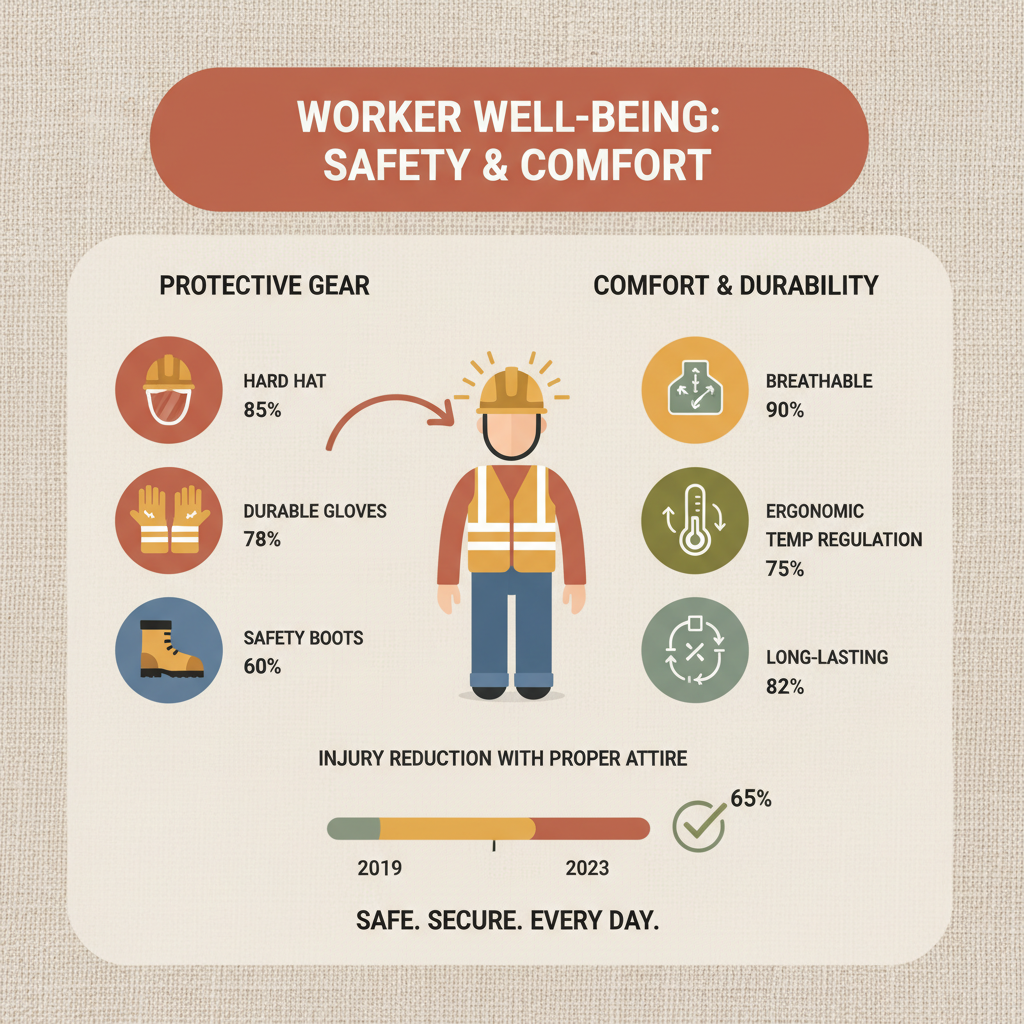
The benefits of investing in high-quality 4 point safety helmet extend far beyond immediate protection. Reduced workplace injuries translate to lower insurance premiums, decreased medical expenses, and minimized lost productivity. The implementation of robust safety protocols, including the use of appropriate PPE, demonstrates a commitment to employee wellbeing, fostering a positive work environment and enhancing employee morale.
From a sustainability perspective, durable and well-maintained 4 point safety helmets contribute to a reduction in waste, as they are less likely to require frequent replacement. This aligns with growing corporate social responsibility initiatives focused on environmental stewardship. The long-term value lies in creating a culture of safety, protecting human capital, and ensuring the continuity of operations.
Future Trends and Innovations in 4 Point Safety Helmet Technology
The future of 4 point safety helmet technology is poised for significant innovation. We’re already seeing the integration of smart technologies, such as embedded sensors that can detect impacts, monitor worker fatigue, and even communicate real-time data to safety managers. The development of lighter and more durable materials, such as advanced composites and graphene-enhanced polymers, will further enhance both protection and comfort.
Another emerging trend is the customization of helmets to specific workplace hazards. This may involve incorporating specialized features such as integrated communication systems, enhanced visibility elements, and customized ventilation systems. The integration of augmented reality (AR) technology could also provide workers with real-time information and guidance, further improving safety and efficiency.
Challenges and Solutions Related to 4 Point Safety Helmet Implementation
Despite the clear benefits, several challenges can hinder the effective implementation of 4 point safety helmet programs. One common issue is ensuring proper fit and encouraging consistent usage among workers. This requires comprehensive training programs and ongoing reinforcement of safety protocols. Another challenge is the cost of high-quality helmets, which can be a barrier for some organizations.
However, these challenges can be addressed through strategic solutions. Organizations can implement helmet fitting programs to ensure workers have the correct size and a secure fit. Investing in durable, long-lasting helmets can offset the initial cost over time. Furthermore, exploring group purchasing options and seeking government subsidies can help reduce the financial burden. Regular inspections and maintenance programs are also essential for ensuring the helmets remain in good working condition.
Addressing worker complacency and promoting a safety-first culture are paramount. Leadership commitment, coupled with employee involvement in safety initiatives, can create a sustainable and effective 4 point safety helmet program.
A summary table of key considerations for 4 point safety helmet selection and implementation
| Hazard Type |
Helmet Material |
Fit & Comfort |
Additional Features |
| Impact from Falling Objects |
High-Density Polyethylene (HDPE) |
Adjustable Suspension System (4-Point) |
Impact Indicator |
| Electrical Hazards |
Non-Conductive Polymer |
Moisture-Wicking Liner |
Chin Strap with Quick Release |
| Extreme Weather Conditions |
UV-Resistant Composite |
Adjustable Ventilation |
Integrated Face Shield Attachment |
| Low Visibility Environments |
High-Visibility Color |
Reflective Strips |
Integrated Headlamp Mount |
| Confined Spaces |
Low-Profile Design |
Adjustable Headband |
Compatible with Communication Systems |
| High-Impact Environments |
Carbon Fiber Composite |
Advanced Cushioning |
Enhanced Impact Absorption |
FAQS
The lifespan of a 4 point safety helmet typically ranges from 2.5 to 5 years, depending on the material, usage intensity, and environmental exposure. Regularly inspect your helmet for cracks, damage, or degradation of the suspension system. Most manufacturers recommend replacing helmets after a significant impact, even if no visible damage is apparent. Always adhere to the manufacturer’s guidelines for replacement intervals.
Cleaning a 4 point safety helmet is crucial for maintaining its integrity. Use mild soap and water to clean the shell and suspension system. Avoid using harsh chemicals or abrasive cleaners, as they can damage the materials. Allow the helmet to air dry completely before storing it in a cool, dry place away from direct sunlight and extreme temperatures. Replace worn or damaged parts promptly.
When purchasing a 4 point safety helmet, look for certifications from recognized standards organizations such as ANSI (American National Standards Institute) or EN (European Norms). These certifications indicate that the helmet has undergone rigorous testing to meet specific safety requirements. Ensure the helmet is certified for the specific hazards present in your workplace.
A proper fit is absolutely critical for a 4 point safety helmet to provide adequate protection. The helmet should fit snugly on the head without being too tight or too loose. The suspension system should be adjusted to ensure consistent contact with the head. An ill-fitting helmet can shift during impact, reducing its effectiveness. Always use the adjustable features to achieve a secure and comfortable fit.
Modifying a 4 point safety helmet is generally not recommended, as it can compromise its structural integrity and void the manufacturer’s warranty. Any alterations, such as drilling holes or adding attachments, can weaken the shell and reduce its ability to protect against impact. Always use accessories that are specifically designed and approved for use with your helmet.
4 point safety helmets generally offer superior protection compared to standard hard hats due to their enhanced suspension system and more secure fit. The 4-point suspension distributes impact forces more effectively, reducing the risk of head injuries. 4 point helmets are often lighter and more comfortable, promoting greater worker compliance. They are specifically designed for applications where a high level of head protection is required.
Conclusion
In conclusion, the 4 point safety helmet represents a vital component of workplace safety, offering superior head protection across a diverse range of industries and applications. Its robust design, combined with advanced materials and customizable features, ensures both protection and comfort for workers facing potential head injury hazards. Investing in quality 4 point safety helmets is not merely a matter of compliance, but a strategic decision that reflects a commitment to employee wellbeing and operational efficiency.
Looking ahead, continuous innovation in materials, smart technologies, and ergonomic design will further enhance the performance and usability of 4 point safety helmets. Prioritizing comprehensive training programs, consistent enforcement of safety protocols, and proactive helmet maintenance will be crucial for maximizing the benefits of this essential safety equipment. By embracing these advancements and fostering a safety-first culture, organizations can significantly reduce workplace injuries and create a more sustainable and productive work environment.