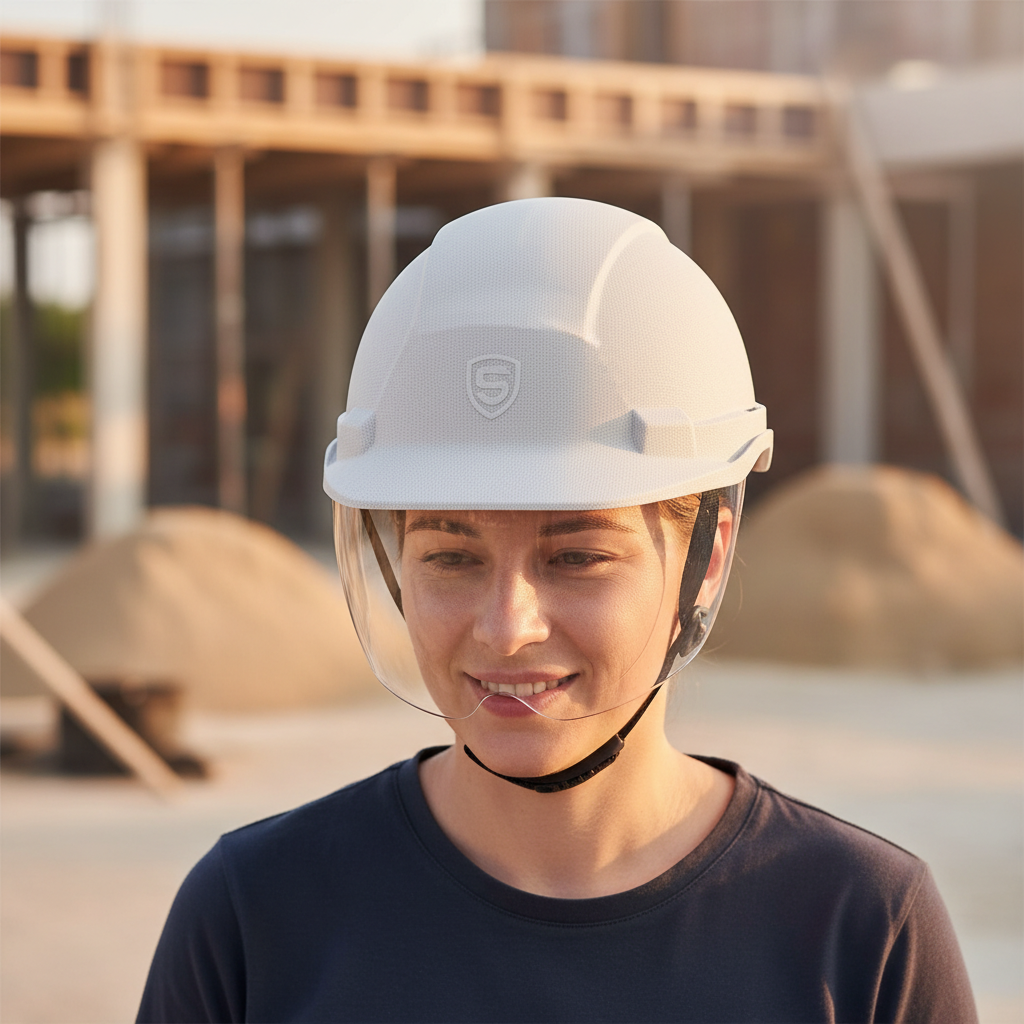
The global need for reliable head protection is paramount, particularly in industries and situations where impact and penetration hazards are present. The `abs safety helmet` has emerged as a crucial component in ensuring worker safety and minimizing head injuries across various sectors. From construction and manufacturing to mining and emergency services, the demand for robust and effective helmets continues to grow, driven by stricter safety regulations and a heightened awareness of workplace risks. Understanding the features, applications, and future trends surrounding `abs safety helmet` technology is vital for businesses, safety professionals, and individuals alike.
The significance of `abs safety helmet` extends beyond immediate injury prevention; it directly impacts productivity, morale, and legal compliance. A proactive approach to head protection fosters a culture of safety, reducing lost workdays and associated costs. As industries evolve and new challenges arise, the development of advanced helmet materials and designs is essential to meet the changing needs of the workforce. The `abs safety helmet` isn’t simply a piece of protective equipment; it's an investment in the well-being and efficiency of operations.
The proliferation of industries requiring stringent safety protocols has fuelled a global demand for high-quality head protection. The increasing focus on worker well-being, coupled with legal mandates, underlines the indispensable role of the `abs safety helmet` in promoting safe working environments.
The Core Principles of abs safety helmet
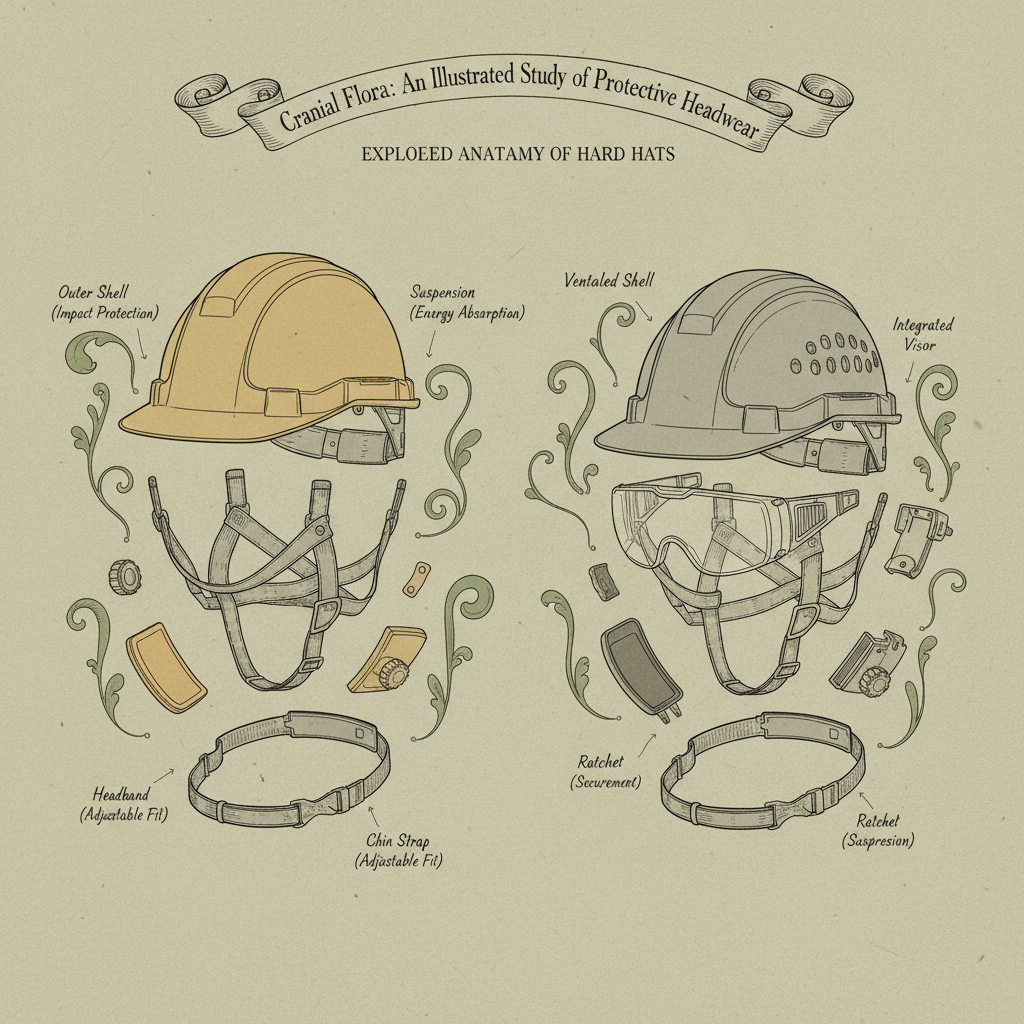
At its core, the design of an `abs safety helmet` revolves around distributing impact forces across the entire shell, minimizing the concentration of energy on a single point. Acrylonitrile Butadiene Styrene (ABS) plastic, the primary material, provides an excellent balance of strength, durability, and impact resistance, making it ideal for this application. The internal suspension system further enhances protection by creating space between the head and the shell, absorbing and deflecting energy during impact.
The effectiveness of an `abs safety helmet` isn't solely determined by the shell material; factors like strap adjustments, ventilation, and chinstrap security are equally crucial. A properly fitted helmet, securely fastened, is essential to maximizing its protective capabilities. Regular inspection for cracks, damage, or wear and tear is also critical to ensure continued reliability.
The Global Relevance of abs safety helmet
The need for `abs safety helmet` is universally acknowledged across industries, with significant demand concentrated in regions experiencing rapid industrialization and infrastructure development. According to the International Labour Organization (ILO), millions of workplace accidents occur annually, many resulting in head injuries. These injuries not only cause immense personal suffering but also impose substantial economic burdens on healthcare systems and businesses. The adoption of stringent safety standards and the widespread use of `abs safety helmet` are vital in mitigating these risks.
In developed nations, regulations like those enforced by OSHA (Occupational Safety and Health Administration) in the United States and similar bodies in Europe mandate the use of appropriate head protection in hazardous environments. Emerging economies, spurred by growing construction sectors and manufacturing hubs, are increasingly recognizing the importance of worker safety and adopting similar regulations. This trend fuels consistent demand for `abs safety helmet` globally.
Data from the World Bank demonstrates a strong correlation between economic growth and increased emphasis on workplace safety. As countries develop, they tend to prioritize worker welfare, leading to a greater demand for protective equipment like the `abs safety helmet`. This shift underlines the helmet’s role not just as a safety tool, but as an indicator of progress and social responsibility.
Defining abs safety helmet
An `abs safety helmet` is a type of head protection designed to shield the wearer from impacts, penetration, and electrical hazards. Constructed primarily from Acrylonitrile Butadiene Styrene (ABS) plastic, the helmet features a rigid outer shell and an internal suspension system to absorb and distribute impact forces. It's a critical piece of personal protective equipment (PPE) used in diverse industries to minimize the risk of head injuries.
The connection to modern industry is direct and undeniable. From the high-rise construction sites of bustling cities to the remote mining operations in rugged terrain, the `abs safety helmet` is a ubiquitous symbol of workplace safety. It’s a foundational element in risk management strategies, ensuring worker compliance with safety regulations and promoting a culture of proactive hazard prevention.
Beyond industrial applications, the `abs safety helmet` plays a vital role in humanitarian efforts and emergency response situations. In post-disaster relief operations, or during rescue missions, these helmets provide essential protection for first responders, allowing them to operate safely in hazardous environments. Their durability and reliability make them invaluable assets in critical situations.
Key Characteristics of abs safety helmet
One of the core aspects of an `abs safety helmet` is its Impact Resistance. ABS plastic offers a substantial level of protection against impacts from falling objects, providing a crucial barrier against skull fractures and other serious head injuries. The shell’s ability to deform and absorb energy is paramount in minimizing the force transmitted to the wearer's head.
Secondly, Durability is a key factor. `Abs safety helmet`s are designed to withstand harsh environmental conditions, including extreme temperatures, UV exposure, and abrasion. Their robust construction ensures longevity, reducing the need for frequent replacements. Regular inspections, however, remain crucial for identifying any signs of wear and tear.
Comparative Performance of abs safety helmet Features
Applications of abs safety helmet Worldwide
In the construction industry, `abs safety helmet` is mandatory on virtually all job sites, protecting workers from falling debris, accidental impacts, and overhead hazards. Similarly, in the mining sector, these helmets are essential for safeguarding personnel from rockfalls and other underground dangers. The robust construction of the `abs safety helmet` ensures it can withstand the harsh conditions often found in these environments.
Emergency services, including firefighters and rescue teams, rely heavily on `abs safety helmet` for protection during critical operations. In post-disaster scenarios, or during building collapses, the helmets provide a crucial layer of defense against falling materials and structural instability. They are often integrated with additional features like face shields and communication devices.
The Long-Term Value of abs safety helmet
The tangible benefits of investing in high-quality `abs safety helmet` are substantial. Reduced workplace accidents translate directly into lower healthcare costs, reduced insurance premiums, and minimized downtime. Furthermore, a commitment to worker safety fosters a positive company reputation and enhances employee morale.
Beyond the economic advantages, the `abs safety helmet` offers significant social and emotional value. Providing workers with reliable head protection demonstrates a genuine commitment to their well-being, fostering a sense of trust and respect. This contributes to a more positive and productive work environment, where employees feel valued and protected.
Future Innovations in abs safety helmet Technology
Emerging trends in `abs safety helmet` technology focus on integrating smart sensors and advanced materials. Researchers are developing helmets equipped with sensors that can detect impacts, monitor worker fatigue, and even provide real-time communication with safety managers. These “smart helmets” represent a significant leap forward in proactive safety management.
The exploration of bio-based plastics and recycled materials is also gaining momentum, driven by a growing emphasis on sustainability. Developing `abs safety helmet`s from eco-friendly sources reduces environmental impact while maintaining the necessary protective qualities. Further innovations include enhanced ventilation systems, improved comfort features, and integrated lighting solutions for low-visibility environments.
Summary of Key Areas for Innovation in abs safety helmet Technology
| Innovation Area |
Current Status |
Potential Impact |
Timeline for Adoption |
| Smart Sensor Integration |
Prototype stage, limited commercial availability |
Real-time hazard detection, improved worker monitoring |
3-5 years |
| Bio-Based Materials |
Research and development phase, cost challenges |
Reduced environmental footprint, sustainable manufacturing |
5-10 years |
| Enhanced Ventilation |
Gradual improvements in existing designs |
Increased worker comfort, reduced heat stress |
1-2 years |
| Integrated Lighting |
Available in select models, increasing in popularity |
Improved visibility in low-light conditions, enhanced safety |
2-3 years |
| Advanced Impact Absorption |
Exploration of new polymer blends and suspension systems |
Superior protection against high-impact forces |
3-7 years |
| Customizable Fit Systems |
Increasingly common, utilizing adjustable components |
Improved comfort, secure fit, optimized protection |
Ongoing |
FAQS
The typical lifespan of an `abs safety helmet` is 3-5 years, even without a noticeable impact. UV exposure, temperature fluctuations, and general wear and tear degrade the plastic over time, reducing its protective capabilities. Manufacturers often provide expiry dates, and it's crucial to replace the helmet by that date or sooner if any damage is detected. Regularly inspecting the shell, suspension system, and straps is essential to ensure ongoing safety.
Cleaning an `abs safety helmet` is relatively simple. Use mild soap and water, avoiding harsh chemicals or solvents that can damage the plastic. The internal padding can often be removed and washed separately. Allow the helmet to air dry completely before use. Avoid storing it in direct sunlight or extreme temperatures, as this can compromise its structural integrity. Regularly inspect the suspension system for wear and tear.
`Abs safety helmet`s must meet specific safety standards set by regulatory bodies like ANSI (American National Standards Institute) in the US, EN 397 in Europe, and AS/NZS 1801 in Australia and New Zealand. These standards specify requirements for impact resistance, penetration resistance, and electrical insulation. Look for helmets that carry a certification mark from a recognized testing laboratory to ensure compliance with these essential safety requirements.
It’s generally not recommended to paint or modify an `abs safety helmet`. Painting can alter the shell's material properties and potentially compromise its impact resistance. Modifications, such as drilling holes, can weaken the structural integrity of the helmet. Any alterations can void the helmet’s safety certification and increase the risk of injury. It's best to use the helmet as originally manufactured.
Type I `abs safety helmets` are designed to protect against impacts to the top of the head, while Type II helmets offer protection from both top and side impacts. Type II helmets provide a broader level of protection and are often preferred in environments where lateral impacts are a concern. The specific requirements for each type are outlined in the relevant safety standards, like ANSI/ISEA Z89.1 in the US.
A proper fit is crucial for an `abs safety helmet` to provide adequate protection. Measure your head circumference using a flexible measuring tape, and select a helmet size that corresponds to your measurement. Adjust the suspension system and chinstrap to ensure a snug but comfortable fit. The helmet should not move around on your head, and the chinstrap should be securely fastened. A properly fitted helmet will sit level on your head.
Conclusion
In conclusion, the `abs safety helmet` remains a cornerstone of workplace safety, providing essential protection against head injuries across a wide range of industries. From its core principles of impact resistance and durability to the emerging innovations in smart technology and sustainable materials, the `abs safety helmet` continues to evolve to meet the changing needs of a dynamic world. Investing in high-quality helmets, ensuring proper fit and maintenance, and staying informed about the latest safety standards are critical steps in protecting workers and fostering a culture of safety.
Looking ahead, the future of `abs safety helmet` technology promises even greater levels of protection, comfort, and sustainability. Continued research and development will undoubtedly lead to more advanced materials, integrated sensors, and customizable designs, further enhancing the effectiveness and user experience of this vital piece of personal protective equipment. For more information and to explore our range of `abs safety helmet` solutions, visit our website: www.goodsafetyhelmet.com.