Email :
person0317@163.com

Plastic safety helmets are critical protective gear in countless industries and emergency situations globally. These helmets, primarily constructed from various types of plastics, are designed to safeguard individuals from head injuries caused by falling objects, impacts, and electrical hazards. The increasing demand for reliable head protection, coupled with advancements in plastic technology, has made the plastic safety helmet a ubiquitous presence on construction sites, in factories, and during disaster relief efforts.
The significance of plastic safety helmets extends beyond mere regulatory compliance. They represent a fundamental commitment to worker safety and wellbeing, directly impacting productivity and minimizing the economic and human costs associated with workplace accidents. With the global workforce continuing to grow, particularly in developing nations, the need for affordable and effective head protection solutions, like the plastic safety helmet, is paramount.
Understanding the nuances of plastic safety helmets—from material science to standards and proper usage—is crucial for ensuring their optimal performance and maximizing the level of protection offered. This knowledge is not limited to employers and employees; it also encompasses manufacturers, safety professionals, and regulatory bodies responsible for maintaining safe working environments.


The widespread adoption of plastic safety helmets is a direct result of their proven effectiveness in mitigating head injuries. Statistics from organizations like the International Labour Organization (ILO) demonstrate that head injuries are a leading cause of workplace fatalities and disabilities. Implementing mandatory helmet policies, coupled with robust safety training, has demonstrably reduced these incidents across diverse industries.
Beyond immediate safety, consistent use of plastic safety helmets fosters a safety-conscious culture within organizations. This proactive approach not only protects employees but also minimizes legal liabilities, reduces insurance costs, and enhances the overall reputation of the company. Investing in high-quality plastic safety helmets is, therefore, a strategic decision with far-reaching benefits.
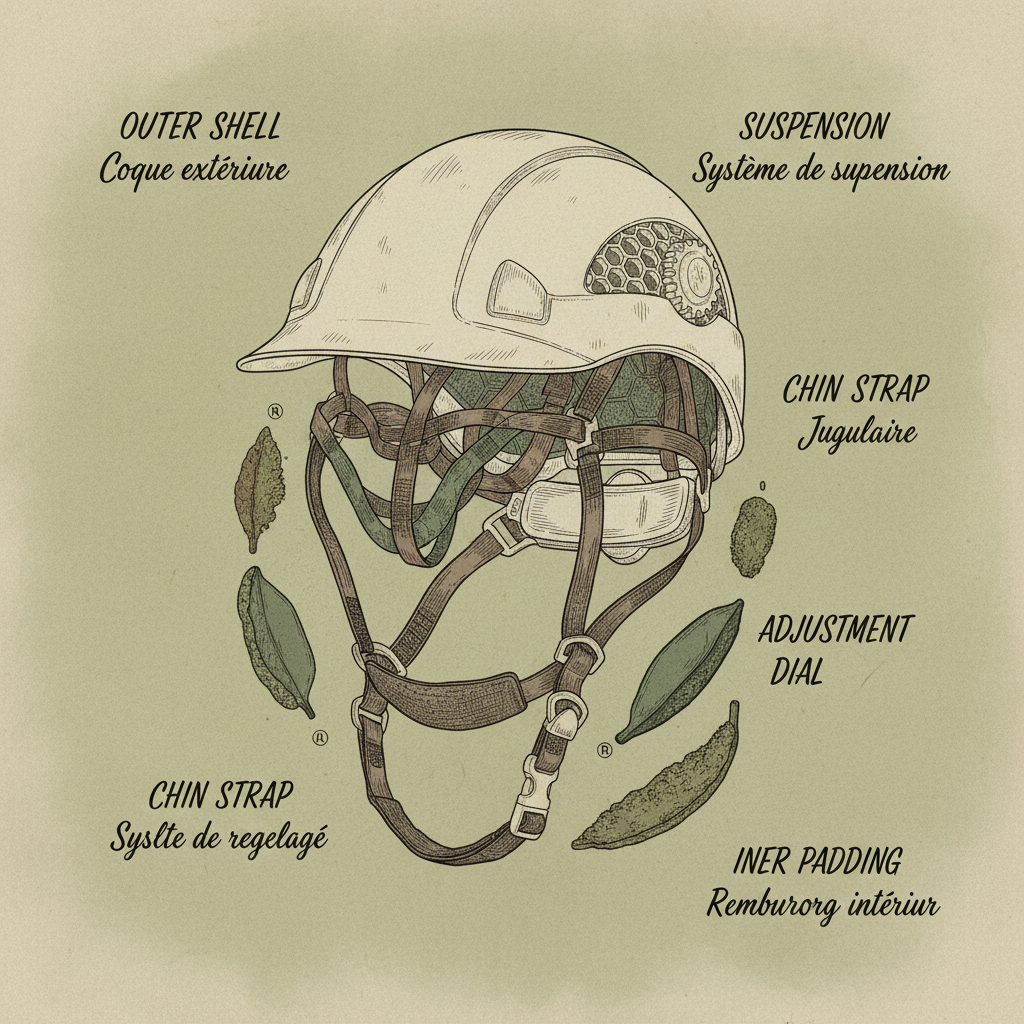
The typical lifespan of a plastic safety helmet is 3-5 years, even without a known impact. UV exposure, temperature fluctuations, and general wear and tear can degrade the plastic over time, reducing its protective capabilities. Manufacturers often stamp a recommended replacement date on the helmet. Regular inspections are crucial; if you notice cracks, damage to the suspension, or any signs of deterioration, the helmet should be replaced immediately.
You should replace your plastic safety helmet every 3-5 years, or sooner if it has sustained an impact, even if there’s no visible damage. The internal structure can be compromised, reducing its ability to absorb future impacts. Always follow the manufacturer’s recommendations for replacement, and inspect the helmet regularly for any signs of wear or damage. Consider replacing it after any significant fall or impact event.
Plastic safety helmets must meet stringent safety standards set by organizations like ANSI (American National Standards Institute) in the US and EN (European Norms) in Europe. These standards specify requirements for impact resistance, penetration resistance, electrical insulation, and flame resistance. Look for helmets that are certified to these standards to ensure they provide adequate protection.
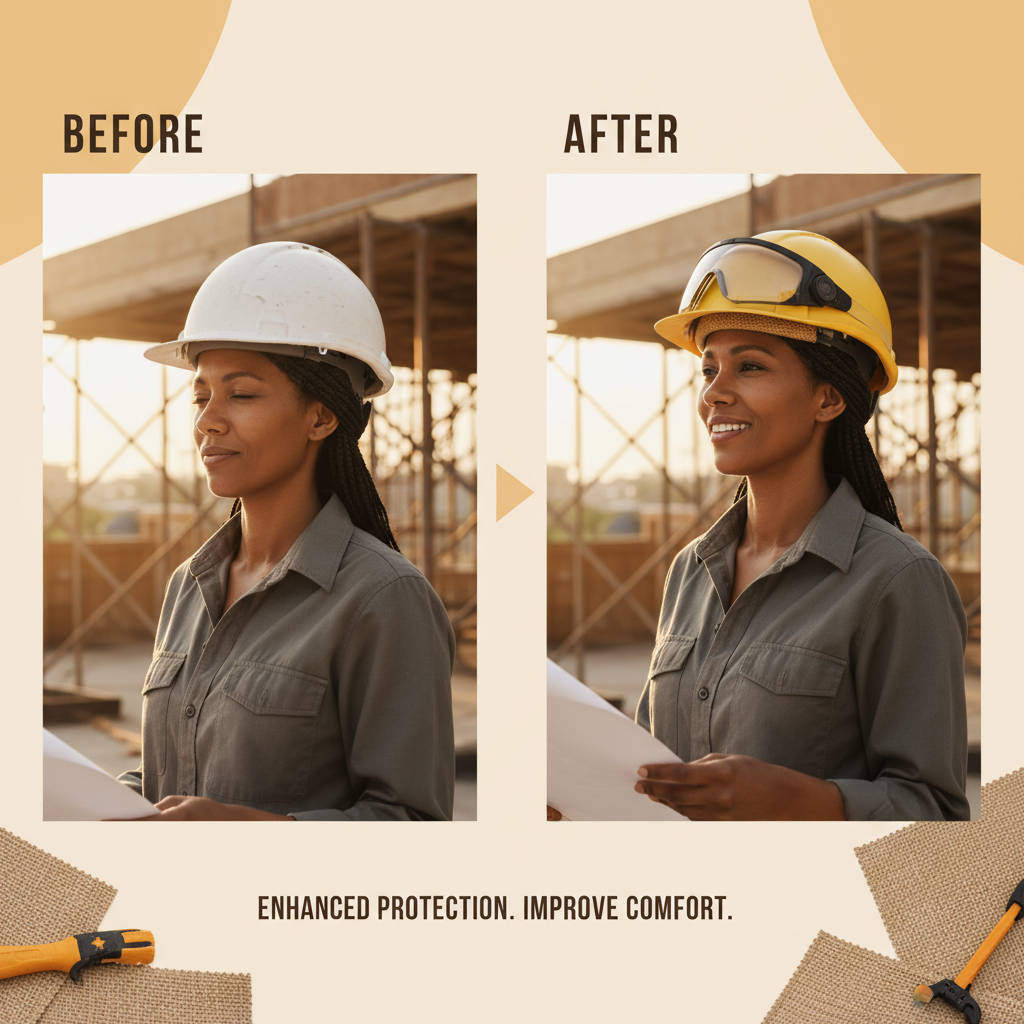
Yes, many plastic safety helmets are designed to accommodate various accessories, such as face shields, ear muffs, chin straps, and headlamps. These accessories can enhance protection and comfort in specific work environments. Ensure that any accessories you use are compatible with your helmet and do not compromise its safety certifications.
To properly clean and maintain your plastic safety helmet, use a mild soap and water solution. Avoid harsh chemicals or abrasive cleaners, as they can damage the plastic. Rinse thoroughly and allow the helmet to air dry. Regularly inspect the suspension system for wear and tear, and replace any damaged components. Store the helmet in a cool, dry place away from direct sunlight.
HDPE (High-Density Polyethylene) helmets are cost-effective and offer good impact resistance. ABS (Acrylonitrile Butadiene Styrene) helmets are tougher and provide better temperature stability. Polycarbonate helmets offer superior impact resistance and UV protection, making them ideal for harsh environments. The best choice depends on the specific hazards and conditions of your workplace.
In conclusion, the plastic safety helmet remains a cornerstone of workplace safety and personal protection across countless industries and emergency scenarios. Its evolution, driven by advancements in materials science and engineering, continually improves its protective capabilities, comfort, and usability. Understanding the standards, proper maintenance, and evolving innovations surrounding these helmets is paramount for ensuring their continued effectiveness in mitigating head injuries and safeguarding lives.
Looking forward, the integration of smart technologies, the development of sustainable materials, and a continued emphasis on personalized fit and design will further enhance the role of the plastic safety helmet in creating safer and more productive work environments. We encourage everyone to prioritize head protection, choose certified helmets, and stay informed about the latest advancements in this critical field. Visit our website at www.goodsafetyhelmet.com to learn more.