en397 hard hats are globally recognized safety standards for head protection, playing a crucial role in minimizing workplace injuries across diverse industries. From construction and manufacturing to mining and oil & gas, these helmets are a foundational element of personal protective equipment (PPE). Understanding the en397 standard is paramount for employers, workers, and safety professionals alike, ensuring compliance and fostering a safer working environment. The demand for reliable head protection is consistently high, driven by increasing safety regulations and a growing awareness of workplace hazards.
The importance of en397 hard hats extends beyond immediate worker safety. Implementing robust head protection programs reduces lost workdays due to injuries, positively impacting productivity and economic stability. Globally, occupational accidents cost billions annually, and preventing head injuries significantly mitigates these financial burdens. Furthermore, adherence to the en397 standard demonstrates a commitment to employee well-being, enhancing a company’s reputation and fostering a culture of safety.
The proliferation of en397 hard hats is intrinsically linked to the increasing globalization of industries and the need for universally recognized safety protocols. They are integral to maintaining a safe and productive workforce, especially in regions with rapidly developing economies and evolving safety standards. en397 hard hats are more than just protective gear; they are a vital component of responsible industrial practices.
The Core Principles of en397 Hard Hats
At its core, the en397 standard is designed to protect wearers from falling objects and impact forces. The standard defines rigorous testing parameters for several crucial aspects, including impact attenuation, penetration resistance, and retention system strength. These tests simulate real-world workplace hazards to ensure the helmet provides adequate protection.
Beyond impact resistance, en397 hard hats must also meet requirements for electrical insulation and chin strap integrity. The standard’s specifications ensure that helmets don’t contribute to electrical hazards and remain securely fastened during use, maximizing their protective capabilities. The entire design philosophy revolves around mitigating risk and ensuring worker safety.
Global Relevance and Standardization
The en397 standard is widely recognized and adopted across Europe and beyond, serving as a benchmark for head protection in numerous countries. Its influence extends to regions where national safety regulations align with or reference the en397 criteria. This broad acceptance is testament to the standard’s effectiveness and the rigorous testing procedures it encompasses.
International organizations like the International Organization for Standardization (ISO) often incorporate aspects of en397 into broader safety standards. This convergence highlights the global effort to harmonize safety practices and ensure consistent levels of protection for workers worldwide. Data from the International Labour Organization (ILO) indicates that implementing recognized safety standards like en397 significantly reduces workplace injuries.
The demand for compliance with en397, and similar safety standards, is increasingly driven by global supply chains. Companies operating internationally must demonstrate adherence to stringent safety protocols to meet the requirements of their customers and partners, creating a ripple effect that encourages widespread adoption of high-quality head protection.
Defining en397 Hard Hats: A Safety Benchmark
An en397 hard hat is a protective helmet designed to mitigate the risk of head injury from falling objects, impacts, and electrical hazards. The “en397” designation signifies that the helmet has undergone and successfully passed a series of standardized tests outlined in the European standard EN 397. This testing isn't merely about withstanding a single impact; it evaluates the helmet's performance across a range of conditions.
These helmets are critical in industries where the risk of head injury is prevalent, safeguarding workers during construction, mining, manufacturing, and various other hazardous occupations. The standard is constantly updated to reflect evolving technologies and emerging safety concerns. Modern en397 hard hats often incorporate advanced materials and designs to enhance protection and comfort.
The connection to modern industry stems from the necessity for reliable and standardized safety equipment. As industries became more complex and automation increased, the need for comprehensive PPE became paramount. en397 hard hats represent a cornerstone of this safety infrastructure, providing a vital layer of protection in potentially dangerous environments.
Key Performance Characteristics of en397 Hard Hats
Durability is a cornerstone of en397 hard hat performance. Helmets are tested for their resistance to impact, penetration, and deformation, ensuring they maintain their structural integrity even after sustaining significant forces. This is crucial for providing reliable protection throughout their service life.
Electrical insulation is another critical factor, particularly in environments where contact with live electrical sources is a possibility. En397 hard hats are classified based on their ability to withstand electrical voltage, offering varying levels of protection depending on the specific application.
en397 Hard Hat Performance Metrics
Real-World Applications of en397 Hard Hats
In the construction industry, en397 hard hats are ubiquitous, protecting workers from falling debris, tools, and accidental impacts during building and infrastructure projects. They are mandated on construction sites globally as a fundamental component of worker safety protocols.
Mining operations present another high-risk environment where en397 hard hats are essential. Miners face dangers from falling rocks, equipment malfunctions, and low-hanging structures, making reliable head protection critical for their safety and well-being.
Advantages and Long-Term Impact
The implementation of en397 hard hats offers substantial cost savings by reducing workplace injuries and associated expenses, such as medical bills, lost productivity, and potential legal liabilities. This is a direct and quantifiable benefit for employers.
From a social impact perspective, providing workers with reliable head protection promotes dignity and demonstrates a commitment to their well-being. This can lead to increased morale, improved job satisfaction, and a more positive work environment.
The long-term reliability of en397 certified helmets, coupled with continuous innovation in materials and design, solidifies their position as a trusted and vital safety component in diverse industries, contributing to a safer and more productive global workforce.
Future Trends and Material Innovations
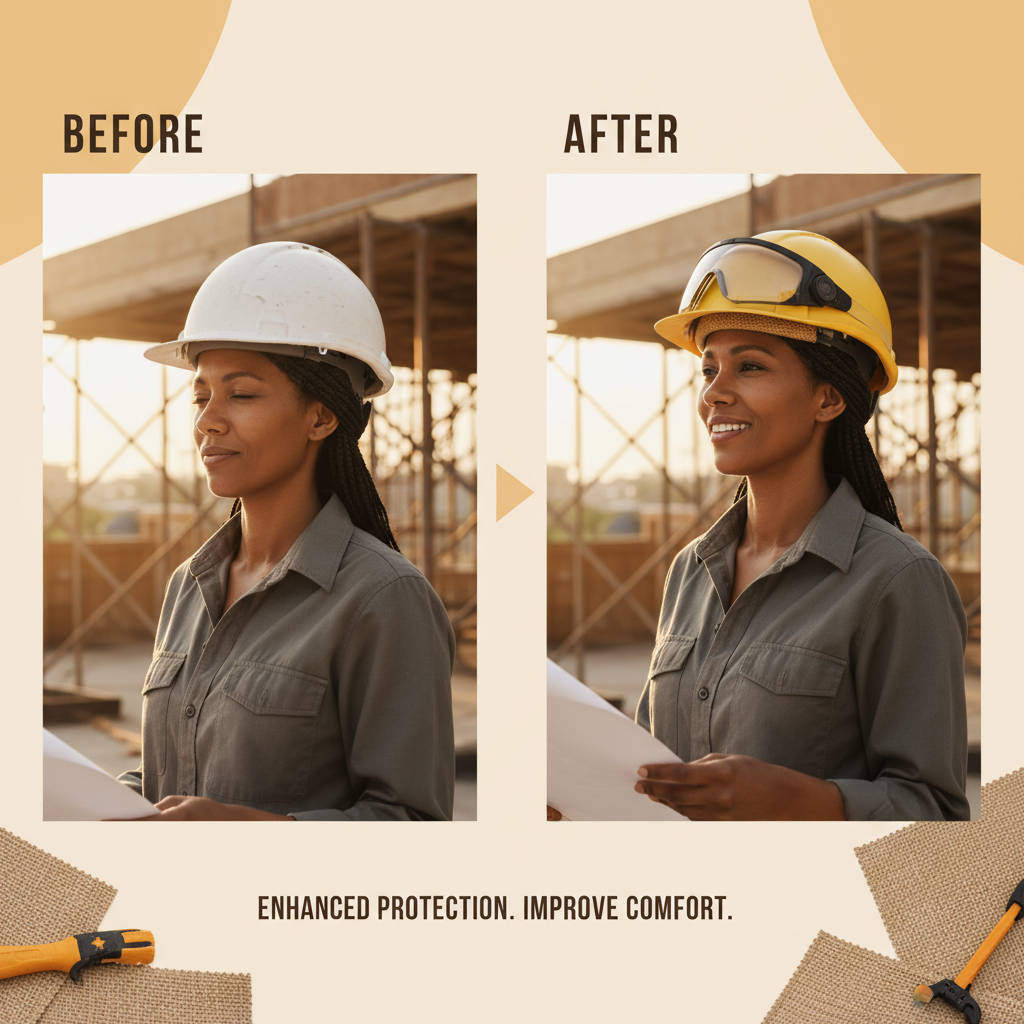
Ongoing research focuses on developing lighter and more comfortable en397 hard hats without compromising protection levels. New materials, such as advanced polymers and composites, are being explored to enhance impact absorption and reduce overall weight.
The integration of smart technologies, like sensors and communication devices, is another emerging trend. These advancements could enable real-time monitoring of helmet integrity, alert workers to potential hazards, and facilitate communication in emergency situations.
Sustainable materials are also gaining prominence, with manufacturers exploring the use of recycled plastics and bio-based polymers to reduce the environmental footprint of en397 hard hat production, aligning with growing demands for eco-friendly products.
Challenges and Solutions
A common challenge is ensuring consistent user compliance with en397 hard hat regulations. Lack of awareness, discomfort, or perceived inconvenience can lead to workers neglecting to wear their helmets, undermining their protective benefits.
Providing comprehensive training programs and emphasizing the importance of head protection are crucial solutions. Investing in comfortable and well-fitting helmets tailored to specific workplace needs can also increase user acceptance and compliance.
Another challenge is counterfeit products that do not meet en397 standards. Robust quality control measures, supply chain transparency, and increased consumer awareness are essential to combatting this issue and ensuring workers receive genuine, certified protection.
Summary of Key Challenges and Solutions for en397 Hard Hats
| Challenge |
Impact on Safety |
Proposed Solution |
Implementation Cost (1-10) |
| Low User Compliance |
Increased injury risk |
Comprehensive training & comfortable helmets |
5 |
| Counterfeit Products |
Compromised protection |
Supply chain transparency & quality control |
7 |
| Limited Comfort |
Reduced wear time |
Ergonomic design & adjustable features |
4 |
| Lack of Awareness |
Incorrect usage & maintenance |
Regular safety briefings & clear guidelines |
3 |
| Material Degradation |
Reduced protection over time |
Regular inspection & replacement schedules |
6 |
| Evolving Workplace Hazards |
Potential for inadequacy |
Continuous standard updates & innovation |
8 |
FAQS
The en397 standard is a European standard specifically for industrial safety helmets. It differs from standards like ANSI/ISEA Z89.1 (used in North America) in its testing protocols and performance requirements. EN 397 focuses heavily on impact resistance, penetration, and retention, while ANSI standards may emphasize different aspects like flammability. Choosing the correct standard depends on the region and specific workplace hazards.
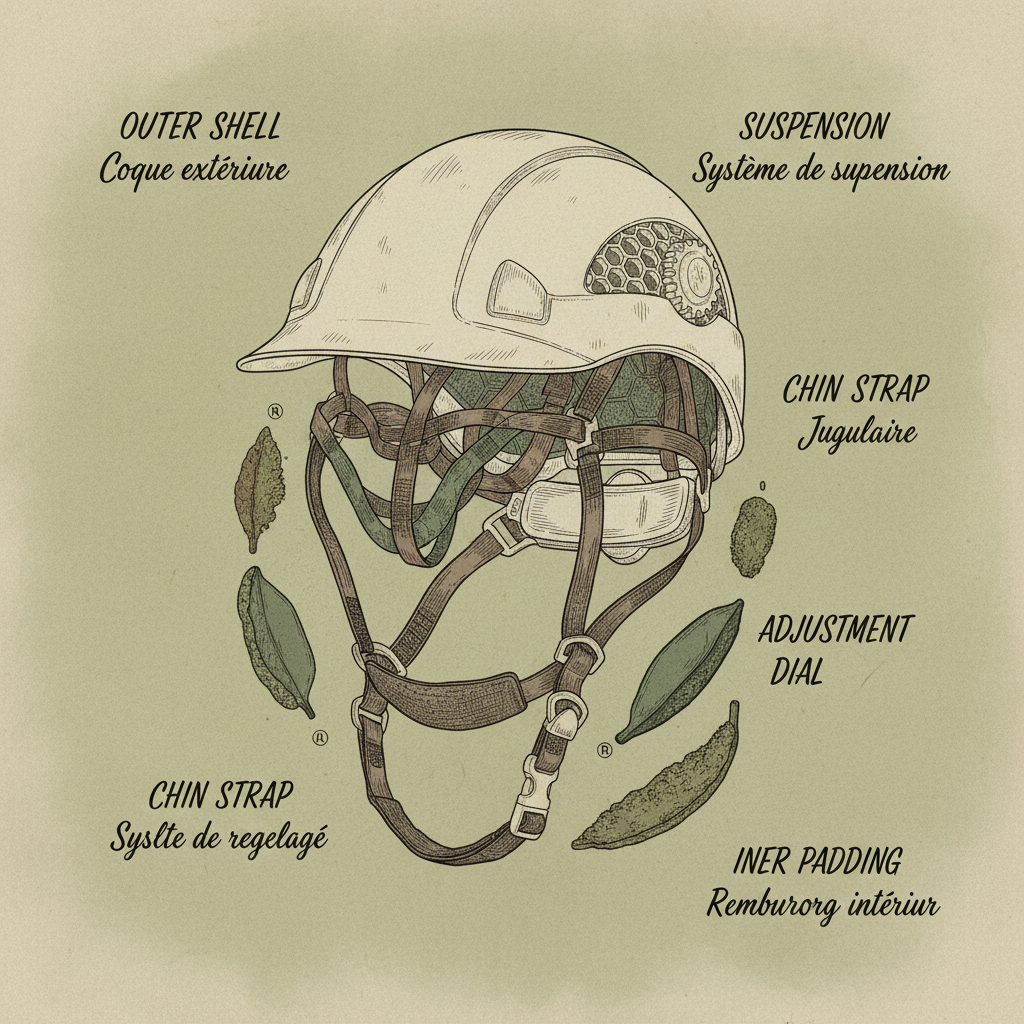
En397 hard hats should be replaced every 3-5 years, even if they show no visible signs of damage. UV exposure, repeated impacts (even minor ones), and material degradation can compromise the helmet’s protective capabilities over time. Additionally, they should be replaced immediately after sustaining a significant impact or failing inspection. Regularly inspecting the shell, harness, and chin strap is also crucial.
The EN 397 marking indicates that the helmet meets the requirements of the European standard EN 397. It also includes additional symbols that specify the helmet’s performance characteristics, such as impact protection, side impact protection, and resistance to hot liquids or electrical conductivity. Understanding these symbols is vital for selecting the appropriate helmet for the task.
The chin strap is critically important, as it ensures the helmet remains securely positioned on the head during use. Without a properly adjusted and fastened chin strap, the helmet could easily be dislodged during an impact, rendering it ineffective. The EN 397 standard specifies minimum retention force requirements for chin straps to guarantee adequate security.
Modifying an en397 hard hat can compromise its integrity and void its certification. Adding accessories like stickers, decals, or non-approved attachments can alter the helmet’s structural properties and reduce its ability to provide adequate protection. Only use accessories specifically approved by the helmet manufacturer and that comply with EN 397 standards.
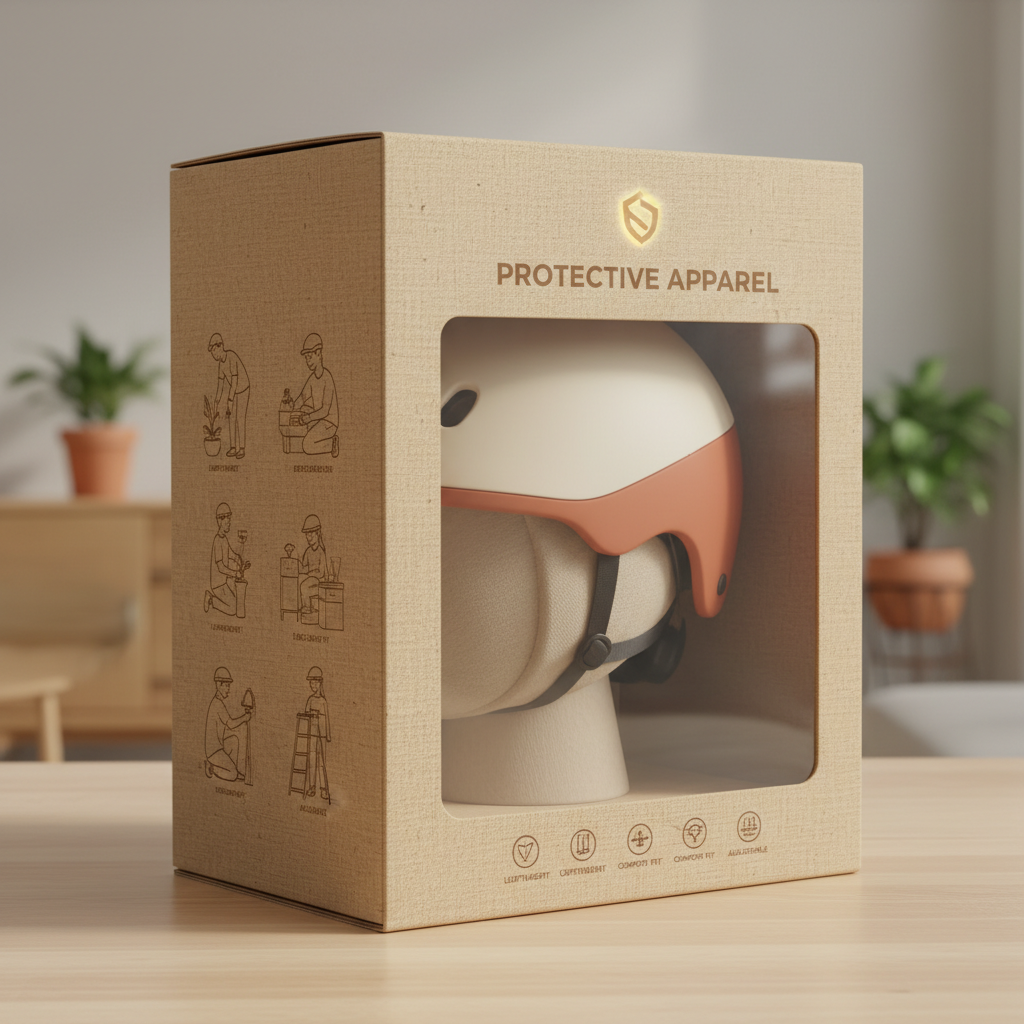
Certified en397 hard hats can be purchased from reputable safety equipment suppliers, industrial distributors, and online retailers. Ensure the helmet has the EN 397 marking and is accompanied by a declaration of conformity. It’s important to buy from trusted sources to guarantee the authenticity and quality of the product. offers a wide selection of certified en397 hard hats.
Conclusion
en397 hard hats represent a cornerstone of workplace safety, providing a vital layer of protection against head injuries in a multitude of industries. Their standardized testing, global recognition, and continuous innovation make them an indispensable component of any comprehensive safety program. Understanding the requirements of the en397 standard and ensuring proper helmet selection, usage, and maintenance are paramount to safeguarding workers and fostering a culture of safety.
Looking ahead, the future of en397 hard hats will likely involve further integration of smart technologies, the adoption of sustainable materials, and a continued focus on improving comfort and ergonomics. By embracing these advancements and remaining committed to rigorous safety standards, we can ensure that en397 hard hats continue to play a critical role in protecting workers for years to come. Visit our website at www.goodsafetyhelmet.com to explore our full range of en397 certified hard hats.