Ensuring head protection in high-risk environments is not merely a regulatory requirement but a fundamental pillar of occupational health and safety. In the complex landscape of modern manufacturing and construction, a safety helmet serves as the primary line of defense against falling objects, electrical hazards, and accidental impacts, significantly reducing the incidence of traumatic brain injuries globally.
The evolution of protective headgear has shifted from simple hard shells to sophisticated systems integrating ergonomic design and advanced materials. Understanding the nuances of impact absorption, ventilation, and material durability is critical for safety managers and procurement officers who aim to provide maximum protection without compromising worker comfort and productivity.
By analyzing the synergy between international safety standards and practical field application, organizations can foster a culture of safety that transcends basic compliance. Investing in the right a safety helmet is a strategic decision that protects a company's most valuable asset—its people—while ensuring operational continuity in the most demanding industrial zones.
Global Industrial Context of Head Protection
On a global scale, the prevalence of industrial accidents remains a critical concern for organizations like the International Labour Organization (ILO) and ISO. In heavy manufacturing and construction sectors, head injuries account for a significant percentage of workplace fatalities and permanent disabilities. The deployment of a safety helmet is the most effective intervention to mitigate these risks, aligning with global safety benchmarks that mandate rigid shell protection for all site personnel.
The challenge lies in the diversity of environments; from the humid jungles of Southeast Asian infrastructure projects to the freezing oil rigs of the North Sea, protective gear must adapt. Many industries struggle with "compliance fatigue," where workers remove gear due to discomfort. This highlights the urgent need for high-performance headwear that balances stringent safety ratings with breathability and lightweight ergonomics to ensure consistent usage.
Defining the Modern Safety Helmet
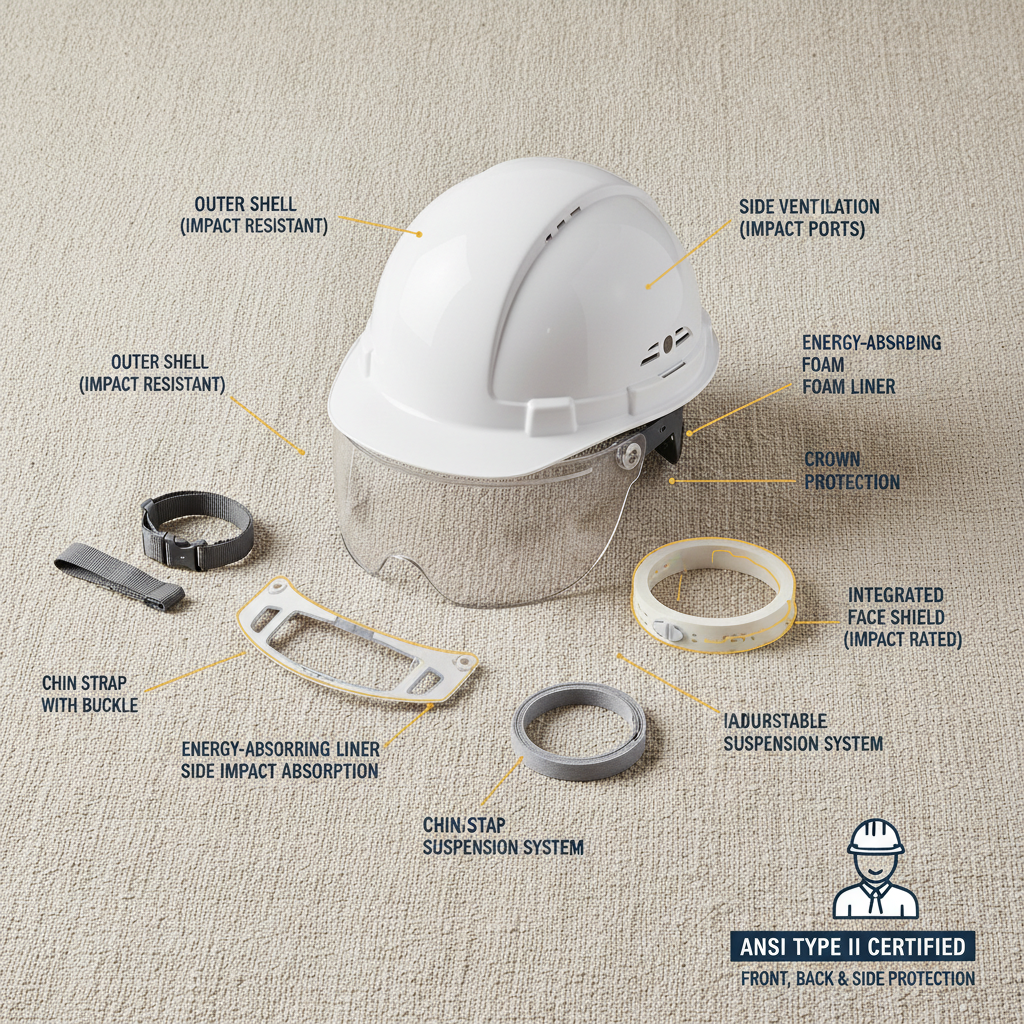
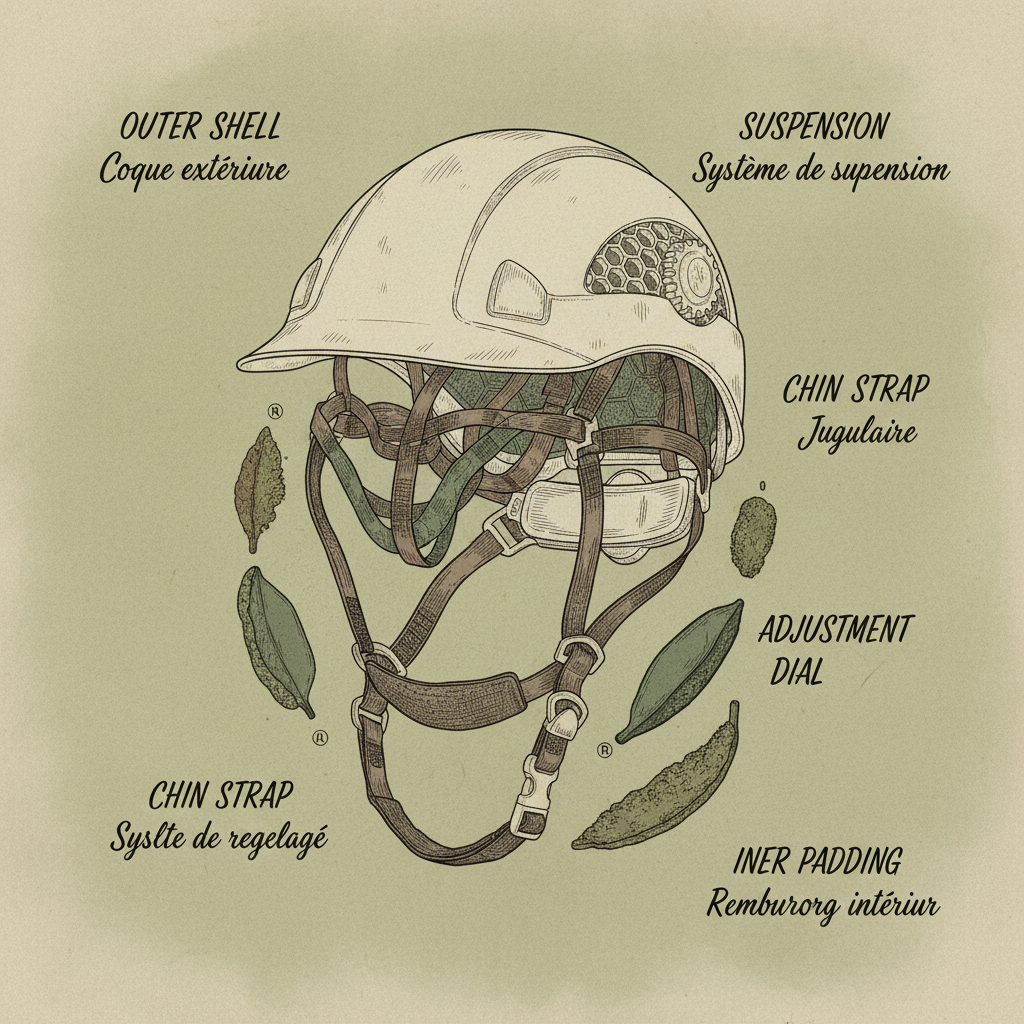
In simple terms, a safety helmet is a specialized piece of personal protective equipment (PPE) designed to protect the wearer's head from impact, penetration, and in some cases, electrical shocks. Unlike a standard hat, it consists of a hard outer shell to deflect blows and an internal suspension system that absorbs the kinetic energy of an impact, preventing the force from being transmitted directly to the skull.
Beyond the basic physical definition, these devices are intrinsically linked to the humanitarian goal of "Zero Harm" in the workplace. By integrating materials like high-density polyethylene (HDPE) or polycarbonate, modern helmets provide a shield that allows workers to operate in volatile environments with confidence. This intersection of materials science and human safety is what defines the modern standard of industrial headgear.
Today, the definition has expanded to include specialized variations, such as Type I helmets for top-impact protection and Type II for lateral impact protection. This evolution reflects a deeper understanding of how accidents occur in the field, transforming a simple plastic shell into a precision-engineered safety tool tailored to specific industrial hazards.
Core Components for Maximum Impact Resistance
The effectiveness of a safety helmet depends on several key factors, primarily the shell's durability. The outer layer must be strong enough to resist penetration from sharp objects and rigid enough to deflect falling debris. High-quality polymers are used to ensure the shell does not crack under extreme temperature fluctuations, which is vital for outdoor construction sites.
Equally important is the internal suspension system, which acts as a shock absorber. By creating a gap between the shell and the head, the suspension distributes the force of an impact across a wider area. Adjustable harnesses and chin straps ensure that the helmet stays securely in place during a fall or high-wind scenario, preventing the gear from becoming a liability itself.
Finally, versatility and scalability are core components. Modern helmets often feature integrated slots for ear muffs, face shields, and lamps, allowing the user to customize their protection based on the task. This modular approach ensures that one piece of equipment can serve multiple safety roles, reducing the need for multiple overlapping gear sets.
Practical Applications Across Global Industries
The application of a safety helmet spans a vast array of sectors. In the mining industry, helmets are often integrated with powerful LED lighting and ventilation to handle the darkness and dust of underground shafts. In the electrical utility sector, non-conductive "Class E" helmets are mandatory to protect workers from high-voltage shocks during line maintenance.
In remote industrial zones, such as offshore wind farms or desert-based solar arrays, these helmets are combined with UV-resistant coatings to prevent material degradation from intense sun exposure. Furthermore, in post-disaster relief operations, search and rescue teams utilize lightweight, high-visibility helmets to navigate unstable ruins while remaining visible to their teammates.
Performance Comparison of Safety Helmet Materials
Tangible Advantages and Long-Term Value
The primary advantage of implementing a high-quality a safety helmet program is the dramatic reduction in medical costs and insurance premiums. From a logical perspective, the cost of a premium helmet is negligible compared to the astronomical expense of a single head-injury lawsuit or the loss of a skilled technician. This reliability creates a stable operational environment where workers feel valued and protected.
Beyond the financial metrics, there is a profound emotional value: trust and dignity. When a company provides top-tier protective gear, it sends a clear signal that employee well-being is a priority. This boosts morale and productivity, as workers can focus on their tasks without the underlying anxiety of preventable accidents. In the long run, this commitment to safety builds a reputable corporate brand that attracts top talent in the manufacturing sector.
Future Trends in Smart Protective Gear
The next frontier for a safety helmet is the integration of "Smart PPE" technology. We are seeing the emergence of helmets equipped with IoT sensors that can detect falls in real-time and automatically send GPS coordinates to emergency response teams. Others are incorporating heat-stress sensors that alert the wearer when their internal body temperature reaches dangerous levels, preventing heatstroke in extreme climates.
Digital transformation is also introducing Augmented Reality (AR) visors into the headgear. These allow technicians to see blueprints or receive remote guidance from engineers via a heads-up display (HUD), eliminating the need to stop work to check a tablet or paper map. This convergence of safety and productivity is redefining the role of the helmet from a passive shield to an active productivity tool.
Sustainability is equally paramount. The industry is shifting toward bio-based polymers and recyclable composites to reduce the environmental footprint of PPE. Future helmets will likely be designed for a circular economy, where worn-out shells can be returned to the manufacturer for reprocessing, reducing plastic waste in landfills without compromising the structural integrity of the protection.
Overcoming Implementation Challenges
Despite the clear benefits, the widespread adoption of a safety helmet often faces hurdles, most notably user discomfort. Many workers find traditional hard hats heavy or poorly ventilated, leading them to modify the gear or omit it entirely. The solution lies in "Human-Centric Design," utilizing lightweight carbon-fiber blends and advanced airflow channels that keep the head cool while maintaining impact ratings.
Another challenge is the lack of standardized replacement cycles. Many companies keep helmets long after the polymer has degraded due to UV exposure. Implementing a strict "expiration tracking" system, where helmets are retired every 2-5 years regardless of visible damage, is an expert insight that prevents the use of compromised gear.
Finally, the cost barrier in developing regions can be overcome through modular procurement. By investing in a high-quality shell and replacing only the internal suspension liners as they wear out, companies can maintain a high safety standard while optimizing their operational budget.
Analysis of Safety Helmet Specifications and Suitability
| Helmet Type |
Primary Material |
Risk Mitigation Level |
Recommended Industry |
| Standard Hard Hat |
HDPE |
Moderate (Top Impact) |
General Construction |
| Dielectric Helmet |
Non-conductive Polymer |
High (Electrical) |
Electrical Engineering |
| Climbing Style |
ABS / Polycarbonate |
High (Lateral Impact) |
Mining & Roofing |
| Full Brim Helmet |
Polycarbonate |
Moderate (Weather/Sun) |
Outdoor Infrastructure |
| High-Heat Helmet |
Fiberglass |
Extreme (Thermal) |
Foundries & Smelters |
| Smart Safety Helmet |
Carbon Composite |
Ultimate (IoT/Impact) |
Advanced Manufacturing |
FAQS
Generally, a safety helmet should be replaced every 2 to 5 years, depending on the material and exposure to UV light. However, any helmet that has sustained a significant impact must be replaced immediately, even if no visible damage is present, as the internal structure may be compromised.
Type I helmets are designed primarily to protect the wearer from impacts to the top of the head. Type II helmets are more comprehensive, providing protection against impacts to the top, front, back, and sides, making them ideal for environments where lateral collisions are likely.
It is generally discouraged to paint a safety helmet unless the paint is specifically approved by the manufacturer. Certain solvents in paints can chemically react with the polycarbonate or HDPE shell, weakening the material and potentially causing it to fail during an impact.
A correctly fitted helmet should stay in place without the chin strap being overly tight, and it should not wobble when you shake your head. Adjust the suspension ratchet to snugly fit your crown and ensure the suspension is centered to provide equal impact absorption across the skull.
Yes, provided they meet the same safety certifications (like ANSI or EN). Modern materials like carbon fiber and high-grade polycarbonate allow for lighter weights without sacrificing impact resistance. Always check the safety rating rather than the weight of the gear.
For electrical work, you must use a "Class E" (Electrical) rated helmet. These are specifically tested to withstand high voltages (up to 20,000 volts in some standards), ensuring that the wearer is protected from accidental contact with live electrical components.
Conclusion
In conclusion, a safety helmet is far more than a simple accessory; it is a critical engineering solution designed to preserve human life in the face of industrial volatility. From the fundamental necessity of a durable shell to the futuristic integration of IoT and AR technologies, the evolution of head protection reflects our growing commitment to worker safety and operational excellence. By focusing on material quality, proper fit, and strict replacement cycles, organizations can effectively eliminate the most severe risks associated with head injuries.
Looking forward, the integration of sustainable materials and smart sensors will likely make protective gear a proactive partner in workplace health. We encourage safety officers and business owners to move beyond the minimum requirements of compliance and embrace high-performance headwear as a strategic investment. Protecting your team today ensures a more resilient and productive workforce for tomorrow. Visit our website for professional guidance and premium gear: www.goodsafetyhelmet.com