hdpe hard hats are critical personal protective equipment (PPE) used across a vast array of industries globally. Their importance stems from providing essential head protection against impact, penetration, and electrical hazards, significantly reducing the risk of serious injury or even fatality in hazardous work environments. The increasing focus on workplace safety regulations, coupled with a growing awareness of the long-term costs associated with head injuries, has fueled the demand for high-quality, reliable hdpe hard hats.
Globally, construction, manufacturing, mining, and oil & gas industries are major consumers of hdpe hard hats. Data from the International Labour Organization (ILO) highlights that millions of workplace accidents occur annually, with head injuries representing a substantial percentage. The World Bank's investment in infrastructure projects in developing nations further amplifies the need for readily available and affordable head protection. The ISO standards governing hard hat performance (specifically ISO 3871) ensure a minimum level of quality and safety is maintained across various manufacturers.
The rise in infrastructure development across emerging economies, particularly in Asia and Africa, alongside stricter safety regulations in developed nations, has driven substantial growth in the hdpe hard hat market. Challenges remain in ensuring consistent implementation of safety protocols and accessibility of adequate PPE for all workers, especially in informal sectors. Understanding the nuances of hdpe hard hats – their materials, standards, and applications – is therefore crucial for both employers and employees.
Introduction to hdpe hard hats
hdpe hard hats represent a cornerstone of workplace safety, offering a robust and reliable defense against a variety of head injuries. Constructed primarily from High-Density Polyethylene (HDPE), these helmets are designed to distribute the force of impacts, minimizing the likelihood of skull fractures, concussions, and other traumatic brain injuries. hdpe hard hats are widely favored for their combination of durability, affordability, and relatively lightweight design.
The selection of an appropriate hdpe hard hat involves considering several factors, including the specific hazards present in the work environment, the wearer’s head size and comfort, and adherence to relevant safety standards. Regularly inspecting the helmet for signs of damage or wear is essential to ensure its continued effectiveness. Choosing certified hdpe hard hats signifies commitment to worker wellbeing.
Defining hdpe Hard Hats
hdpe hard hats are a type of protective helmet specifically engineered to safeguard the head from impacts, falling objects, and electrical hazards. The 'hdpe' designation signifies that the shell is manufactured from High-Density Polyethylene, a thermoplastic polymer known for its high strength-to-density ratio and resistance to cracking. They are not simply a "one-size-fits-all" solution; varying designs accommodate different head sizes and provide specialized features for unique applications.
These helmets are integral to modern industrial safety protocols, providing a crucial layer of protection in environments where the risk of head injury is prevalent. They bridge the gap between potential harm and employee wellbeing, ensuring compliance with stringent safety regulations. This has made hdpe hard hats a standard requirement in many construction sites, factories, and other hazardous workplaces.
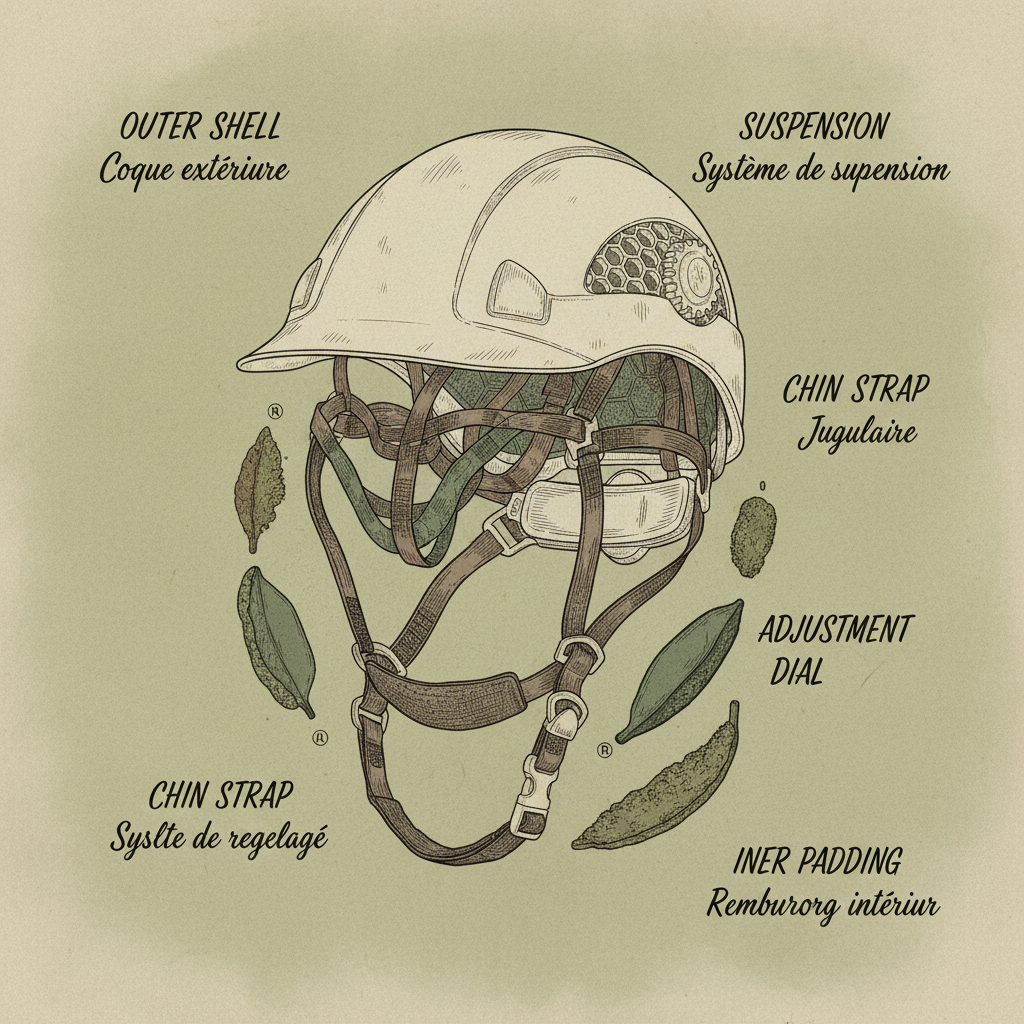
Their significance extends beyond pure protection; they symbolize a commitment to worker safety and a responsible approach to risk management, contributing to a more productive and secure work environment. Modern hdpe hard hats are frequently designed with integrated features like chin straps and ventilation systems for enhanced comfort and usability.
Core Characteristics of hdpe Hard Hats
Several key characteristics define the effectiveness and usability of hdpe hard hats. First, their impact resistance, a direct result of the HDPE material, allows them to absorb significant force without fracturing, protecting the wearer's skull. Secondly, they offer electrical insulation, crucial in environments where exposure to live electrical sources is a risk, safeguarding against electrocution.
Durability is another core trait; hdpe hard hats are designed to withstand harsh environmental conditions, including temperature fluctuations, UV exposure, and abrasion. Furthermore, the adjustable suspension systems ensure a comfortable and secure fit for a wide range of head sizes, minimizing the risk of the helmet shifting during work. These attributes combined contribute to reliable and long-lasting head protection.
Finally, the lightweight nature of HDPE minimizes fatigue during prolonged use, promoting worker comfort and adherence to safety protocols. Compliance with recognized safety standards, like ANSI/ISEA Z89.1 in the United States and EN 397 in Europe, is a fundamental characteristic, assuring users of a tested and certified level of protection.
Applications Across Industries
hdpe hard hats find widespread application across a diverse range of industries. Construction remains a primary sector, with workers requiring reliable head protection from falling debris and impact hazards. Similarly, the manufacturing industry relies on hdpe hard hats to protect personnel from potential head injuries caused by machinery, moving parts, or dropped objects.
Mining operations present particularly hazardous environments, necessitating the use of robust hdpe hard hats to shield workers from rockfalls and other impacts. The oil and gas sector also frequently utilizes hdpe hard hats, especially during drilling and maintenance activities. In post-disaster relief operations, these helmets are critical for protecting rescue workers and volunteers.
hdpe Hard Hat Usage by Industry
Advantages and Value Proposition
The advantages of utilizing hdpe hard hats are multifaceted. Primarily, they offer superior head protection, reducing the risk of severe injuries and associated costs, including medical expenses and lost productivity. hdpe hard hats are also remarkably cost-effective, providing a high level of protection at a relatively low price point compared to other head protection materials.
Beyond cost and safety, the durability and longevity of HDPE translate into reduced replacement frequency, further contributing to long-term savings. Furthermore, these helmets promote a culture of safety within organizations, demonstrating a commitment to employee wellbeing and potentially improving morale and retention rates.
Future Trends in hdpe Hard Hats
The future of hdpe hard hats is poised for innovation. Integration of smart technologies, such as embedded sensors for impact detection and communication systems, is becoming increasingly prevalent. These ‘smart helmets’ can alert supervisors to potential incidents and provide real-time data on worker safety.
Materials science is also driving advancements, with research focused on developing even more lightweight and impact-resistant HDPE formulations. Sustainable manufacturing practices and the use of recycled materials are gaining traction, aligning with growing environmental concerns. The increasing adoption of digital twins for safety training will also likely influence helmet design and functionality.
Furthermore, enhanced customization options – incorporating features like integrated face shields, headlamps, and communication devices – are expected to become standard, providing tailored protection for specific work environments.
Challenges and Solutions
Despite their widespread use, several challenges remain regarding hdpe hard hats. Ensuring proper fit and consistent wear are ongoing concerns, as ill-fitting helmets provide inadequate protection. Addressing this requires comprehensive training programs and readily available sizing options.
The potential for counterfeiting and the availability of substandard helmets also pose a significant risk, highlighting the importance of purchasing from reputable suppliers and verifying product certifications. Maintaining helmet integrity through regular inspection and proper storage is essential, but often overlooked.
Solutions include implementing stricter quality control measures, leveraging technology for automated inspection systems, and developing educational campaigns to raise awareness about the importance of proper helmet use and maintenance. Utilizing QR codes for product authentication can also help combat counterfeiting and ensure workers receive genuine, certified hdpe hard hats.
A Comparison of hdpe Hard Hat Features and Performance
| Feature |
Performance Rating (1-10) |
Cost (USD) |
Durability (Years) |
| Impact Resistance |
9 |
15-25 |
3-5 |
| Electrical Insulation |
8 |
20-30 |
3-5 |
| Weight |
7 |
15-25 |
3-5 |
| UV Resistance |
6 |
20-30 |
2-4 |
| Comfort (Suspension System) |
8 |
15-25 |
3-5 |
| Compliance with Standards |
10 |
20-30 |
3-5 |
FAQS
The lifespan of an hdpe hard hat typically ranges from 3 to 5 years, depending on usage conditions and environmental factors. Regular inspections are crucial to identify any cracks, damage, or degradation of the material. Even if no visible damage is present, it’s recommended to replace the helmet after 5 years to ensure continued protection, as the HDPE can become brittle over time. Always refer to the manufacturer's instructions for specific replacement guidelines.
To properly clean an hdpe hard hat, use mild soap and water. Avoid harsh chemicals, solvents, or abrasive cleaners, as these can weaken the HDPE material. Rinse thoroughly and allow to air dry. Inspect the suspension system regularly for wear and tear and replace as needed. Store the helmet in a cool, dry place away from direct sunlight and extreme temperatures to prevent degradation.
hdpe hard hats must meet specific safety standards depending on the region. In the United States, ANSI/ISEA Z89.1 is the primary standard, classifying helmets by Type and Class. In Europe, EN 397 is the governing standard. These standards specify requirements for impact resistance, penetration resistance, and electrical insulation. Look for certifications and markings on the helmet indicating compliance with these standards.
Modifying an hdpe hard hat is generally not recommended. Adding stickers, paint, or accessories can compromise the helmet's structural integrity and reduce its protective capabilities. Any modifications may void the manufacturer's warranty and potentially render the helmet ineffective in an impact event. Stick to using accessories specifically approved by the helmet manufacturer.
Determining the correct size is critical for ensuring a secure fit. Measure the circumference of your head approximately one inch above your eyebrows. Refer to the manufacturer's sizing chart to find the corresponding helmet size. The helmet should fit snugly but not too tightly, and the suspension system should be adjusted to provide a comfortable and secure fit. A properly fitted helmet should not move around on your head during work.
Type I hdpe hard hats are designed to protect against impacts to the top of the head, while Type II helmets provide protection against both top and side impacts. Type II helmets are generally considered to offer a higher level of protection and are recommended for environments where lateral impacts are a concern. Always select a helmet type appropriate for the specific hazards present in your work environment.
Conclusion
hdpe hard hats remain a vital component of workplace safety, providing essential head protection across a vast range of industries. Their durability, affordability, and adherence to stringent safety standards make them an indispensable piece of personal protective equipment. Understanding the core characteristics, proper usage, and future trends of these helmets is paramount for ensuring worker wellbeing and reducing the risk of head injuries.
Looking ahead, continued innovation in materials, smart technologies, and sustainable manufacturing practices will further enhance the effectiveness and usability of hdpe hard hats. Prioritizing comprehensive training programs, consistent inspections, and the use of certified products will be crucial for maximizing their protective benefits. For reliable and certified hdpe hard hats, visit our website today.