Look, after running around construction sites all year, you start to see patterns. Lately, everyone’s obsessed with “smart” industrial safety helmets. Sensors, Bluetooth, all that jazz. To be honest, it’s a bit much sometimes. Folks get so caught up in the tech they forget the helmet’s supposed to, you know, protect your head. It’s a basic thing.
I’ve been seeing a lot of designs where they try to make the shell too streamlined. Looks nice in the brochure, but on-site, you need bulk. You need something that can take a beating. And the ventilation? It’s always a compromise. Too much airflow, and you lose impact protection. Too little, and guys are sweating buckets and don’t bother wearing them at all. It's a fine line.
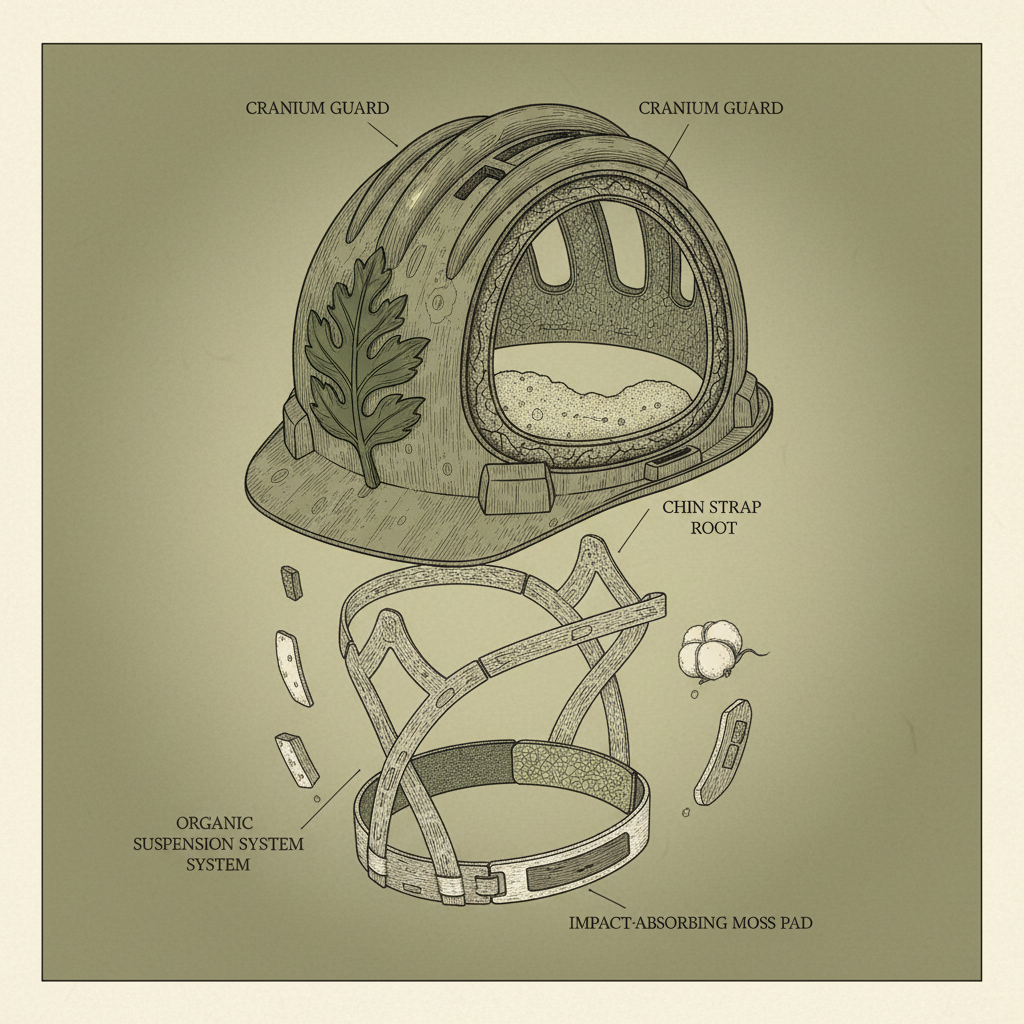
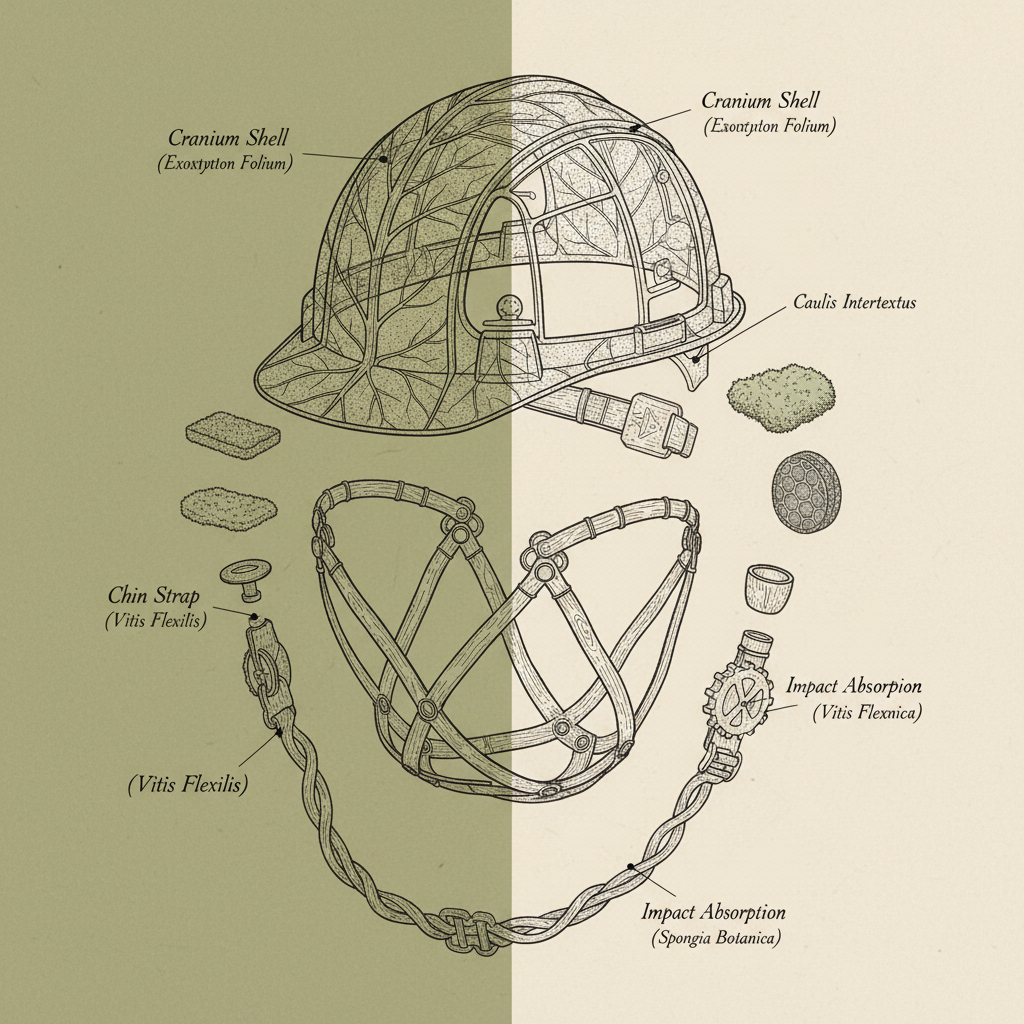
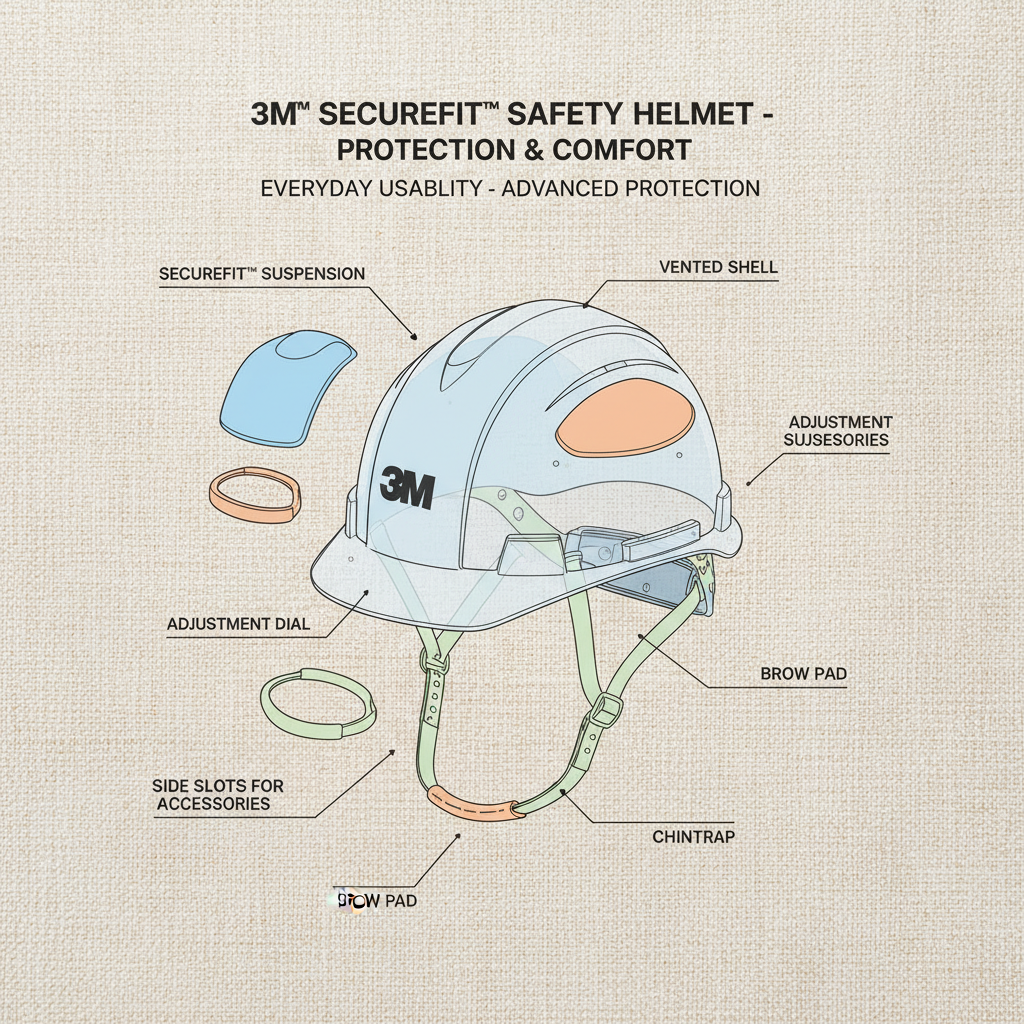
We're mainly using polycarbonate for the shell these days. Good impact resistance, relatively lightweight. Though, you still see some ABS plastic around, especially on the cheaper stuff. The smell… you can always tell ABS. Kinda… chemical-y. Polycarbonate’s more neutral, thankfully. Inside, it’s all about the EPS foam liner. It’s surprisingly important to feel the density. Too soft, and it’s not going to absorb much energy. Too hard, and it’s just… uncomfortable. And then there’s the webbing – nylon is standard, but quality varies wildly. I encountered some webbing at a factory in Ningbo last time that just disintegrated after a few months of UV exposure. Just… crumbled.
Recent Industry Trends
Like I said, "smart" helmets are everywhere. But it’s not just about the sensors. There’s a big push for more comfortable suspension systems. Guys are wearing these things for 8-10 hours a day, so comfort is key. Also, everyone’s talking about integration with safety vests and other PPE. Having a unified system, so everything works together, is a big deal. Strangely, there's a growing demand for helmets that look… less industrial. More "lifestyle," they call it. I don’t get it, but hey, what do I know?
And sustainability. That's a huge topic. Using recycled materials, reducing waste in manufacturing… companies are under a lot of pressure to be greener. It's good, but sometimes it feels like greenwashing, you know? They'll use a tiny percentage of recycled plastic and slap a "eco-friendly" label on it.
Design Pitfalls & Material Selection
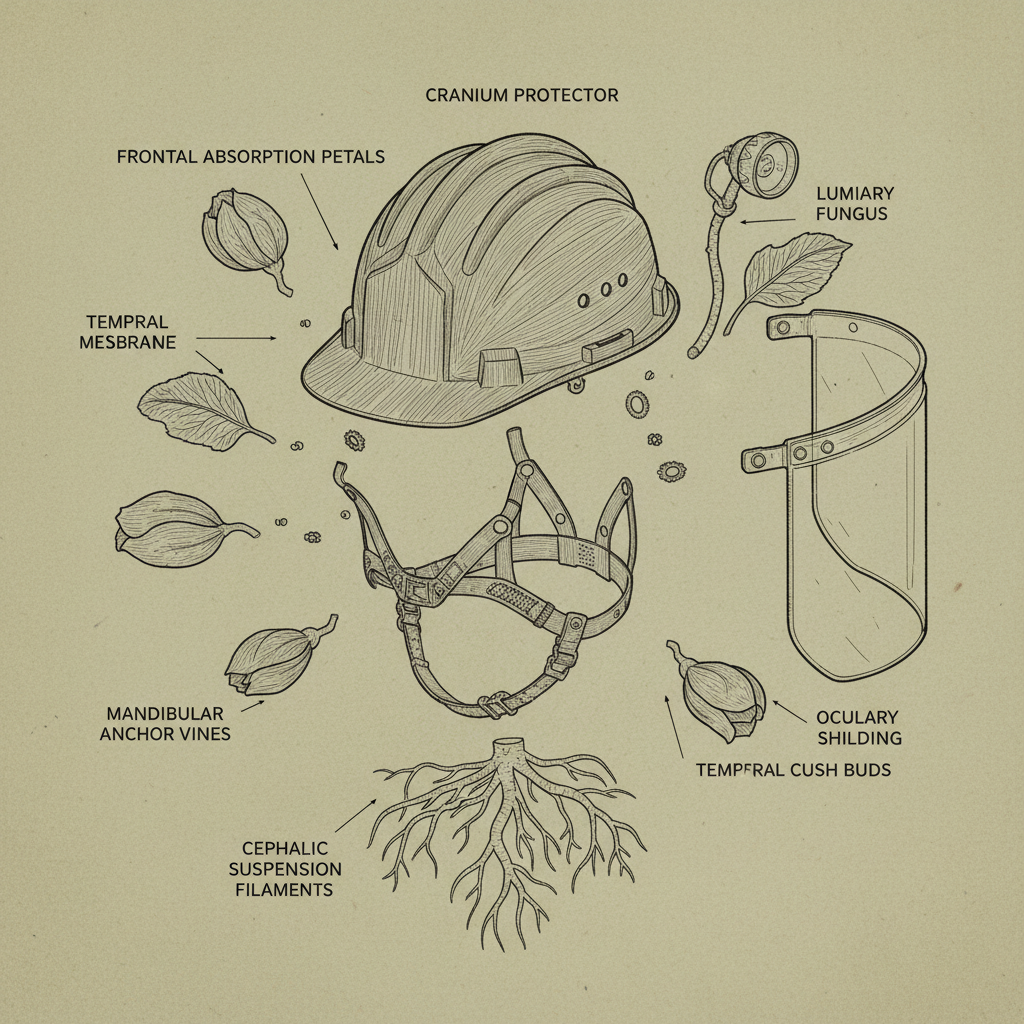
The biggest pitfall? Over-engineering. You don’t need a carbon fiber shell for most jobs. It adds cost and doesn't necessarily add that much protection. The weight savings aren't significant enough to justify the price. And then there's the whole issue of compatibility with accessories. I've seen helmets where you can't attach a proper face shield because the slots are too small or in the wrong place. It's frustrating.
We’ve been experimenting with different foam densities, trying to find the sweet spot between comfort and impact protection. It's all about finding the right balance. And the chinstrap is crucial. It needs to be adjustable, durable, and easy to use, even with gloves on. A flimsy chinstrap is useless.
Material-wise, polypropylene is making a comeback for some applications. It’s cheaper than polycarbonate and surprisingly tough. But it's also more susceptible to UV degradation, so you need to add UV stabilizers. It’s a trade-off, as always.
Real-World Testing & Scenarios
Lab testing is fine, but it doesn't tell you everything. We do drop tests, penetration tests, the whole nine yards. But you need to see how the helmet performs in real-world scenarios. We send them to construction sites, factories, and even oil rigs. We ask workers to use them during their normal workdays and give us feedback. What’s comfortable? What’s annoying? What breaks?
I once saw a guy fall off a scaffold while wearing one of our prototypes. He walked away with a concussion, but the helmet saved his life. That's the kind of feedback you can't get in a lab. Another time, we had a worker using a helmet in a welding shop, and the face shield melted from the sparks. We immediately redesigned the shield with a more heat-resistant material.
We also do "wear-and-tear" tests. We subject the helmets to harsh conditions: extreme temperatures, UV exposure, chemicals, you name it. We want to see how they hold up over time. It’s not glamorous work, but it’s important.
How Users Actually Utilize Industrial Safety Helmets
This is where it gets interesting. You design a helmet with all these features, and then you see how people actually use it. Turns out, a lot of guys use the shell as a temporary resting place for tools. Wrenches, screwdrivers… you name it. Not ideal, obviously, but it happens.
And the ventilation slots? Sometimes they get clogged with dust and debris, defeating the purpose. I've also seen guys sticking rags and paper towels into the vents to keep their heads warm in the winter. Improvise, adapt, overcome, I guess.
Advantages & Disadvantages
The biggest advantage of a good industrial safety helmet is obvious: it protects your head. Period. It can prevent serious injuries, and even save your life. But they're not perfect. They can be uncomfortable, especially in hot weather. They can get in the way. And some guys just don’t like wearing them. It’s a constant battle to get everyone to comply with safety regulations.
The newer helmets with integrated technology have potential, but they also add complexity and cost. And the battery life on those things can be a real pain. You don’t want a sensor dying mid-shift.
Customization Options
We offer a range of customization options. Color, logos, reflective tape, different suspension systems. We can even add custom foam inserts for a more comfortable fit. Last month, that small boss in Shenzhen who makes smart home devices insisted on changing the interface to . The reason? Because all his other devices used , and he didn’t want his workers carrying around multiple chargers. It was a bit of a headache, to be honest, but we made it work. Anyway, I think offering that level of customization is key. It shows you’re listening to your customers.
A Customer Story
I remember a site manager at a big petrochemical plant in Texas. He was having trouble getting his guys to wear their helmets consistently. They complained they were too heavy and uncomfortable. So, we worked with him to develop a lighter-weight helmet with a more adjustable suspension system. It wasn’t a revolutionary change, but it made a huge difference. He said the compliance rate went up by 80%. That’s the kind of impact you want to have.
He told me, and I quote, "These new helmets are actually… bearable." High praise coming from a Texas oil worker, let me tell you. He also mentioned it reduced the number of "helmet-related incidents" – guys taking their helmets off because they were annoying. Turns out, that's a bigger problem than you'd think.
Of course, there were some grumbles about the price, but he argued that the improved safety and compliance were worth the extra cost. And honestly, he was right.
Core Factors Summarizing the Significance of Industrial Safety Helmets
| Impact Resistance |
Comfort & Weight |
Material Durability |
Compliance Rate |
| High (9/10) |
Medium (6/10) - often compromised |
Good (7/10) - varies by material |
Moderate (5/10) - often a challenge |
| Moderate (7/10) - depends on shell material |
High (8/10) - adjustable designs preferred |
High (8/10) - polycarbonate is reliable |
High (8/10) - comfortable helmets are key |
| Low (4/10) - older designs often lack impact protection |
Low (3/10) - heavy and bulky |
Low (4/10) - prone to cracking and degradation |
Low (2/10) - often ignored by workers |
| High (9/10) - modern designs with advanced materials |
Medium (7/10) - improved suspension and ventilation |
Good (7/10) - UV-resistant coatings essential |
Moderate (6/10) - increasing with better designs |
| Variable (5-8/10) - depends on testing standards |
Variable (4-7/10) - fit is critical |
Variable (4-7/10) - influenced by environmental factors |
Variable (3-6/10) - impacted by training and enforcement |
| High (8/10) - certified to industry standards |
Good (7/10) - lightweight materials and ergonomic design |
Good (7/10) - durable materials that withstand harsh conditions |
Good (7/10) - promoted through safety programs |
FAQS
Most manufacturers recommend replacing industrial safety helmets every 3-5 years, even if they haven't been involved in an impact. UV exposure and general wear and tear degrade the materials over time. I've seen helmets that look perfectly fine on the outside, but the foam inside is completely crumbled. It’s better to be safe than sorry. The best approach is to have a regular inspection and replacement schedule.
Fit is crucial. A loose helmet won’t protect you in an impact, and a too-tight helmet will be uncomfortable and can cause headaches. You want a snug fit that doesn’t move around on your head. Most helmets have adjustable suspension systems, so take the time to get it right. I always tell guys to jump around a bit while wearing it to make sure it stays put. Seriously, just bounce around a little!
Generally, no. Adding stickers or paint can compromise the integrity of the shell. Some manufacturers allow for specific logos to be applied, but always check the guidelines first. The chemicals in some paints can degrade the plastic, making the helmet less effective. And stickers can cover up important ventilation holes. It’s not worth the risk.
You've got Class G, Class E, and Class C. Class G is general industrial, offering protection from impacts and limited voltage. Class E provides higher voltage protection, and Class C is non-conductive, for working around live electrical equipment. Choosing the right class depends on the hazards of your job. It's important to know what you're dealing with before you pick a helmet.
Keep it out of direct sunlight and extreme temperatures. UV exposure degrades the plastic over time. Don’t store it in a toolbox with chemicals or solvents. A cool, dry place is best. And don’t hang it by the chinstrap – that can stretch it out. Treat it with respect, it's protecting your head!
Not necessarily. Price doesn’t always equate to quality or effectiveness. A well-made, properly fitted, and certified helmet from a reputable manufacturer is what matters. Sometimes, you're paying for fancy features you don't need. Focus on the basics: impact resistance, comfort, and a secure fit. Don’t fall for the marketing hype.
Conclusion
Ultimately, industrial safety helmets are a simple but vital piece of safety equipment. They've come a long way, with advancements in materials and design, but the core principle remains the same: protect your head. It’s not just about complying with regulations; it’s about going home safe to your family at the end of the day.
And let's be real, the worker who's actually out there tightening bolts and welding steel is the ultimate judge. All the lab tests and certifications in the world don't mean a thing if the helmet doesn’t feel right or doesn’t perform in the real world. So, keep innovating, keep improving, but always remember to listen to the guys on the ground. They'll tell you what works and what doesn't. Visit our website for more information: www.goodsafetyhelmet.com