
Choosing the Right White Color Safety Helmet for Workplace Protection
Choosing the Right White Color Safety Helmet: A Comprehensive Guide
Selecting the appropriate head protection is vital for workplace safety. A white color safety helmet offers excellent visibility and protection. This article will explore the benefits of white safety helmets, key features to look for, and how to choose the best option for your needs. We'll also discuss industry-specific applications and important safety standards. Prioritizing head protection is a crucial step in maintaining a safe and productive work environment.

Why Choose a White Safety Helmet?
White safety helmets are often favored for their high visibility, especially in low-light conditions. They reflect sunlight, making workers more easily seen. This is particularly important in environments with moving machinery or heavy equipment. Beyond visibility, white helmets don't absorb as much heat as darker colors, increasing comfort during extended use in warm climates. The clean appearance also promotes a professional image. Consider a white safety helmet for enhanced safety and comfort.
Key Benefits: Enhanced visibility, reduced heat absorption, improved comfort, professional appearance.
Essential Features of a White Color Safety Helmet
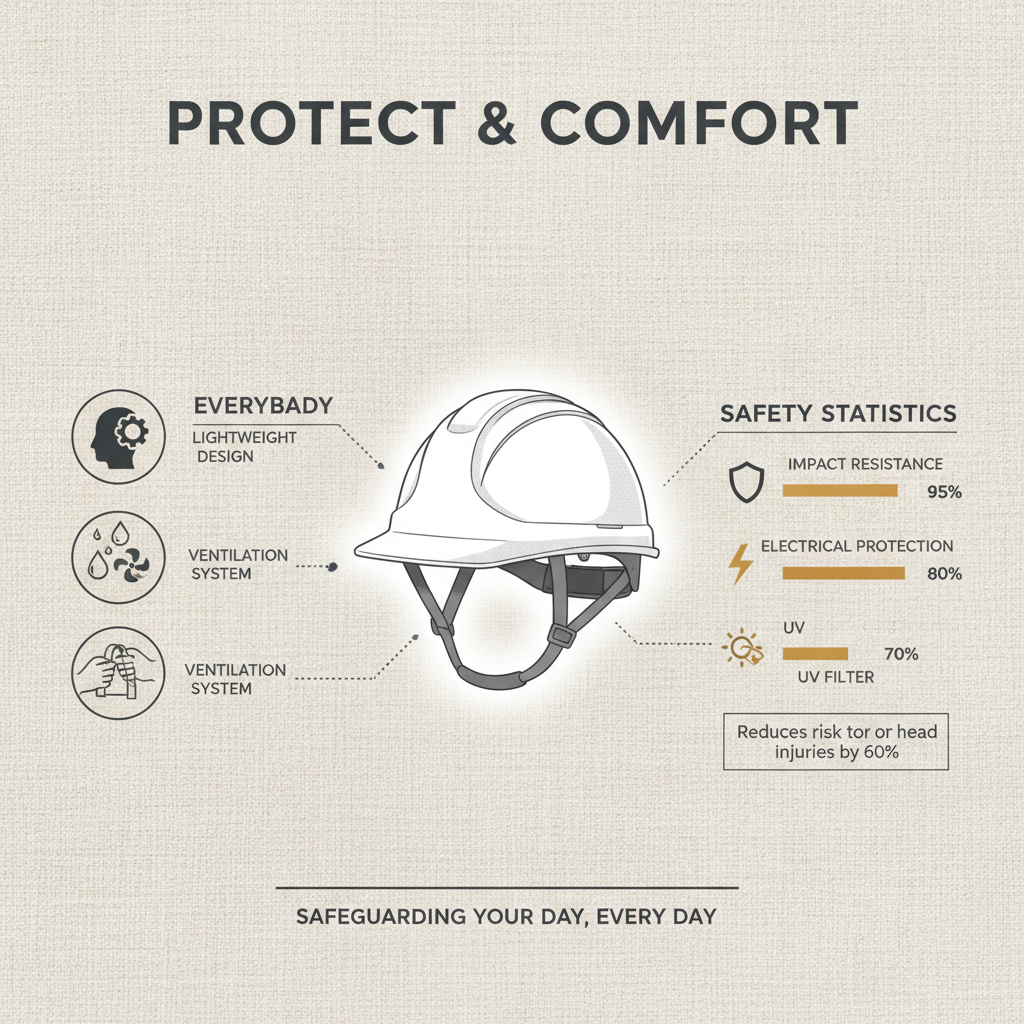
When selecting a white safety helmet, several key features should be considered. Look for helmets that meet relevant safety standards (like ANSI Z89.1 or EN 397). A comfortable suspension system is crucial for extended wear. Features like adjustable straps and ventilation also enhance comfort. Impact resistance, penetration resistance, and side impact protection are critical safety attributes. Consider the helmet's weight and whether it's compatible with accessories such as face shields or ear defenders. The best white safety helmet will balance these features to provide optimal protection and comfort.
Important Features Checklist:
• Meets relevant safety standards (ANSI, EN)
• Comfortable suspension system
• Adjustable straps & ventilation
• Impact & penetration resistance
White Safety Helmets: Industry-Specific Applications
Different industries have varying safety requirements. White safety helmets are commonly used in construction, food processing, sanitation, and quality control. In construction, the high visibility is paramount for worker safety. Food processing environments benefit from the easily sanitized surface of a white helmet. Sanitation workers appreciate the clear visibility, while quality control personnel benefit from a professional, clean appearance. The right white safety helmet will align with the specific hazards and needs of the work environment.
Comparing White Safety Helmets: Key Considerations
The market offers various white safety helmets, each with its own strengths. Consider the shell material (ABS, HDPE, etc.), the suspension system, and the availability of accessories. Price is also a factor, but prioritize safety and quality over cost. Research different brands and read customer reviews to get a comprehensive understanding of available options. Looking at certifications and standards compliance is also extremely important. Don't hesitate to consult with safety professionals for guidance. A well-chosen white color safety helmet is a worthwhile investment in worker protection.
Maintaining Your White Safety Helmet
Regular inspection and maintenance are essential for ensuring your helmet's effectiveness. Clean the helmet regularly with mild soap and water. Avoid using harsh chemicals or abrasive cleaners. Inspect the suspension system for wear and tear, and replace any damaged components immediately. Store the helmet in a cool, dry place away from direct sunlight. Follow the manufacturer’s instructions for proper care and maintenance. Replace the helmet after any significant impact or if it’s been exposed to extreme temperatures or chemicals. Proper care extends the lifespan and ensures continued protection.
Conclusion: Prioritizing Safety with a White Safety Helmet
Choosing the right white safety helmet is a critical decision for workplace safety. By considering the factors outlined in this guide – visibility, comfort, features, and industry-specific needs – you can ensure that your workers are adequately protected. Invest in quality head protection and prioritize a culture of safety within your organization.
Frequently Asked Questions (FAQs)
How often should a white safety helmet be replaced?
Safety helmet manufacturers generally recommend replacing helmets every 3-5 years, even if they appear undamaged. This is because the materials degrade over time due to UV exposure and regular use. However, a helmet should be replaced immediately if it has been involved in a significant impact, exposed to harsh chemicals, or shows visible signs of damage, such as cracks or a compromised suspension system. Regular inspections are crucial for determining the helmet's condition.
Can a white safety helmet be cleaned effectively?
Yes, white safety helmets can be cleaned effectively with mild soap and lukewarm water. Avoid using harsh chemicals, solvents, or abrasive cleaners, as these can damage the shell and suspension system. A soft brush or cloth can be used to remove dirt and grime. Ensure the helmet is thoroughly rinsed and allowed to air dry completely before use. Some helmets may have removable pads that can be washed separately.
Are there different standards for safety helmets in different regions?
Yes, safety helmet standards vary by region. In the United States, ANSI Z89.1 is the primary standard. In Europe, EN 397 is the standard. It’s crucial to ensure that the helmet meets the safety standards required for the specific country or region where it will be used. Compliance with the appropriate standard guarantees a certain level of protection and quality. You can find more information on standards compliance on the Goodsafetyhelmet website.
-
Industrial Protection Guide for Professional arco safety clothing
NewsApr.16,2026
-
The Ultimate Guide to Arc Safety Clothing for Electrical Protection
NewsApr.09,2026
-
Comprehensive Guide to Arc Flash Safety Clothing and Protection Measures
NewsApr.07,2026
-
American Safety Clothing Inc Your Premier Source for Workplace Safety Gear
NewsApr.04,2026
-
Comprehensive Guide to Womens Safety Clothing for Workplace Protection
NewsMar.31,2026
-
Comprehensive Guide to Selecting Optimal Waterproof Safety Clothing for Work
NewsMar.28,2026