
Comprehensive Guide to Electrical Safety Clothing and Hazard Protection
Electrical Safety Clothing: A Comprehensive Guide
Working with electricity is inherently dangerous, and appropriate personal protective equipment (PPE) is crucial to mitigate risks. Electrical safety clothing forms a vital layer of defense against arc flash, shock, and other electrical hazards. This article explores the importance of electrical safety clothing, the different types available, relevant standards, and how to choose the right gear for your needs. We'll also highlight how Goodsafetyhelmet provides comprehensive safety solutions. Protecting yourself and your team starts with understanding and implementing proper electrical safety protocols.
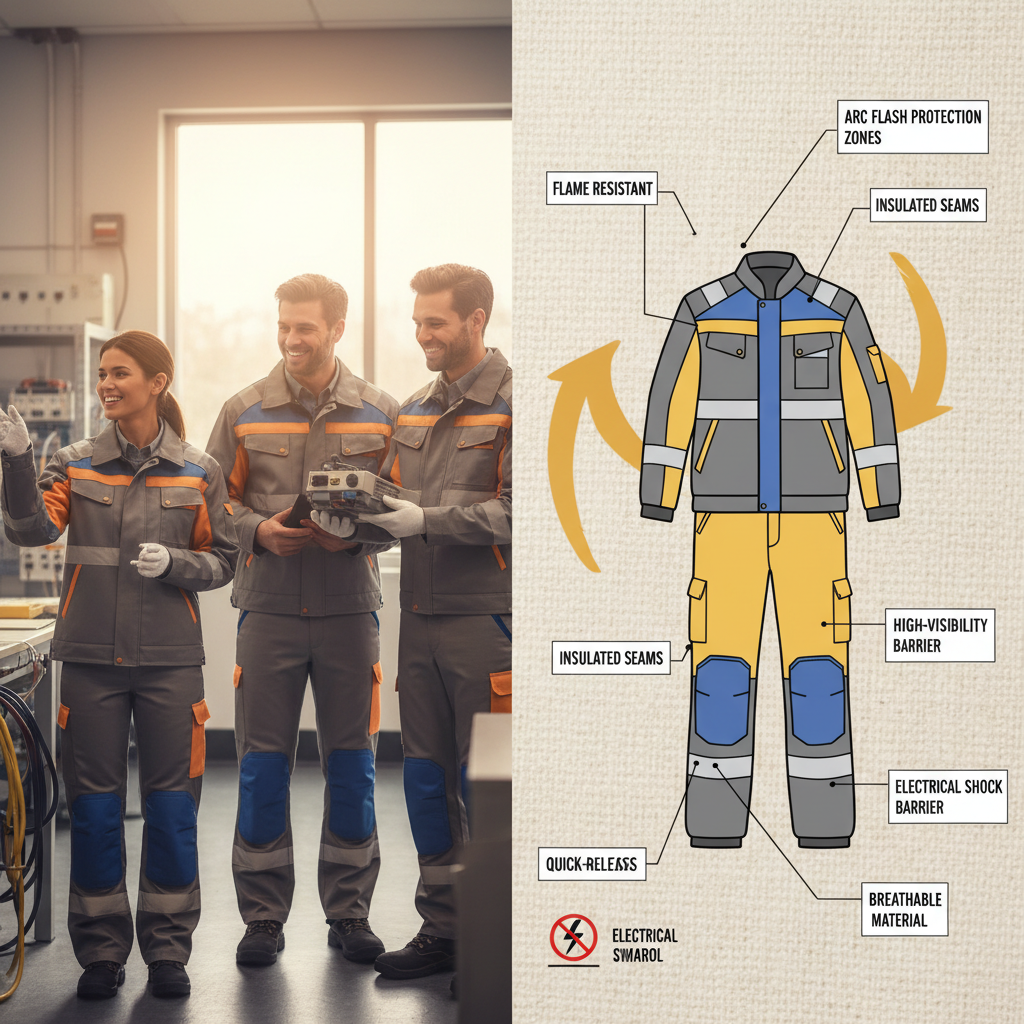
Understanding the Risks: Why Electrical Safety Clothing is Essential
Electrical hazards extend beyond direct contact with live wires. Arc flash, for example, is a rapid release of energy that can cause severe burns, blindness, and even death. Electrical safety clothing is designed to minimize these risks by providing a barrier against heat, flames, and electrical current. Without proper protection, even a seemingly minor electrical incident can have life-altering consequences. This clothing is a critical component of any comprehensive electrical safety program. Regular training and hazard assessments are also essential to create a safe working environment.
Key Benefits: Protect against arc flash, electrical shock, and thermal hazards. Reduce the severity of injuries in the event of an incident. Comply with industry safety standards. Enhance worker confidence and productivity.
Types of Electrical Safety Clothing
Electrical safety clothing comes in various forms, each designed for specific levels of protection and tasks. Common types include: Arc-rated shirts and pants: These provide a base layer of protection and are often made from inherently flame-resistant (FR) materials. Arc-rated coveralls: Offering full-body protection, coveralls are ideal for situations where maximum coverage is required. Electrical hazard (EH) rated footwear: These shoes and boots provide insulation against electrical shock. Gloves and sleeves: Protect hands and arms from direct contact and arc flash hazards. Face shields and hoods: Protect the face and head from arc flash burns and debris. The selection of appropriate clothing depends on a thorough hazard assessment and the specific tasks being performed.
Key Considerations When Selecting:
• Arc rating (expressed in cal/cm²)
• Material composition (FR cotton, synthetic blends)
• Layering options for added protection
• Comfort and mobility
Arc Rating and Protection Levels
The arc rating of electrical safety clothing indicates the amount of energy it can withstand before breaking open and allowing heat to reach the wearer's skin. Higher arc ratings offer greater protection. Understanding the potential arc flash hazard is crucial for selecting the appropriate arc rating. A hazard assessment will determine the incident energy level for different tasks and locations. Clothing should always meet or exceed the calculated incident energy level.
Relevant Standards and Regulations
Several standards govern electrical safety clothing, ensuring its effectiveness and reliability. NFPA 70E, Standard for Electrical Safety in the Workplace, is the primary standard in the United States. It outlines requirements for hazard assessments, PPE selection, and safe work practices. IEC 61482 is an international standard that specifies requirements for protective clothing against the thermal hazards of arc flash. Compliance with these standards is essential for maintaining a safe working environment and avoiding regulatory penalties. Staying up-to-date with the latest revisions of these standards is also crucial.
Choosing the Right Electrical Safety Clothing: A Checklist
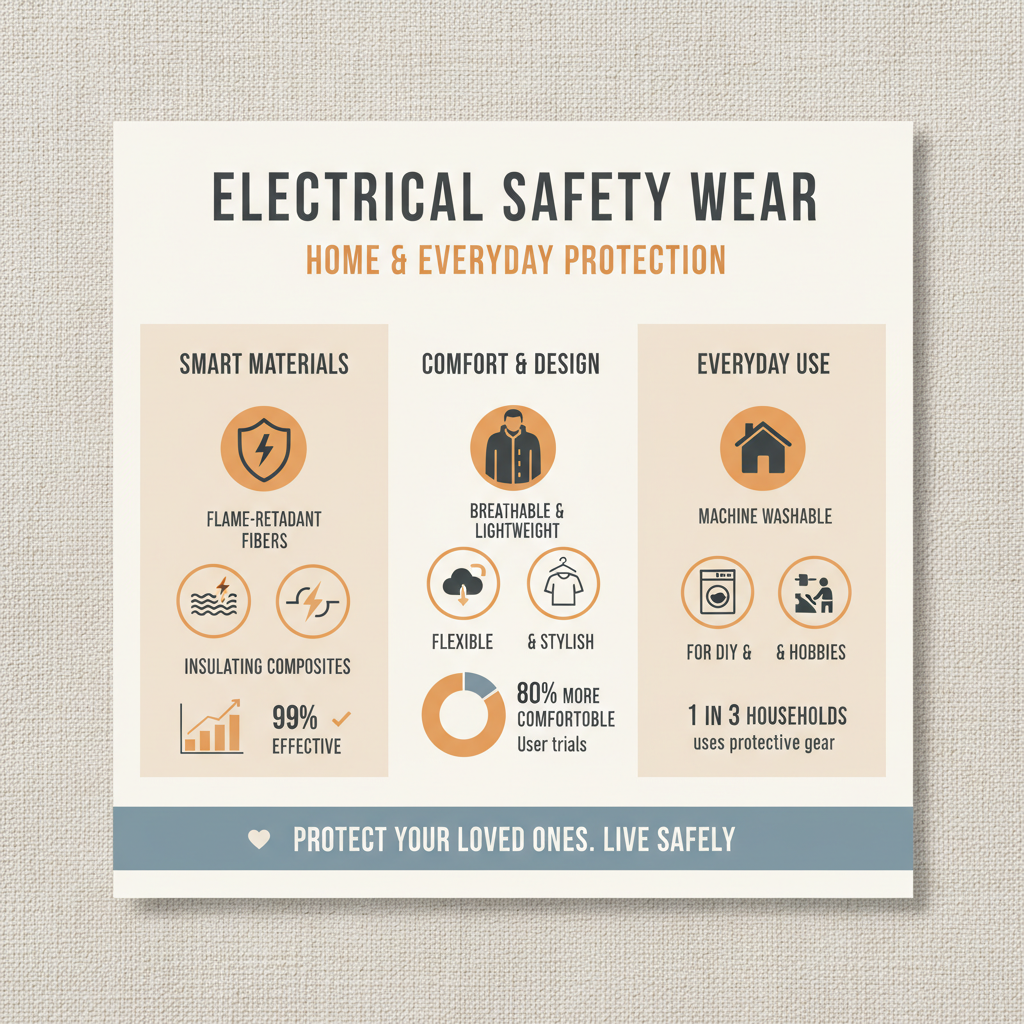
Selecting the appropriate electrical safety clothing requires a systematic approach. Consider these factors: Conduct a thorough hazard assessment to determine potential risks. Identify the required arc rating based on the calculated incident energy. Choose clothing that meets relevant standards (NFPA 70E, IEC 61482). Ensure proper fit and comfort to encourage consistent use. Provide training on the proper use and maintenance of the clothing. Goodsafetyhelmet offers expert guidance and a wide range of certified electrical safety clothing to meet your specific needs.
Conclusion: Prioritizing Safety with Electrical Safety Clothing
Investing in high-quality electrical safety clothing is a crucial step in protecting your workforce and ensuring a safe working environment. By understanding the risks, selecting the appropriate protection, and adhering to industry standards, you can significantly reduce the potential for electrical injuries. Goodsafetyhelmet is your trusted partner for all your electrical safety needs.
Frequently Asked Questions (FAQs)
How often should electrical safety clothing be inspected?
Electrical safety clothing should be inspected before each use for any signs of damage, such as tears, holes, or frayed seams. Regular inspections are crucial to ensure the clothing continues to provide adequate protection. A more thorough inspection should be conducted at least annually, or more frequently if the clothing is subjected to harsh conditions. Damaged clothing should be immediately removed from service and replaced.
Can electrical safety clothing be washed?
Yes, but it's essential to follow the manufacturer's instructions carefully. Some fabrics require specific washing procedures to maintain their protective properties. Avoid using harsh detergents or bleach, as these can degrade the fabric. Typically, washing electrical safety clothing separately from other garments is recommended to prevent contamination. Always air dry the clothing, as high heat can damage the materials.
What is the difference between flame-resistant (FR) and arc-rated clothing?
While both FR and arc-rated clothing offer protection against thermal hazards, they differ in their testing and performance. FR clothing is designed to self-extinguish when exposed to flame, preventing the fire from spreading. Arc-rated clothing, on the other hand, is specifically tested to withstand the heat energy produced by an arc flash. Arc-rated clothing provides a higher level of protection in electrical hazards than standard FR clothing.
Where can I find more information about electrical safety regulations?
You can find detailed information about electrical safety regulations from organizations like OSHA (Occupational Safety and Health Administration) and NFPA (National Fire Protection Association). Their websites offer comprehensive resources, including standards, guidelines, and training materials. Additionally, Goodsafetyhelmet can provide guidance on compliance and help you select the appropriate safety equipment for your specific needs.
-
Industrial Protection Guide for Professional arco safety clothing
NewsApr.16,2026
-
The Ultimate Guide to Arc Safety Clothing for Electrical Protection
NewsApr.09,2026
-
Comprehensive Guide to Arc Flash Safety Clothing and Protection Measures
NewsApr.07,2026
-
American Safety Clothing Inc Your Premier Source for Workplace Safety Gear
NewsApr.04,2026
-
Comprehensive Guide to Womens Safety Clothing for Workplace Protection
NewsMar.31,2026
-
Comprehensive Guide to Selecting Optimal Waterproof Safety Clothing for Work
NewsMar.28,2026