
Comprehensive Guide to Selecting Optimal Lab Safety Clothing for Protection
Choosing the Right Lab Safety Clothing for Optimal Protection
Working in a laboratory environment requires a high level of caution and the appropriate safety measures. One critical aspect of lab safety is wearing the correct lab safety clothing. This clothing acts as a barrier against chemical spills, biological hazards, and other potential dangers. Selecting the right garments is paramount to protecting yourself and your colleagues. From lab coats to safety glasses and gloves, understanding the various options available and their specific uses is essential. This article provides a comprehensive guide to navigating the world of lab safety clothing, helping you make informed decisions to ensure a safe and productive work environment. You can find a wide range of options at Goodsafetyhelmet.com, a trusted source for safety equipment.

Essential Components of Lab Safety Clothing
A complete lab safety outfit includes more than just a lab coat. Key components include: lab coats, designed to protect clothing and skin from spills and splashes; safety glasses or goggles, crucial for protecting eyes from chemical splashes, projectiles, and UV light; gloves, providing a barrier against hazardous materials; closed-toe shoes, preventing foot injuries from spills or dropped objects; and sometimes, face shields for enhanced facial protection. The specific requirements will depend on the nature of the work being performed and the hazards present. Choosing the right materials for each garment is also critical. For instance, certain chemicals may permeate some glove materials, requiring a specialized type of glove.
Key Takeaway: A comprehensive approach to lab safety clothing means considering all necessary components, not just the most obvious ones.
Understanding Lab Coat Materials
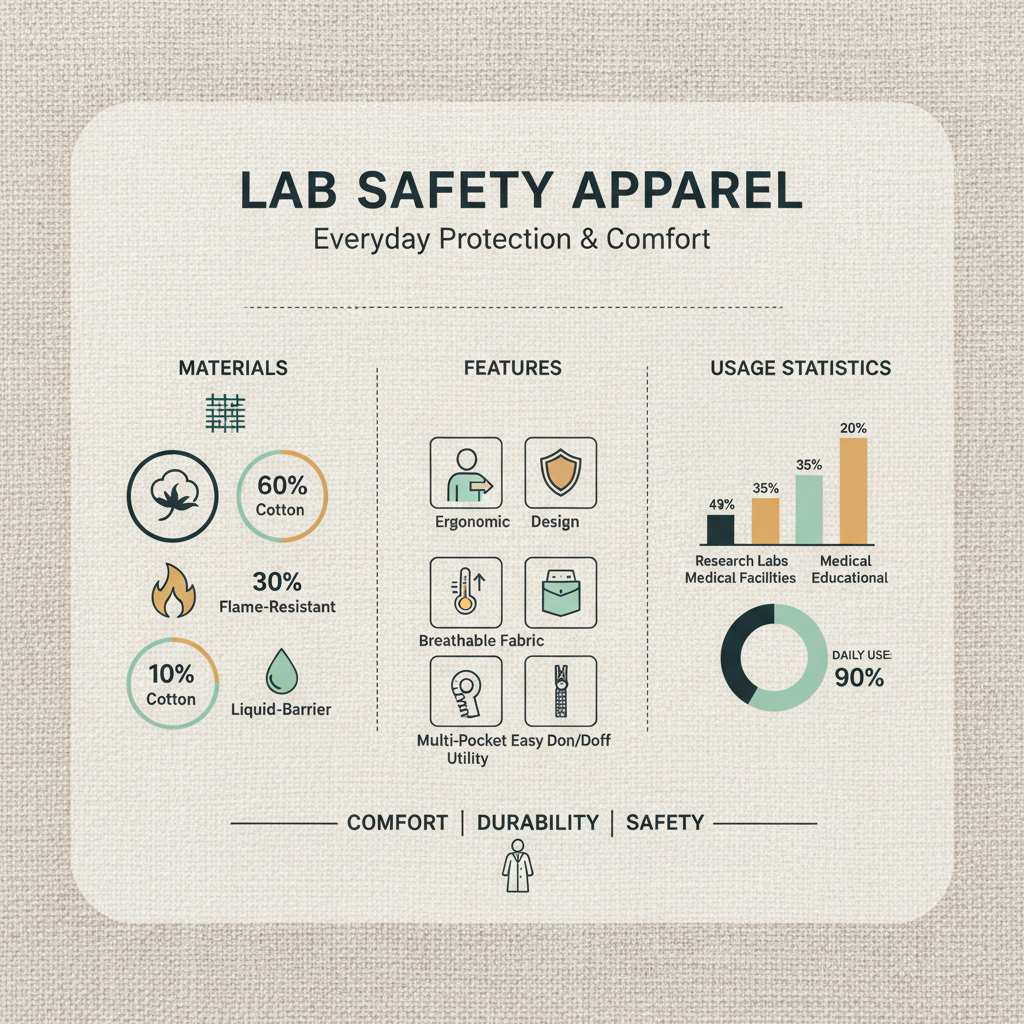
Lab coats are available in a variety of materials, each with its own advantages and disadvantages. Cotton lab coats are comfortable and breathable, making them suitable for general lab work. However, they offer limited protection against chemical splashes. Polyester lab coats are more resistant to chemicals and stains, but may not be as comfortable as cotton. Blended fabrics (e.g., cotton-polyester) offer a balance of comfort and protection. For handling particularly hazardous materials, flame-resistant lab coats made from materials like Nomex are essential. The choice of material should be based on the specific risks associated with the experiments being conducted.
Material Comparison:
• Cotton: Comfortable, breathable, limited chemical resistance.
• Polyester: Good chemical resistance, less breathable.
• Cotton-Polyester Blend: Balance of comfort and protection.
• Nomex: Flame-resistant, for high-risk applications.
Choosing the Right Gloves: A Detailed Guide
Selecting the appropriate gloves is crucial for protecting your hands from chemical exposure. Different glove materials offer varying levels of resistance to different chemicals. Nitrile gloves are a popular choice for general laboratory work, offering good resistance to a wide range of chemicals. Latex gloves provide excellent elasticity and dexterity, but can cause allergic reactions in some individuals. Neoprene gloves offer good resistance to acids, bases, and solvents. PVC gloves are ideal for handling aqueous solutions. Always consult a chemical resistance chart to ensure the gloves you choose are appropriate for the specific chemicals you will be handling.
Proper Use and Maintenance of Lab Safety Clothing
Simply wearing lab safety clothing isn’t enough. Proper usage and maintenance are vital. Lab coats should be buttoned up completely and removed before leaving the lab to prevent the spread of contamination. Gloves should be inspected for tears or punctures before each use and replaced immediately if damaged. Safety glasses should fit snugly and be cleaned regularly. Regular laundering of lab coats and proper disposal of contaminated clothing are also essential. Establish clear protocols for the use and care of lab safety clothing to ensure consistent compliance.
Staying Up-to-Date with Safety Regulations
Lab safety regulations and best practices are constantly evolving. It’s essential to stay informed about the latest guidelines and recommendations from organizations like OSHA (Occupational Safety and Health Administration). Regular training sessions and safety audits can help ensure that all lab personnel are aware of the proper procedures for handling hazardous materials and using lab safety clothing effectively. You can find comprehensive safety solutions and guidance at Goodsafetyhelmet.com.
Conclusion: Prioritizing Safety with the Right Lab Attire
Investing in high-quality lab safety clothing and adhering to proper safety protocols is paramount to protecting personnel in any laboratory setting. By understanding the different types of clothing available, selecting the right materials, and following best practices for usage and maintenance, you can create a safer and more productive work environment. Don’t compromise on safety – it’s an investment in the well-being of your team.
Frequently Asked Questions (FAQs)
How often should lab coats be laundered?
Lab coats should be laundered regularly, ideally after each use or whenever they become visibly soiled. If a lab coat is exposed to hazardous materials, it should be laundered immediately. Separate lab coats from personal clothing during laundering and use a detergent suitable for the fabric type. Some labs may have designated laundry services for lab coats to ensure proper decontamination. Avoid laundering lab coats at home, especially if they have been used with particularly hazardous substances.
What is the purpose of wearing closed-toe shoes in the lab?
Closed-toe shoes are essential in the lab to protect feet from chemical spills, broken glass, and dropped objects. Sandals or open-toe shoes provide no protection and leave feet vulnerable to injury. Shoes should be made of a non-absorbent material and provide adequate support. In some labs, specific types of shoes may be required, such as those with steel toes or chemical-resistant soles.
Are disposable lab coats a viable alternative to reusable ones?
Disposable lab coats can be a viable alternative, particularly in situations where there is a high risk of contamination or when laundering reusable coats is impractical. However, they are generally less durable and may not offer the same level of protection as reusable coats made from higher-quality materials. Disposable coats should be disposed of properly after each use, following all applicable waste disposal regulations. Consider the environmental impact of disposable options compared to reusable ones.
Where can I find more information on lab safety guidelines?
Numerous resources are available online and through safety organizations. OSHA (Occupational Safety and Health Administration) provides comprehensive guidelines on laboratory safety. The National Safety Council also offers valuable information and training resources. Your institution's Environmental Health and Safety (EHS) department is an excellent source of information specific to your lab's hazards and procedures. You can also find helpful resources at Goodsafetyhelmet.com.
-
Industrial Protection Guide for Professional arco safety clothing
NewsApr.16,2026
-
The Ultimate Guide to Arc Safety Clothing for Electrical Protection
NewsApr.09,2026
-
Comprehensive Guide to Arc Flash Safety Clothing and Protection Measures
NewsApr.07,2026
-
American Safety Clothing Inc Your Premier Source for Workplace Safety Gear
NewsApr.04,2026
-
Comprehensive Guide to Womens Safety Clothing for Workplace Protection
NewsMar.31,2026
-
Comprehensive Guide to Selecting Optimal Waterproof Safety Clothing for Work
NewsMar.28,2026