
Comprehensive Guide to Construction Safety Clothing and Worker Protection
Construction Safety Clothing: A Comprehensive Guide
Ensuring worker safety on construction sites is paramount, and a vital component of this is appropriate safety clothing. From high-visibility vests to durable work boots, the right gear can significantly reduce the risk of accidents and injuries. This article delves into the world of construction safety clothing, covering essential items, standards, and best practices for selecting and maintaining protective wear. Protecting your workforce isn't just a legal obligation – it's a fundamental aspect of responsible business practice.
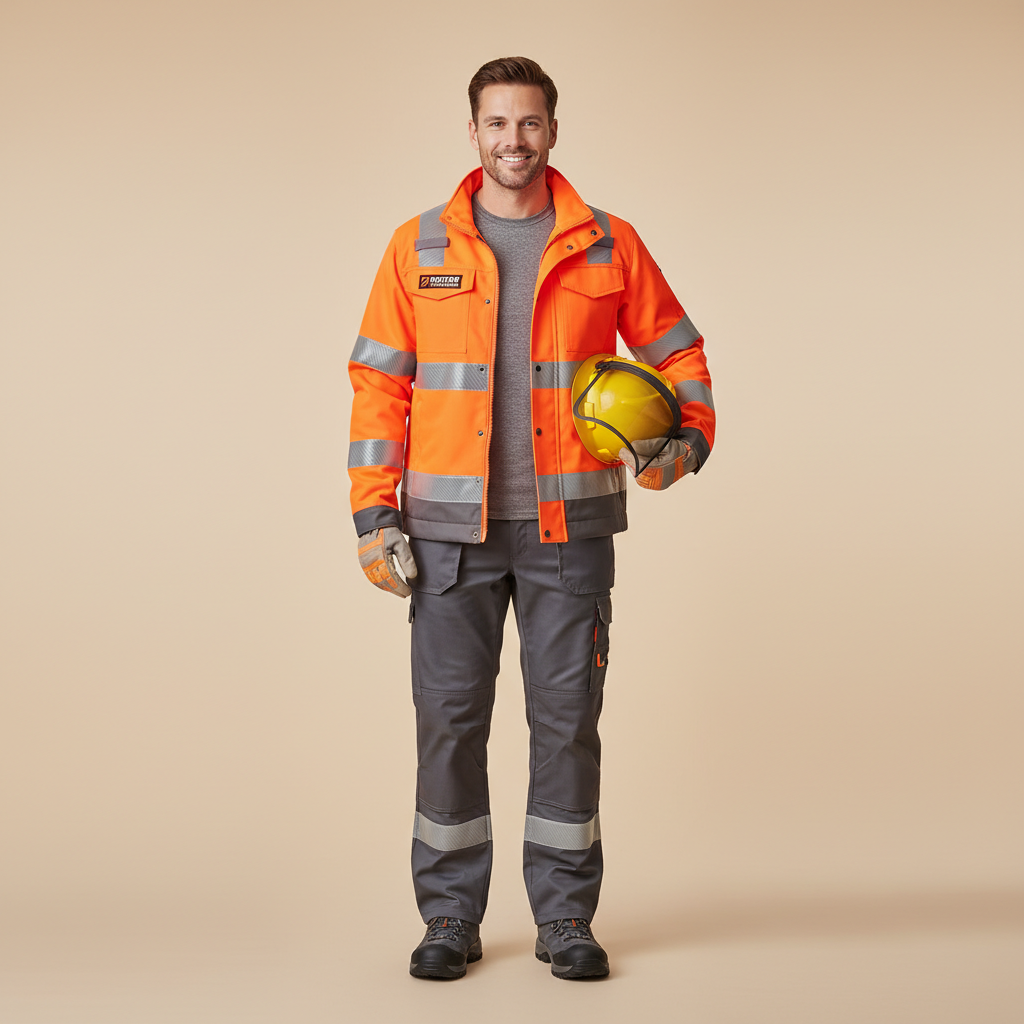
Essential Components of Construction Safety Clothing
Construction sites present a multitude of hazards, requiring a layered approach to personal protective equipment (PPE). Key items include high-visibility clothing (vests, jackets), hard hats, safety glasses, gloves, work boots, and potentially flame-resistant clothing (FRC) depending on the tasks involved. The selection process should be based on a thorough hazard assessment of the specific work environment. Prioritizing durable, comfortable, and appropriately certified clothing is essential to encourage consistent use and maximize protection. Understanding the role of each garment in mitigating specific risks is crucial for effective safety management.
Key Takeaway: A comprehensive safety clothing program is a proactive measure to minimize injuries, boost morale, and demonstrate a commitment to worker well-being.
High-Visibility Clothing: Staying Seen on Site
High-visibility clothing is arguably the most critical element of construction safety attire. These garments, typically in fluorescent colors like orange or yellow, combined with reflective tape, enhance worker visibility in low-light conditions or against busy backgrounds. Different ANSI/ISEA classes of high-visibility clothing exist, based on the level of reflectivity and the work environment. Class 2 is generally suitable for workers whose tasks require some visibility, while Class 3 is recommended for those working in high-risk areas with fast-moving traffic. Choosing the appropriate class is crucial for maximizing protection.
Benefits of High-Visibility Clothing:
• Reduces the risk of being struck by vehicles or equipment
• Enhances awareness of workers in hazardous areas
• Complies with safety regulations
• Improves overall site safety
Construction Safety Clothing Standards & Certifications
Several organizations set standards for construction safety clothing. In the US, the American National Standards Institute (ANSI) and the International Safety Equipment Association (ISEA) are key players. These organizations develop standards for high-visibility clothing (ANSI/ISEA 107), head protection (ANSI Z89.1), eye and face protection (ANSI Z87.1), and more. Look for clothing that is certified to meet these standards, as this ensures that the garment has been tested and meets specific performance requirements. European standards (EN) are also relevant for clothing manufactured or used in Europe.
Proper Care and Maintenance of Construction Safety Clothing
Even the best safety clothing is only effective if it's properly maintained. Regularly inspect garments for damage, such as tears, fraying, or reduced reflectivity. Follow the manufacturer’s washing instructions carefully, as harsh detergents or improper drying can degrade the materials and reduce their protective properties. Replace damaged or worn-out clothing promptly. Proper storage is also important – keep clothing clean and dry when not in use. Regular maintenance ensures that the clothing continues to provide the intended level of protection.
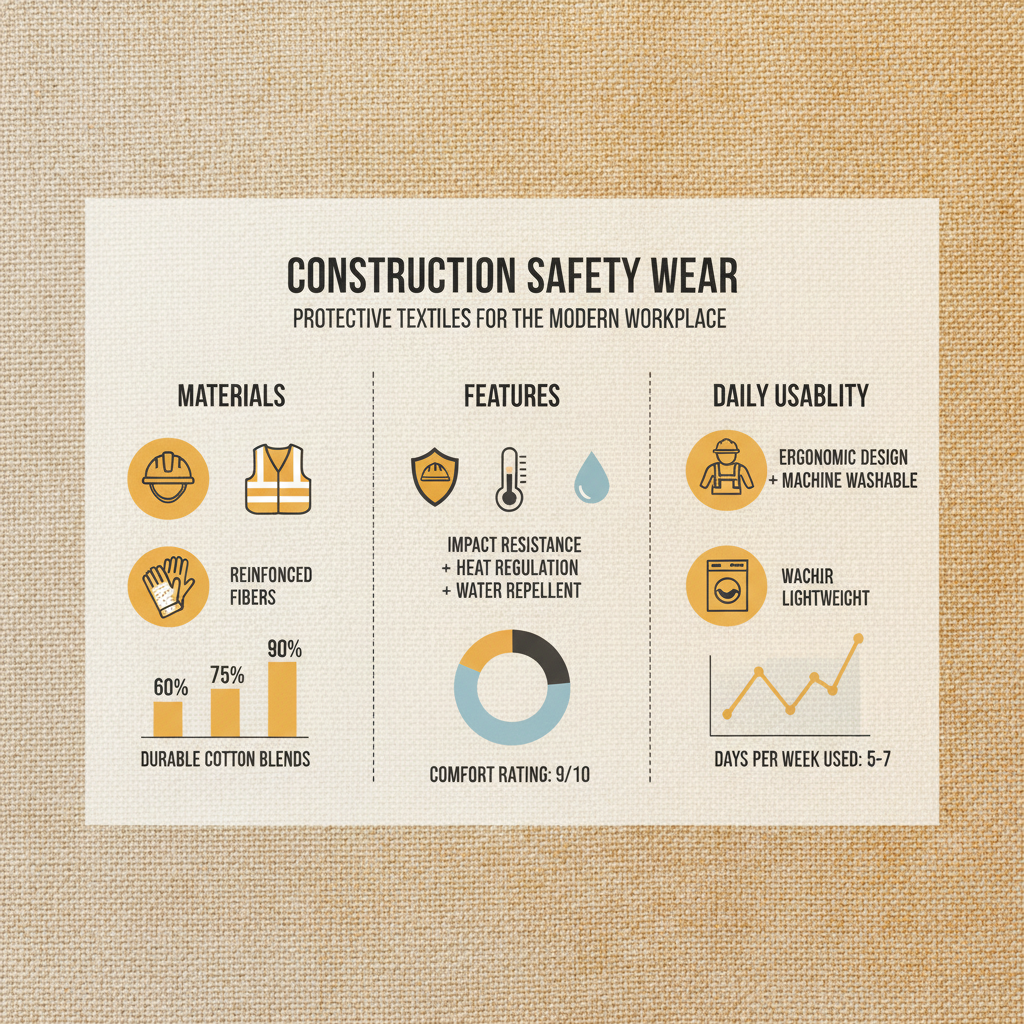
Choosing the Right Supplier for Construction Safety Clothing
Selecting a reputable supplier is critical for ensuring the quality and compliance of your construction safety clothing. Look for suppliers who offer a wide range of certified products, competitive pricing, and excellent customer service. Consider suppliers that can provide expert advice on selecting the appropriate clothing for specific job tasks and site conditions. <a href="https://www.goodsafetyhelmet.com" style="color: #e74c3c; text-decoration: underline; font-weight: 600;">Goodsafetyhelmet.com</a> is a trusted source for high-quality construction safety equipment, offering a comprehensive selection of clothing and accessories.
Conclusion: Investing in Safety for a Productive Workforce
Prioritizing construction safety clothing is a strategic investment that protects your workforce, enhances productivity, and demonstrates a commitment to responsible business practices. By selecting the right garments, ensuring proper maintenance, and partnering with a reliable supplier, you can create a safer and more efficient work environment.
Frequently Asked Questions (FAQs)
How often should construction safety clothing be replaced?
The frequency of replacement depends on usage, wear and tear, and specific workplace hazards. High-visibility clothing should be replaced if the reflectivity is diminished or the fabric is damaged. Work boots should be replaced when the soles are worn or the protective features are compromised. Generally, safety clothing should be inspected regularly and replaced as needed, following manufacturer's recommendations and industry best practices. A proactive replacement schedule minimizes risk and ensures continuous protection.
What is the difference between ANSI Class 2 and Class 3 high-visibility clothing?
ANSI Class 2 high-visibility clothing provides a moderate level of visibility and is suitable for workers whose tasks require some visibility, such as flagging operations on roadways. Class 3 offers the highest level of visibility and is recommended for workers in high-risk environments, like those near fast-moving traffic or in low-light conditions. The key difference lies in the amount of reflective material used – Class 3 garments have significantly more reflective tape, providing greater visibility from a wider range of angles.
Are flame-resistant (FR) clothing required on all construction sites?
No, FR clothing is not required on all construction sites. It is typically mandated when workers are exposed to potential thermal hazards, such as sparks, flames, or electrical arcs. The need for FR clothing is determined by a hazard assessment conducted by a qualified safety professional. Industries like oil and gas, petrochemicals, and certain electrical work often require FR clothing as a standard safety precaution.
What should I look for when choosing work boots for a construction site?
When selecting work boots for a construction site, prioritize safety features like steel toes for impact protection, slip-resistant soles for traction, and electrical hazard (EH) protection if working near live electrical sources. Consider the type of terrain and tasks involved – boots with ankle support are beneficial for uneven surfaces, while waterproof boots are essential for wet conditions. Ensure the boots fit properly and provide adequate comfort for extended wear.
-
Industrial Protection Guide for Professional arco safety clothing
NewsApr.16,2026
-
The Ultimate Guide to Arc Safety Clothing for Electrical Protection
NewsApr.09,2026
-
Comprehensive Guide to Arc Flash Safety Clothing and Protection Measures
NewsApr.07,2026
-
American Safety Clothing Inc Your Premier Source for Workplace Safety Gear
NewsApr.04,2026
-
Comprehensive Guide to Womens Safety Clothing for Workplace Protection
NewsMar.31,2026
-
Comprehensive Guide to Selecting Optimal Waterproof Safety Clothing for Work
NewsMar.28,2026