
Comprehensive Guide to Selecting the Best Zero Safety Helmet for Workplace Protection
Choosing the Right Zero Safety Helmet: A Comprehensive Guide
When it comes to workplace safety, selecting the right head protection is non-negotiable. A zero safety helmet signifies a commitment to minimizing risk and protecting employees. This article explores the critical features, benefits, and applications of these essential safety tools, providing a thorough overview for professionals and safety managers. Understanding the nuances of safety helmet selection can drastically reduce the potential for head injuries.
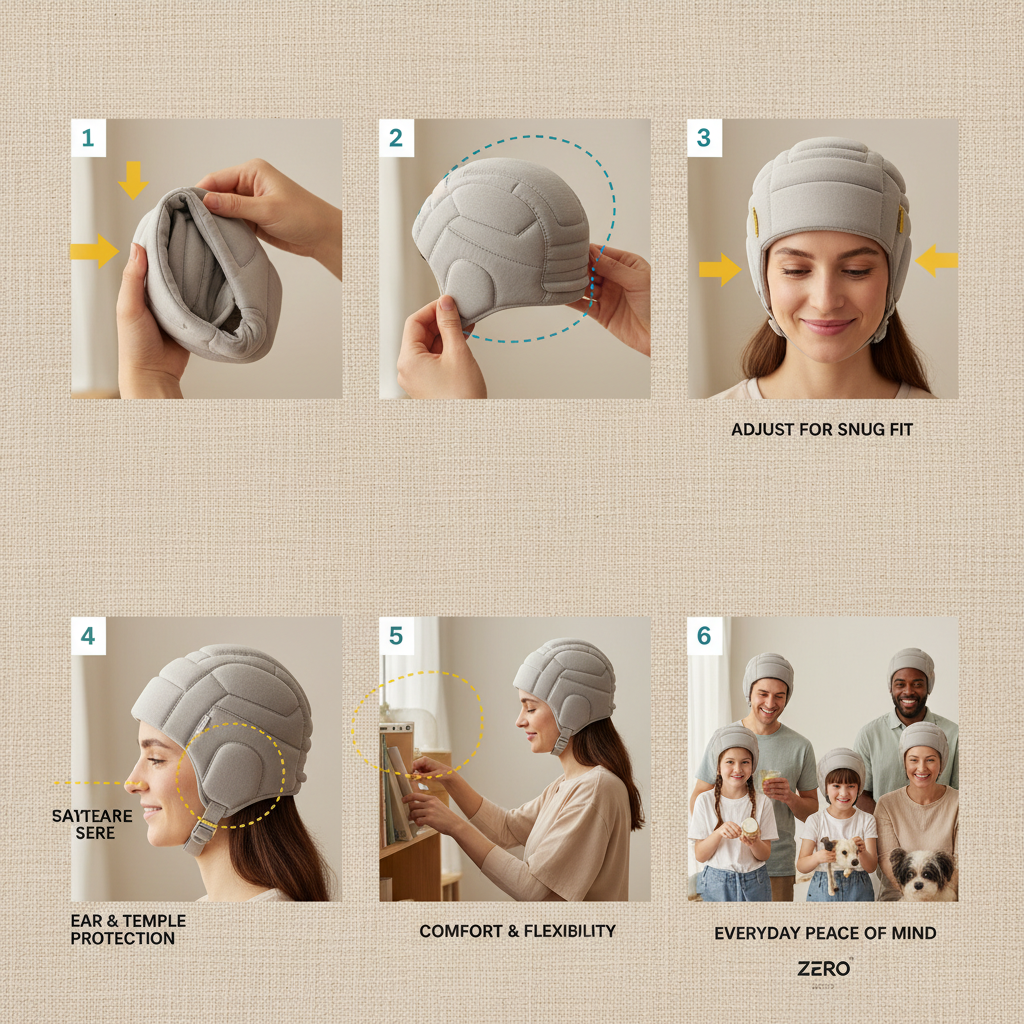
Understanding the Concept of "Zero" Safety Helmets
The term "zero safety helmet" doesn’t mean the helmet offers no protection; rather, it signifies a commitment to achieving 'zero' head injuries. These helmets are designed with advanced materials and features to maximize impact absorption and minimize the risk of head trauma. Key features often include robust shell materials, multi-impact liners, and secure retention systems. They aim to go beyond basic safety standards and provide an extra layer of protection for workers in high-risk environments. Investing in a quality zero safety helmet is an investment in your employees' well-being and your company's safety record.
Key Highlights: Designed with advanced materials to maximize impact absorption, featuring robust shell materials, multi-impact liners, and secure retention systems.
Key Features to Look For in a Zero Safety Helmet
When selecting a zero safety helmet, consider the following features: a strong outer shell (typically made from ABS or polycarbonate), a multi-impact liner (EPS or EPP foam), an adjustable suspension system for a secure fit, and compatibility with accessories like face shields or ear protection. The helmet should also meet relevant safety standards (e.g., EN 397, ANSI Z89.1). A well-designed helmet will distribute impact forces effectively, reducing the risk of concussion and other serious head injuries. Look for helmets with features tailored to your specific work environment.
Essential Features Checklist:
• Strong outer shell (ABS or Polycarbonate)
• Multi-impact liner (EPS or EPP foam)
• Adjustable suspension system
• Compliance with safety standards (EN 397, ANSI Z89.1)
Zero Safety Helmet Performance: Impact Absorption Comparison
The effectiveness of a safety helmet lies in its ability to absorb and dissipate impact energy. Zero safety helmets utilize advanced materials and designs to exceed standard impact absorption levels. Compared to basic helmets, they often demonstrate superior performance in both linear and rotational impact tests. This translates to a significantly reduced risk of serious head injuries in the event of an accident.
Industry Applications for Zero Safety Helmets
Zero safety helmets are crucial across a wide range of industries, including construction, oil & gas, mining, forestry, and manufacturing. In these environments, workers face a higher risk of head injuries due to falling objects, impacts, and other hazards. Choosing a helmet specifically designed for the demands of your industry is essential. From ensuring compliance with stringent safety regulations to providing peace of mind for employees, a zero safety helmet is a vital component of a comprehensive safety program.
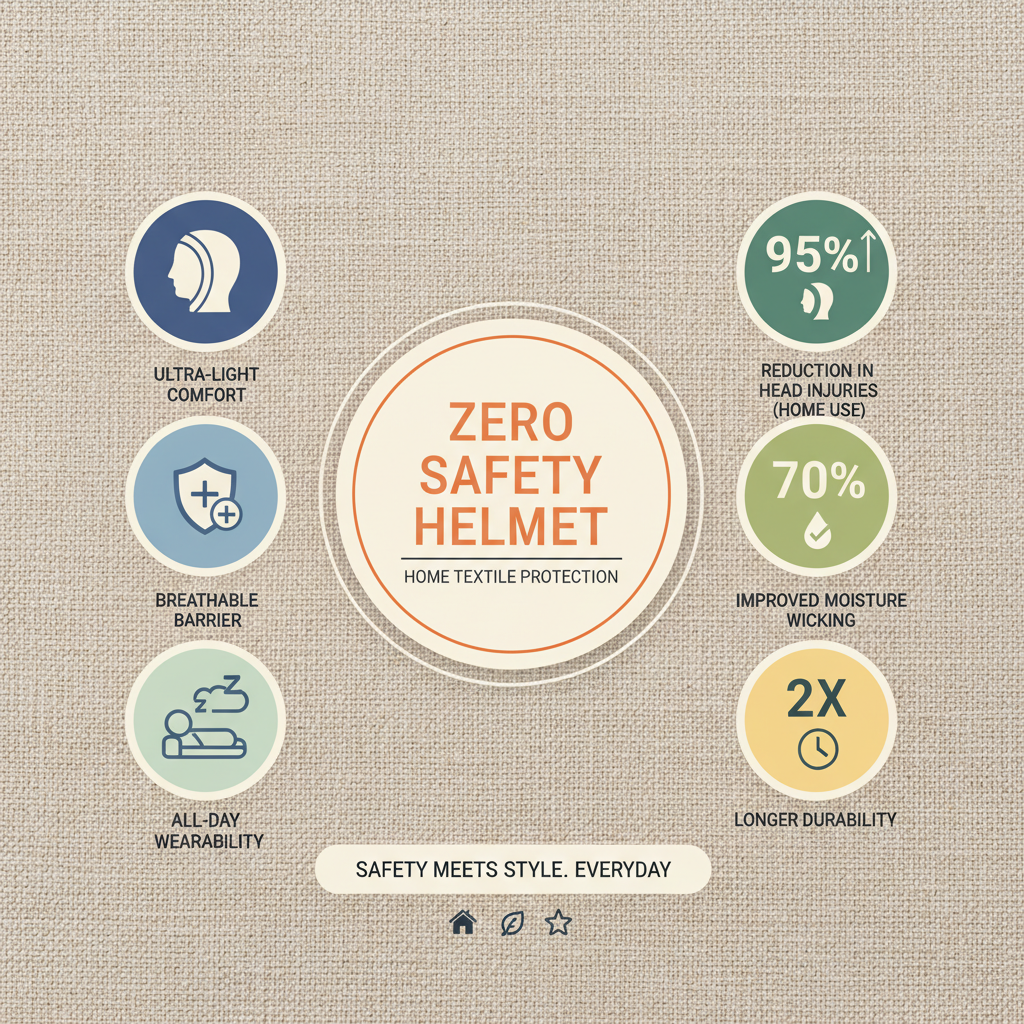
Selecting the Right Zero Safety Helmet: A Step-by-Step Guide
Selecting the right zero safety helmet requires careful consideration. First, identify the specific hazards present in your work environment. Second, ensure the helmet meets relevant safety standards. Third, prioritize comfort and fit – a properly fitted helmet is more effective. Fourth, consider any necessary accessories, such as face shields or ear protection. Finally, choose a reputable brand like Goodsafetyhelmet, known for its commitment to quality and innovation.
Conclusion: Prioritizing Head Protection with Zero Safety Helmets
Investing in a zero safety helmet is a proactive step towards creating a safer work environment. By prioritizing head protection and selecting a helmet that meets the highest standards, you can significantly reduce the risk of head injuries and protect your most valuable asset: your employees.
Frequently Asked Questions (FAQs)
How often should I replace my zero safety helmet?
Even if there’s no visible damage, a safety helmet should be replaced every 3-5 years due to material degradation from UV exposure and general wear and tear. More frequent replacement is required if the helmet has been involved in an impact. Regularly inspect your helmet for cracks, dents, or damage to the suspension system. It's crucial to adhere to the manufacturer’s recommendations for replacement schedules. Choosing a quality helmet from a trusted source, like Goodsafetyhelmet, ensures consistent quality and reliability.
What does the term "MIPS" mean in relation to safety helmets?
MIPS stands for Multi-directional Impact Protection System. It’s a revolutionary technology incorporated into some zero safety helmets that reduces rotational forces transmitted to the brain during angled impacts. Traditional helmets primarily protect against direct impacts. MIPS allows the helmet's outer shell to rotate independently of the head, mitigating the harmful effects of rotational impacts, which are common in many accidents. Helmets equipped with MIPS offer an additional layer of protection.
How do I ensure a proper fit with a zero safety helmet?
A proper fit is essential for optimal protection. Begin by measuring your head circumference using a flexible measuring tape. Adjust the helmet’s suspension system to achieve a snug, comfortable fit. The helmet should sit level on your head and not rock forward, backward, or side to side. Ensure the chin strap is securely fastened, allowing only one or two fingers to fit between the strap and your chin. Regularly check the fit, especially if you are wearing a hat or other head covering underneath the helmet.
-
Industrial Protection Guide for Professional arco safety clothing
NewsApr.16,2026
-
The Ultimate Guide to Arc Safety Clothing for Electrical Protection
NewsApr.09,2026
-
Comprehensive Guide to Arc Flash Safety Clothing and Protection Measures
NewsApr.07,2026
-
American Safety Clothing Inc Your Premier Source for Workplace Safety Gear
NewsApr.04,2026
-
Comprehensive Guide to Womens Safety Clothing for Workplace Protection
NewsMar.31,2026
-
Comprehensive Guide to Selecting Optimal Waterproof Safety Clothing for Work
NewsMar.28,2026