
Comprehensive Guide to Blue Safety Helmets with Chin Straps for Workplace Protection
Safety Helmet with Chin Strap Blue: A Comprehensive Guide
Choosing the right head protection is crucial for workplace safety. A safety helmet with chin strap blue offers a blend of secure fit, robust protection, and high visibility. This article provides a detailed overview of the benefits, features, and applications of these helmets, ensuring you make an informed decision for your safety needs. Selecting the appropriate helmet significantly reduces the risk of head injuries in diverse work environments, and we’ll explore why a blue safety helmet with a chin strap is often the ideal choice.
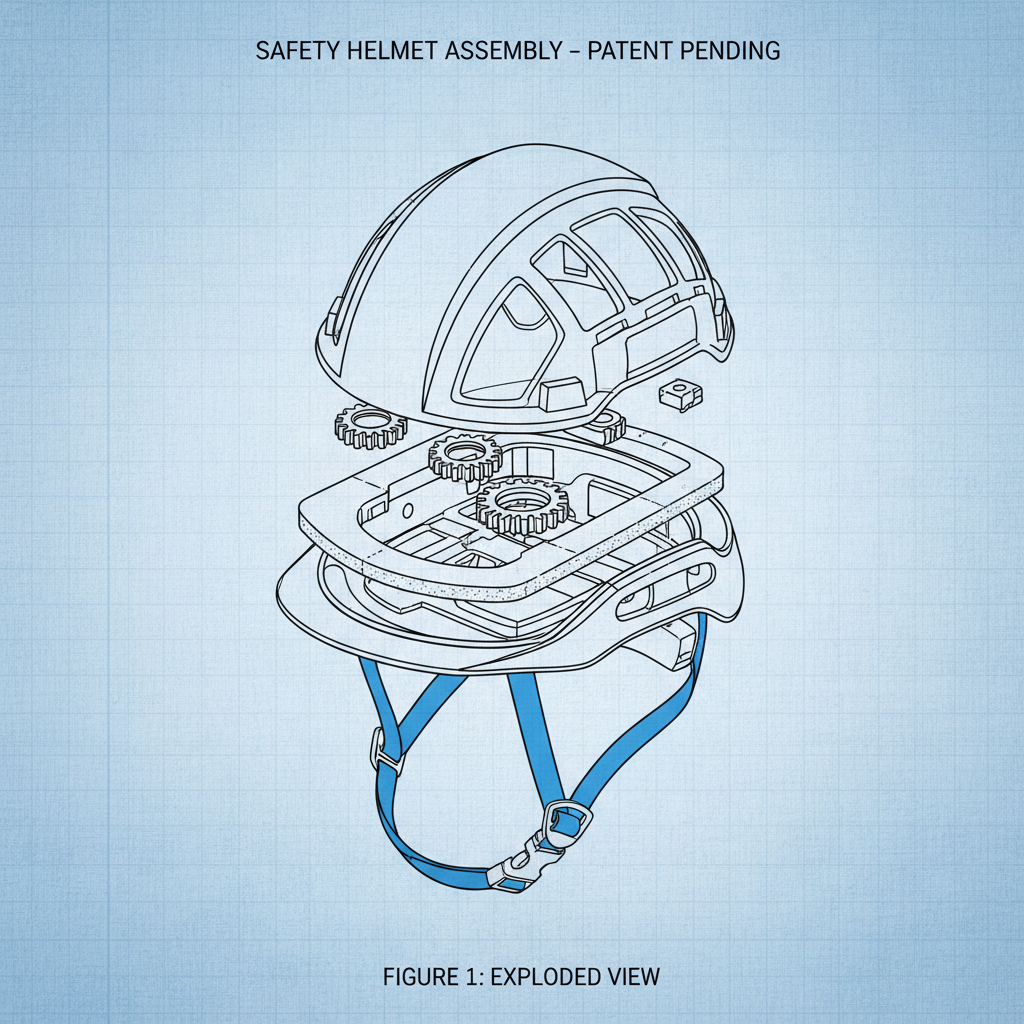
Why Choose a Blue Safety Helmet with Chin Strap?
Blue safety helmets are commonly associated with general labor and apprentices, making them easily identifiable on a worksite. The addition of a chin strap drastically improves the helmet's security, preventing it from dislodging during movement or in the event of an impact. This is particularly important in industries where workers are exposed to heights, falling objects, or fast-paced environments. A properly fitted and secured helmet drastically reduces the risk of head injuries, ensuring worker safety and minimizing potential liability for employers. The chin strap also provides added protection during windy conditions or activities that involve bending and twisting.
Key Benefits: Improved security, enhanced visibility, suitable for diverse work environments, and easy identification.
Key Features to Look For in a Safety Helmet with Chin Strap
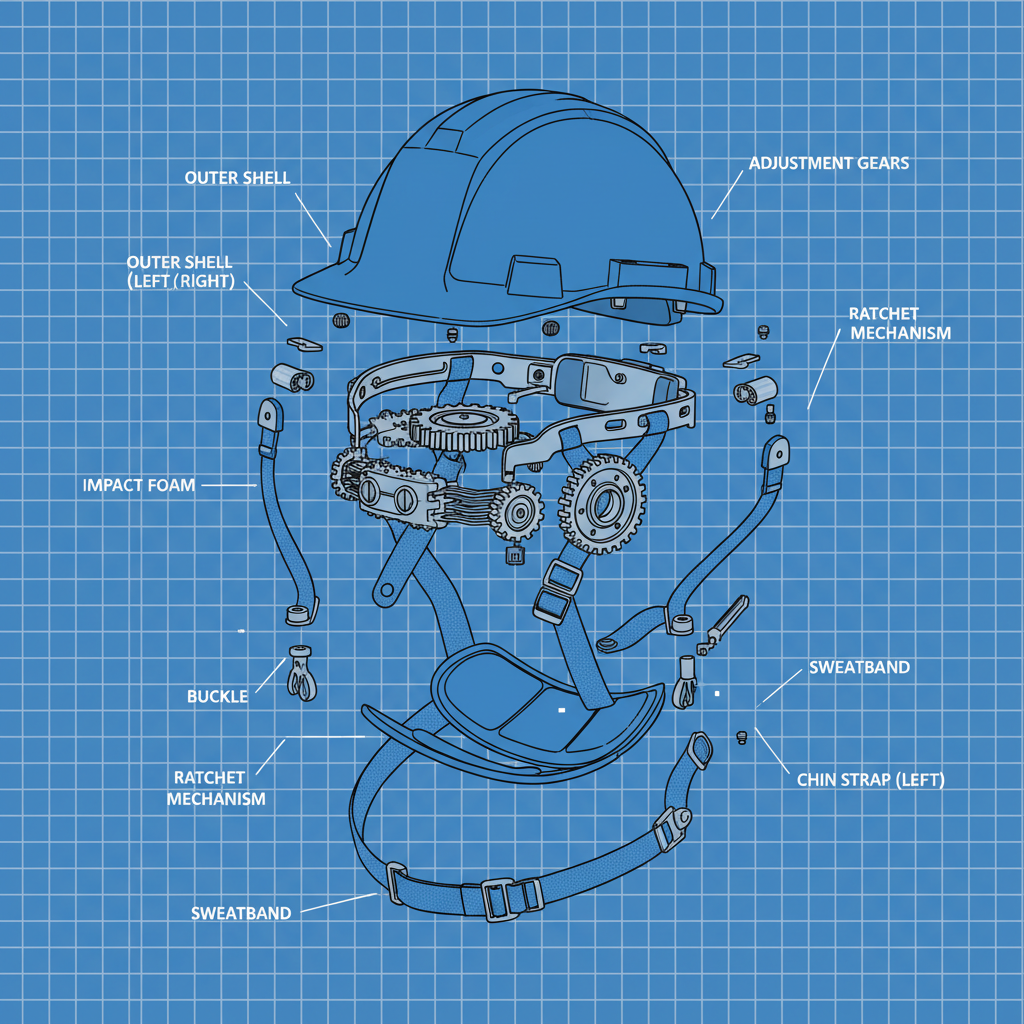
When selecting a safety helmet, several key features are essential. Look for helmets that meet relevant safety standards (such as ANSI Z89.1 or EN397). The shell material should be durable, typically made of high-density polyethylene (HDPE) or ABS plastic. A comfortable suspension system with adjustable points ensures a secure and personalized fit. The chin strap should be adjustable and made of a strong, abrasion-resistant material. Furthermore, consider features like ventilation holes for increased comfort and optional accessories like face shields or ear protection. A well-designed helmet will prioritize both protection and wearer comfort.
Essential Features:
• Meets ANSI Z89.1 or EN397 standards
• Durable HDPE or ABS shell
• Adjustable suspension system
• Strong, adjustable chin strap
Safety Standards and Certifications
Safety helmets must meet rigorous standards to ensure their protective capabilities. In the United States, the American National Standards Institute (ANSI) Z89.1 standard specifies requirements for the performance, construction, and testing of industrial head protection. In Europe, the EN397 standard serves a similar purpose. These standards define the impact resistance, penetration resistance, and other crucial safety characteristics of the helmet. Always verify that a helmet carries the appropriate certification mark, indicating that it has been independently tested and meets the required safety criteria. Choosing a certified helmet is non-negotiable for workplace safety.
Applications: Industries Where a Safety Helmet with Chin Strap is Essential
A safety helmet with chin strap blue is vital in a variety of industries. Construction workers benefit from the added security on scaffolding and during overhead work. Tree care professionals rely on the chin strap to keep their helmet securely in place while climbing. Utility workers, especially those working on poles or in confined spaces, require the stability offered by a chin strap. Mining operations, oil and gas facilities, and manufacturing plants also commonly use these helmets to protect workers from potential head injuries. Any job site where there's a risk of falling objects or impacts necessitates the use of a properly secured helmet.
Proper Fit and Maintenance
Even the best helmet won't provide adequate protection if it doesn't fit correctly. The helmet should sit level on the head, covering the forehead and the back of the head. Adjust the suspension system until it feels snug but comfortable. The chin strap should be adjusted so that it's secure but doesn't restrict breathing. Regularly inspect the helmet for any signs of damage, such as cracks, dents, or frayed chin straps. Clean the helmet with mild soap and water, and avoid using harsh chemicals or solvents. Replace the helmet if it has been involved in a significant impact or if it shows any signs of deterioration. Proper maintenance extends the life of the helmet and ensures its continued effectiveness.
Conclusion: Prioritizing Safety with the Right Head Protection
Investing in a high-quality safety helmet with chin strap blue is a crucial step in protecting workers from head injuries. By choosing a helmet that meets relevant safety standards, fits properly, and is well-maintained, you can significantly reduce the risk of workplace accidents. Don't compromise on safety – prioritize the well-being of your team with reliable head protection.
Frequently Asked Questions (FAQs)
How often should I replace my safety helmet?
It’s generally recommended to replace your safety helmet every 3-5 years, even if it shows no visible signs of damage. UV exposure, temperature fluctuations, and general wear and tear can degrade the helmet's materials over time. Additionally, you should replace the helmet immediately if it has been involved in a significant impact, even if the damage isn’t immediately apparent. Regular inspection is key. Inspect your helmet before each use for cracks, dents, and damage to the suspension system and chin strap. A damaged helmet provides reduced protection and should be discarded.
How do I properly adjust the chin strap?
The chin strap should be adjusted so that it fits snugly under your chin without being overly tight. You should be able to fit one or two fingers between the strap and your chin. Ensure the strap is centered and doesn’t rub against your neck. The buckle should be securely fastened, and the strap should be adjusted to prevent the helmet from shifting or moving during activity. Regularly check the adjustment to ensure it remains secure throughout your workday.
Can I use accessories with my safety helmet?
Yes, many safety helmets are designed to accommodate accessories such as face shields, ear muffs, and headlamps. However, it’s crucial to ensure that any accessories you use are compatible with your helmet and do not compromise its protective capabilities. Only use accessories that are approved by the helmet manufacturer. Using incompatible accessories could reduce the helmet’s impact resistance or interfere with its proper fit. You can find compatible accessories at Goodsafetyhelmet.com.
-
Industrial Protection Guide for Professional arco safety clothing
NewsApr.16,2026
-
The Ultimate Guide to Arc Safety Clothing for Electrical Protection
NewsApr.09,2026
-
Comprehensive Guide to Arc Flash Safety Clothing and Protection Measures
NewsApr.07,2026
-
American Safety Clothing Inc Your Premier Source for Workplace Safety Gear
NewsApr.04,2026
-
Comprehensive Guide to Womens Safety Clothing for Workplace Protection
NewsMar.31,2026
-
Comprehensive Guide to Selecting Optimal Waterproof Safety Clothing for Work
NewsMar.28,2026