
Comprehensive Guide to Examples of Safety Clothing for Workplace Protection
Examples of Safety Clothing: A Comprehensive Guide
Workplace safety relies heavily on appropriate personal protective equipment (PPE), and safety clothing is a vital component. Choosing the right garments can significantly reduce the risk of injuries in various work environments. From high-visibility vests to flame-resistant coveralls, the range of options can be overwhelming. This article will explore diverse examples of safety clothing, highlighting their applications and importance. We'll cover everything from basic requirements to specialized gear, helping you understand how to create a safer working environment.
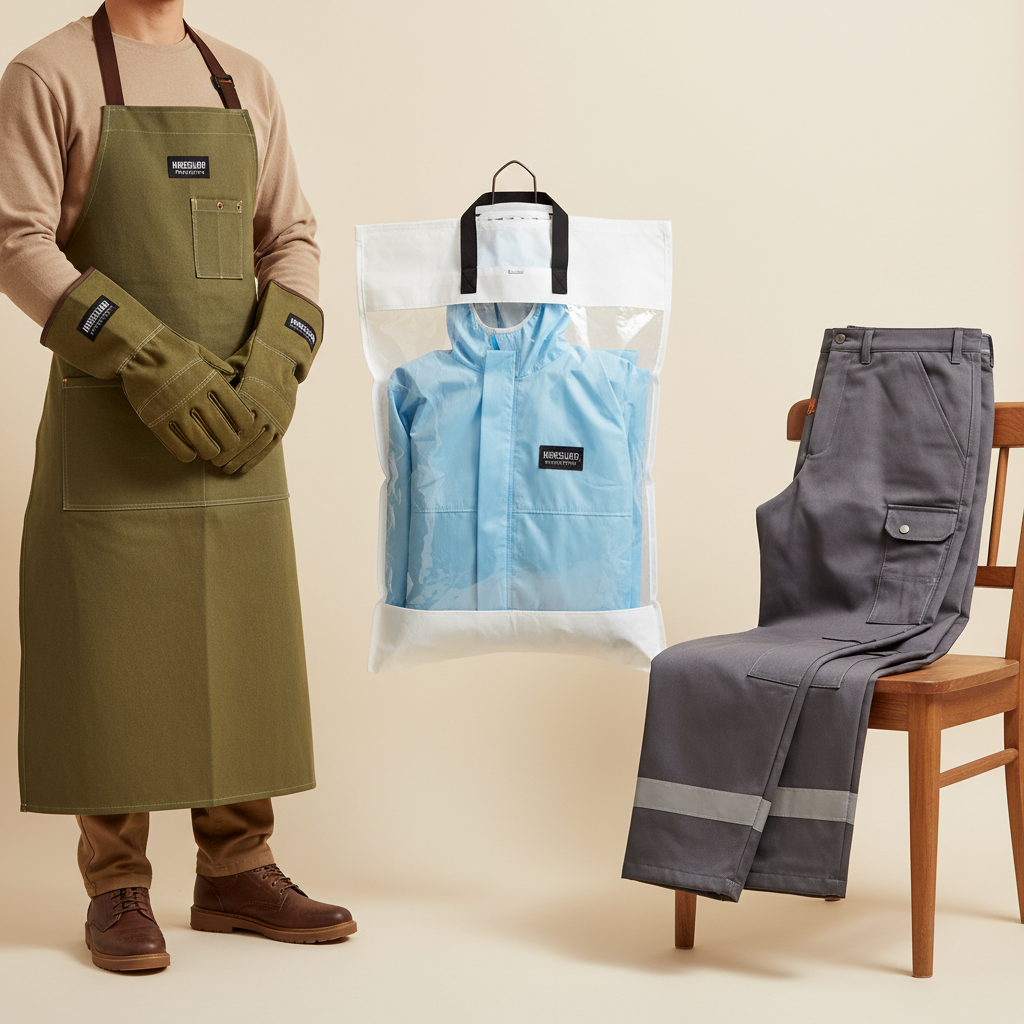
High-Visibility Clothing: Ensuring Visibility in Hazardous Environments
High-visibility (Hi-Vis) clothing is perhaps the most recognizable type of safety apparel. These garments, typically vests, jackets, or pants, are designed to make workers easily visible in low-light conditions, poor weather, or against complex backgrounds. They are critical in industries such as construction, road work, traffic control, and logistics. Hi-Vis clothing utilizes fluorescent colors (like yellow, orange, and pink) combined with retroreflective tape to maximize visibility. Different classes of Hi-Vis clothing exist, offering varying levels of protection based on the work environment and potential hazards. Choosing the right class is essential to ensure adequate safety.
Key Benefits: Increases worker visibility, reduces the risk of collisions with vehicles or equipment, and enhances overall workplace safety.
Flame-Resistant Clothing (FRC): Protection Against Fire Hazards
Flame-resistant clothing (FRC) is crucial in industries where workers face the risk of fire, arc flash, or thermal hazards. This includes oil and gas, petrochemicals, utilities, and welding. FRC doesn’t necessarily prevent burns, but it significantly reduces the severity of injuries by self-extinguishing flames and limiting the amount of heat transferred to the wearer. There are two main types of FRC: inherently flame-resistant (IFR) fabrics, which are made with fibers that are naturally flame-resistant, and treated fabrics, which have been chemically treated to provide flame resistance. Proper maintenance and cleaning are essential to maintain the effectiveness of FRC.
FRC Benefits:
• Reduces burn injuries in fire or arc flash events
• Provides crucial time for escape or self-rescue
• Meets stringent safety standards
• Protects against thermal hazards
Examples of Safety Clothing: A Comparison
Different work environments demand different types of safety clothing. Here's a comparison of some common types and their ideal applications.
Selecting the Right Safety Clothing: Key Considerations
Choosing the appropriate safety clothing requires careful assessment of the specific hazards present in the work environment. Consider the following factors: the type of hazards (fire, chemical exposure, impact, visibility), the level of protection required, comfort and fit, compliance with relevant safety standards (e.g., ANSI, ASTM, EN), and the need for additional features like breathability or waterproofing. Regularly inspect safety clothing for damage and replace it when necessary. Proper training on the correct use and maintenance of safety clothing is also essential. Investing in quality safety clothing examples is a proactive step toward creating a safer workplace.
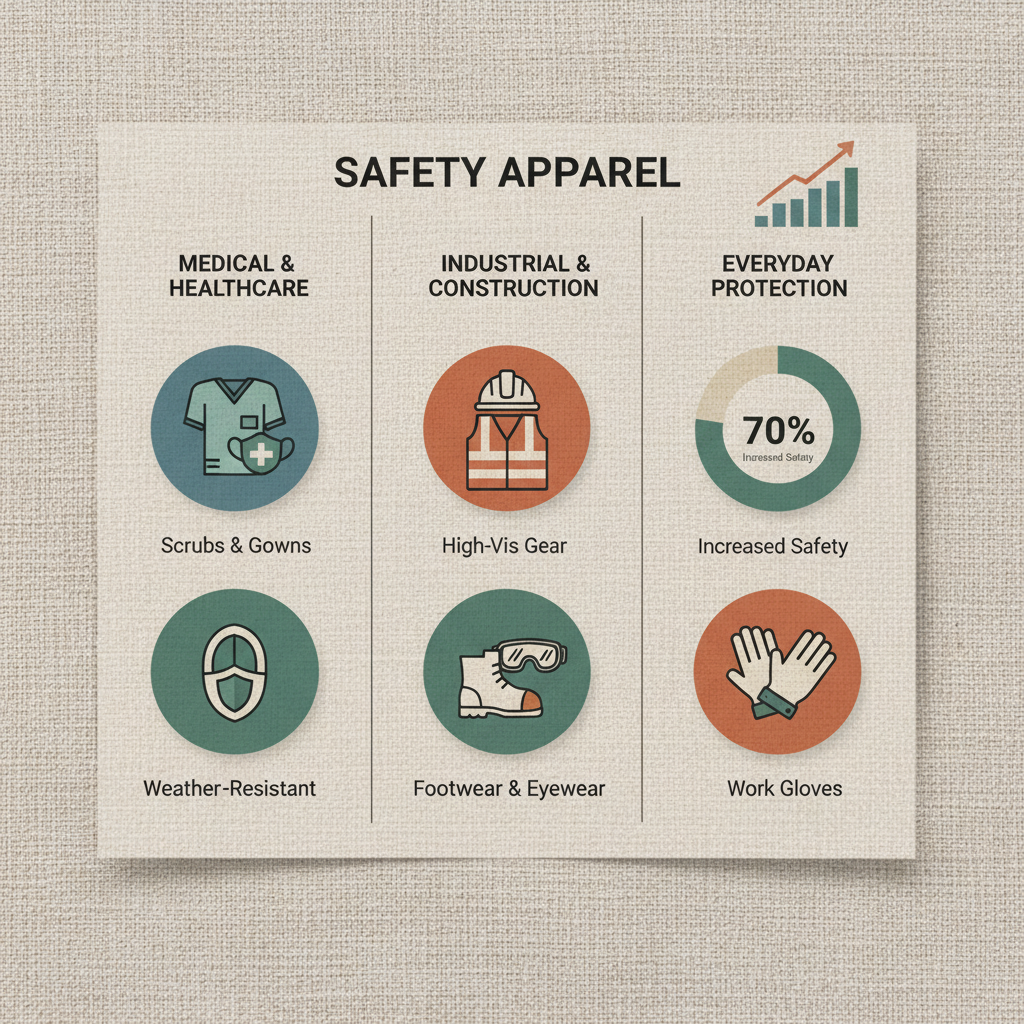
Staying Compliant with Safety Standards
Safety standards for clothing vary by industry and region. It’s critical to be aware of and comply with the relevant regulations in your area. Organizations like ANSI (American National Standards Institute) and ASTM International set standards for various types of protective clothing. In Europe, EN standards are commonly followed. Ensuring that safety clothing meets these standards provides assurance of its quality and effectiveness. Regular audits and updates to safety protocols are also crucial to maintain compliance.
Conclusion: Prioritizing Safety Through Proper Clothing
Choosing the right safety clothing is an investment in your workforce's well-being. By understanding the different types of clothing available, the hazards they protect against, and the importance of compliance, you can create a safer and more productive work environment. Don't compromise on safety – prioritize quality, proper fit, and regular maintenance.
Frequently Asked Questions (FAQs)
What is the difference between ANSI and EN safety standards?
ANSI (American National Standards Institute) standards are primarily used in the United States, while EN (European Norm) standards are prevalent in Europe. While both aim to ensure safety and quality, they may have different testing methods and requirements. For example, ANSI standards for Hi-Vis clothing focus on retroreflective performance, while EN standards may emphasize fluorescent color requirements. It's important to choose clothing that meets the standards applicable to your region and industry. Often, clothing will be certified to meet both ANSI and EN standards to broaden its marketability and ensure comprehensive protection.
How often should I replace safety clothing?
The replacement frequency depends on the type of clothing and its usage. Hi-Vis clothing should be replaced if the retroreflective tape is damaged or faded. FRC should be replaced if it has been exposed to significant heat or chemicals. All safety clothing should be inspected regularly for tears, punctures, or other damage. A general guideline is to replace clothing every 1-3 years, depending on wear and tear. Always follow the manufacturer's recommendations.
What is the importance of proper fit when it comes to safety clothing?
Proper fit is critical for ensuring that safety clothing provides adequate protection. Clothing that is too loose can be cumbersome and may not stay in place during movement. Clothing that is too tight can restrict movement and cause discomfort. A well-fitting garment allows for a full range of motion while providing the necessary level of protection. Always consult the manufacturer's sizing chart and choose clothing that fits snugly but comfortably.
How do I care for and maintain my safety clothing?
Proper care and maintenance are essential for extending the lifespan and effectiveness of safety clothing. Always follow the manufacturer's instructions for washing and drying. Avoid using harsh detergents or bleach, as these can damage the fabric and reduce its protective properties. Store clothing in a clean, dry place away from direct sunlight. Regularly inspect clothing for damage and repair or replace it as needed.
-
Industrial Protection Guide for Professional arco safety clothing
NewsApr.16,2026
-
The Ultimate Guide to Arc Safety Clothing for Electrical Protection
NewsApr.09,2026
-
Comprehensive Guide to Arc Flash Safety Clothing and Protection Measures
NewsApr.07,2026
-
American Safety Clothing Inc Your Premier Source for Workplace Safety Gear
NewsApr.04,2026
-
Comprehensive Guide to Womens Safety Clothing for Workplace Protection
NewsMar.31,2026
-
Comprehensive Guide to Selecting Optimal Waterproof Safety Clothing for Work
NewsMar.28,2026