
Comprehensive Guide to Hi Vis Safety Clothing and Workplace Protection
Hi Vis Safety Clothing: A Comprehensive Guide
When it comes to workplace safety, high visibility (hi vis) clothing is paramount, especially in environments with moving vehicles or low-light conditions. Ensuring workers are easily seen dramatically reduces the risk of accidents. This article will explore the importance of hi vis safety clothing, its various types, standards, and how to choose the right garments for specific job requirements. Understanding the nuances of hi vis clothing is crucial for maintaining a safe and compliant work environment. Explore our range of safety apparel to find the perfect fit for your needs.
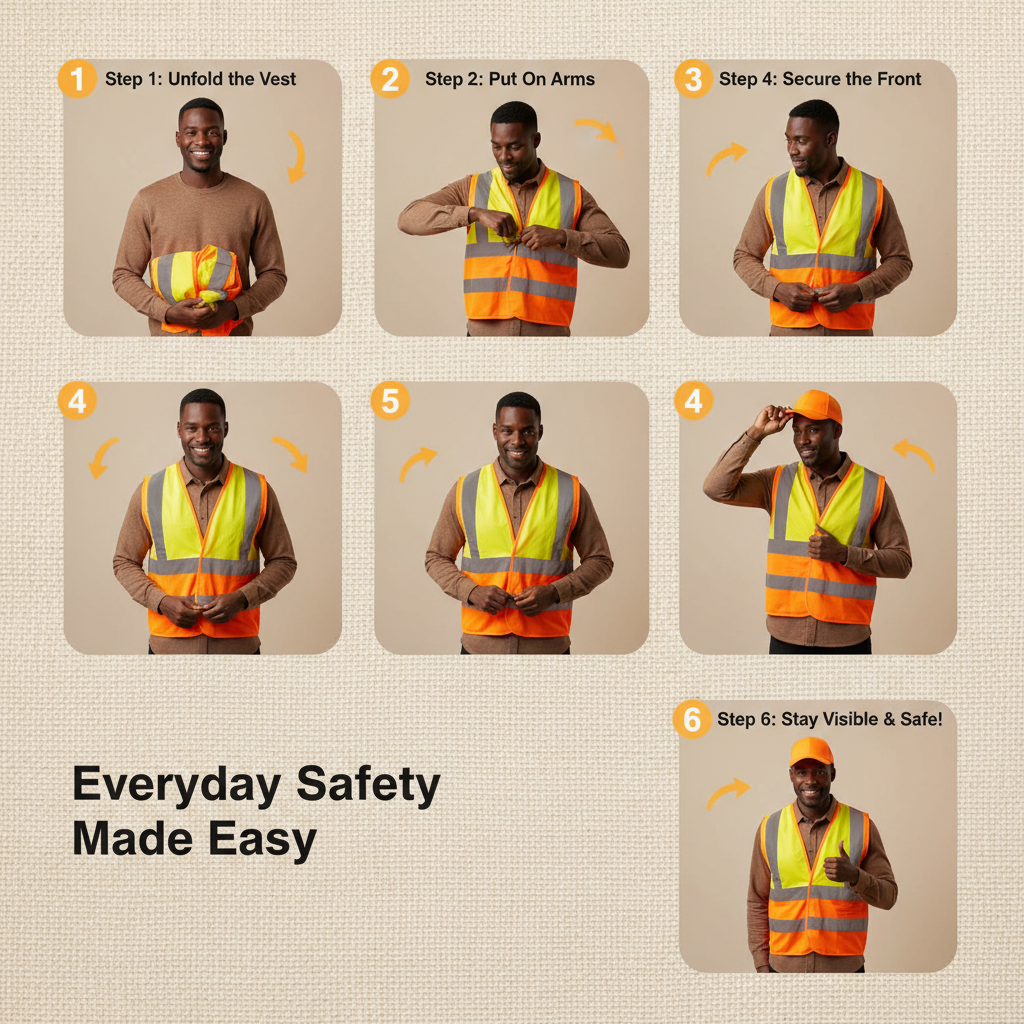
Why is Hi Vis Safety Clothing Important?
Hi vis clothing works by making the wearer stand out against the background, particularly in poor lighting or adverse weather. This enhanced visibility allows drivers, machine operators, and other workers to spot individuals more easily, preventing collisions and accidents. It's not simply about being seen; it’s about reducing the reaction time needed to avoid potentially dangerous situations. Industries such as construction, road work, logistics, and emergency services all rely heavily on hi vis apparel to safeguard their employees. Investing in quality hi vis clothing is an investment in the well-being of your workforce.
Key Benefits: Improved worker safety, reduced accident rates, compliance with safety regulations, increased productivity through a safer work environment.
Types of Hi Vis Safety Clothing
Hi vis clothing comes in various forms to suit different needs and levels of risk. The most common types include:
- Hi Vis Vests: The most frequently used type, providing 360-degree visibility.
- Hi Vis Jackets: Offer greater warmth and protection from the elements, ideal for colder climates.
- Hi Vis Polos & T-shirts: Suitable for warmer environments and indoor use where a higher level of visibility is required.
- Hi Vis Trousers/Pants: Provide lower body visibility, especially important for road workers and cyclists.
- Hi Vis Coveralls: Offer full body protection and are commonly used in industries with higher risk environments.
The level of visibility is classified by categories, with higher categories offering greater reflectivity. Choosing the right type depends on the specific hazards present and the nature of the work being performed.
Hi Vis Clothing Categories:
• Class 1: Low visibility applications, minimal risk.
• Class 2: Moderate visibility applications, medium risk.
• Class 3: High visibility applications, highest risk.
Understanding Hi Vis Standards and Certifications
Hi vis clothing is subject to rigorous testing and certification to ensure its effectiveness. Key standards include:
- ANSI/ISEA 107: The American National Standard for High Visibility Safety Apparel. This standard defines the performance requirements for hi vis clothing based on risk assessment.
- EN ISO 20471: The European standard for high visibility clothing. Similar to ANSI/ISEA 107, it categorizes clothing based on visibility levels.
Always look for clothing that meets the relevant standards for your region and industry. Genuine certification guarantees that the garment has been tested and meets the required performance criteria. Choosing certified hi vis clothing ensures you are providing your workforce with reliable and effective protection.
Choosing the Right Hi Vis Clothing: Factors to Consider
Selecting the appropriate hi vis clothing requires careful consideration of several factors: Risk assessment, work environment, weather conditions, and industry-specific regulations. The visibility level (Class 1, 2, or 3) should be chosen based on the potential hazards. For example, workers on high-speed roads require Class 3 clothing, while those in low-risk indoor environments might be adequately protected by Class 1. Comfort is also crucial, as workers are more likely to wear clothing that is comfortable and breathable. Durable materials and proper sizing contribute to both comfort and longevity. Browse our selection of hi vis clothing today!
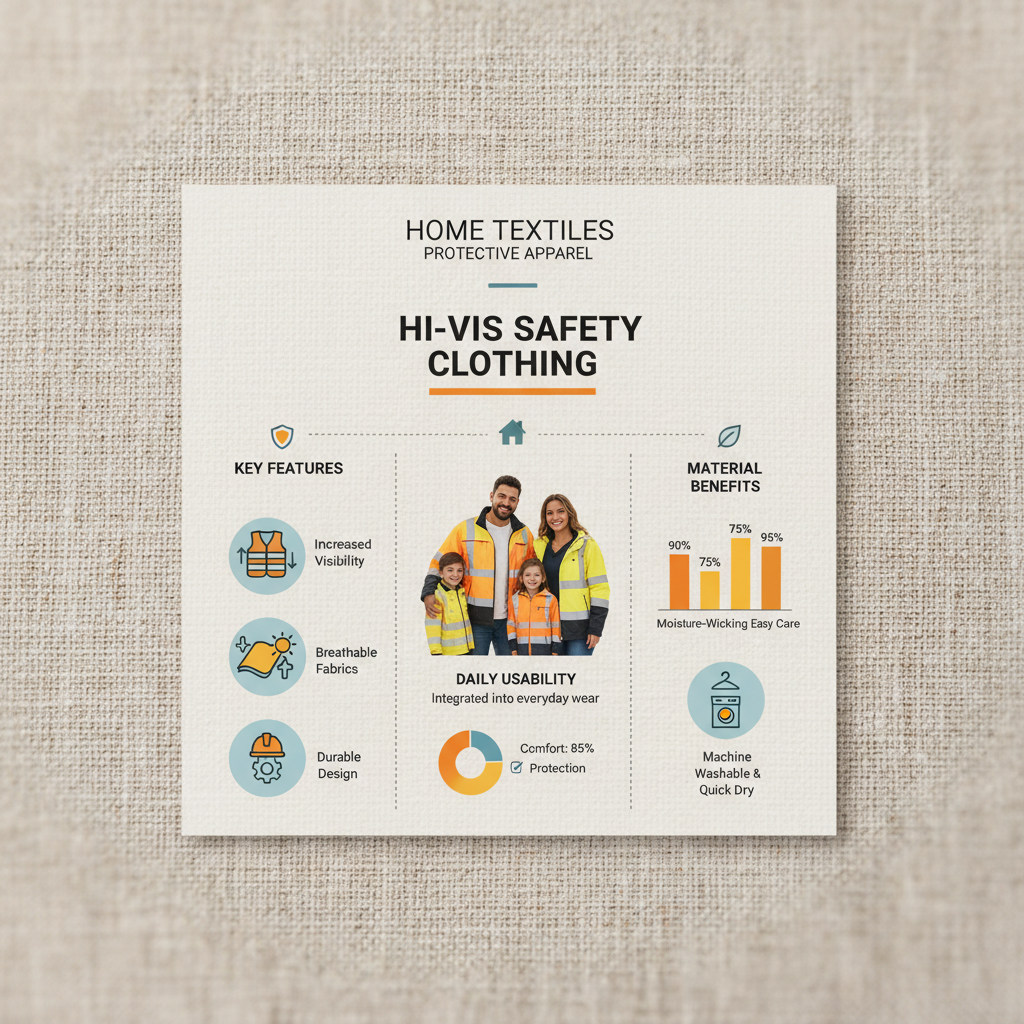
Conclusion: Prioritizing Visibility for a Safer Workplace
Investing in high-quality hi vis safety clothing is a critical step towards creating a safer work environment. By understanding the different types of garments, relevant standards, and factors to consider when choosing apparel, you can ensure your workforce is adequately protected. Don't compromise on safety – prioritize visibility and protect your most valuable asset: your employees.
Frequently Asked Questions (FAQs)
How often should hi vis clothing be replaced?
Hi vis clothing should be replaced regularly, even if it appears to be in good condition. The reflective tape degrades over time with washing and wear, reducing its effectiveness. Generally, garments should be replaced every 12-18 months with regular use, or sooner if the reflective material is damaged or faded. Following the manufacturer's washing instructions is also crucial for maintaining the garment’s visibility. Consider the intensity of use and environment when deciding on a replacement schedule.
What is the best way to wash hi vis clothing?
Proper washing is essential to maintain the reflectivity of hi vis clothing. Always follow the manufacturer's instructions on the garment label. Typically, hi vis clothing should be washed in a mild detergent and cool water. Avoid using bleach or harsh chemicals, as these can damage the reflective tape. Tumble drying on low heat is generally acceptable, but air drying is preferred. Do not iron directly on the reflective tape.
Can hi vis clothing be customized with company logos?
Yes, many suppliers offer customization options for hi vis clothing, including the addition of company logos and branding. This can enhance brand visibility and promote a sense of team unity. However, it's important to ensure that any customization does not cover or obscure the reflective tape, as this could compromise the garment's visibility. Work with a reputable supplier who understands the requirements for maintaining hi vis standards.
What is the difference between fluorescent and reflective materials in hi vis clothing?
Fluorescent materials, like fluorescent yellow or orange, brightly glow during daylight hours, making the wearer highly visible. Reflective materials, typically silver or gray tape, reflect light back to its source, enhancing visibility in low-light conditions or at night. Both types of materials work together to provide optimal visibility in a variety of environments. Effective hi vis clothing incorporates both fluorescent materials for daytime visibility and reflective tape for nighttime visibility.
-
Industrial Protection Guide for Professional arco safety clothing
NewsApr.16,2026
-
The Ultimate Guide to Arc Safety Clothing for Electrical Protection
NewsApr.09,2026
-
Comprehensive Guide to Arc Flash Safety Clothing and Protection Measures
NewsApr.07,2026
-
American Safety Clothing Inc Your Premier Source for Workplace Safety Gear
NewsApr.04,2026
-
Comprehensive Guide to Womens Safety Clothing for Workplace Protection
NewsMar.31,2026
-
Comprehensive Guide to Selecting Optimal Waterproof Safety Clothing for Work
NewsMar.28,2026