
Comprehensive Guide to Safety Clothing for Construction Workers
Safety Clothing for Construction: A Comprehensive Guide
When working on a construction site, prioritizing safety is paramount. One of the most critical aspects of construction safety is appropriate safety clothing. This article provides an in-depth look at the types of safety clothing required on construction sites, their importance, and how to choose the right gear. From high-visibility vests to durable work boots, we'll cover everything you need to know to ensure a safe working environment. Protecting your workforce isn't just a moral obligation, it's a key factor in project efficiency and success.
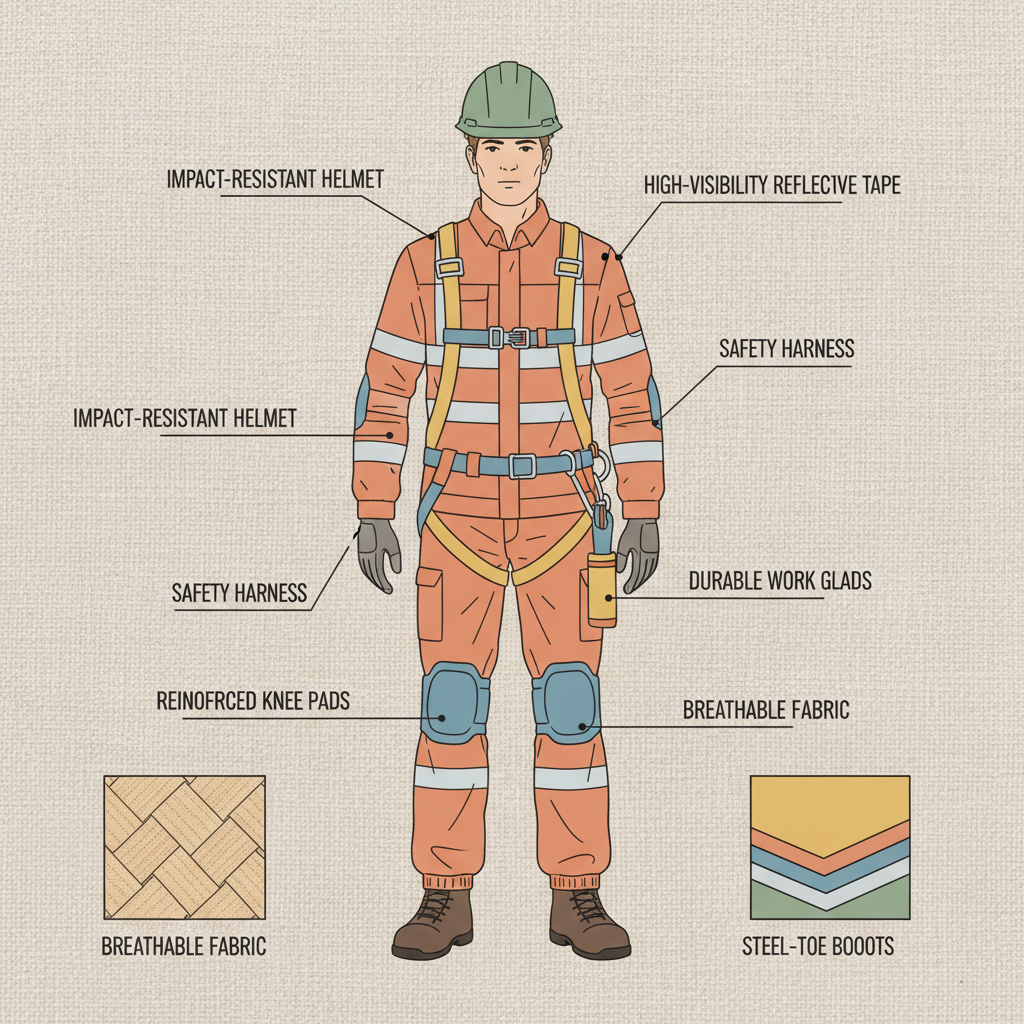
Essential Types of Safety Clothing for Construction
Construction sites present a multitude of hazards, necessitating a range of specialized clothing. High-visibility clothing is crucial for ensuring workers are seen by equipment operators and other personnel, particularly in low-light conditions. Durable work boots protect feet from falling objects and provide essential support. Gloves safeguard hands from abrasions, cuts, and chemical exposure. Furthermore, hard hats (covered on our site) provide vital head protection, and appropriate outerwear protects against the elements. Choosing the right clothing is the first step towards a safer construction environment.
Key Takeaway: Investing in quality safety clothing isn't an expense; it's an investment in the well-being of your workforce and the success of your project.
High-Visibility Clothing: Why It Matters
High-visibility clothing, often in fluorescent colors like orange or yellow with reflective strips, is arguably the most important piece of safety gear on a construction site. It drastically increases a worker's visibility to equipment operators, truck drivers, and other personnel, minimizing the risk of being struck by machinery or vehicles. The ANSI/ISEA 107 standard defines different classes of high-visibility garments based on the level of protection required, depending on the work environment and potential hazards. Selecting the appropriate class is vital for ensuring adequate safety.
High-Visibility Benefits:
• Reduces the risk of being struck by vehicles.
• Improves visibility in low-light conditions.
• Enhances worker safety in all weather conditions.
• Complies with ANSI/ISEA 107 standards.
Comparing Safety Footwear: Boots vs. Shoes
Choosing the right footwear is critical for protecting workers' feet from a variety of hazards on construction sites. Work boots offer superior protection compared to regular work shoes, featuring reinforced toes (steel-toe or composite-toe), slip-resistant soles, and often, ankle support. Different types of boots are designed for specific tasks; for example, waterproof boots are essential in wet conditions, while insulated boots provide protection against extreme temperatures. Properly fitted boots are also crucial for preventing fatigue and injuries.
The Importance of Gloves and Other Protective Gear
Gloves, ranging from leather work gloves to chemical-resistant options, protect hands from abrasions, cuts, and exposure to hazardous materials. Other vital protective gear includes safety glasses or goggles to shield eyes from debris, and appropriate outerwear to protect against the elements. The selection of gloves and other gear should be based on the specific hazards present on the job site. Don't underestimate the importance of comprehensive protection – even seemingly minor injuries can lead to significant downtime and costs.
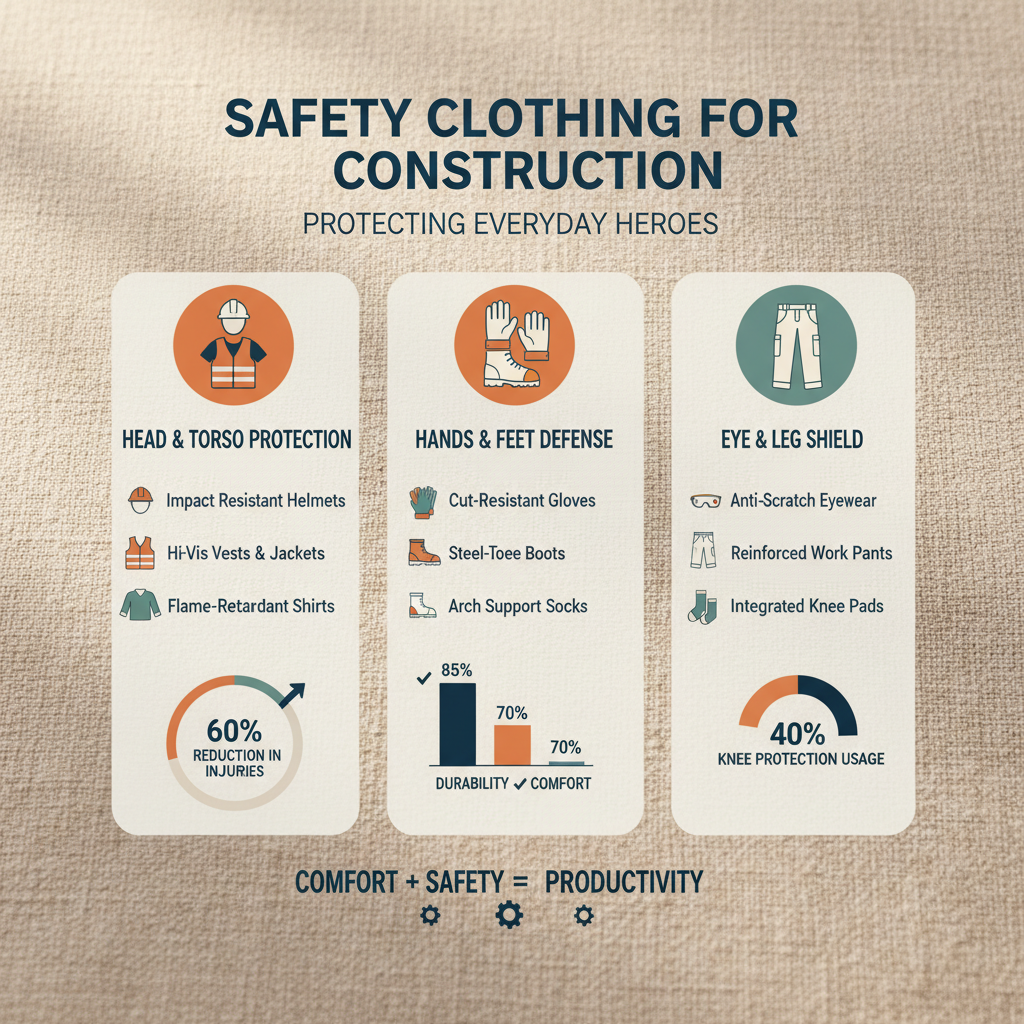
Ensuring Compliance and Proper Maintenance
Selecting compliant safety clothing for construction is crucial. Look for clothing that meets relevant ANSI/ISEA standards. Regular inspection and maintenance are also vital. Damaged or worn clothing should be replaced immediately. Workers should be trained on the proper use and care of their safety gear. A proactive approach to safety clothing ensures a safer and more productive work environment.
Conclusion: Prioritizing Safety Through Appropriate Clothing
Investing in high-quality safety clothing is a fundamental step in creating a safe and productive construction site. By understanding the specific hazards present and selecting the appropriate gear, you can significantly reduce the risk of injuries and protect your workforce. Don't compromise on safety – it's an investment that pays dividends in the long run.
Frequently Asked Questions (FAQs)
What ANSI/ISEA standards are relevant for construction safety clothing?
Several ANSI/ISEA standards are crucial for construction safety clothing. ANSI/ISEA 107 is the standard for high-visibility garments, defining the different classes of visibility protection. ANSI/ISEA 110 specifies performance characteristics for cut-resistant gloves, while other standards cover head protection (like hard hats), eye and face protection, and footwear. Ensuring that your safety clothing meets these standards is vital for guaranteeing adequate protection and compliance with regulations.
How often should safety clothing be replaced?
The frequency of replacement depends on the type of clothing and the conditions of use. High-visibility garments should be replaced if the reflective material fades or becomes damaged. Work boots should be replaced when the soles wear down or the toe protection is compromised. Gloves should be replaced when they develop tears or holes. A general guideline is to inspect safety clothing regularly and replace it whenever damage is detected or the protective properties are compromised.
What factors should be considered when choosing gloves for construction work?
Several factors should influence your glove selection. Consider the specific hazards present – abrasions, cuts, punctures, chemicals, or extreme temperatures. Choose gloves made from materials that offer adequate protection against these hazards. Ensure the gloves fit properly to allow for dexterity and control. Also, consider the comfort and breathability of the gloves, especially for tasks that require prolonged wear.
Are there specific clothing requirements for working at height?
Yes, working at height often requires additional safety measures, including specific clothing requirements. Full-body harnesses are essential, and clothing should be chosen to avoid snagging on equipment or structures. High-visibility clothing is particularly important when working at height to ensure visibility to ground personnel. Additionally, workers may need to wear helmets with chin straps to prevent them from falling off.
-
Industrial Protection Guide for Professional arco safety clothing
NewsApr.16,2026
-
The Ultimate Guide to Arc Safety Clothing for Electrical Protection
NewsApr.09,2026
-
Comprehensive Guide to Arc Flash Safety Clothing and Protection Measures
NewsApr.07,2026
-
American Safety Clothing Inc Your Premier Source for Workplace Safety Gear
NewsApr.04,2026
-
Comprehensive Guide to Womens Safety Clothing for Workplace Protection
NewsMar.31,2026
-
Comprehensive Guide to Selecting Optimal Waterproof Safety Clothing for Work
NewsMar.28,2026