
Comprehensive Guide to Vented Safety Helmet Yellow for Workplace Protection
Vented Safety Helmet Yellow: A Comprehensive Guide
Choosing the right safety helmet is crucial for workplace safety, and a vented safety helmet yellow offers a balance of protection, comfort, and visibility. These helmets are specifically designed to provide head protection in various industrial and construction settings. This article will cover the features, benefits, applications, and considerations when selecting a vented safety helmet in yellow, ensuring you make an informed decision for optimal safety. Understanding the importance of ventilation and high-visibility colors can significantly enhance worker safety and productivity.
Key Features of Vented Safety Helmets
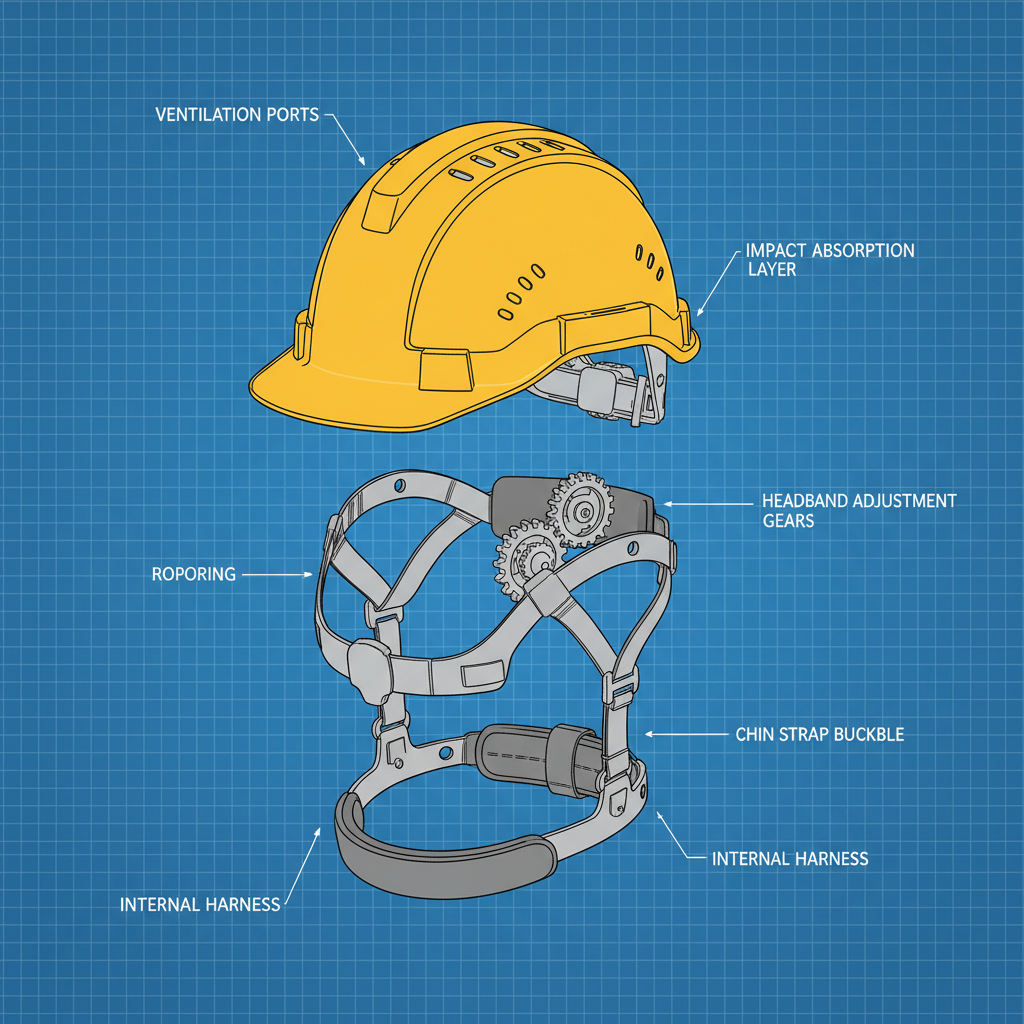
Vented safety helmets, especially those in yellow, are designed with specific features to maximize safety and comfort. The ventilation slots allow for airflow, reducing sweat and heat build-up, which is particularly important during strenuous activity or in warm environments. The bright yellow color provides excellent visibility, enhancing worker safety in low-light conditions or busy work areas. Most models also include adjustable suspension systems for a secure and comfortable fit, and many meet or exceed industry safety standards like ANSI/ISEA Z89.1. These features collectively contribute to a safer and more productive work environment. A well-designed vented safety helmet yellow is an investment in worker wellbeing.
Key Highlights: Ventilation slots for increased airflow, High-visibility yellow color, Adjustable suspension system for a secure fit, Compliance with industry safety standards.
The Importance of Ventilation
Ventilation is a critical feature in safety helmets, especially for workers engaged in physically demanding tasks or working in hot climates. The ventilation slots promote airflow, reducing the build-up of sweat and heat, which can lead to discomfort, distraction, and even heat exhaustion. Maintaining a comfortable temperature helps workers stay focused and alert, reducing the risk of accidents. Without proper ventilation, helmets can become stifling and unpleasant to wear, potentially leading workers to remove them – compromising their safety. A well-ventilated vented safety helmet yellow is a key component of a comprehensive safety program.
Ventilation Benefits:
• Reduces sweat and heat build-up
• Increases comfort during strenuous activity
• Improves focus and alertness
• Helps prevent heat exhaustion
Vented Safety Helmet Yellow vs. Other Colors
While safety helmets are available in various colors, yellow stands out for its high visibility. This is particularly important in environments with low light, moving machinery, or complex layouts. Yellow is easily noticeable, reducing the risk of workers being overlooked by operators of vehicles or equipment. Compared to darker colors like black or navy, yellow provides a significant contrast, making workers more visible and increasing their safety. Choosing a vented safety helmet yellow is a proactive step towards enhancing worker safety.
Industries that Benefit from Vented Safety Helmets
A wide range of industries can benefit from using vented safety helmets. Construction, manufacturing, mining, oil and gas, and forestry are just a few examples where head protection is paramount. Workers in these industries often face potential hazards such as falling objects, impacts, and electrical risks. The combination of ventilation and high visibility provided by a vented safety helmet yellow helps to create a safer and more productive work environment for these professionals. Proper head protection is non-negotiable in these demanding fields.
Choosing the Right Vented Safety Helmet: Key Considerations
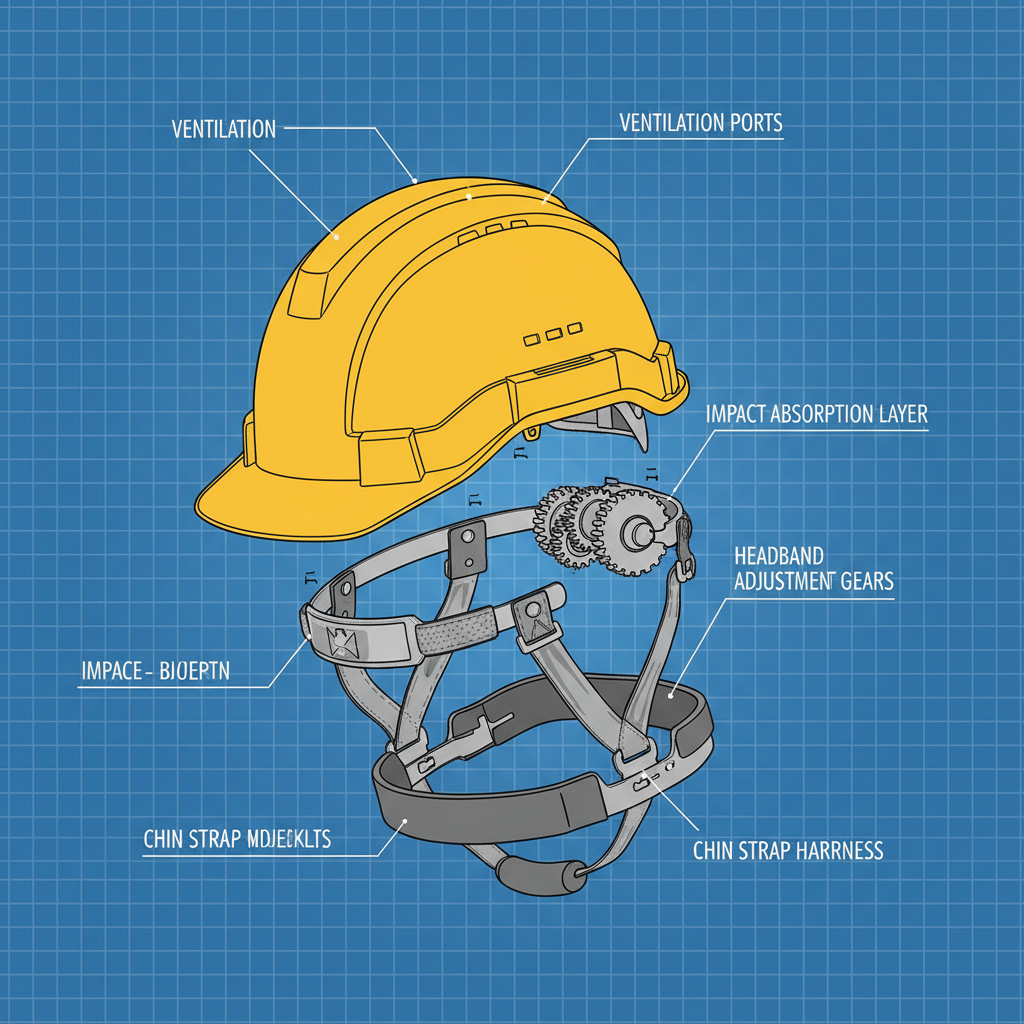
When selecting a vented safety helmet, it's important to consider several factors. First, ensure the helmet meets relevant safety standards such as ANSI/ISEA Z89.1. Next, check for the appropriate ventilation levels based on the work environment. The helmet should also fit comfortably and securely, with an adjustable suspension system. Finally, consider the specific hazards present in the workplace – for example, if electrical hazards are present, choose a helmet with dielectric protection. Purchasing from a reputable supplier like Goodsafetyhelmet ensures you are getting a high-quality and reliable product.
Conclusion
Investing in a vented safety helmet yellow is a critical step towards protecting your workforce. The combination of ventilation, high visibility, and robust safety features makes it an essential piece of personal protective equipment for a variety of industries. Prioritizing safety not only protects your employees but also contributes to a more productive and efficient workplace.
Frequently Asked Questions (FAQs)
How often should I replace my safety helmet?
It’s generally recommended to replace your safety helmet every 3-5 years, even if it hasn’t been involved in an impact. The materials in the helmet can degrade over time due to UV exposure and general wear and tear. However, if the helmet has sustained an impact, it must be replaced immediately, even if there is no visible damage. Regular inspection for cracks, dents, or damage to the suspension system is crucial. Always follow the manufacturer's guidelines for replacement schedules.
How do I ensure a proper fit for my safety helmet?
A proper fit is essential for the helmet to provide adequate protection. Start by measuring your head circumference using a flexible tape measure. Refer to the helmet’s sizing chart to select the appropriate size. Once you have the helmet on, adjust the suspension system until it fits snugly but comfortably. The helmet should not move around on your head, and the chinstrap should be securely fastened. A loose helmet offers significantly reduced protection.
Are vented safety helmets suitable for all work environments?
While vented safety helmets offer excellent comfort and airflow, they may not be suitable for all work environments. In situations where there is a risk of exposure to splashes of corrosive liquids or intense heat, a non-vented helmet may be more appropriate. Consider the specific hazards present in your workplace when choosing a safety helmet. You can find a variety of helmet options to suit different needs at Goodsafetyhelmet.
What safety standards should I look for when buying a helmet?
In the US, the most important safety standard to look for is ANSI/ISEA Z89.1. This standard ensures that the helmet has been tested to withstand specific impacts and penetration forces. In Europe, the standard is EN 397. Always verify that the helmet you choose meets the relevant safety standards for your region and industry. Checking for certification markings on the helmet itself is a good way to confirm compliance.
-
Industrial Protection Guide for Professional arco safety clothing
NewsApr.16,2026
-
The Ultimate Guide to Arc Safety Clothing for Electrical Protection
NewsApr.09,2026
-
Comprehensive Guide to Arc Flash Safety Clothing and Protection Measures
NewsApr.07,2026
-
American Safety Clothing Inc Your Premier Source for Workplace Safety Gear
NewsApr.04,2026
-
Comprehensive Guide to Womens Safety Clothing for Workplace Protection
NewsMar.31,2026
-
Comprehensive Guide to Selecting Optimal Waterproof Safety Clothing for Work
NewsMar.28,2026