
Comprehensive Guide to White Water Rafting Safety Helmet Selection and Usage
Choosing the Right White Water Rafting Safety Helmet: A Comprehensive Guide
When engaging in the thrilling activity of white water rafting, safety should always be the top priority. A crucial component of rafting safety is wearing a properly fitted and certified white water rafting safety helmet. This article will delve into the importance of helmet selection, key features to look for, standards compliance, and how to ensure a proper fit. Protecting your head is paramount in this dynamic and potentially hazardous environment. We will explore the nuances of choosing a helmet that offers both protection and comfort, ensuring a safe and enjoyable rafting experience.
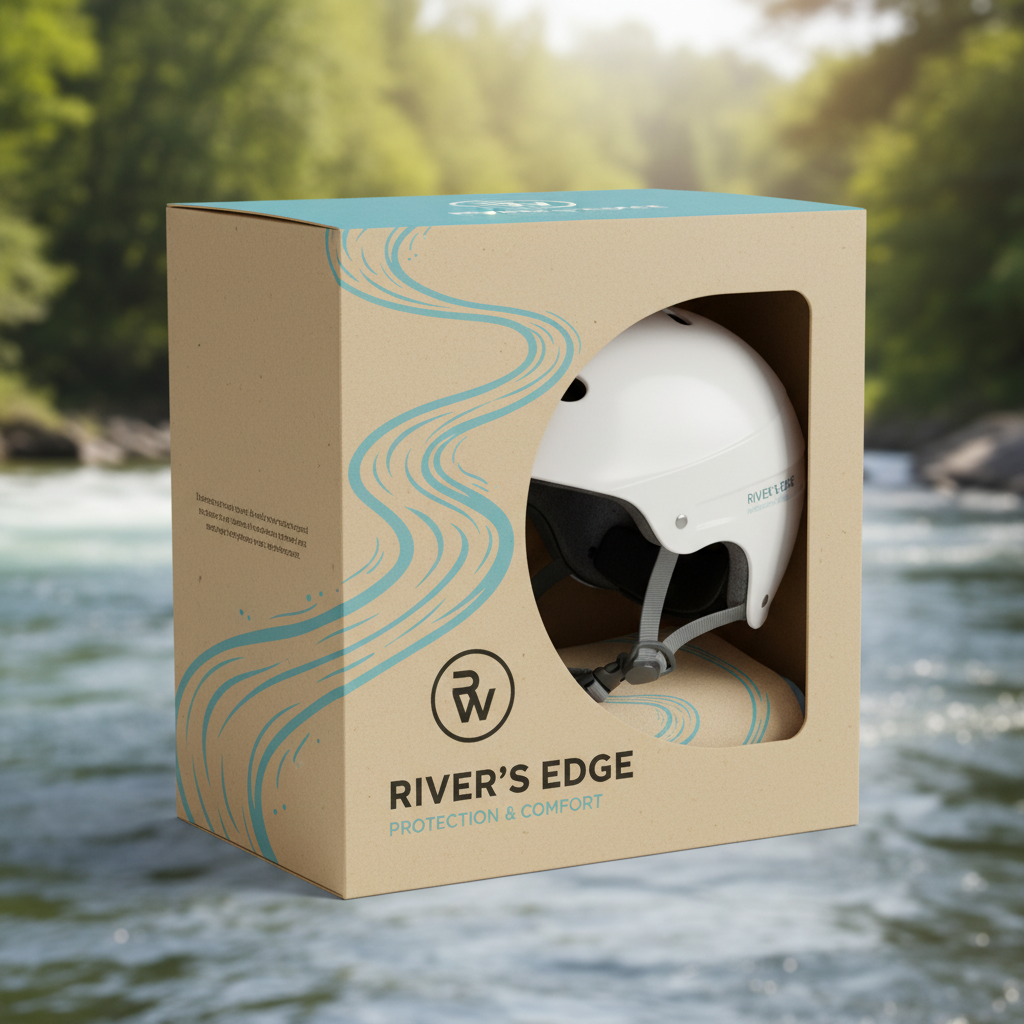
Why a Dedicated White Water Rafting Safety Helmet is Essential
Unlike helmets designed for other water sports or general recreational use, white water rafting helmets are specifically engineered to withstand the unique impacts associated with this activity. These helmets are built to protect against collisions with rocks, other rafters, or the raft itself. They provide full coverage, including the temples and the back of the head, offering comprehensive protection in a dynamic and unpredictable environment. Furthermore, these helmets are designed to quickly shed water, preventing them from becoming waterlogged and heavy, which could compromise safety. Investing in a dedicated rafting helmet is a non-negotiable aspect of responsible rafting.
Key Takeaway: White water rafting helmets are purpose-built to protect against specific hazards, offering superior protection compared to general-purpose helmets.
Key Features to Look for in a White Water Rafting Safety Helmet
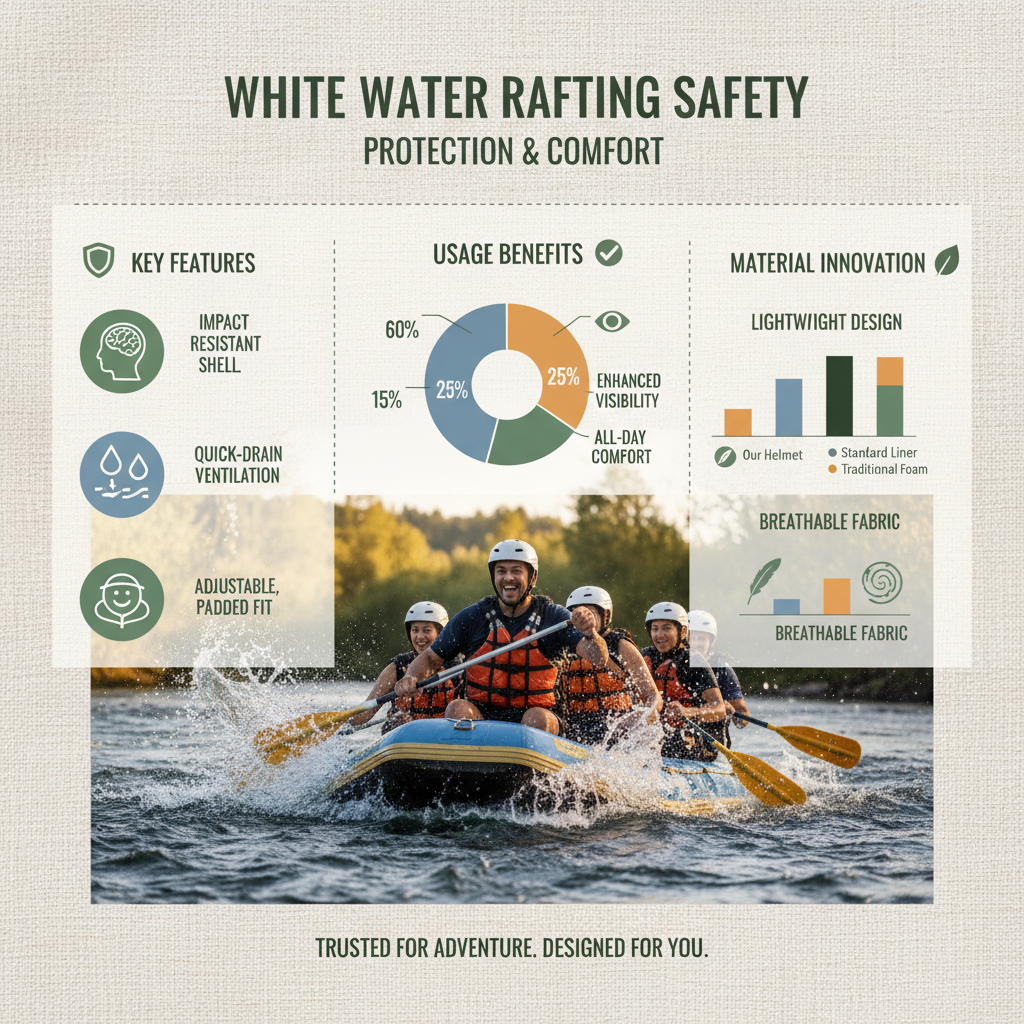
When selecting a helmet, consider several crucial features. First, ensure the helmet meets relevant safety standards (see section below). Look for a helmet with a durable outer shell, typically made of ABS plastic or similar material, and an inner liner of expanded polystyrene (EPS) foam for impact absorption. Adjustability is key – a helmet should have adjustable straps and a secure fit system to ensure it stays in place during turbulent conditions. Ventilation is also important to prevent overheating. Finally, consider features like a visor for sun protection and drainage holes to quickly expel water.
Essential Features:
• Safety Standard Certification
• Durable Outer Shell (ABS Plastic)
• EPS Foam Inner Liner
• Adjustable Straps and Fit System
• Ventilation & Drainage
Understanding Safety Standards and Certifications for White Water Rafting Helmets
Safety standards are crucial for ensuring the helmet provides adequate protection. In the United States, the American Society for Testing and Materials (ASTM) standard F2491 is widely recognized for white water helmets. This standard specifies the impact resistance, penetration resistance, and strap strength requirements that a helmet must meet. Look for helmets that are specifically certified to ASTM F2491. Certification markings will typically be visible inside the helmet. Choosing a certified helmet guarantees that it has been rigorously tested and meets a minimum level of safety performance.
Ensuring a Proper Fit for Your White Water Rafting Safety Helmet
Even the best helmet won't provide adequate protection if it doesn't fit correctly. Start by measuring your head circumference using a flexible measuring tape. Most helmets come in different sizes, so choose the size that corresponds to your measurement. Once you have the helmet, adjust the fit system to ensure a snug, comfortable fit. The helmet should sit level on your head, covering your forehead and the back of your head. The straps should be adjusted so that they are snug but not constricting, and the chinstrap should be securely fastened. Shake your head vigorously to ensure the helmet doesn't shift or come loose.
Care and Maintenance of Your Rafting Helmet
To ensure the longevity and effectiveness of your white water rafting safety helmet, proper care and maintenance are essential. After each use, rinse the helmet with fresh water to remove any dirt, debris, or salt water. Avoid using harsh chemicals or abrasive cleaners. Inspect the helmet regularly for any signs of damage, such as cracks, dents, or tears. Replace the helmet immediately if any damage is detected. Store the helmet in a cool, dry place away from direct sunlight and extreme temperatures. Following these simple steps will help keep your helmet in optimal condition and ensure your continued safety.
Conclusion: Prioritizing Safety on the Water
A white water rafting safety helmet is an indispensable piece of equipment for anyone participating in this exhilarating activity. By understanding the key features, safety standards, and proper fit, you can make an informed decision and ensure your protection on the water. Don't compromise on safety – invest in a quality helmet and always prioritize safety when enjoying the thrills of white water rafting.
Frequently Asked Questions (FAQs)
How often should I replace my white water rafting helmet?
It’s recommended to replace your white water rafting helmet every 3-5 years, even if it hasn't been involved in a significant impact. The materials can degrade over time due to UV exposure, wear and tear, and environmental factors. However, you should replace the helmet immediately if it has sustained any impact, even if the damage isn’t visible. Visible cracks, dents, or damage to the internal liner also necessitate immediate replacement. Regular inspection is key to maintaining safety.
Can I use a kayak helmet for white water rafting?
While both kayak and white water rafting helmets offer head protection, they are designed for different impact scenarios. White water rafting helmets are specifically engineered to withstand higher-energy impacts associated with collisions in a more turbulent environment. Kayak helmets often prioritize low-profile designs and are better suited for quick, glancing impacts. Using a kayak helmet for rafting may not provide adequate protection in a serious incident. It's best to use a helmet specifically certified for white water rafting.
What should I do if my helmet fills with water during a rapid?
Most white water rafting helmets are designed with drainage holes to quickly expel water. Tilt your head back slightly to allow the water to drain out. If the helmet is still filling with water, check that the straps aren’t impeding the drainage holes. A properly fitted helmet should not allow significant water entry. A helmet that consistently fills with water may indicate a poor fit or a compromised seal.
Are there different types of white water rafting helmets?
Yes, there are generally two main types: hard-shell and hybrid. Hard-shell helmets offer a durable outer shell and are ideal for high-impact situations. Hybrid helmets combine a hard outer shell with a softer foam liner, offering a balance of protection and comfort. The best type for you depends on the type of rafting you'll be doing and your personal preferences.
-
Industrial Protection Guide for Professional arco safety clothing
NewsApr.16,2026
-
The Ultimate Guide to Arc Safety Clothing for Electrical Protection
NewsApr.09,2026
-
Comprehensive Guide to Arc Flash Safety Clothing and Protection Measures
NewsApr.07,2026
-
American Safety Clothing Inc Your Premier Source for Workplace Safety Gear
NewsApr.04,2026
-
Comprehensive Guide to Womens Safety Clothing for Workplace Protection
NewsMar.31,2026
-
Comprehensive Guide to Selecting Optimal Waterproof Safety Clothing for Work
NewsMar.28,2026