
Enhance Worker Safety with a Premium Safety Helmet with Cooler
Safety Helmet with Cooler: A Comprehensive Guide
Working in demanding environments often requires more than just basic head protection. A safety helmet with cooler offers an enhanced level of comfort and safety, particularly for those working in hot or physically strenuous conditions. This article will explore the benefits, features, and applications of these specialized helmets, helping you determine if one is right for your needs. We’ll cover everything from cooling technology to material construction, ensuring you have the information needed to make an informed decision.
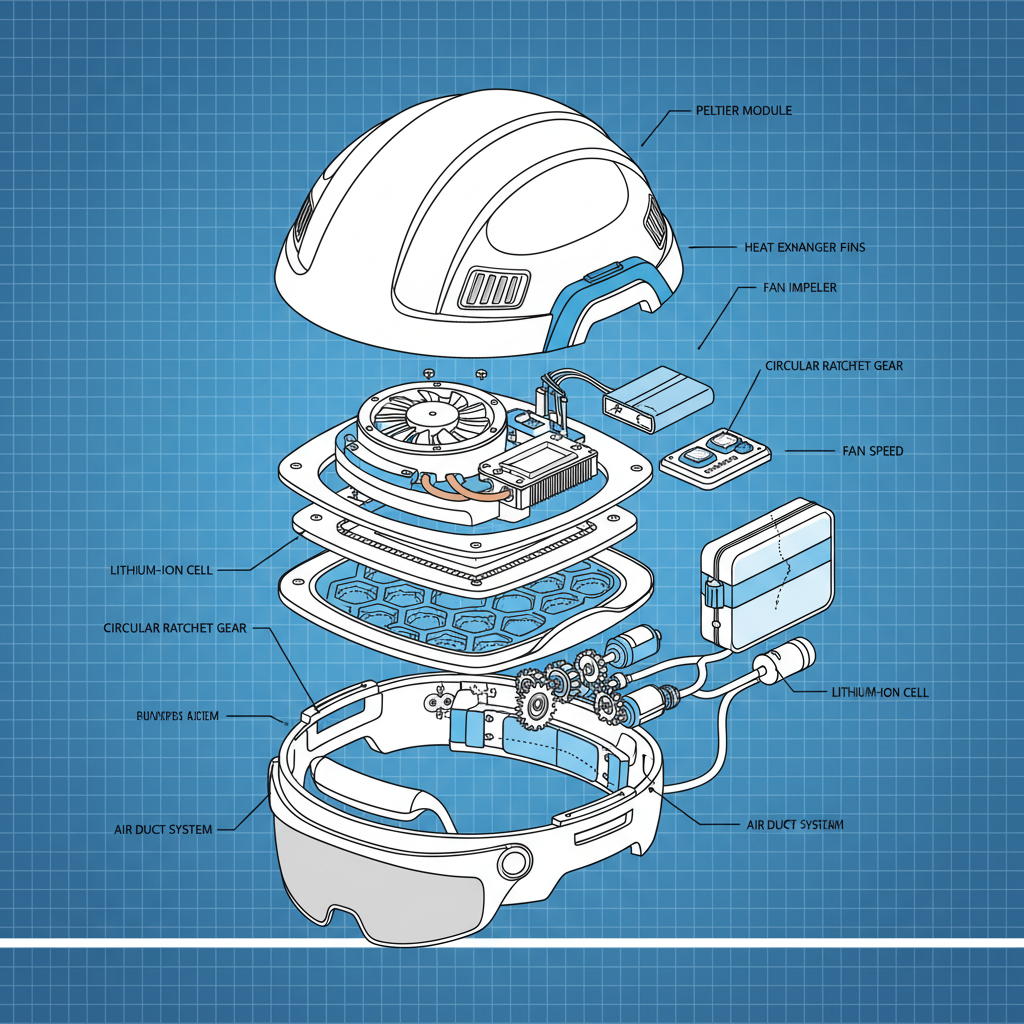
Why Choose a Safety Helmet with Cooler?
Traditional safety helmets, while effective at protecting against impacts, can often lead to overheating and discomfort, especially during prolonged use in hot weather. A safety helmet with cooler addresses this issue by incorporating ventilation systems or cooling technologies designed to regulate temperature. This leads to improved worker comfort, reduced fatigue, and increased productivity. Furthermore, maintaining a comfortable body temperature can minimize the risk of heat stress and heatstroke.
Key Benefits: Enhanced comfort, reduced fatigue, improved productivity, minimized risk of heat stress.
Types of Cooling Technologies
Several different cooling technologies are employed in safety helmets. These include passive ventilation systems, which utilize strategically placed vents to promote airflow, and active cooling systems, which incorporate fans or evaporative cooling materials. Passive systems are lightweight and require no power source, while active systems offer more substantial cooling but may require batteries or other energy sources. The choice depends on the intensity of the heat and the duration of wear. Some helmets also feature moisture-wicking liners to draw sweat away from the head, further enhancing comfort.
Cooling Technology Options:
• Passive Ventilation: Vents for airflow
• Active Cooling: Fans or evaporative materials
• Moisture-Wicking Liners: Draws sweat away from the head
Safety Helmet with Cooler vs. Standard Helmets: A Detailed Comparison
While standard safety helmets prioritize impact protection, they often fall short in terms of thermal comfort. A safety helmet with cooler goes a step further by addressing both concerns. The addition of cooling features significantly reduces heat buildup, minimizing discomfort and potential health risks associated with overheating. This is especially crucial in industries like construction, mining, and firefighting where workers are exposed to intense heat for extended periods. The small added weight of the cooling system is usually outweighed by the benefits of increased comfort and safety.
Applications and Industries
Safety helmets with coolers are essential in a wide range of industries where workers face prolonged exposure to heat. These include construction, road work, oil and gas, mining, firefighting, agriculture, and manufacturing. Any profession requiring strenuous physical activity in hot environments can benefit from the increased comfort and safety provided by these specialized helmets. Choosing the right helmet tailored to the specific demands of the job is critical for ensuring worker well-being.

Choosing the Right Safety Helmet with Cooler
When selecting a safety helmet with cooler, consider the following factors: the type of cooling technology, the helmet's weight, the level of impact protection, the adjustability features, and compliance with relevant safety standards (such as ANSI or EN standards). It's also important to choose a helmet that fits comfortably and securely. A properly fitted helmet will provide the best protection and comfort. Look for helmets with adjustable suspension systems and chin straps for a customized fit.
Conclusion: Prioritizing Worker Safety and Comfort
Investing in a safety helmet with cooler is a proactive step towards protecting your workforce from the dangers of heat stress and discomfort. By providing a comfortable and safe working environment, you can improve productivity, reduce absenteeism, and demonstrate a commitment to employee well-being. Explore the options available at Goodsafetyhelmet to find the perfect solution for your needs.
Frequently Asked Questions (FAQs)
How often should I replace a safety helmet with a cooler?
Generally, a safety helmet with a cooler should be replaced every 3-5 years, even if it appears undamaged. The cooling components may degrade over time, reducing their effectiveness. More frequent replacement is recommended if the helmet has been involved in a significant impact, exposed to harsh chemicals, or frequently exposed to UV radiation. Always refer to the manufacturer's recommendations for specific guidance. Regular inspections are key to identifying any signs of wear or damage.
Are active cooling helmets battery powered?
Yes, active cooling helmets typically use small batteries to power fans or other cooling mechanisms. The battery life varies depending on the model and usage, but most helmets offer several hours of continuous cooling on a single charge. It's important to ensure the batteries are fully charged before each use and to have spare batteries available for extended work periods. Consider the weight of the batteries when choosing an active cooling helmet.
What safety standards should I look for?
Look for helmets that meet industry-recognized safety standards such as ANSI Z89.1 (American National Standards Institute) in the United States or EN 397 (European Norm) in Europe. These standards ensure the helmet provides adequate impact protection and meets specific performance requirements. Check the helmet's label or documentation to verify its compliance with the relevant standards for your region and industry.
-
Industrial Protection Guide for Professional arco safety clothing
NewsApr.16,2026
-
The Ultimate Guide to Arc Safety Clothing for Electrical Protection
NewsApr.09,2026
-
Comprehensive Guide to Arc Flash Safety Clothing and Protection Measures
NewsApr.07,2026
-
American Safety Clothing Inc Your Premier Source for Workplace Safety Gear
NewsApr.04,2026
-
Comprehensive Guide to Womens Safety Clothing for Workplace Protection
NewsMar.31,2026
-
Comprehensive Guide to Selecting Optimal Waterproof Safety Clothing for Work
NewsMar.28,2026