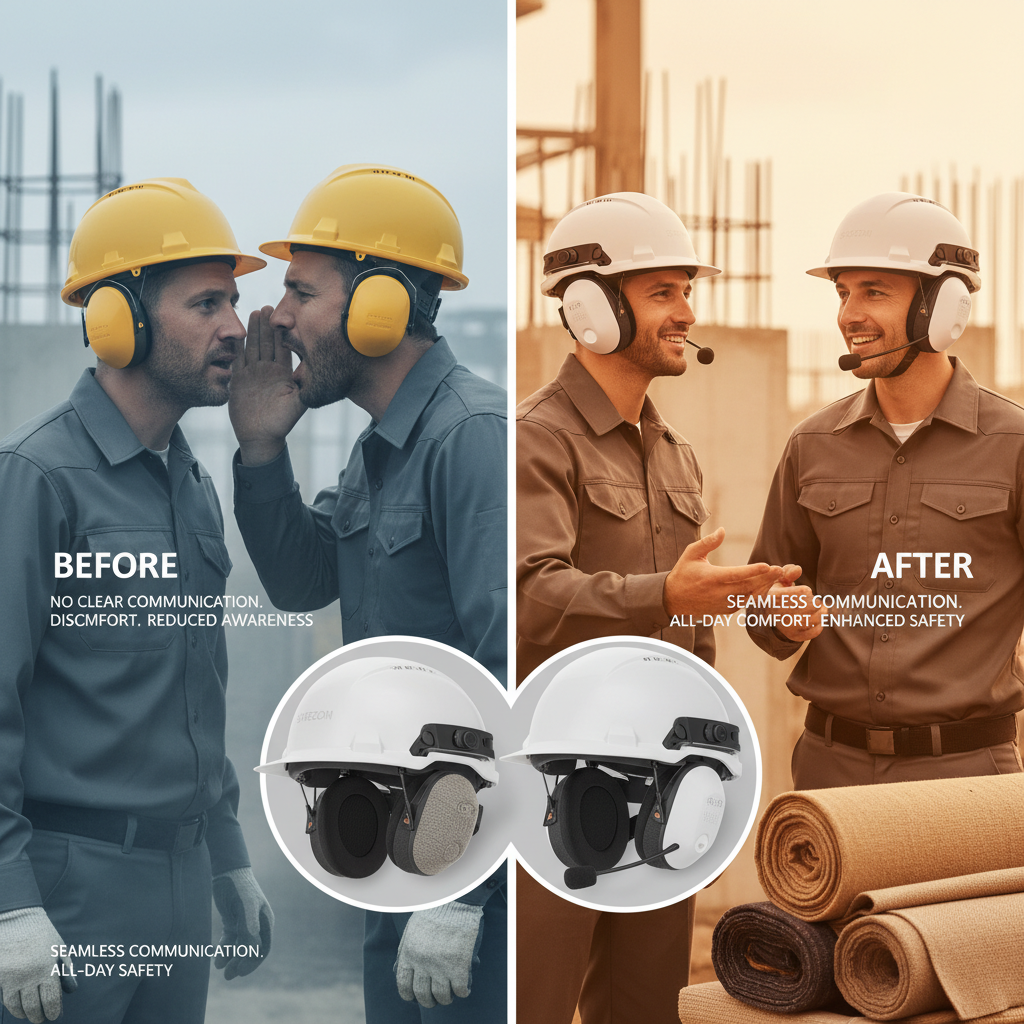
Look, I’ve spent the last fifteen years on construction sites – breathing dust, dodging forklifts, and talking shop with the guys who actually build things. And let me tell you, communication on site has always been a pain point. Walkie-talkies are bulky, often have dead spots, and frankly, aren’t ideal when you’re trying to manage a crew while balancing a blueprint. That’s where the rise of the safety helmet with communication systems has been a game changer. It's not just about convenience; it’s about real, measurable improvements in safety and efficiency. A clear, hands-free line of communication can prevent accidents before they happen, and streamline workflows in ways we couldn't have imagined a decade ago.
For too long, we’ve accepted a certain level of noise and miscommunication as just “part of the job.” But that mindset is costing us time, money, and – most importantly – putting workers at risk. The industry is finally waking up to the fact that investing in better communication tools isn’t a luxury, it’s a necessity. We are seeing increasing demand for robust, reliable systems that integrate seamlessly into existing safety protocols. And it’s not just hard hats; it’s about the entire ecosystem – from noise-canceling microphones to crystal-clear speakers, and even integration with other on-site technologies.
What’s really exciting is that we’re moving beyond simple voice communication. Modern safety helmets with communication are becoming mini-command centers, integrating features like real-time location tracking, hazard alerts, and even augmented reality capabilities. This isn't some futuristic pipe dream; it’s happening right now, on job sites across the country. It represents a fundamental shift in how we approach safety and productivity in the construction industry, and it’s a shift I’m proud to be a part of.
The Global Rise of safety helmet with communication
The need for enhanced safety and efficiency on work sites is a global imperative. According to the UN’s International Labour Organization, over 2.78 million workers die each year from occupational accidents and work-related diseases. A significant portion of these fatalities and injuries occur in high-risk industries like construction, mining, and oil & gas. The International Standards Organization (ISO) continuously updates safety standards, with a growing emphasis on proactive risk management and effective communication. This isn't just about compliance; it’s about a moral obligation to protect workers.
The demand for safety helmet with communication isn't limited to developed nations. Rapid industrialization in emerging economies is driving a parallel need for improved safety protocols. Countries undergoing large-scale infrastructure projects – like China’s Belt and Road Initiative – are facing unprecedented challenges in ensuring worker safety across vast and often remote construction sites. The World Bank is increasingly prioritizing safety standards in its infrastructure financing projects, recognizing that a safe workforce is a productive workforce. These global pressures are all converging to accelerate the adoption of advanced communication solutions like integrated safety helmets.
Defining the Modern Communication Helmet
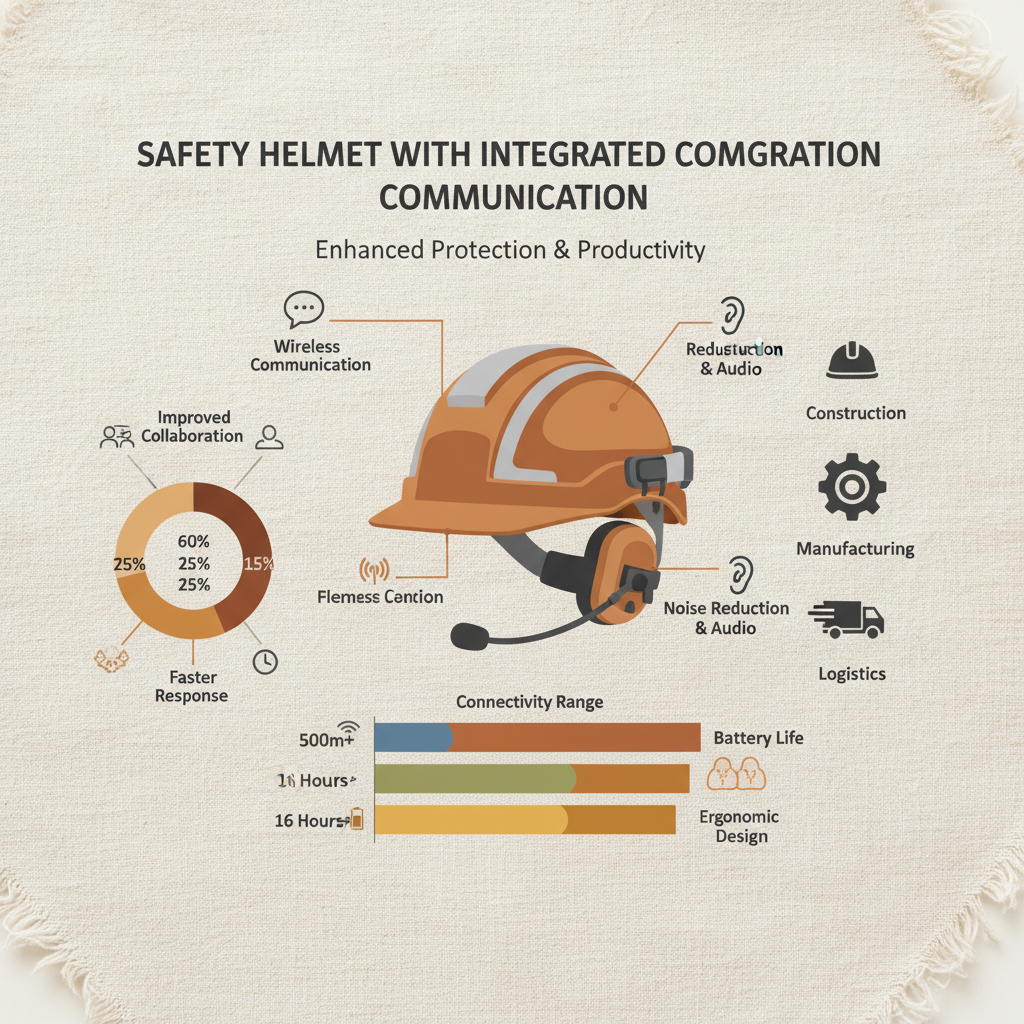
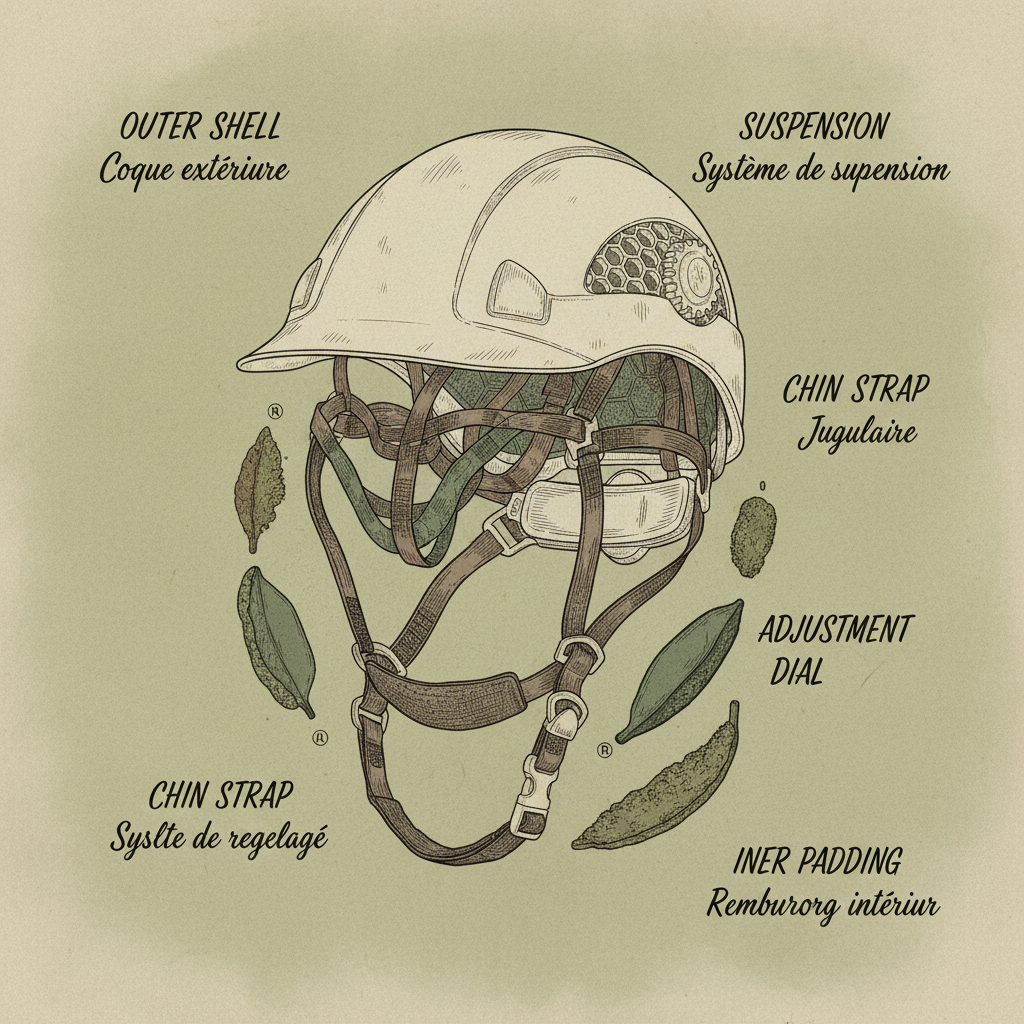
Forget the clunky walkie-talkies. A modern safety helmet with communication is essentially a wearable communication hub. At its core, it’s a standard hard hat – meeting all relevant safety certifications, of course – but it’s integrated with a sophisticated communication system. This typically includes a noise-canceling microphone, high-fidelity speakers, and a Bluetooth or digital radio transceiver. The key is hands-free operation, allowing workers to communicate clearly without taking their hands off their tools or losing sight of their surroundings.
But it goes beyond just voice communication. Many advanced models incorporate features like push-to-talk functionality, enabling instant group communication. Some also include situational awareness sensors that can detect hazards – like proximity to heavy machinery – and alert the worker. The integration of GPS allows for real-time location tracking, which is invaluable for managing large teams and responding to emergencies. The whole point is to create a safer, more connected, and more efficient work environment.
This isn’t just about tacking on technology; it’s about designing a system that works with the worker, not against them. The best helmets are lightweight, comfortable, and ergonomically designed for all-day wear. They’re also rugged and durable, able to withstand the harsh conditions of a typical construction site.
Key Factors Driving Adoption
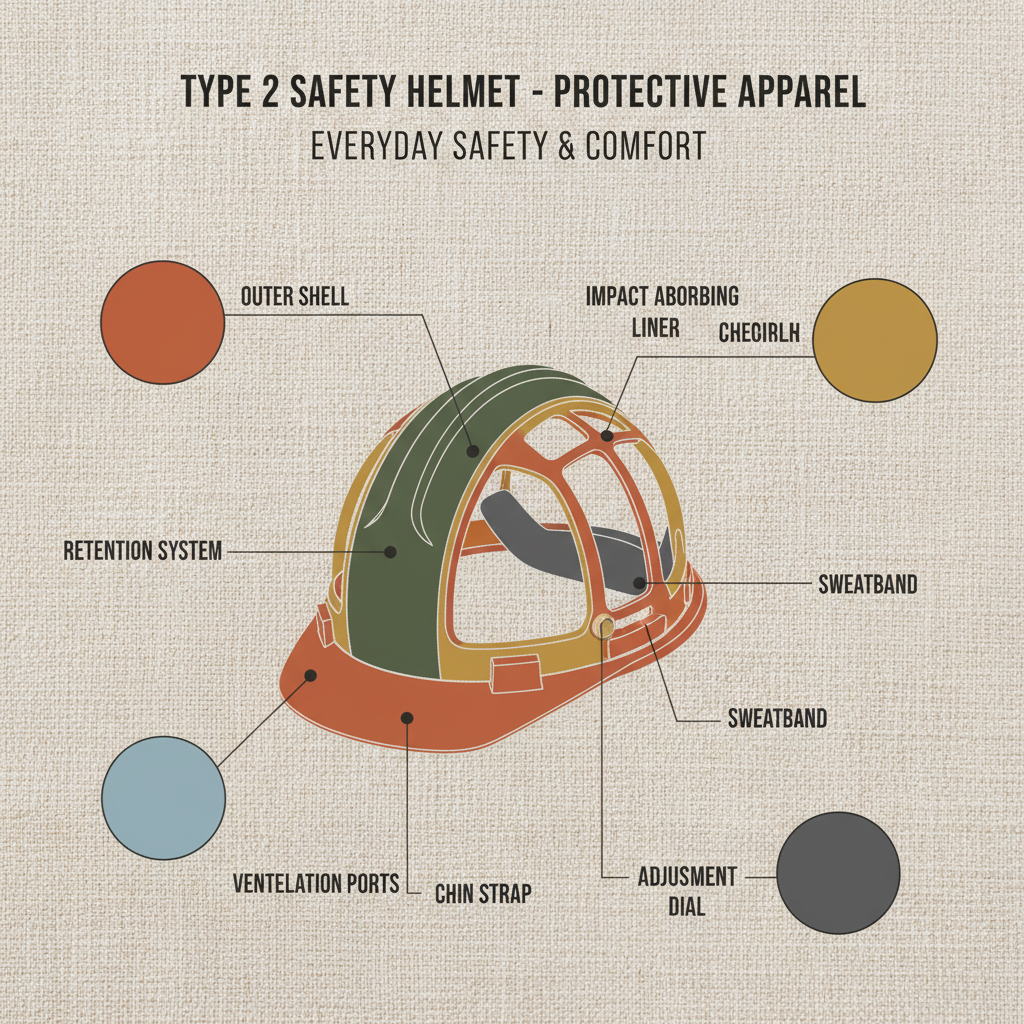
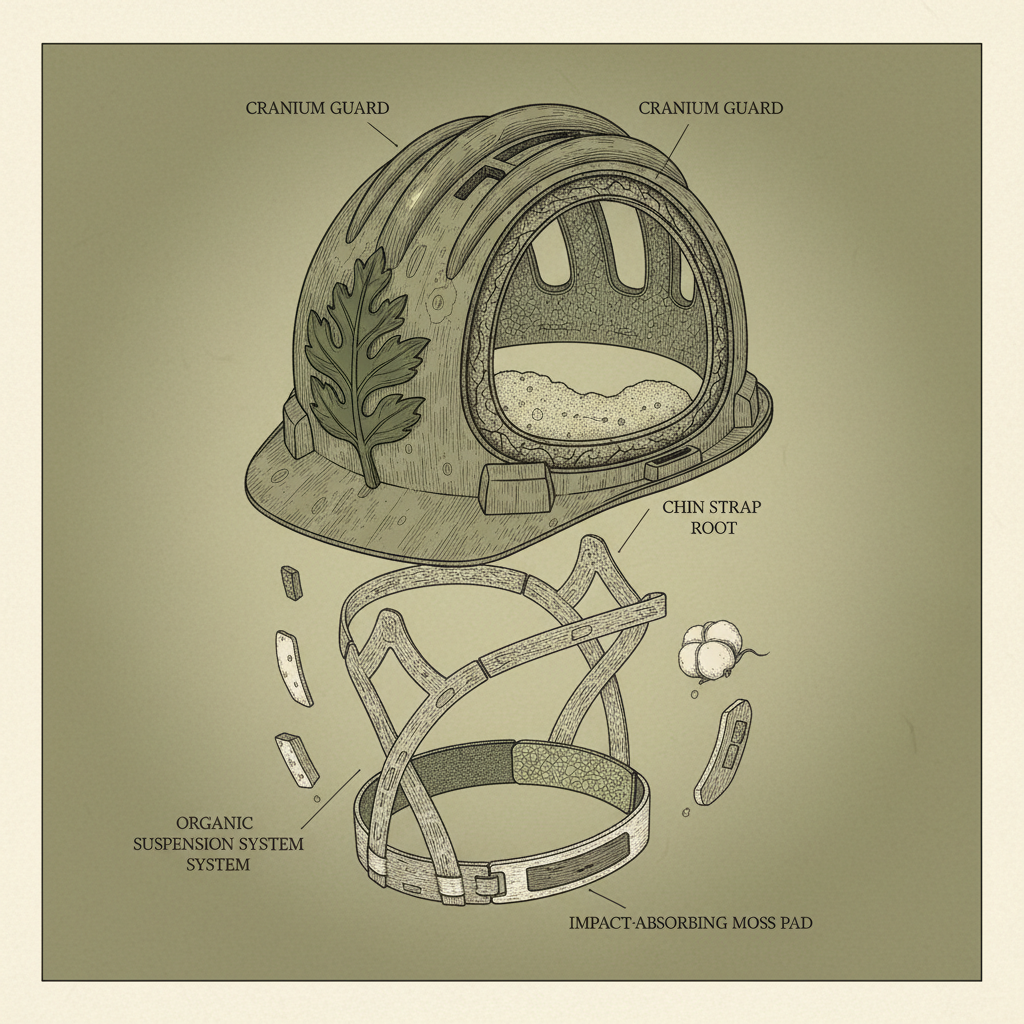
Durability is paramount. These helmets aren’t office accessories; they’re subjected to constant abuse on demanding job sites. The materials need to be impact-resistant, weather-proof, and capable of withstanding extreme temperatures. We’ve seen a shift towards more advanced polymers and composite materials that offer superior protection without adding excessive weight.
Scalability is another critical factor. A system that works well for a small crew might not be suitable for a large-scale project with hundreds of workers. The communication infrastructure needs to be able to handle a high volume of simultaneous transmissions without interference. Integration with existing communication networks is also key.
Cost-efficiency is always a consideration. While the initial investment in safety helmet with communication systems can be higher than traditional methods, the long-term benefits – reduced accidents, improved productivity, and streamlined workflows – often outweigh the costs. Companies are starting to see these systems as a smart investment, not an expense.
Reliability is non-negotiable. A dropped call or a faulty connection can have serious consequences on a construction site. The communication system needs to be dependable, even in challenging environments with limited connectivity. Redundancy and fail-safe mechanisms are essential.
Ease of use is often overlooked, but it's crucial for adoption. If the system is complicated or difficult to operate, workers won't use it. The interface needs to be intuitive and user-friendly, even for those who aren't tech-savvy.
Regulatory compliance is also driving adoption. Increasingly, safety regulations are requiring or recommending the use of advanced communication technologies to improve worker safety.
Real-World Applications & Industry Impact
In post-disaster relief operations, these helmets are invaluable. Coordinating rescue efforts in chaotic environments requires crystal-clear communication, and hands-free operation is essential when rescuers are scaling debris or carrying equipment. We’ve seen them used extensively in hurricane recovery, earthquake response, and wildfire containment.
In remote industrial zones – like oil rigs or mining operations – reliable communication is critical for safety and productivity. These locations often have limited cellular coverage, so a dedicated communication system is essential. The ability to track worker location in real-time is also a major benefit.
Large-scale construction projects – like stadium construction or bridge building – benefit from the improved coordination and efficiency that safety helmet with communication systems provide. Foremen can quickly communicate instructions to crews, and workers can report hazards in real-time. This leads to fewer delays, reduced costs, and a safer work environment.
Impact of safety helmet with communication on Job Site Efficiency
Tangible Benefits & Long-Term Value
The benefits aren't just theoretical. We're seeing demonstrable reductions in accident rates on sites that have adopted safety helmet with communication systems. Faster response times in emergencies can literally mean the difference between life and death. Improved coordination leads to fewer errors and less rework, saving time and money.
From a sustainability perspective, reducing accidents and improving efficiency also has a positive environmental impact. Less waste, reduced material consumption, and fewer delays all contribute to a greener construction process. And from a social responsibility standpoint, investing in worker safety demonstrates a commitment to their well-being and dignity.
Future Innovations & Emerging Trends
We’re only scratching the surface of what’s possible. Integration with augmented reality (AR) technology is a major trend. Imagine a worker being able to see real-time schematics overlaid on their field of vision, or receiving guided instructions for complex tasks. That's the power of AR combined with a safety helmet with communication system.
The development of more advanced sensors – capable of detecting gas leaks, structural instability, or even worker fatigue – is also on the horizon. These sensors could provide early warnings of potential hazards, allowing workers to take preventative action. The convergence of these technologies will create a truly intelligent and proactive safety system.
Addressing Challenges & Implementing Solutions
One of the biggest challenges is interoperability. Different manufacturers use different communication protocols, which can make it difficult to integrate systems. Industry-wide standards are needed to ensure seamless communication between different devices.
Another challenge is training. Workers need to be properly trained on how to use the new systems effectively. This requires a comprehensive training program that covers both the technical aspects and the safety protocols. We need to move beyond just handing someone a helmet and expecting them to know how to use it.
Finally, data privacy is a growing concern. As these systems collect more data – location, communication logs, sensor readings – it’s essential to ensure that this data is protected and used responsibly. Clear policies and procedures are needed to address data privacy concerns.
Table Summarizing Key Considerations for Successful safety helmet with communication Implementation
| Implementation Phase |
Key Challenge |
Mitigation Strategy |
Expected Outcome |
| Initial Assessment |
Identifying existing communication gaps |
Site surveys & worker interviews |
Clear understanding of needs & priorities |
| System Selection |
Choosing the right technology for the environment |
Pilot testing with different models |
Optimal solution based on real-world performance |
| Training & Onboarding |
Ensuring worker proficiency |
Hands-on workshops & ongoing support |
High adoption rate & effective usage |
| Integration with Existing Systems |
Compatibility issues with legacy equipment |
API development & standardized protocols |
Seamless data flow & enhanced functionality |
| Maintenance & Support |
Ensuring system uptime & reliability |
Regular inspections & preventative maintenance |
Minimal downtime & long-term performance |
| Data Security & Privacy |
Protecting sensitive worker information |
Encryption & access control protocols |
Compliance with data privacy regulations |
FAQS
Battery life varies depending on the model and usage, but most modern systems offer at least 8-10 hours of continuous operation on a single charge. Some high-end models can even last a full shift (12+ hours). We’re also seeing advancements in battery technology that are extending run times and reducing charging times. It's vital to consider power management – using push-to-talk effectively, and turning off features when not needed – to maximize battery life throughout the workday.
Durability is a major design focus. These helmets are built to withstand the rigors of construction sites – impact, dust, water, extreme temperatures. They typically meet or exceed all relevant safety standards (ANSI, EN, etc.). Materials like high-density polyethylene (HDPE) and polycarbonate are commonly used for the shell, while internal components are often sealed for protection against moisture and corrosion. Regular inspection and maintenance are still key, but these helmets are significantly more robust than standard hard hats.
Absolutely. Many models are designed with modularity in mind, allowing for integration with other safety devices. Bluetooth connectivity is common, enabling connection to gas detectors, heart rate monitors, and other wearable sensors. This allows for a more comprehensive safety monitoring system, where alerts from various devices can be transmitted directly to the worker and supervisors. We're seeing a growing trend towards fully integrated safety ecosystems.
The range depends on the communication technology used. Bluetooth typically has a range of 30-100 meters, while digital radio systems can achieve ranges of up to several kilometers, especially in open environments. Obstacles like buildings and trees can significantly reduce the range. Many systems also use mesh networking, which extends the range by allowing helmets to relay signals to each other. Proper antenna placement and network configuration are crucial for maximizing range.
Effective noise cancellation is critical. These helmets utilize advanced digital signal processing (DSP) algorithms to filter out background noise – machinery, wind, shouting – while preserving the clarity of voice communication. Most systems offer adjustable noise cancellation levels to suit different environments. High-quality microphones and speakers are also essential for ensuring clear audio transmission, even in extremely noisy conditions. It is a game changer when communicating in a noisy environment.
Ensure the helmet itself meets relevant safety standards (ANSI Z89.1 in the US, EN 397 in Europe, etc.). The communication system should also be tested and certified to ensure it doesn't interfere with other safety equipment. Regular inspections and maintenance are essential to ensure continued compliance. Consult with a safety professional to ensure your implementation meets all applicable regulations and best practices. Proper documentation of training and system maintenance is also vital for demonstrating compliance.
Conclusion
The safety helmet with communication represents a significant leap forward in workplace safety and efficiency. It's not just about adding technology to a hard hat; it’s about creating a connected, intelligent safety ecosystem that protects workers, streamlines workflows, and reduces costs. The benefits are clear – fewer accidents, improved productivity, and a more engaged workforce.
Looking ahead, we can expect to see even more innovation in this space – integration with AR/VR technologies, advanced sensor capabilities, and seamless connectivity with other safety systems. The key is to embrace these advancements and prioritize worker safety. If you're ready to take the next step in protecting your team and optimizing your operations, visit our website today: www.goodsafetyhelmet.com