
Understanding Yellow Safety Helmet Price and Choosing the Right Head Protection
Understanding the Yellow Safety Helmet Price and Choosing the Right Protection
When considering workplace safety, the right head protection is crucial. A yellow safety helmet is a common sight on construction sites and in industrial settings, but understanding the price points and what influences them is essential. This article will delve into the factors affecting yellow safety helmet price, explore different options, and provide insights to help you make an informed decision. Investing in quality head protection isn't just about compliance; it's about safeguarding your workforce.
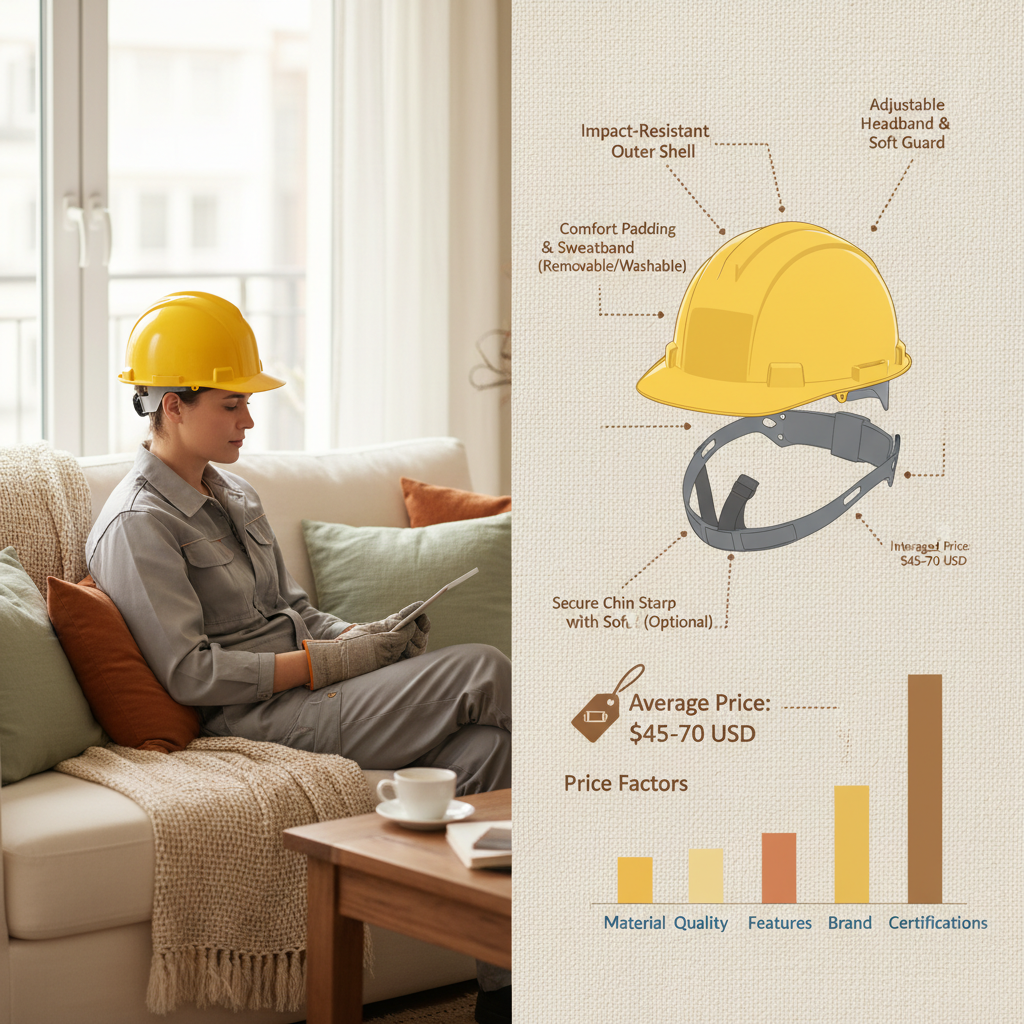
Factors Influencing Yellow Safety Helmet Price
Several factors contribute to the price of a yellow safety helmet. The material used is a primary determinant – helmets made from high-density polyethylene (HDPE) are generally more affordable than those constructed from advanced materials like carbon fiber or specialized composites. Furthermore, the helmet's features significantly impact cost. Features such as ratcheting suspension systems, face shields, ear defenders, and ventilation systems all add to the overall price. The brand reputation and certifications (e.g., ANSI, EN397) also play a role, with helmets from established brands and those meeting stringent safety standards typically commanding higher prices. Quantity purchased also influences the price, with bulk orders often receiving discounts.
Key Highlights: Material, features, brand, certifications, and quantity all play a role in determining the final price of a yellow safety helmet.
A Price Comparison of Different Yellow Safety Helmet Types
The range of yellow safety helmets available is diverse, and prices reflect this variety. Basic HDPE helmets without many added features are the most budget-friendly. Mid-range helmets offer a balance of price and features, often including adjustable suspension systems and improved ventilation. Premium helmets incorporate advanced materials, enhanced impact protection, and integrated accessories, resulting in a higher price tag. Understanding these differences is crucial for selecting the right helmet for your specific needs and budget.
The Impact of Safety Standards on Price
Helmets meeting recognized safety standards like ANSI Z89.1 (American National Standards Institute) or EN397 (European Standard) generally cost more. These certifications ensure the helmet has undergone rigorous testing to meet specific impact, penetration, and flammability requirements. Compliance with these standards provides assurance of quality and protection, justifying the higher price point. Always verify the helmet's certifications before purchasing to ensure it meets the safety requirements for your specific industry and location. Purchasing non-certified helmets can be a false economy, as they may not provide adequate protection in the event of an accident.
Why Certification Matters:
• Guarantees the helmet has been tested to meet specific safety criteria.
• Provides assurance of quality and protection.
• Ensures compliance with industry regulations.
Finding the Best Value for Your Yellow Safety Helmet Investment
When seeking the best value, consider your specific needs and the risks associated with the work environment. A basic helmet may suffice for low-risk tasks, while more advanced features are essential for high-impact scenarios. Compare prices from different suppliers, including Goodsafetyhelmet.com, and look for bulk discounts. Don't compromise on safety to save money; prioritize a helmet that meets the required safety standards and provides adequate protection. Remember that the cost of an injury far outweighs the cost of a quality helmet.
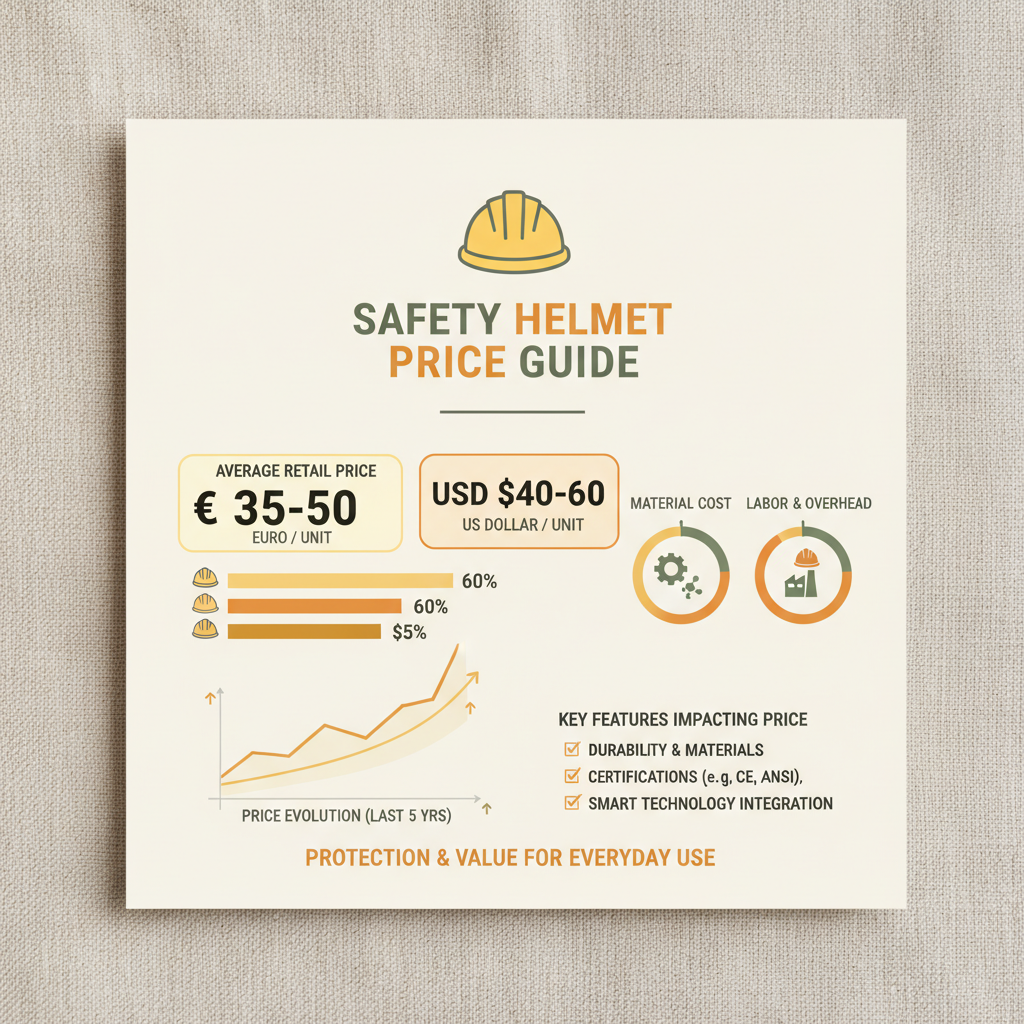
Where to Purchase Yellow Safety Helmets: Goodsafetyhelmet.com
Goodsafetyhelmet.com offers a comprehensive selection of yellow safety helmets at competitive prices. We carry helmets meeting various safety standards and cater to diverse industry needs. Our website provides detailed product specifications, customer reviews, and secure online ordering. We are committed to providing high-quality products and exceptional customer service. Browse our collection today and find the perfect yellow safety helmet to protect your workforce.
Conclusion: Prioritizing Safety and Value
Choosing the right yellow safety helmet is a critical investment in workplace safety. By understanding the factors that influence price, exploring different options, and prioritizing safety standards, you can find a helmet that provides the best value for your needs. Don’t compromise on protection – visit Goodsafetyhelmet.com today!
Frequently Asked Questions (FAQs)
What is the typical lifespan of a yellow safety helmet?
The lifespan of a yellow safety helmet typically ranges from 3 to 5 years, even if it appears undamaged. However, this can vary depending on usage, exposure to UV radiation, chemicals, and physical impacts. It’s crucial to inspect the helmet regularly for any signs of cracking, damage to the suspension system, or degradation of the shell material. A helmet should be replaced immediately after sustaining a significant impact, as the protective capabilities may be compromised. Follow the manufacturer's recommendations for proper care and replacement intervals.
How do I ensure a proper fit for a yellow safety helmet?
A proper fit is essential for optimal protection. Begin by measuring your head circumference. Most helmets have an adjustable suspension system that allows you to customize the fit. The helmet should sit comfortably on your head, not too tight or too loose. Ensure the suspension system is correctly adjusted to distribute the pressure evenly around your head. The chin strap should be securely fastened, but not constricting. A properly fitted helmet should not move significantly when you shake your head.
Can I attach accessories to a yellow safety helmet?
Many yellow safety helmets are designed to accommodate accessories such as face shields, ear defenders, and headlamps. However, it’s important to ensure that the accessories are compatible with your specific helmet model and do not compromise its protective capabilities. Always use accessories that are specifically designed for use with safety helmets and follow the manufacturer's instructions for attachment and use. Using incompatible accessories can reduce the helmet’s effectiveness and potentially create a safety hazard.
What are the key safety standards for yellow safety helmets?
The two primary safety standards for yellow safety helmets are ANSI Z89.1 (American National Standards Institute) and EN397 (European Standard). ANSI Z89.1 specifies requirements for impact protection, penetration resistance, and electrical insulation. EN397 sets similar standards for helmets sold in Europe. Look for helmets that meet these standards, as they have been rigorously tested to ensure they provide adequate protection. Compliance with these standards is indicated by a marking on the helmet itself.
-
Industrial Protection Guide for Professional arco safety clothing
NewsApr.16,2026
-
The Ultimate Guide to Arc Safety Clothing for Electrical Protection
NewsApr.09,2026
-
Comprehensive Guide to Arc Flash Safety Clothing and Protection Measures
NewsApr.07,2026
-
American Safety Clothing Inc Your Premier Source for Workplace Safety Gear
NewsApr.04,2026
-
Comprehensive Guide to Womens Safety Clothing for Workplace Protection
NewsMar.31,2026
-
Comprehensive Guide to Selecting Optimal Waterproof Safety Clothing for Work
NewsMar.28,2026