
Comprehensive Guide to Reflective Safety Clothing and Workplace Protection
Reflective Safety Clothing: A Comprehensive Guide
In workplaces where visibility is compromised – be it due to low light conditions, inclement weather, or busy environments – reflective safety clothing is paramount. It’s not just about compliance; it's about protecting lives. This article will delve into the importance of reflective gear, the different types available, standards compliance, and how to choose the right clothing for specific needs. Investing in high-quality reflective apparel significantly reduces the risk of accidents and ensures a safer working environment for all.
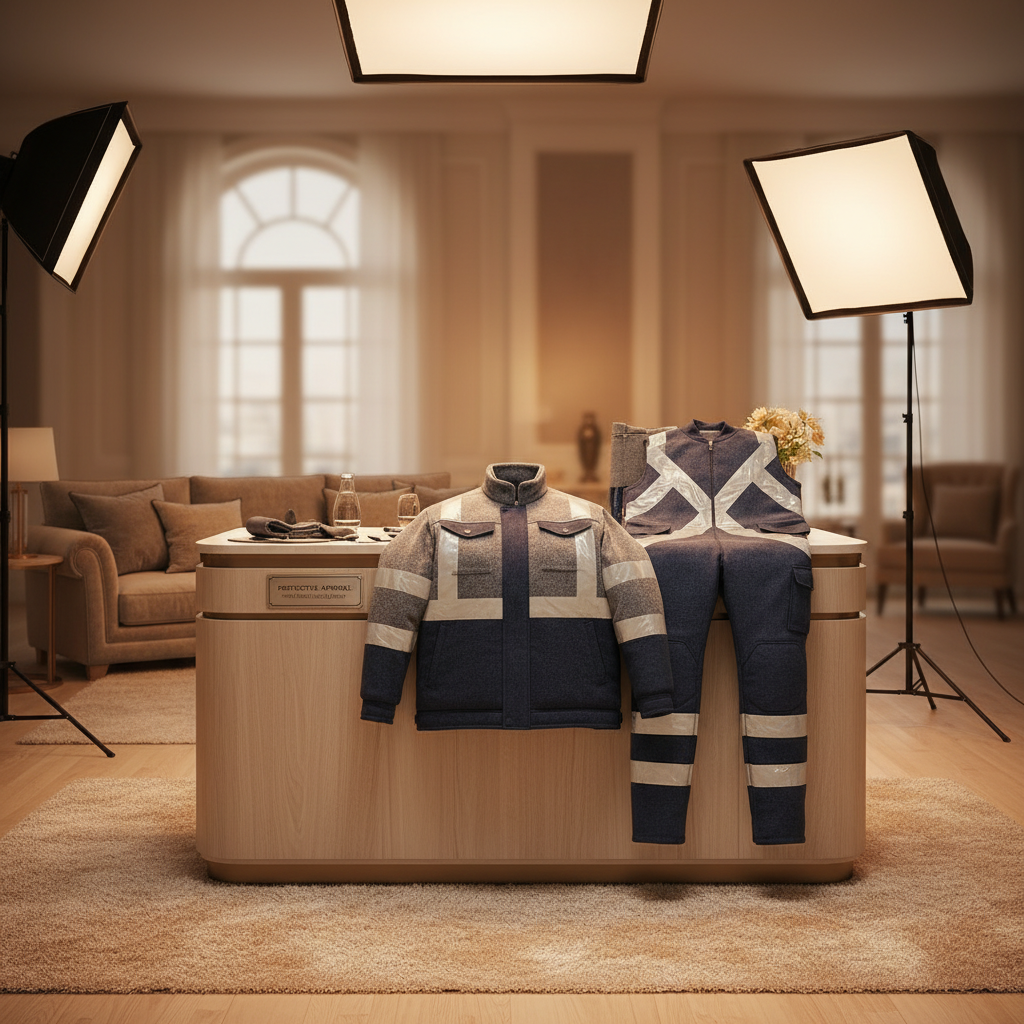
Why is Reflective Safety Clothing Important?
The primary function of reflective safety clothing is to enhance visibility, particularly in low-light conditions. The retroreflective materials used in this clothing bounce light back to its source (like headlights), making the wearer significantly more visible to drivers, equipment operators, and other personnel. This is crucial in industries like construction, road work, emergency services, and logistics, where workers are often exposed to moving vehicles or hazardous machinery. Statistics show a dramatic reduction in accidents when reflective gear is used consistently. Beyond preventing injuries, using reflective clothing demonstrates a commitment to worker safety, boosting morale and potentially reducing liability.
Key Takeaway: Reflective clothing isn't just a requirement; it's a proactive safety measure that can prevent serious injuries and save lives.
Types of Reflective Safety Clothing
Reflective safety clothing comes in various forms to suit different job requirements. Common types include:
- Vests: The most common and versatile option, providing 360-degree visibility.
- Jackets: Offering more coverage and protection from the elements.
- Pants: Essential for workers who need leg visibility, especially during road work.
- Coveralls: Providing full-body protection and high visibility.
- Armbands/Wristbands: Suitable for cyclists, runners, or temporary visibility needs.
- Headwear (Hats/Caps): Increase visibility from above.
The level of reflectivity and the design of the clothing vary based on the intended application and the standards it meets. Choosing the right type depends on the specific hazards and work environment.
Visibility Levels:
• Class 1: Basic visibility for low-risk environments.
• Class 2: Moderate visibility for tasks involving some risk.
• Class 3: High visibility for high-risk environments with fast-moving traffic.
Understanding ANSI/ISEA Standards for Reflective Safety Clothing
In the United States, the American National Standards Institute (ANSI) and the International Safety Equipment Association (ISEA) set the standards for high-visibility safety apparel. These standards classify clothing into three classes (Class 1, 2, and 3) based on the amount of background material and retroreflective material used. Class 3 provides the highest level of visibility, while Class 1 provides the lowest. Choosing clothing that meets the appropriate ANSI/ISEA standard is crucial for ensuring adequate protection. Compliance with these standards also demonstrates a commitment to workplace safety and can help avoid potential penalties.
Factors to Consider When Choosing Reflective Safety Clothing
Selecting the right reflective safety clothing requires careful consideration of several factors. First, assess the specific hazards present in the work environment. Is there high-speed traffic? Are there moving machines? What are the weather conditions like? The ANSI/ISEA class will help determine the necessary level of visibility. Second, consider the comfort and fit of the clothing. Workers are more likely to wear gear that is comfortable and doesn't restrict movement. Third, ensure the clothing is durable and can withstand the rigors of the job. Look for materials that are resistant to tears, abrasions, and fading. Finally, consider any additional features, such as breathability, water resistance, or UV protection.
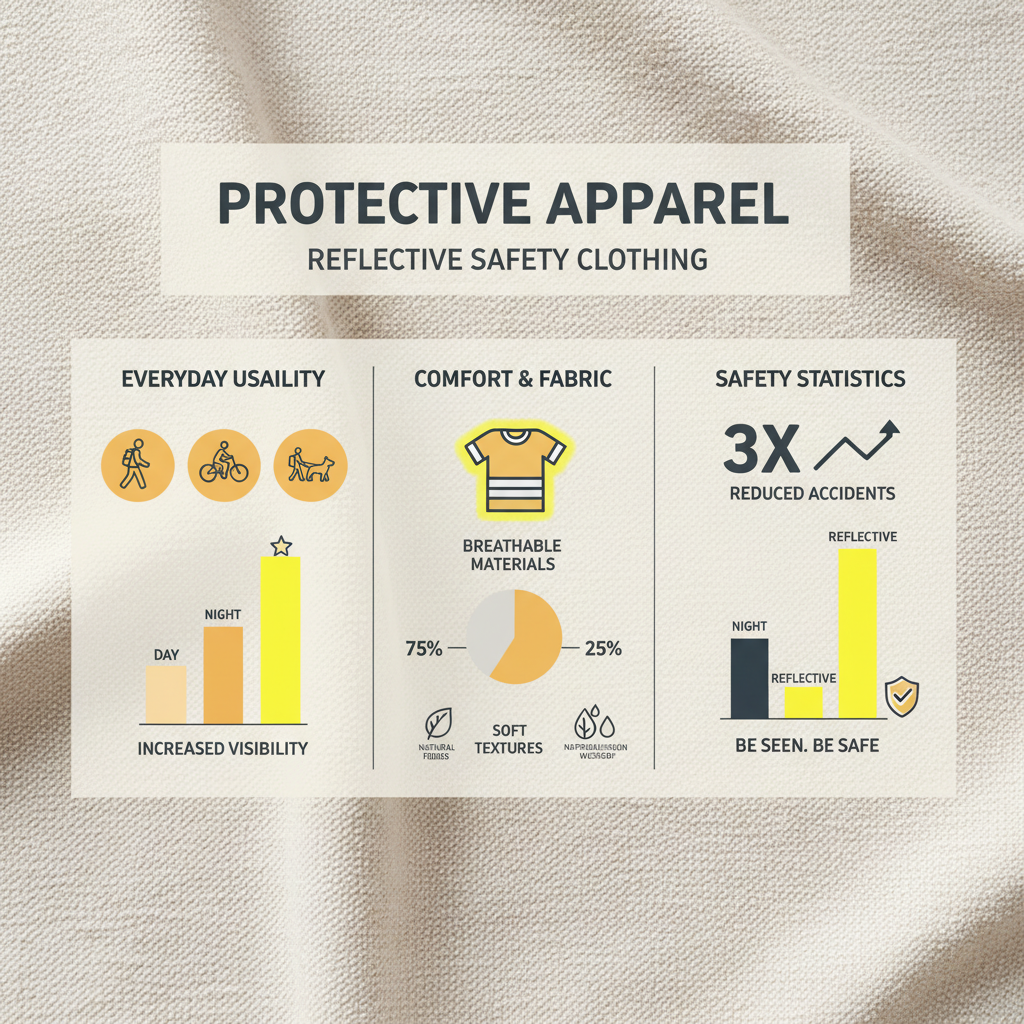
Proper Care and Maintenance of Reflective Safety Clothing
To ensure the longevity and effectiveness of reflective safety clothing, proper care and maintenance are essential. Always follow the manufacturer's washing instructions. Generally, machine washing with mild detergent is recommended. Avoid using bleach or harsh chemicals, as they can damage the reflective material. Air drying is preferable to tumble drying, as heat can also degrade the reflectivity. Regularly inspect the clothing for signs of wear and tear, and replace it if it's damaged or no longer providing adequate visibility. Maintaining the reflective properties of the clothing is vital for worker safety.
Conclusion: Investing in Visibility, Protecting Lives
Prioritizing visibility through the use of high-quality reflective safety clothing is a fundamental aspect of workplace safety. By understanding the different types of clothing available, ANSI/ISEA standards, and proper care practices, employers can create a safer environment for their workers. Remember, investing in visibility is investing in lives.
Frequently Asked Questions (FAQs)
How often should reflective safety clothing be replaced?
The frequency of replacement depends on usage, washing, and exposure to harsh conditions. Generally, reflective material degrades over time, losing its reflectivity. Inspect garments regularly for cracks, fading, or damage to the reflective tape. Even without visible damage, it's recommended to replace clothing after one to two years of regular use, or sooner if it’s exposed to frequent heavy washing or harsh chemicals. Adhering to the manufacturer’s guidelines is crucial. Regular replacement ensures consistent protection.
Can reflective clothing be ironed?
Generally, it's not recommended to iron reflective safety clothing. The heat from the iron can damage the reflective material, reducing its effectiveness. If ironing is absolutely necessary, use the lowest heat setting and place a protective cloth between the iron and the reflective tape. However, it’s best to avoid ironing altogether to preserve the integrity of the reflective properties. Always consult the garment's care label for specific instructions.
What is the difference between fluorescent and reflective material?
Fluorescent materials glow brightly in daylight, making workers more visible during daytime hours. They absorb ultraviolet light and re-emit it as visible light. Reflective materials, on the other hand, bounce light back to its source, making workers visible in low-light conditions, such as at night or in fog. They are often used in conjunction with fluorescent materials for maximum visibility in all conditions. Fluorescent materials are effective during the day, while reflective materials are essential for nighttime safety.
Is reflective clothing effective in all weather conditions?
While reflective clothing significantly enhances visibility, its effectiveness can be reduced in certain weather conditions. Heavy rain, snow, or fog can scatter light and diminish the retroreflective properties. It’s important to choose clothing with water-resistant or waterproof features for inclement weather. Additionally, ensuring the reflective material is clean and free of dirt or debris is crucial for maintaining optimal performance. In extremely adverse conditions, consider supplemental lighting or other safety measures.
-
Industrial Protection Guide for Professional arco safety clothing
NewsApr.16,2026
-
The Ultimate Guide to Arc Safety Clothing for Electrical Protection
NewsApr.09,2026
-
Comprehensive Guide to Arc Flash Safety Clothing and Protection Measures
NewsApr.07,2026
-
American Safety Clothing Inc Your Premier Source for Workplace Safety Gear
NewsApr.04,2026
-
Comprehensive Guide to Womens Safety Clothing for Workplace Protection
NewsMar.31,2026
-
Comprehensive Guide to Selecting Optimal Waterproof Safety Clothing for Work
NewsMar.28,2026