
Comprehensive Guide to Safety Helmet with Collar for Workplace Protection
Safety Helmet with Collar: A Comprehensive Guide
When it comes to workplace safety, choosing the right head protection is paramount. A safety helmet with collar offers enhanced protection and comfort, especially in demanding work environments. This article will delve into the features, benefits, and applications of these helmets, providing a thorough overview for professionals and safety managers. We'll explore why they are a trusted choice for a variety of industries, and how they differ from standard helmets. Choosing the right headgear can significantly reduce the risk of head injuries.
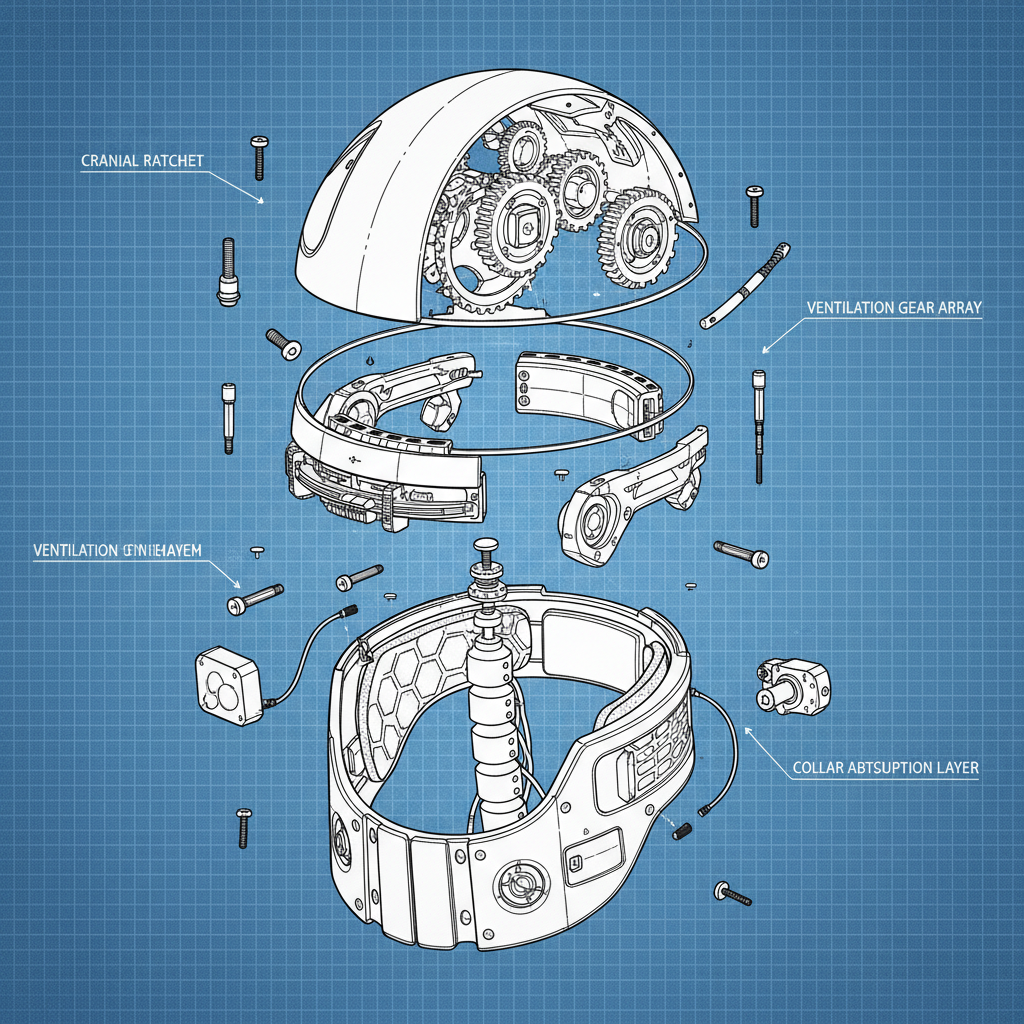
Understanding the Benefits of a Safety Helmet with Collar
A safety helmet with collar – often a padded or detachable neck protector – provides several advantages over traditional helmets. The collar adds an extra layer of protection against impacts to the neck, reducing the risk of whiplash and other neck injuries. It also enhances comfort by reducing pressure points and providing support during prolonged wear. Many collars also offer improved weather protection, shielding the neck from wind, rain, and sun. This is particularly valuable for outdoor workers. A quality safety helmet with collar is a worthwhile investment in worker safety.
Key Highlights: Enhanced neck protection, improved comfort, and added weather resistance. The collar design minimizes pressure points and provides support for extended wear.
Key Features to Look for in a Safety Helmet with Collar
When selecting a safety helmet with collar, several features should be considered. The shell material (typically ABS or polycarbonate) should be impact-resistant and durable. The collar itself should be adjustable and provide a comfortable, secure fit. Look for helmets that meet relevant safety standards (e.g., EN397, ANSI Z89.1). Ventilation is also important to prevent overheating. Features like adjustable chin straps and internal suspension systems enhance both comfort and stability. Ensure the helmet is compatible with other necessary safety equipment, such as ear protection and face shields. The best safety helmets with collars will combine all these elements for optimum performance.
Essential Features:
• Impact-resistant shell (ABS or polycarbonate)
• Adjustable collar for a secure fit
• Compliance with safety standards (EN397, ANSI Z89.1)
• Adequate ventilation
Safety Helmet with Collar vs. Standard Safety Helmets: A Detailed Comparison
While standard safety helmets provide essential head protection, helmets with collars offer a significant upgrade in safety and comfort. The primary difference lies in the added neck support and protection. This is crucial in industries where there's a risk of impacts or sudden movements that could cause whiplash. Standard helmets typically lack this feature. Furthermore, the collar can provide an extra layer of insulation in cold weather, keeping the wearer warmer. The enhanced comfort reduces fatigue and increases worker productivity. The benefits of a safety helmet with collar are clear, particularly in demanding work conditions.
Ideal Industries for Safety Helmets with Collar
Safety helmets with collars are particularly beneficial in industries where workers are exposed to a higher risk of neck injuries or harsh weather conditions. This includes construction, forestry, mining, oil and gas, and utility work. They are also valuable in industries requiring extended periods of outdoor work, such as agriculture and landscaping. Any job where there's a potential for falling objects or impacts to the head and neck can benefit from the added protection of a collar. Investing in appropriate safety gear is crucial for maintaining a safe and productive work environment. You can explore a wide range of options at Goodsafetyhelmet.
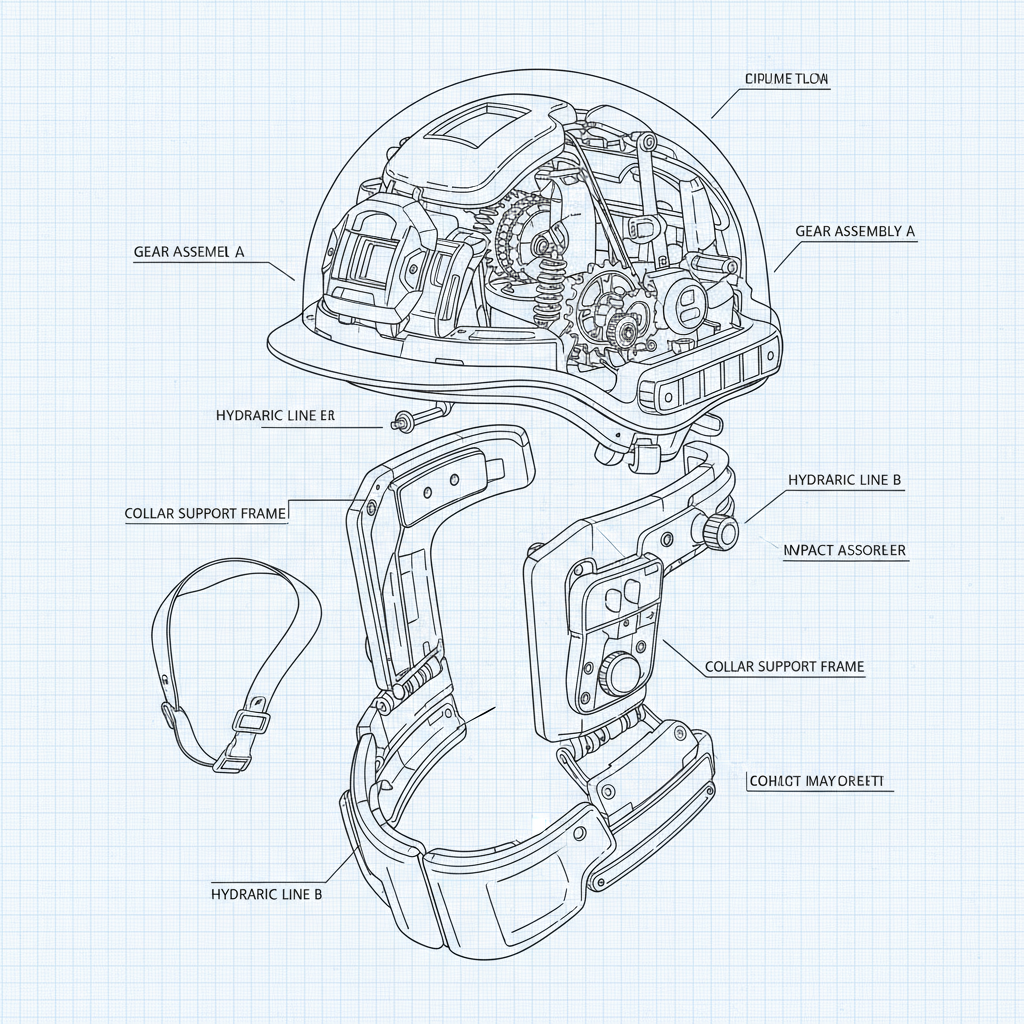
Maintenance and Care for Your Safety Helmet with Collar
To ensure the longevity and effectiveness of your safety helmet with collar, proper maintenance is essential. Regularly inspect the helmet for any signs of damage, such as cracks, dents, or deterioration of the shell or collar. Clean the helmet with mild soap and water, avoiding harsh chemicals or abrasive cleaners. Store the helmet in a cool, dry place away from direct sunlight and extreme temperatures. Replace the helmet if it has been involved in a significant impact, even if there is no visible damage. Following these guidelines will help maintain the helmet's protective capabilities and extend its lifespan.
Conclusion: Prioritize Safety with a Quality Helmet
A safety helmet with collar is a vital piece of personal protective equipment for workers in numerous industries. Its enhanced features, including neck support, improved comfort, and increased weather protection, make it a superior choice compared to standard helmets. By investing in a quality helmet and following proper maintenance procedures, you can significantly reduce the risk of head and neck injuries and create a safer work environment. Don’t compromise on safety – choose the right head protection for the job.
Frequently Asked Questions (FAQs)
How often should I replace my safety helmet with collar?
Safety helmet manufacturers generally recommend replacing your helmet every 3-5 years, even if it appears undamaged. This is because the materials can degrade over time due to exposure to UV radiation, chemicals, and general wear and tear. Additionally, you should replace the helmet immediately if it has been involved in a significant impact or if you notice any cracks, dents, or damage to the shell or collar. Regular inspection is key to ensuring your helmet provides adequate protection.
How do I properly fit a safety helmet with collar?
Proper fit is crucial for ensuring the helmet provides adequate protection. Start by adjusting the suspension system inside the helmet to fit snugly but comfortably around your head. The helmet should sit level on your head and not wobble. Adjust the chin strap so that it is snug but not constricting. The collar should fit comfortably around your neck without restricting movement. If the helmet doesn't fit properly, it won't provide optimal protection.
Can I use accessories with my safety helmet with collar?
Yes, many safety helmets with collars are designed to be compatible with various accessories, such as face shields, ear defenders, and headlamps. However, it’s important to ensure that the accessories are specifically designed for use with your helmet model. Using incompatible accessories can compromise the helmet’s protective capabilities. Check the manufacturer’s specifications for compatibility information. You can find compatible accessories on the Goodsafetyhelmet website.
What safety standards should I look for in a helmet?
Look for helmets that meet recognized safety standards such as EN 397 (European standard) or ANSI Z89.1 (American standard). These standards ensure that the helmet has been tested and certified to provide adequate protection against impacts, penetration, and other hazards. The helmet should also have a clear labeling indicating the standards it meets.
-
Industrial Protection Guide for Professional arco safety clothing
NewsApr.16,2026
-
The Ultimate Guide to Arc Safety Clothing for Electrical Protection
NewsApr.09,2026
-
Comprehensive Guide to Arc Flash Safety Clothing and Protection Measures
NewsApr.07,2026
-
American Safety Clothing Inc Your Premier Source for Workplace Safety Gear
NewsApr.04,2026
-
Comprehensive Guide to Womens Safety Clothing for Workplace Protection
NewsMar.31,2026
-
Comprehensive Guide to Selecting Optimal Waterproof Safety Clothing for Work
NewsMar.28,2026