
Comprehensive Guide to Ventilation Safety Helmet Features and Workplace Applications
Ventilation Safety Helmet: A Comprehensive Guide
Choosing the right head protection is crucial for workplace safety. A ventilation safety helmet provides essential protection while ensuring comfort and breathability. This article will explore the features, benefits, and applications of ventilation safety helmets, offering a thorough overview for professionals and safety managers. Investing in proper headgear can significantly reduce the risk of head injuries in various work settings.
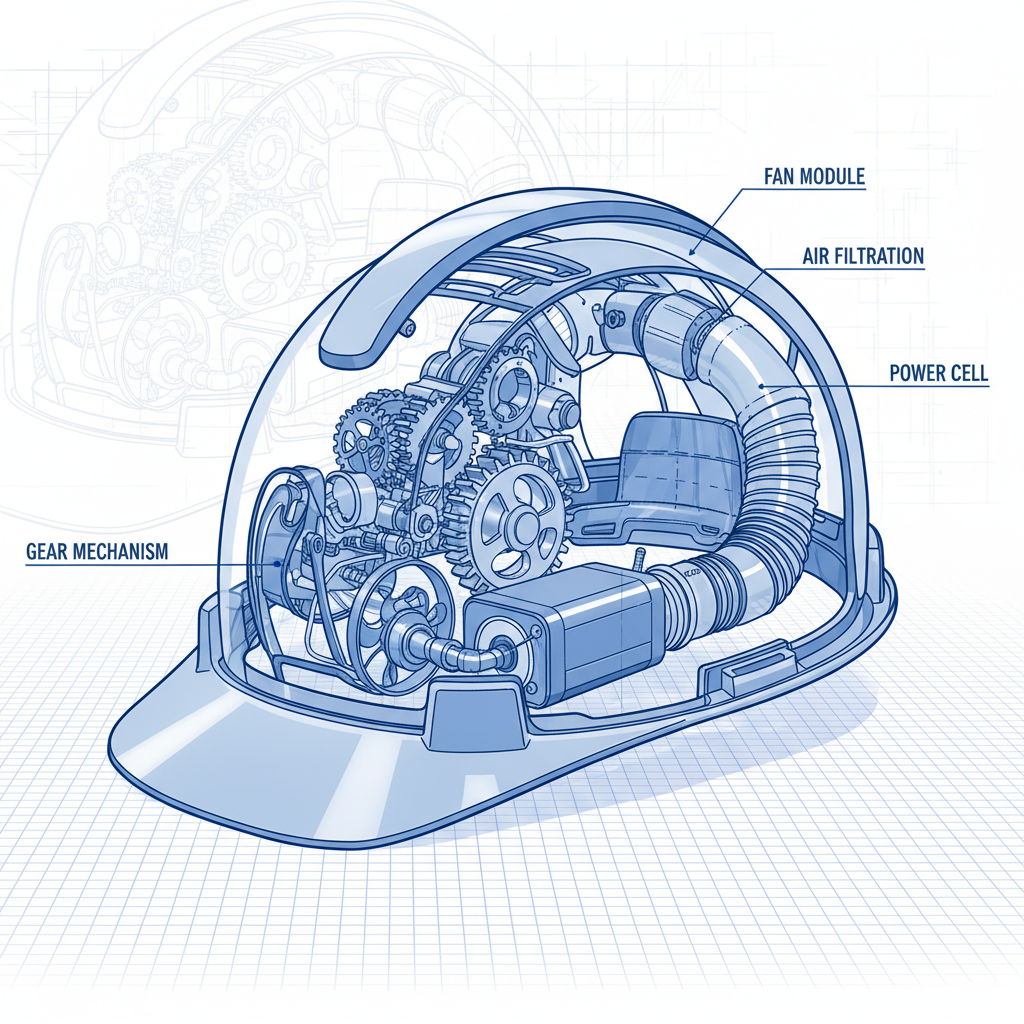
Why Choose a Ventilation Safety Helmet?
Traditional safety helmets, while effective, can often lead to overheating and discomfort, especially in warm environments or during strenuous activity. A ventilation safety helmet addresses this issue by incorporating strategically placed vents that allow air to circulate, keeping the head cool and dry. This improved comfort encourages consistent helmet use, enhancing overall safety. Furthermore, ventilation can reduce fogging when used with visors or goggles, providing clearer vision.
Key Benefit: Improved comfort through enhanced airflow, promoting consistent helmet usage and increased safety.
Features to Look For in a Ventilation Safety Helmet
When selecting a ventilation safety helmet, consider several key features. Look for adjustable vents that allow you to control the airflow based on your working conditions. A comfortable suspension system is essential for a secure fit and prolonged comfort. The helmet's shell material should be durable and impact-resistant, meeting relevant safety standards. Additionally, features like a chinstrap and compatibility with accessories like face shields and earmuffs can enhance its versatility and protection.
Essential Features:
• Adjustable Vents
• Comfortable Suspension System
• Durable Shell Material
• Secure Chinstrap
Ventilation Safety Helmet vs. Standard Safety Helmet: A Comparison
The primary difference lies in the airflow. Standard helmets lack dedicated ventilation, leading to heat buildup and discomfort. Ventilation safety helmets actively promote airflow, reducing temperature and moisture. This translates to improved wearer comfort, increased productivity, and a reduced risk of heat stress. While both types offer impact protection, the added comfort of ventilation encourages consistent use, maximizing safety benefits.
Industries Benefitting from Ventilation Safety Helmets
Several industries can significantly benefit from using ventilation safety helmets. These include construction, where workers are often exposed to direct sunlight and strenuous activity; manufacturing, where machinery can generate heat; agriculture, where outdoor work is common; and oil & gas, where temperatures can be extreme. Any profession requiring prolonged helmet use in warm or physically demanding conditions can benefit from the improved comfort and safety offered by a well-designed ventilation safety helmet.
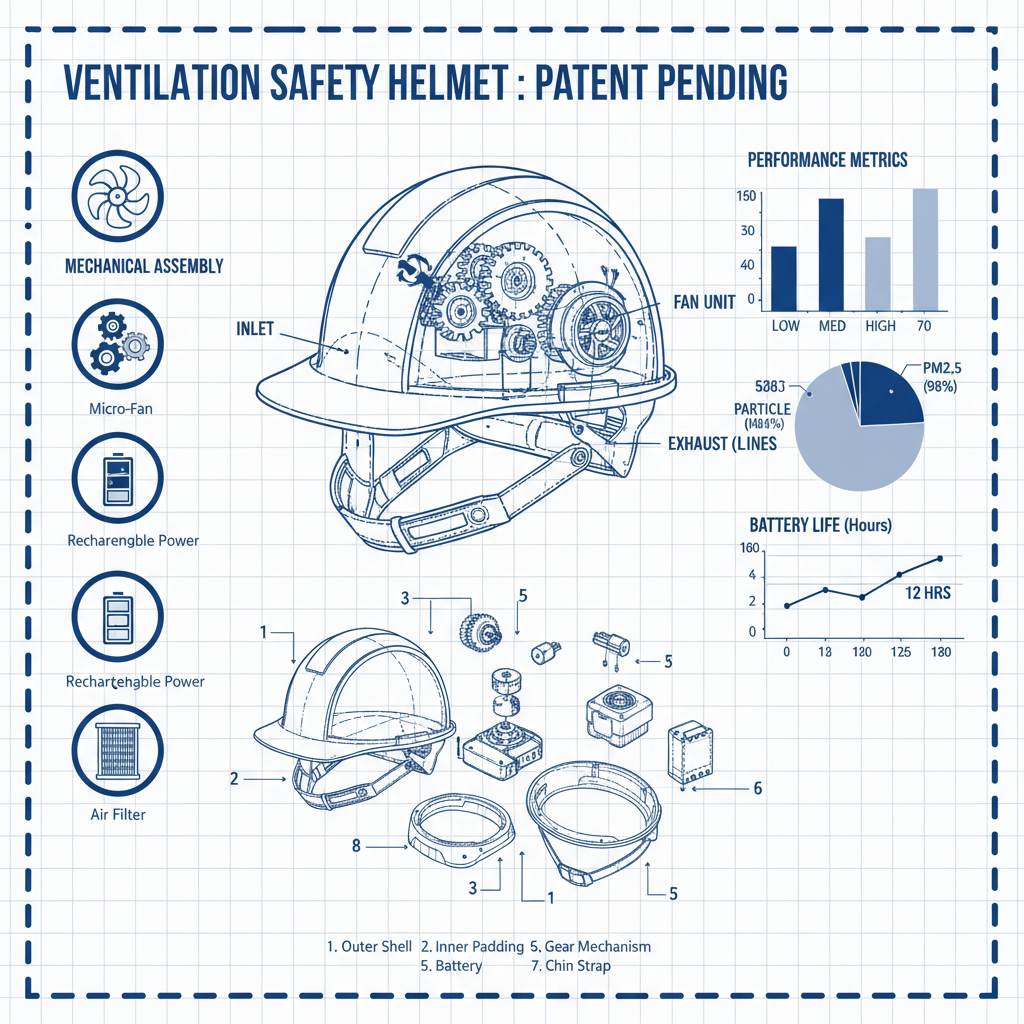
Safety Standards and Compliance
Ensure that any ventilation safety helmet you choose meets relevant safety standards, such as EN 397 (European standard) or ANSI Z89.1 (American National Standards Institute). These standards specify requirements for impact resistance, penetration resistance, and other crucial safety features. Look for helmets that are certified by recognized testing laboratories. Compliance with these standards ensures the helmet provides the level of protection it is designed to deliver.
Conclusion: Prioritize Comfort and Safety with Ventilation
Investing in a ventilation safety helmet is a proactive step towards enhancing workplace safety and improving worker comfort. By prioritizing airflow and selecting a helmet that meets relevant safety standards, you can create a safer and more productive work environment. Don’t compromise on head protection – choose a ventilation safety helmet that delivers both comfort and peace of mind.
Frequently Asked Questions (FAQs)
How often should I replace my ventilation safety helmet?
Safety helmet manufacturers generally recommend replacing helmets every 3-5 years, even if no damage is visible. However, this timeframe can vary depending on the helmet’s usage, exposure to UV rays, chemicals, and physical impacts. If a helmet has been involved in an impact, it must be replaced immediately, regardless of whether damage is apparent. Regularly inspect your helmet for cracks, dents, or deterioration of the harness. Proper storage, away from direct sunlight and extreme temperatures, can help extend its lifespan.
Are ventilation holes a compromise to impact protection?
Not necessarily. Modern ventilation safety helmets are designed to maintain a high level of impact protection despite the presence of vents. The vent design is carefully engineered to not compromise the structural integrity of the shell. Reputable manufacturers ensure their helmets meet or exceed relevant safety standards (like EN 397 or ANSI Z89.1) even with ventilation features. Always choose a helmet certified to the appropriate standards.
Can I add accessories to a ventilation safety helmet?
Many ventilation safety helmets are designed to be compatible with a range of accessories, such as face shields, ear defenders, and headlamps. However, it’s crucial to ensure that any accessories you add are specifically designed for use with your particular helmet model. Adding incompatible accessories could compromise the helmet’s safety performance. Check the manufacturer's guidelines for approved accessories. You can explore compatible accessories at Goodsafetyhelmet.
-
Industrial Protection Guide for Professional arco safety clothing
NewsApr.16,2026
-
The Ultimate Guide to Arc Safety Clothing for Electrical Protection
NewsApr.09,2026
-
Comprehensive Guide to Arc Flash Safety Clothing and Protection Measures
NewsApr.07,2026
-
American Safety Clothing Inc Your Premier Source for Workplace Safety Gear
NewsApr.04,2026
-
Comprehensive Guide to Womens Safety Clothing for Workplace Protection
NewsMar.31,2026
-
Comprehensive Guide to Selecting Optimal Waterproof Safety Clothing for Work
NewsMar.28,2026